Get a Logo Patches Supplier Quote for Skincare Brands
When a Logo Patches Supplier Quote for Skincare Brands Makes Sense
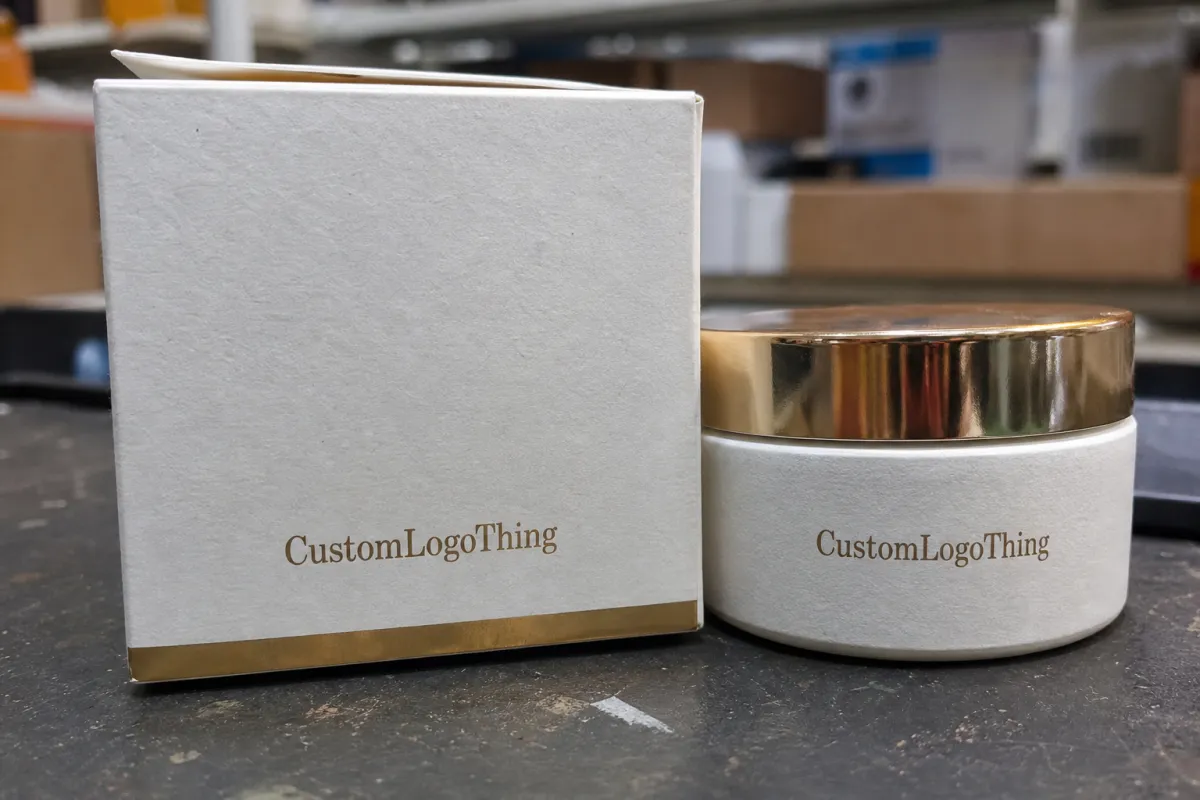
A skincare launch can be polished down to the jar weight, carton coating, pipette color, and formula texture. Then one small textile detail stalls the buying process: the logo patch. Brands looking for a Logo Patches Supplier Quote for skincare brands are usually past casual browsing. They need accurate pricing, realistic samples, and production details before approving a launch, seasonal kit, spa program, or reorder.
That patch may be going on a cotton cosmetic pouch, terry spa headband, robe label, linen wrap, sample kit bag, retail tote, or gift-with-purchase piece. Small part. High visibility. The customer touches it, washes it, photographs it, unboxes it, and may keep the item long after the serum is empty.
Here is the common mistake: treating a patch quote as a unit price only. A serious quote connects the logo artwork, patch construction, backing, attachment method, border, color matching, packing, carton count, freight method, and lead time. If one of those details is vague, the price may look neat on a spreadsheet but unravel during sampling or bulk production.
Practical buyer note: A 2-inch woven patch for a pouch and a 2-inch embroidered patch for a terry robe may look similar in a mockup. They behave differently in washing, stitching, edge control, and final hand feel.
Patches fit skincare branding because they add tactile identity without changing the primary bottle, tube, carton, or insert structure. They can make a reusable pouch feel more finished, help spa staff apparel match a retail line, or give influencer kits a branded textile element durable enough to outlast a single campaign.
A useful Logo Patches Supplier Quote for skincare brands should give purchasing and creative teams the same decision-making facts. Not “premium quality” as decoration. Specs, risks, price drivers, and timing.
Patch Types That Work Best for Skincare Packaging and Apparel
Different patch constructions solve different problems. The right choice depends on the final surface, logo detail, wash expectations, brand style, and unit budget. A minimalist clinical brand does not need the same patch as a spa robe program built around texture and warmth.
| Patch Type | Best Use | Typical Strength | Watch Point |
|---|---|---|---|
| Woven patch | Cosmetic pouches, small labels, clean logo badges | Fine detail and crisp lettering | Less raised texture than embroidery |
| Embroidered patch | Robes, uniforms, totes, spa apparel | Textured, dimensional appearance | Tiny text can fill in if stitch density is too high |
| Printed fabric patch | Gradients, illustrations, watercolor-style artwork | Color blends and detail | Print durability depends on fabric and ink system |
| Faux leather patch | Canvas pouches, apothecary-style packaging, wellness kits | Warm, natural-looking finish | Care and laundering limits need review |
| PVC or silicone patch | Travel pouches, wet-area accessories, modern cosmetic bags | Moisture resistance and molded dimension | Tooling, thickness, and flexibility affect cost |
Woven patches often suit skincare brands with fine linework, small serif type, monograms, or delicate cosmetic marks. The design is made with woven threads rather than raised embroidery stitches, so a compact 1.25-inch or 1.5-inch label can still hold clean detail if the artwork is prepared correctly.
Embroidered patches bring more surface texture. They feel craft-oriented, which can work well on spa robes, staff uniforms, canvas totes, and lifestyle merchandise. The compromise is detail. Very small letters, thin strokes, and tight negative spaces may need to be enlarged or simplified because thread has physical thickness.
Printed fabric patches make sense when the artwork contains gradients, botanical illustrations, shaded icons, soft color transitions, or photographic detail. Thread-based methods are not built for those effects. With printed patches, the fabric choice and ink system matter, especially if the item will be handled often or washed.
Faux leather patches suit apothecary, wellness, minimalist, and natural-positioned skincare brands. They can be debossed, printed, or laser-marked depending on the material. They look strong on canvas, kraft-toned textiles, and heavier pouches, but they are not always the right answer for towels or high-laundering spa textiles.
PVC and silicone patches are useful for water-resistant cosmetic bags, gym-style skincare kits, travel pouches, and accessories that may sit near sinks, showers, or treatment rooms. They offer molded detail, flexible structure, and strong color blocking. Cost can rise at setup because molds or tooling may be required.
Choose by use case first: retail packaging accessory, reusable pouch, staff apparel, spa textile, or promotional kit. Price becomes easier to judge once the application is honest.
Specifications to Prepare Before Requesting a Patch Quote
A clear patch quote starts with clear specifications. The supplier can only price the item in front of them, and patch production has enough variables that guessing usually leads to extra revisions.
Start with size. A 1-inch badge behaves differently from a 3-inch pouch label. On small patches, letters under roughly 4–5 mm tall can become risky depending on construction. Woven patches may carry the detail. Embroidered patches may need bolder type or fewer internal cuts.
Shape matters too. Rectangles, circles, ovals, tabs, crests, and folded labels are usually straightforward. Die-cut logo shapes and irregular outlines may require more careful cutting, tighter border planning, or a different edge finish. A tab label folded over the edge of a pouch follows a different quoting path than a flat badge sewn onto the face of a tote.
Artwork files should be production-friendly. Vector files such as AI, EPS, or editable PDF are preferred because they allow clean scaling, line cleanup, and color separation. A high-resolution PNG or JPG can be reviewed, but it may need redrawing before sampling. That redraw step can affect cost and timing.
For color, use Pantone references if available. Thread, printed ink, PVC, silicone, and faux leather all reflect color differently under retail lighting, photography lights, or spa treatment room lighting. A soft sage green from a carton print may not match thread perfectly, but a supplier can get much closer when standards are defined early.
- Backing options: sew-on, heat-seal, hook-and-loop, pressure-sensitive adhesive, iron-on for certain uses, or no backing for direct stitching.
- Edge options: merrowed border, satin stitch border, laser-cut edge, heat-cut woven edge, molded PVC edge, or raw-style specialty edge where appropriate.
- Application surfaces: cotton pouch, polyester cosmetic bag, terry cloth headband, robe fabric, canvas tote, linen wrap, or synthetic travel case.
Backing choice deserves a sober conversation. Sew-on is often the most dependable option for pouches, towels, robes, and textured fabrics. Heat-seal can work, but the fabric coating, heat tolerance, dwell time, pressure, and patch adhesive must be tested together. Pressure-sensitive adhesive is useful for temporary positioning or light-duty use; it should not be assumed permanent for every retail application.
If a product has sustainability requirements, mention them in the request. Some buyers ask about recycled polyester threads, paper hangtags for patch packaging, or responsible carton sourcing. For broader paper and fiber sourcing references, the Forest Stewardship Council is a useful authority for chain-of-custody concepts, although textile patches still require their own material review.
Cost, MOQ, and Unit Price Factors for Custom Logo Patches
Pricing is shaped by quantity, size, material, artwork complexity, color count, backing type, edge finish, sampling, packing requirements, and delivery method. That is why a Logo Patches Supplier Quote for skincare brands should separate the numbers instead of burying everything inside one loose per-piece price.
MOQ is practical, not mysterious. Lower minimums may be possible for simple woven, embroidered, or printed patches, but unit cost usually improves as quantity rises because setup, digitizing, mold work, proofing, and production preparation are spread over more pieces. A buyer ordering 300 patches for a small spa launch will not see the same per-unit economics as a buyer ordering 5,000 patches for cosmetic pouches.
As a working range, simple woven patches may land around $0.35–$1.20 per piece at moderate quantities, depending on size and backing. Embroidered patches may run from about $0.45–$1.80 per piece for common sizes. PVC or silicone patches can run higher, often $0.80–$2.75 or more per piece, especially if custom molds, multiple color fills, or thicker profiles are required. These are planning ranges, not fixed offers; artwork and shipping can move the number quickly.
Sampling fees are worth examining rather than skipping automatically. A physical sample can reveal thread sheen, molded thickness, stitch density, adhesive behavior, and edge cleanliness better than a screen proof can. That matters when the patch must sit beside existing retail packaging, spa uniforms, gift set components, or brand standards.
| Cost Driver | How It Affects the Quote | Typical Buyer Decision |
|---|---|---|
| Quantity | Higher volume usually lowers unit cost | Ask for launch, reorder, and bulk price breaks |
| Size | Larger patches use more thread, material, or molded compound | Compare 1.5-inch, 2-inch, and 2.5-inch options |
| Artwork detail | Small text, tight borders, and gradients may need extra handling | Simplify or choose woven/printed construction |
| Backing | Heat-seal, hook-and-loop, and adhesive add material and process steps | Match backing to the final fabric and use |
| Freight | Air shipment is faster but more expensive than ocean or economy courier | Share launch dates early to avoid rush freight |
Ask for price breaks at several quantities, such as 500, 1,000, 2,500, and 5,000 pieces. That gives purchasing a real comparison between a cautious launch run and a more efficient replenishment order. Also ask whether setup, sample cost, freight, duties, packing, and rush charges are listed separately.
Transparent quote structure matters more than the lowest first number. A low unit price with unclear freight, vague backing, and no sample terms can become expensive fast.
Process and Timeline from Artwork Review to Finished Patches
The usual process runs in sequence: inquiry review, artwork check, technical recommendation, quotation, proof or sample, approval, bulk production, quality inspection, packing, and shipment. Each stage has a job. Skipping one can create delays later.
Artwork review is where many problems can be prevented. Thin lines, tiny text, low contrast, too many small color zones, or an unsuitable backing choice can be corrected before money is spent on sampling. A 0.3 mm line in a beauty logo may look elegant on a carton and disappear in embroidery.
The proofing stage depends on patch type. A digital proof may show dimensions, Pantone targets, border style, thread colors, backing, and layout. A physical sample confirms texture, thickness, stitch density, molded detail, print clarity, and flexibility. For skincare brands, physical sampling is especially useful when the patch will sit next to premium cosmetic packaging or be included in a retail gift set.
Lead time depends on patch type, order quantity, factory capacity, approval speed, material availability, and shipping method. Simple woven, embroidered, or printed patches often move through sampling and production faster than molded PVC, silicone, specialty faux leather, or complex die-cut shapes. Molded pieces need adequate time for tooling, curing, trimming, and inspection.
Plan separately for attachment. If patches must be sewn onto pouches, robes, headbands, towels, or uniforms after patch production, sewing is a separate operation. It needs its own labor schedule, alignment checks, and quality review. For a 2,000-piece pouch run, attachment time can be just as important as patch production time.
Scheduling tip: Share launch dates, photoshoot dates, retailer delivery windows, and event deadlines in the first inquiry. A supplier can only protect the timeline they can see.
Rush orders may be possible for simple constructions, but there are limits. Faster shipping can compress transit time, yet it does not remove the need for artwork approval, sample review, curing, drying, stitch setup, or inspection. If the quote is tied to an event or retailer window, the deadline belongs in the first email.
Approve samples against the actual product surface whenever possible. A patch may look right in hand but behave differently on soft terry cloth, coated canvas, ribbed fabric, or a curved cosmetic pouch. That small test can prevent a full reorder.
Quality Checks That Protect Skincare Brand Presentation
Quality control matters because the patch often sits beside a carefully designed bottle, carton, jar, or pouch. Loose threads, poor alignment, dull color, odor, edge fraying, or adhesive failure can weaken the brand impression immediately.
Core inspection points should include dimensions, logo accuracy, color consistency, border cleanliness, backing performance, stitch density, surface defects, edge condition, flexibility, odor, carton labeling, and counting accuracy. For patches that will be sewn later, flatness and edge stability matter. For heat-seal patches, adhesive coverage and bond behavior need attention.
Legibility deserves its own check. Small cosmetic logos often include fine serif type, delicate icons, ingredient-inspired graphics, monograms, or tagline text. If the patch is only 1.25 inches wide, the supplier may recommend removing the tagline or increasing the patch size. That is not being difficult. That is physics.
Attachment testing should match the final product. Sew-on patches should tolerate stitching without puckering or distortion. Heat-seal patches should be tested on the final fabric at real temperature, dwell time, and pressure settings. Hook-and-loop patches should be checked for grip strength, alignment, and edge lift. Adhesive-backed patches should be evaluated according to use: temporary positioning, decorative application, or expected long-term wear.
Wash and care performance depends on material, laundering cycle, detergent, heat, drying method, and patch construction. A robe washed after every spa service is a different environment than a pouch that may only be spot cleaned. For transit and handling tests on packaged goods, standards bodies such as ISTA provide useful packaging test frameworks, although patch-specific wash testing still needs to match the actual textile and care conditions.
Shade control is a repeat-order issue buyers sometimes underestimate. Thread lots, ink batches, molded PVC colors, silicone color fills, and faux leather textures can vary. Keep approved samples on file and reference them on reorders. If the first order used a warm ivory thread and the reorder shifts cooler by a visible amount, the difference may show up in ecommerce photography.
Packaging checks are less glamorous but very practical. Count accuracy, bundle labels, clean polybagging, carton protection, and clear item coding help patches arrive ready for a sewing room, fulfillment center, or co-packer. Dust, crushed corners, mixed sizes, or unlabeled cartons waste time on the floor.
How Custom Logo Things Supports Skincare Patch Orders
Custom Logo Things helps buyers turn logo artwork into production-ready branded patches with clear specifications and practical manufacturing guidance. For a skincare team, that support can mean fewer sample revisions, fewer attachment surprises, and a quote that reflects the patch the brand actually intends to order.
The technical work starts with the artwork. The team can review small text, line thickness, color separations, border needs, and construction limits before recommending woven, embroidered, printed, faux leather, PVC, silicone, or heat-transfer style labels. That early review is valuable because a beauty mark that works beautifully on a carton may need adjustment for thread, molded material, or fabric printing.
Custom Logo Things can quote multiple options when a buyer is comparing feel, durability, and budget. For example, a brand may want a woven patch for crisp detail, an embroidered patch for a textured robe program, and a PVC patch for a water-resistant travel pouch. Comparing those options side by side gives purchasing and creative teams a cleaner decision.
Clear documentation is part of the job. A useful quote should write down patch size, shape, colors, backing, edge finish, quantity, proof notes, packing method, shipping details, and sample requirements. If purchasing, creative, operations, and a co-packer are all involved, written specifications reduce confusion.
Use cases can include branded cosmetic pouches, spa apparel, wellness accessories, retail gift sets, influencer kits, uniforms, reusable fabric packaging, and promotional totes. The goal is not vague “premium branding.” The real benefit is fewer surprises in sample approval, better alignment between cost and construction, and a production path that respects the launch schedule.
If your team is reviewing other branded packaging pieces at the same time, the Custom Logo Things case studies can help frame how custom branding decisions affect finished presentation. For pricing on a current patch project, send specs through Contact Us with artwork and deadline details included.
Next Steps to Send a Quote-Ready Patch Request
A quote-ready request does not need to be fancy. It needs to be complete enough for a supplier to make the right technical assumptions and price the right item.
- Logo file, preferably AI, EPS, or editable PDF
- Desired patch size, such as 1.5 inches wide or 50 mm tall
- Estimated quantity and desired price breaks
- Patch type preference, if known
- Target product photos, such as pouch, robe, towel, tote, headband, or gift set
- Final surface material, including coatings if known
- Backing preference: sew-on, heat-seal, hook-and-loop, adhesive, or undecided
- Brand standards, including Pantone colors and minimum logo size rules
- Deadline, delivery location, and any retailer or launch requirements
Photos help more than people expect. A patch for a soft terry headband may need a different edge and backing than a patch for a coated polyester cosmetic pouch. A canvas tote can usually tolerate more structure, while a lightweight satin bag may need a softer, thinner label.
If the brand is undecided, ask for two or three construction options. A woven patch can protect crisp cosmetic detail. An embroidered patch can give spa apparel more texture. A PVC or silicone patch can support a moisture-resistant travel accessory. Those comparisons make a logo patches supplier Quote for Skincare Brands easier to evaluate because the tradeoffs are visible.
Request quantity price breaks and sample timing in the same inquiry. Comparing 500, 1,000, 2,500, and 5,000 pieces can show whether a larger order is worth it after storage space, launch risk, and reorder timing are considered.
One more practical step: assign decision-makers. Artwork approval, purchasing approval, and final application approval may sit with different people. If all three are involved, name them early so proof comments do not conflict or arrive after production has started.
If your brand can provide artwork, quantity, patch size, application surface, and deadline, Custom Logo Things can prepare a clear logo patches supplier quote for skincare brands with the right material, backing, cost structure, and production timeline.
FAQ
What should I send to get a custom logo patch quote for a skincare brand?
Send your logo file, preferred patch size, order quantity, patch type if known, backing choice, product photos, deadline, and shipping destination. If you are unsure about the patch type, describe the final use case, such as cosmetic pouch, spa robe, towel, headband, tote bag, or gift set insert. Pantone colors, brand guidelines, and photos of existing packaging help improve quote accuracy.
What is the best patch material for skincare packaging and spa merchandise?
Woven patches are usually best for small text and clean cosmetic logos. Embroidered patches work well for textured apparel, robes, totes, and lifestyle merchandise. PVC or silicone patches are useful for moisture-resistant cosmetic bags and travel accessories. Printed patches are the better option when artwork includes gradients, soft color transitions, or detailed illustrations.
How does MOQ affect a logo patch supplier quote for beauty brands?
MOQ affects unit cost because setup, artwork preparation, sampling, or tooling costs are spread across the order quantity. Larger runs usually lower the per-piece price, but the best quantity depends on the launch plan, storage space, and reorder schedule. Requesting multiple price breaks lets you compare a smaller launch run against a more economical replenishment order.
Can logo patches be heat-sealed onto cosmetic bags or fabric pouches?
Heat-seal may work on certain fabrics, but the pouch material, coating, heat tolerance, and patch backing must be tested first. Sew-on attachment is often more reliable for textured, coated, or uneven surfaces. For premium retail items, testing the patch on the actual pouch material is strongly recommended before bulk production.
How long does production take after approving a skincare brand patch sample?
Lead time depends on patch type, quantity, material availability, approval speed, and shipping method. Simple woven, embroidered, or printed patches may move faster than molded PVC, silicone, or specialty-material patches. If patches need to be sewn onto finished goods, allow additional time for the attachment step after patch production.


