Repeat cap orders look straightforward on paper. They are not. The second run is where a crown comes back a little taller than expected, the bill feels less rigid, or the thread shade lands close enough to pass in a spreadsheet and wrong enough to stand out on a merch table. A disciplined event merch Flat Bill Snapbacks reorder plan keeps those shifts from creeping into a program that already proved it can sell.
That matters because event hats do more than one job. The same flat bill snapback might be worn by staff, given to sponsors, sold at retail, and pulled into a photo wall all in the same week. If one batch looks slightly off, the inconsistency travels fast. Buyers feel it in the fit, customers see it in the shape, and procurement sees it in the margin.
The smartest reorder strategy treats the second purchase as a controlled repeat, not a fresh design brief. Save the approved spec. Record the packaging. Set a reorder trigger before inventory gets thin. That sounds plain, but the plain approach is usually the one that protects the budget, the timeline, and the look of the final product.
Why repeat cap orders break when the first run sold well
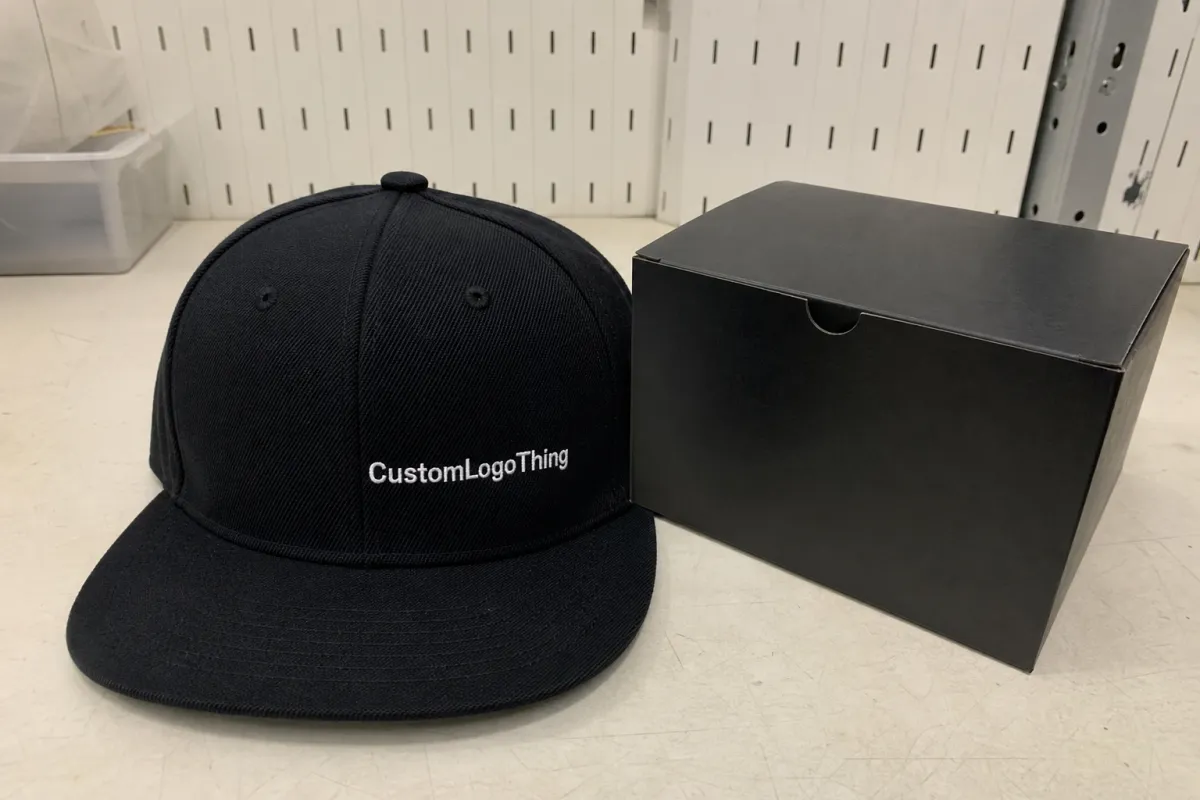
Most repeat cap problems start with memory. One person remembers the body as "mid-profile," another remembers the front as "firm," and a third assumes the logo can be shifted a bit because the first sample looked fine. None of that helps when the production team has to rebuild the order from fragments rather than a master record.
Flat Bill Snapbacks are especially sensitive to small changes. A six-panel structured crown does not behave like a soft-front blank, even if the surface color is close. Change the buckram, the visor board, or the crown height, and the same logo can read flatter, wider, or more elevated than it did on the previous run. The artwork file may be identical. The final hat will not be.
Event programs add another layer of pressure. A venue or brand may need the same cap for floor staff, volunteers, sponsors, and resale. That makes color stability and fit consistency more than cosmetic concerns. It also means a vendor cannot solve a shortage by swapping in a "similar" body without affecting the entire presentation.
Timing is the other failure point. Buyers often reorder after the last box is already open, which turns a normal production run into a rush job. Rush orders narrow the field of blanks, increase freight costs, and leave less room to catch errors before shipment. A reorder should happen while there is still breathing room, not after the schedule has started making decisions for you.
Save the approved cap spec the same way you save artwork: dated, versioned, and easy to pull without searching through old email.
That one habit is worth more than a last-minute price negotiation. It keeps repeat orders stable, cuts down on redesign-by-accident, and makes it easier to compare quotes against the same baseline instead of a moving target.
event merch flat bill snapbacks reorder plan: lock the repeat order spec
A useful event merch Flat Bill Snapbacks reorder plan starts with a master spec sheet. Not a loose note. Not a screenshot buried in a thread. A single record should define the exact cap body, panel count, crown height, visor style, closure type, color, decoration position, and approved artwork version. If the first order was a structured six-panel snapback with a plastic closure and a gray underbill, write that down exactly.
Reference files matter just as much as the words. Keep the final proof, the PMS callouts, the invoice or PO, and at least one dated photo of the approved cap. If the logo sat 1.25 inches above the visor seam on the first production run, that measurement belongs in the file. Small details like that are the difference between a true reorder and a close guess.
The most stable buyers do not rely on shorthand. They note the decoration method too. Embroidery, woven patch, PVC patch, and printed patch all bring different production risks, even when the logo art looks the same on screen. A merrowed edge and a laser-cut edge may be visually close in a proof, but they do not behave the same in quantity.
There are a few cap decisions that usually control most of the consistency risk:
- Body style: six-panel structured snapback, five-panel rope cap, or another approved blank family.
- Front support: firm buckram for a cleaner embroidered read, or softer construction for a more relaxed fit.
- Bill finish: flat visor, slightly pre-curved visor, and whether the underbill matches or contrasts.
- Closure: plastic snapback, strap, or fitted construction if size control matters.
- Decoration placement: center front, side panel, back, or a combination that was already approved.
Once those items are locked, the reorder becomes a documentation exercise rather than a new design discussion. That is where a trigger point helps. Many teams do better with a reorder at 20 to 30 percent remaining inventory than with a "wait until we need it" approach. The buffer gives time to confirm stock, proof the repeat order, and schedule production before the event calendar forces a premium.
It also helps to decide ahead of time what happens if the original blank body goes out of stock. Is a substitute acceptable? If so, which details can move and which cannot? If the answer is no, then the order should pause rather than drift into a different cap family. Deciding that after the shortage is rarely a good business decision.
The cleanest reorder is not more creative. It is more exact.
Specifications that keep flat bill snapbacks consistent across runs
Consistency starts with the blank. A flat bill snapback can look nearly identical across vendors and still feel different on the head. Fabric blend, crown height, visor stiffness, sweatband finish, and closure hardware all shape the result. A polyester-acrylic blend usually holds structure better than a softer cotton-twill build, which can be fine for casual promo use but less reliable for a crisp retail display.
The front panel is doing more work than most buyers realize. A firm front helps embroidery sit cleanly and evenly. A softer front allows a more relaxed drape, but it also makes run-to-run variation easier to spot. If the first order used a structured front, the reorder should match that construction unless the goal is to change the way the logo reads.
Thread and stitch detail should be pinned down in the same way. Thread colors need a reference point, whether that is a PMS target, a prior approved sample, or a thread brand equivalent. Stitch count matters more than many quote sheets suggest. Lower stitch counts can reduce cost, but they can also flatten detail in a logo that depended on density to read properly from a few feet away.
Patch programs deserve extra attention. A patch can preserve detail on complex artwork, but the attachment method changes the appearance of the cap. Heat-seal, sew-on, and adhesive-backed options do not wear the same way. A buyer who only compares the mockup can miss the difference between a patch that looks good in a proof and one that survives a week of repeated handling at an event.
Packaging affects the experience too. Bulk-packed caps arrive differently than individually bagged caps, and that matters if the hats are being distributed at a check-in desk or placed on retail shelves. Carton size, internal packing density, banding, and polybags all influence how quickly a team can issue the order on site. The packaging choice should match the use case, not default to whatever the supplier normally ships.
For buyers who test shipment durability, standards from ISTA are a practical reference point. They do not tell you how your logo should look, but they do help frame how cartons should survive transport. If a brand is asking for FSC-certified corrugate, that is a usable packaging requirement too, not a decorative extra. The FSC framework is one way to document that choice.
Pricing, MOQ, and quote factors buyers should compare
Flat bill snapback pricing is pulled by several forces at once. Blank quality, stitch complexity, patch type, thread count, setup work, and whether the body is stock or special-order all affect the quote. Buyers who compare only the lowest unit price often miss the reason it is lower. The cap may be thinner, the decoration may be simpler, or the repeatability may be weaker.
MOQ can be the real negotiation point. Smaller orders often cost more per unit because setup is spread over fewer hats. Larger orders usually improve unit economics, but they also raise the risk of overbuying if the event forecast is wrong. The right number sits somewhere between the obvious discount and the warehouse problem. That balance is different for a one-night activation than for a season-long merch program.
For planning, it helps to compare a few common order types side by side:
| Order Type | Typical Use | Planning Price Range | Lead Time Notes |
|---|---|---|---|
| Standard reorder from approved spec | Same cap, same decoration, same blank body | $6.50-$11.50 per unit at common volumes | Often fastest if the blank is in stock and the art is unchanged |
| First production run | New design or first-time cap program | $7.50-$13.50 per unit, depending on decoration complexity | Usually includes proofing, file prep, and more back-and-forth |
| Rush reorder | Deadline is near and stock is low | $9.50-$15.50 per unit, plus freight or rush fees | Often limited by blank availability, queue position, and transport speed |
| Custom-dyed or special-body order | Color matching or premium retail positioning | Varies widely; premium over stock bodies is common | Longer timelines due to sourcing or dye commitments |
Those figures are planning ranges, not promises. A 144-piece embroidery run and a 1,000-piece patch program can land very differently even if both are described as "Flat Bill Snapbacks." Volume matters. So does the complexity of the decoration. A one-color center-front stitch is not in the same cost lane as multiple placements or specialty packaging.
Quote comparison should include setup items that hide in the margin. Digitizing, proof revisions, split shipments, carton upgrades, and retail-ready packaging can change the true cost of the order. A $65 digitizing charge may disappear on a larger reorder, but a rush proof or a stock substitution can move the total far more than the embroidery itself.
Ask for tiered pricing at the quantities you actually buy. If the current order is 250 units and the next event may need 500, compare both numbers in one quote. The step-up often reveals whether a slightly larger purchase gives you enough savings to justify carrying a little extra inventory through the season.
Process and turnaround: what happens after the reorder is approved
Once the reorder is approved, the process should move in a known sequence. Quote confirmation comes first, then artwork verification, then blank allocation, decoration, inspection, and shipment. A supplier with the prior order on file should move faster than a first-time job, but turnaround still depends on actual stock and production capacity. Fabric does not bend to optimism.
That is why milestone dates matter. Buyers should ask for proof delivery, proof approval, production start, inspection window, and ship date. If the hats are tied to a launch, a concert series, or a volunteer program, each of those dates should be visible before the order is placed. A realistic schedule beats an upbeat guess every time.
Reorders are quicker when the vendor already has the prior spec, but speed disappears if the order changes in any meaningful way. A different blank body, a new decoration position, a packaging change, or a revised color reference can all reset the clock. Even a small change can force a new proof cycle if the original record was not complete.
One practical caution: cartons often travel farther than buyers expect. If the caps are headed to a venue, warehouse, or retail location that uses multiple handoffs, build in a cushion. A supplier that references shipping tests or carton handling standards is usually thinking beyond decoration and into damage control, which is exactly where repeat event merch can fail.
The fastest reorder quote usually includes the previous PO or invoice, approved artwork, cap color, decoration position, quantity, and delivery deadline. If the next run must match the previous one exactly, say that plainly. That phrase removes a lot of guesswork and keeps the discussion focused on whether the supplier can repeat the order without substitution.
The point of the process is not just to ship hats on time. It is to ship the same hat, with the same look and the same carton count, before the event calendar forces a compromise.
What to look for in a cap partner when repeat orders matter
Repeatability should be the first filter. A strong supplier can pull old art files, reference the original production record, and confirm whether the same blank body, thread setup, and decoration placement can be repeated without interpretation. If the order has to be rebuilt from scratch every time, the risk belongs to the buyer, not the machine.
Communication quality is measurable too. Fast replies matter, but clarity matters more. The better partners flag problems early. They tell you when a body is discontinued. They say when a color is close but not exact. They explain the tradeoff between "similar" and "same" instead of hiding it inside a generic approval email.
Inventory visibility is another tell. Suppliers with real blank stock access can reduce delays and avoid surprise substitutions. If a body must be sourced after the order is placed, lead time becomes more fragile. That is acceptable for a one-off special project. It is much less useful for recurring event merch where timing and consistency carry more weight than novelty.
Quality control should be visible before shipment, not just promised after the fact. Look for checks on stitch placement, logo alignment, panel consistency, and carton packing. A serious vendor can usually tell you where inspection happens and what gets checked. A polished sample is not proof of a stable bulk run.
There is also a commercial test: do they respect the reorder logic? Good partners understand that the second purchase is usually a request to reproduce the winning item, not an invitation to improve it into something else. If the first run sold well, the buyer typically wants the same cap again, not a "better" one that changes the formula.
The cheapest quote becomes expensive the moment it cannot reproduce the same cap cleanly, quickly, and in the same carton count.
That is the difference between a vendor and a repeat-production partner. For recurring programs, that distinction matters more than a small swing in the unit price.
Next reorder actions to keep the event calendar covered
Before the current stock disappears, gather the approved spec sheet, artwork file, PMS references, invoice or PO, and a dated product photo in one place. Add the production notes and delivery confirmation too. If the supplier changes later, that file becomes the cleanest defense against a substitute run that does not match the original.
Then set the reorder point using usage, not guesswork. If a venue burns through 40 caps per activation, a trigger at 60 or 80 units is safer than waiting until the last carton is already open. Inventory planning works best when it follows the event calendar instead of reacting to it.
A short control list keeps the next order honest:
- Confirm quantity against the next activation or retail drop.
- Match the same blank body unless a substitution is approved in writing.
- Review proof placement against the prior run before production starts.
- Check freight timing against the event date, not the day the PO was sent.
- Reconfirm packaging if the caps are going straight to booth staff or retail shelves.
For recurring festivals, seasonal campaigns, and sponsorship programs, the best move is to line up the next purchase before the current one is fully consumed. That does not just reduce emergency buying. It gives the team time to compare options while staying inside the original spec and without paying for a rush that could have been avoided.
The reason an event merch flat bill snapbacks reorder plan works is simple: it protects the look, the budget, and the delivery window at the same time. It keeps the second run from becoming a design rewrite. More than that, it keeps every event on the same visual footing, which is what repeat merch is supposed to do.
How early should I reorder event merch flat bill snapbacks before an event?
Reorder when inventory reaches the trigger point, not after the last carton is gone. Build in time for proofing, production, inspection, and freight so the order is not forced into a rush lane or a blank substitution.
What MOQ is typical for flat bill snapbacks with embroidery?
MOQ depends on the decoration method, blank availability, and whether the cap is stocked or special-sourced. The useful comparison is not just the minimum order, but how the unit price shifts at the quantities you actually buy across the season.
Can a reorder match the first snapback run exactly?
Yes, if the original spec sheet, artwork, color references, and blank style are preserved. The biggest risk is a silent substitute, so confirm the body, stitch setup, and decoration location before production starts.
Which decoration method is best for repeat event merch orders?
Embroidery is often the easiest to repeat cleanly, while patches can help preserve detail on more complex logos. The best method is the one your supplier can reproduce consistently across multiple runs, not only the one that looks strongest in a sample.
What should I send for the fastest reorder quote?
Send the previous PO or invoice, approved artwork, cap color, decoration placement, quantity, and the delivery deadline. If the order must match the prior run exactly, say that in the first note so the quote is built around the correct spec from the start.


