Event Merch Trucker Caps reorder Plan for Bulk Buyers starts with one rule: keep the exact product spec ahead of the price discussion. The second run should match the first in shape, fit, and decoration because the first batch already proved the cap worked. If the crown changes, the mesh feels different, or the logo shifts even a little, buyers notice and so do attendees.
A reorder is not just “same thing again.” It is a repeat production job with specific variables: panel count, closure, blank supplier, decoration method, and logo placement. Those details are easy to miss the first time and expensive to ignore the second time. For buyers comparing quotes, the real question is whether the replacement will look and wear like the original, not whether it is close enough in a spreadsheet.
Why these caps disappear faster than tees
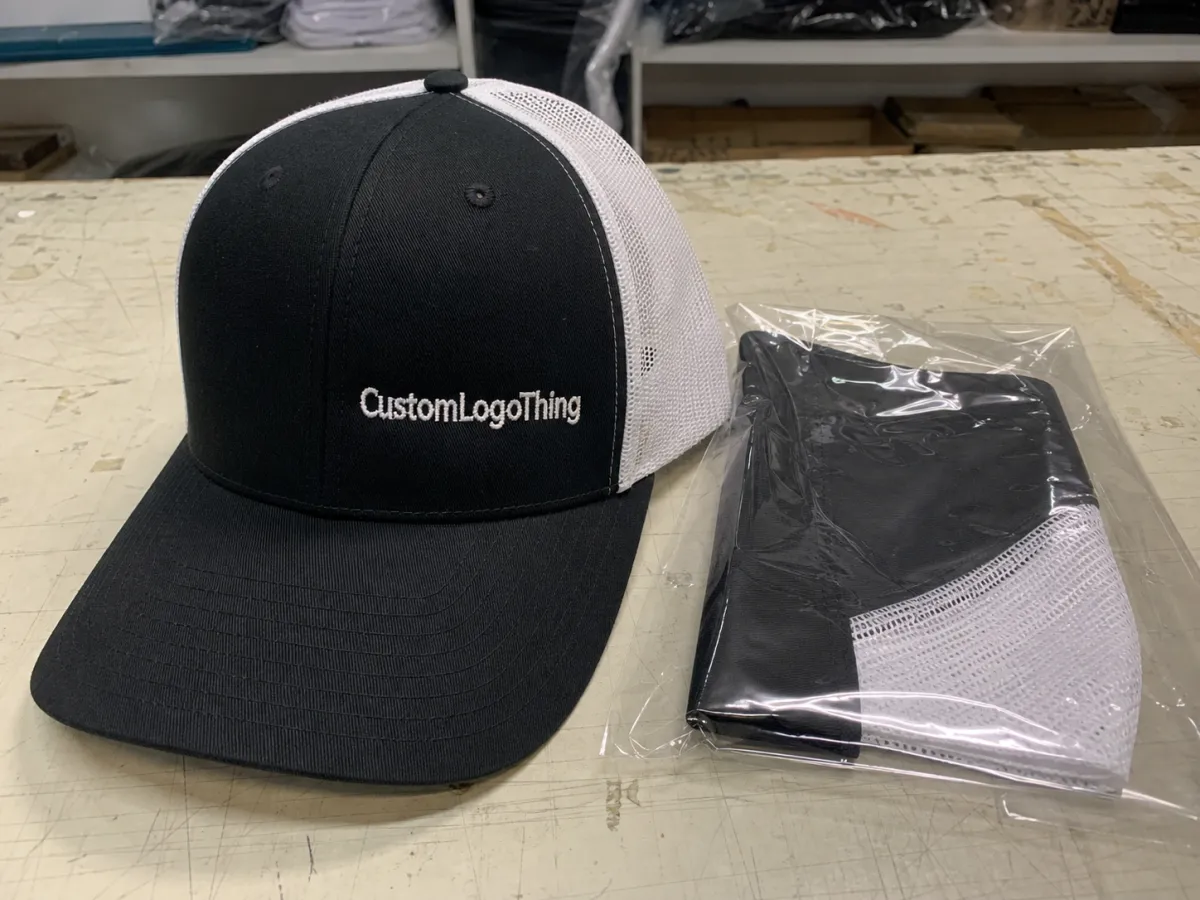
Trucker caps move quickly in event merch because they solve two problems at once. They shade the face and they put a logo in motion. That makes them useful at outdoor activations, sponsor tables, and multi-day events where staff and attendees want something they can wear immediately.
Fit is a big reason they sell through. Adjustable headwear avoids a size run, which keeps distribution simple and reduces hesitation at the table. One cap style can cover a wide range of heads, so the team does not get stuck sorting by size or handling exchanges.
They also read well in photos. A structured front panel keeps the logo visible, while a breathable mesh back makes the cap comfortable enough to keep on after the event. If the style feels wearable outside the booth, it usually leaves the merch table faster.
The risk is assuming the cap is “just a cap.” A 6-panel mid-profile with a pre-curved brim does not behave like a 5-panel foam-front or a low-profile style. The same logo can look correct on one blank and off on another. For repeat programs, the product spec matters as much as the artwork.
- On-site wear: caps go on heads right away, turning merch into moving signage.
- Photo visibility: the front panel stays in frame more often than sleeves or hems.
- Low fit friction: adjustable closures reduce distribution delays.
- Holdover value: a comfortable cap gets worn after the event, extending brand exposure.
Which event details to confirm before you reorder
Before you approve a repeat order, gather the facts that tend to disappear into email threads. The original PO number helps, but it is not enough by itself. You also need the event name, delivery date, decoration method, colorway, and the exact cap style that was approved the first time.
Check what changed since the last run. Common issues are new sponsor logos, updated brand colors, or a blank cap that is no longer available. A reorder built on assumptions can still look “close,” but that is how teams end up with near-matches that fail once they are stacked beside the first batch.
Construction details matter because small changes alter the way the cap wears. A foam-front cap handles bold printed graphics well, but it will not feel like a structured 6-panel with embroidery. A low-profile cap sits closer to the head and changes the silhouette enough to matter if the original style was part of the appeal.
Keep one simple record that contains the essentials:
- original invoice or PO number
- approved artwork and placement notes
- cap brand, panel count, crown profile, and closure style
- blank color reference and decoration color reference
- shipping address, event deadline, and receiving contact
If more than one person approves merch, assign one person to own the final spec. Otherwise the team starts debating whether the cap is “basically the same” under bad office lighting, which is not a reliable quality standard.
Fit, materials, and decoration specs that keep the second run consistent
A repeat cap order should be built from a spec sheet that leaves little room for interpretation. The minimum useful details are panel count, mesh type, crown height, brim curve, closure, and decoration method. If those are not fixed, the second run becomes a guess with a purchase order attached.
Panel count matters more than many buyers expect. A 5-panel front gives artwork a different field than a 6-panel cap. Crown height changes the silhouette. Brim curve changes the whole profile. Even the sweatband can affect comfort on long event days when staff wear the same cap for eight or ten hours.
Material choice also changes the result. Standard polyester mesh is common because it is light and affordable, while premium mesh feels denser and holds shape better. Cotton twill or brushed cotton front panels can look more polished, but they may cost more and react differently to embroidery. Foam-front caps are useful for retro branding and oversized print areas, though they can dent more easily in transit.
Decoration method should match the cap style. Embroidery works well for classic brand marks, but stitch count needs to stay controlled. If the stitch density changes too much, logos can thicken or lose legibility at small sizes. Woven patches handle fine detail more cleanly than heavy stitching. Printed patches can work on foam-front styles, but the ink finish and substrate need to stay stable across runs.
Quality control should be practical. Ask for thread color confirmation, patch sample photos, and a pre-production proof that shows placement at actual size. If the logo sits a few millimeters too low or too wide, the cap can start to look off-center once it is worn. That kind of defect is easy to miss in a flat mockup and hard to ignore on a head.
What to lock before production
Approve the cap style first, then the decoration size, then the stitch or patch placement. That order prevents a common mistake: designing around a cap that is no longer available. If the blank changes after the art is approved, the logo can suddenly feel too small, too large, or awkwardly placed.
- Panel count: 5-panel and 6-panel constructions frame artwork differently.
- Mesh type: standard, soft, and premium mesh affect breathability and structure.
- Closure style: snapback, strap, and Velcro change fit, price, and finish.
- Brim curve: flat, pre-curved, and lightly curved brims create different silhouettes.
- Decoration area: front-only, side hit, and back hit placements affect setup and repeatability.
The aim is not a museum copy. The aim is a second batch that looks deliberate beside the first and performs the same way in the field.
| Decoration option | Typical impact on unit cost | Best use | Main risk on a reorder |
|---|---|---|---|
| One-color embroidery | Low to moderate | Staff kits, clean logos, simple giveaways | Stitch density or placement can drift if the spec is not locked |
| Woven patch | Moderate | Fine detail, small text, sharper edges | Patch size and thread matching must stay consistent |
| Printed patch or screen print | Low on simple art, higher with layered color | Foam-front styles, sponsor drops, short lead times | Blank surface and ink finish can vary between batches |
| Sewn label or PVC patch | Moderate to high | Retail-style merch, premium sponsor packages | Extra approval time and tooling changes if the patch is revised |
Cost, pricing, and MOQ: what changes the quote
Pricing on a repeat trucker cap order comes down to a few concrete levers: blank availability, decoration method, quantity, and timing. If the blank is in stock and the decoration is straightforward, the quote usually stays predictable. If the order needs multiple placements, special packaging, or a rush schedule, the number moves up because setup and production risk are higher.
MOQ can be misleading. A smaller run is easier to approve, but the unit price often rises because setup costs are spread across fewer caps. Digitizing, patch tooling, packing, and freight all weigh more heavily on a short run. For a small top-up that can be fine; for a broader restock, it may be inefficient.
For planning purposes, standard trucker caps with common decoration methods often fall into these ranges before freight:
| Order size | Typical unit range before freight | What usually happens | Buyer takeaway |
|---|---|---|---|
| 100-250 caps | $5.50-$10.50 each | Higher setup share, fewer caps to spread costs across | Useful for a small refill or VIP allocation |
| 500-1,000 caps | $3.25-$6.75 each | Better balance of pricing and inventory risk | Often the practical range for event merch programs |
| 2,500+ caps | $2.40-$4.90 each | Lower unit cost if the blank stays available | Good for tours, broad distribution, or multi-stop activations |
Other charges can matter more than buyers expect. Digitizing may run $35-$85. Patch tooling can add $60-$180 depending on complexity. Polybagging, sizing stickers, or folded inserts can add $0.15-$0.45 per unit. Freight should be quoted separately, and multi-location shipping should be quoted by destination so the budget is clear.
A line-item quote is more useful than a single total because it shows where the money is going. If one supplier is cheaper on the blank but expensive on decoration or freight, the real cost can end up higher than it first appears.
Process, timeline, and turnaround from proof to delivery
A well-run reorder follows a predictable path: confirm the spec, approve the proof, lock the quantity, produce the order, and ship. If a supplier cannot explain those steps clearly, the process is probably too loose for a deadline-driven event.
Proofing is usually where time slips first. If the cap style is unchanged and the artwork is already approved, the proof can move quickly. If sponsor names changed, the blank shifted, or the decoration size needs review, the turnaround stretches. That is normal; what is not normal is discovering those changes after production should already be underway.
For planning, in-stock blanks with simple decoration often ship within 7-12 business days after proof approval. More detailed patch work, heavier embroidery, or special packaging can push that to 12-18 business days. Rush service may be possible, but only if the blank is available, the art is final, and the freight lane is workable.
Packing also deserves attention. Caps are not fragile, but they can lose shape if cartons are weak or overfilled. A crushed brim or flattened crown is a common complaint when packing is careless. If the order is traveling through multiple stops, ask how cartons are stacked, whether inserts are used, and how the hats are protected inside the box. That matters more for foam-front styles and structured crowns than many buyers expect.
If packaging is part of the brief, ask for board or inserts that meet FSC-certified sourcing where possible. That keeps procurement questions simpler and avoids extra debate later. For transit-heavy programs, using a handling reference such as ISTA is useful when cartons will be bumped, stacked, or reopened during an event tour.
Why repeat buyers stick with an event merch trucker caps reorder plan
Repeat buyers care less about novelty than about whether the next order behaves like the last one. A tidy reorder system saves time and reduces avoidable errors: one spec sheet, one approved art file, one order history, one receiving contact.
A cap reorder becomes much easier once the spec stops living in someone’s inbox and starts living in one agreed document.
Quality control matters because small changes pile up. Batch-to-batch color drift, slight crown changes, and inconsistent patch placement are the kinds of problems that become obvious when multiple activations are using the same headwear. The supplier does not need to be perfect, but it does need to be consistent and transparent about substitutions.
Good reorder discipline also protects the budget in quiet ways. Fewer revisions mean fewer delays. Fewer late changes mean fewer rush fees. Fewer surprises mean fewer rejected cartons on arrival. Even if the unit price is not the lowest, the total cost of execution can still be better because the process is cleaner.
Practical buyers keep the records that matter: the blank brand, the cap style, the closure, the imprint size, the art version, and the pack-out method. They also keep notes on what worked. If a soft mesh felt flimsy, that stays in the record. If a pre-curved brim wore better for staff, that stays too. The next order is better because the last one was documented honestly.
Next steps to lock the replenishment order
For a clean refill, move in a strict order: pull the last PO, locate the approved artwork, confirm the cap style, and decide the quantity range. Then add the delivery date. Starting with a budget number and working backward is how most reorder mistakes happen.
A useful quote request should include:
- Previous order or invoice number
- Approved logo file and decoration method
- Cap style, color, and closure type
- Quantity target and acceptable MOQ range
- Delivery ZIP or event location
- Packaging needs, if any
If anything changed since the first run, say so up front. New sponsors, new brand colors, or a different delivery window all affect the quote and the timeline. Hidden changes usually reappear during proofing, which is the most expensive place to discover them.
Bottom line: a disciplined event merch trucker Caps Reorder Plan protects fit, finish, and timing so the second batch matches the first for the right reasons. Send the prior spec, the quantity target, and the deadline together, and the process gets cleaner immediately.
How far ahead should I start an event merch trucker caps reorder?
Start as soon as the final quantity is known. Even a repeat run can slow down on stock checks, proof approval, and freight scheduling. If the caps are tied to a fixed event date, build in extra time for decoration and any artwork corrections. The fastest path is to reuse the last approved spec sheet and keep the style unchanged.
Can you match the same cap style on a reorder if the first batch sold out?
Usually, yes, if the original style is still available or a verified equivalent can be confirmed from the old order record. The main risk is blank inventory changing between runs, which can affect crown shape, mesh texture, and closure style. Photos plus the original PO help avoid a near-match that looks fine on paper and wrong in the rack.
What affects the unit cost on a trucker cap reorder?
Quantity, decoration method, and blank cap availability are the biggest drivers. Rush timing, extra placements, and special packaging can raise the price even on a repeat order. A line-item quote is better than a single number because it shows where the money actually goes.
What is the MOQ for a repeat event merch cap order?
MOQ depends on the blank style and decoration method, so there is no honest one-size answer. Smaller top-up orders are possible, but they usually cost more per cap than a larger restock run. If budget is tight, ask for two quote options: the minimum viable reorder and the better unit-price volume.
What do you need from me to start the reorder quickly?
Send the previous order number, cap photo if available, logo file, quantity target, and event delivery date. If anything changed, flag it early: new sponsor logos, different color needs, or a revised budget. The more exact the inputs, the faster the proof and pricing come back.


