A fitness Unstructured Dad Hats reorder plan works best when the buyer treats the cap as a repeatable product with locked specs, not as a fresh creative request. The style looks simple, but a reorder can still stall on fabric, crown shape, closure, embroidery file, carton pack, or shipping terms if those details are not written down clearly.
The goal is consistency: keep the approved fit, keep the decoration where it worked, and change only what affects the next buy. When the factory has the prior approval sample, the old PO, and the current artwork together, it can quote and schedule a repeat run with fewer questions and fewer surprises.
Why fitness unstructured dad hats reorders move faster
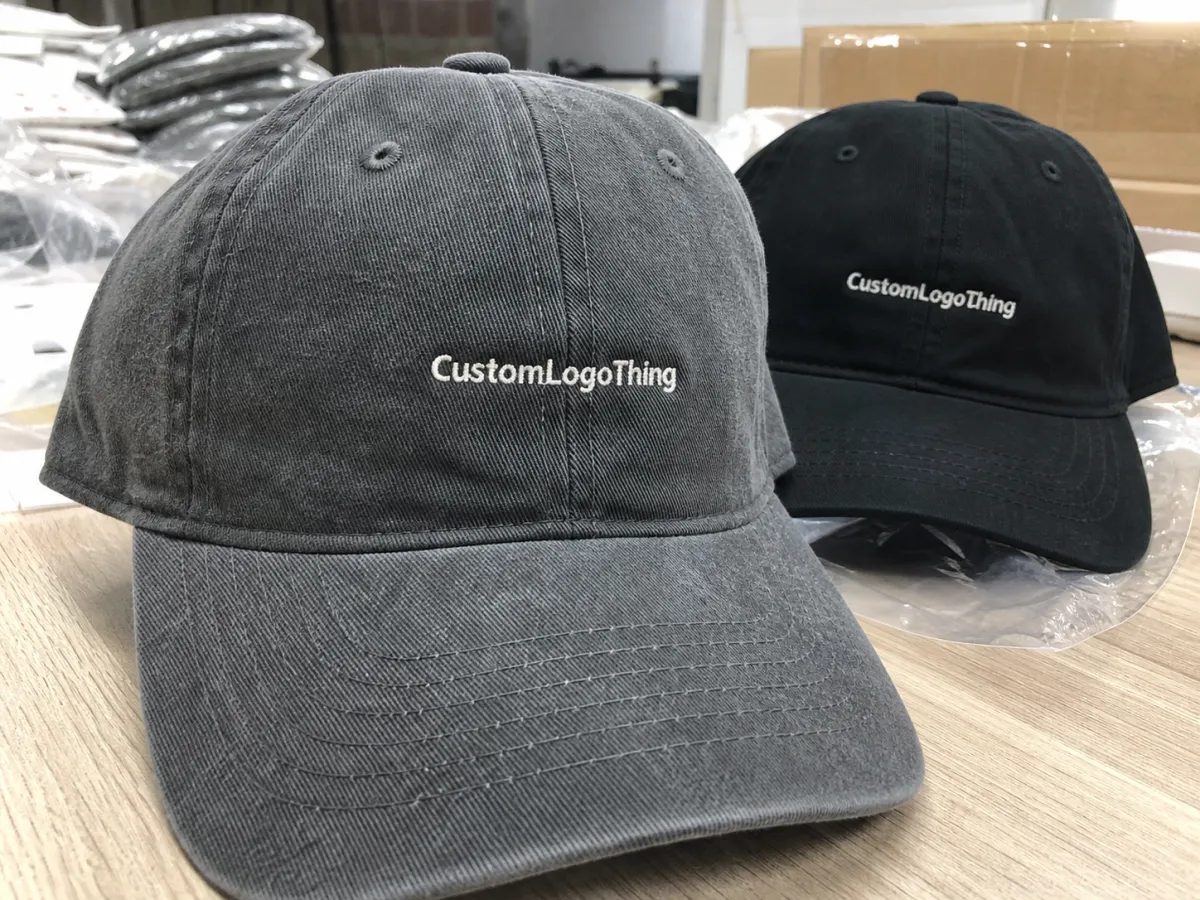
Repeat orders move faster because the hard decisions already happened. The crown shape, bill curve, logo size, and placement were approved on the first run, so the supplier should be able to use that approval as the baseline instead of reopening the design process.
The speed advantage disappears when a small change is left vague. A logo shifted a few millimeters, a different stitch density, or a new front-panel fabric can force a new proof cycle. On an unstructured cap, those changes show up more clearly because the soft crown does not hide them the way a structured cap might.
The cleanest way to avoid delay is to send the last approved sample, the previous purchase order, and the production art together. Those three items give the factory one source of truth and reduce back-and-forth about what should stay the same.
“A repeat order only stays repeatable if the last approval is still the source of truth.”
That rule matters more than polished email wording. If the buyer can state what must remain fixed and what is changing, the supplier can quote accurately, reserve production time, and avoid treat-it-like-a-new-project confusion.
Construction choices that keep the fit consistent
An unstructured dad hat has a soft front panel and a low-profile, relaxed shape. It does not stand on its own, which is why the style reads as easygoing and worn-in. For fitness brands, gyms, wellness campaigns, and event merch, that casual profile usually works better than a stiff structured cap.
Consistency depends on construction details. Cotton twill, chino, brushed cotton, and garment-washed finishes all age differently and feel different in hand. A brushed finish can look smoother; garment washing usually creates a softer, more broken-in appearance. If the first order used one fabric treatment and the reorder uses another, the hats may still be acceptable on paper but look mismatched next to the original run.
That risk is bigger in dark colors like black, navy, olive, and stone, where dye-lot changes can be subtle in factory lighting and obvious in retail or outdoor light. A physical approval sample is more reliable than a product photo when the buyer needs the second shipment to match the first.
Closure choice matters too. A self-fabric strap with a metal buckle is usually the easiest to repeat and keeps the classic dad-hat look. Hook-and-loop is practical, but the tape can vary by component source. Plastic snaps are less common for this style and change the visual balance of the cap.
- 6-panel, low-profile crown: the standard layout for an unstructured dad hat.
- Self-fabric strap and metal buckle: the most repeatable closure for reorder work.
- Pre-curved bill: should match the prior approval, not assumed from the first run.
- Sweatband material: cotton, poly-cotton, or terry changes comfort and cost.
- Seam placement: affects logo position and how the crown breaks when worn.
Those details sound small until they move. Then they become the difference between a reorder that looks exact and one that feels close but not quite right.
Decoration specs buyers should lock before production
Decoration is where repeat orders stay clean or drift. For fitness caps, embroidery is still the most common option because it wears well, reads clearly on soft crowns, and is easy to repeat when the file is handled properly. Woven patches, rubber patches, woven labels, and occasional print can work too, but they need clearer setup notes.
The logo file alone is not enough. A reorder should include stitch count, thread colors, artwork width, and exact placement from the bill seam. If the original cap placed the logo 45 mm above the seam and 60 mm wide, those measurements should be listed on the new spec sheet. Otherwise the logo can creep too high, sit too low, or look off-center on the relaxed front panel.
Soft crowns also change how dense embroidery behaves. Fill-heavy artwork can pucker the front panel or feel heavy once the cap is worn. Large logos are the biggest risk when the front panel is thin or the stitch density is too high for the material. A design that looks fine flat on a table can still feel wrong on-head.
Color control needs the same discipline. Pantone references help, but prior production swatches are more reliable if the buyer wants the repeat order to match the original exactly. If the reorder moves to a different embroidery house or thread lot, ask for a thread-card check against the earlier approval before bulk production starts.
Packaging also belongs in the spec set, even if it is easy to overlook. Hangtags, inserts, stickers, polybags, and carton labels affect how the program arrives and is received. If sustainability matters, paper stock and certification should be set early; FSC-certified paper is a useful benchmark for printed components. See the standard at FSC.
What to lock before the next PO
Keep the previous art file, production approval, sample photo, and closure spec in one folder. Add carton pack and shipping label format if the order goes to retail or distribution. Without those items, the reorder stops being a true repeat and turns into a smaller development job.
Pricing, MOQ, and unit cost for reorder planning
Pricing a reorder is usually easier than pricing a first run, but it still depends on the exact baseline. A stable fitness Unstructured Dad Hats reorder plan assumes the same cap style, decoration method, packaging, freight terms, and delivery window. Any change in that chain can shift the cost.
MOQ affects more than total spend. It changes how much fixed overhead is spread across each cap. Digitizing, patch tooling, sample handling, and admin time do not disappear just because the order is smaller, so a 150-piece order will usually carry a higher per-unit cost than a 500-piece reorder.
| Order profile | Typical unit cost | Common setup items | Best fit |
|---|---|---|---|
| 200-300 pcs, 1-color embroidery | $4.25-$6.50 | Digitizing, thread match, standard pack | Small team drops and pilot launches |
| 500-1,000 pcs, 1-2 color embroidery | $3.10-$4.90 | Repeat stitch file, carton labeling, bulk packing | Core replenishment and retail restocks |
| 1,000+ pcs, patch or embroidery mix | $2.80-$4.40 | Patch tooling or embellishment coordination | Distributor programs and seasonal programs |
| Rush reorder with revised artwork | +10% to +25% | Artwork revisions, priority scheduling, expedited freight | Short-stock recovery |
Those figures are directional, not universal. A garment-washed cap with a brass buckle and dense embroidery will not price the same as a simple twill hat with a small one-color mark. The table is still useful because it gives buyers a practical way to compare quotes on the same basis.
Hidden costs usually sit outside the factory line item. Rush freight, split shipments, replacement samples, revised carton specs, and artwork changes can move the landed cost quickly. If the launch date is fixed, ask for landed cost early instead of focusing only on the cap price.
For recurring programs, separate exact repeats from revised versions. A cap that matches the last run should not be priced against one that changes fabric, decoration, or packaging. Mixing those requests in one quote hides the real cost drivers.
Process and lead time for a clean repeat order
The fastest reorder path is to manage the cap like a controlled repeat, not a fresh concept. A clean process usually moves through five checkpoints: spec confirmation, quote approval, artwork check, production release, and inspection before packing. When those steps are ready before the PO arrives, the factory can schedule without waiting for clarification.
- Confirm the spec sheet: style, fabric, closure, bill curve, and logo placement.
- Approve the quote: quantity break, decoration method, packaging, and freight terms.
- Check the artwork: final file, thread colors, and size reference.
- Release production: lock the purchase order and delivery window.
- Review inspection and packing: carton count, label accuracy, and ship date.
Lead time depends on the moving parts. A straightforward repeat using the same blank cap and the same decoration can often run in about 12-15 business days after proof approval. If the order needs new fabric, different hardware, revised artwork, or a fresh sample round, the schedule often stretches to 18-25 business days or longer.
Materials also affect timing. Basic cotton twill is easier to source than a special wash, custom-dyed shade, or specific sweatband tape. If the buyer wants the exact same look on a different production date, the supplier may need extra confirmation if the earlier fabric lot is gone.
The clearest message a buyer can send is simple: old PO, approved art, target quantity, ship-to details, and any changes called out separately. That keeps the supplier from guessing what matters and reduces the most common reorder mistake: assuming a small change will be noticed automatically.
Proofing, sampling, and quality control on repeat runs
Proofing still matters on a reorder. Files get corrupted, thread libraries drift, and small text changes can slip into a proof because everyone assumes the previous approval is enough. That assumption is where many avoidable mistakes start.
There are a few sample paths that make sense on recurring cap programs. Some buyers want a stitched photo before production. Others ask for a physical pre-production sample, especially for larger quantities or retail launches. A side-by-side check against the last approved hat is often the safest choice when the brand standard is strict.
Quality control should focus on a short list of checkpoints: seam alignment, embroidery tension, crown symmetry, closure hardware, bill curve, and carton count. These details affect how the cap sits on a display table, how it wears on the head, and how many follow-up issues come back after delivery.
Inspection should also cover the boring defects that create real returns: loose threads, uneven topstitching, label placement, crooked hangtags, and slightly crushed crowns from overpacked cartons. Those issues are small one by one, but they add up quickly when a buyer receives a full order.
Transit protection matters too. If the hats move through multiple handoffs, the carton spec should keep the crown from flattening. The packing list should match the carton count exactly. For teams that care about shipping standards, transit-test logic from ISTA is a useful reference even when formal testing is not required.
Quality control saves money because it prevents rework. Catching an off-center logo before packing costs far less than replacing the goods after arrival and paying for extra freight to fix them. The same logic applies to color mismatch: a thread shade that looks acceptable in production can become obvious once it is compared against the prior run in natural light.
What strong recurring cap programs have in common
Recurring cap programs succeed when the buyer keeps a clean record of what was approved and why. The strongest programs do not rely on memory. They rely on documentation. That is what turns a one-off purchase into a repeatable supply process.
Good programs stay organized around a few habits. The spec sheet stays current. The approval sample is easy to retrieve. The art file is the correct version, not the one from a stale folder. The quote breaks out decoration, packaging, and freight instead of hiding them in one number. Status updates name a milestone instead of saying the job is simply “in process.”
That discipline helps in two ways. It keeps supply consistent from run to run, and it gives the buyer better control over inventory and cash flow. When replenishment is documented well, the second and third order look like the first one because they are built from the same spec spine.
Next steps to place the reorder without delays
Start with the last approved sample and gather the quantity target, color spec, decoration file, and delivery date. If the goal is an exact repeat, say that plainly. If the goal is a modified version, say that just as plainly. The quote, proof, and lead time all depend on that distinction.
Then move through the order in a straightforward sequence: approve the spec sheet, review the quote, confirm the schedule, and release the purchase order. That process is not flashy, but it keeps the job from drifting. Most delays come from missing information, not from complicated production problems.
For bulk buyers, the smartest approach is usually to treat the cap as a controlled repeat item rather than a fresh design exercise. That keeps the cost structure visible and the timeline realistic while protecting the look that already worked in market, on staff, or on shelf.
If the next shipment has to match the last one closely, a clear fitness unstructured dad Hats Reorder Plan is the safest way to move. Send the approved reference first, define any changes separately, and let the production team quote against the same baseline before the order is released.
Frequently asked questions
How do I start a fitness unstructured dad hats reorder with the same specs?
Send the last approved PO, the artwork file, and a photo or physical sample reference so the supplier can match the prior build. Confirm whether fabric, closure, logo placement, and color codes should stay unchanged before requesting a new quote.
What information affects unit cost on a repeat dad hat order?
Quantity, decoration method, stitch count, fabric choice, packaging, and freight all affect the final unit cost. Rush timing, new artwork, and special trims can raise the price even when the base cap style stays the same.
What is a normal MOQ for unstructured dad hats?
MOQ varies by cap style and decoration method, but repeat orders usually price more efficiently at 500 pieces and above. If the order is smaller, setup costs tend to have a larger effect on the per-unit number.
How long does production usually take for a reorder?
Lead time depends on quantity, decoration, and material availability, but repeat orders are usually faster than first-time programs. Fast approval of artwork and specs is the biggest factor in keeping the schedule tight.
Can I change the logo or colors on a reorder?
Yes, but any change can affect proofing time, pricing, and production scheduling. For the smoothest run, separate exact repeats from revised versions so the factory can quote and plan correctly.