Fitness Bucket Hats Lead Time: How to Order Without Delays
A bucket hat looks simple on a rack. In production, it is less forgiving than it appears. fitness bucket Hats Lead Time expands fast once you factor in fabric sourcing, sweat-management details, logo setup, and the small approvals that seem harmless until a sewing line is waiting on them.
That catches buyers off guard. A soft hat can take longer than a structured cap because the crown has to sit cleanly, the brim must hold its shape, and every trim detail needs confirmation before cutting starts. If the hats are tied to a team event, retail launch, or seasonal promo, timing matters just as much as the mockup.
Why fitness bucket hats take longer than they look
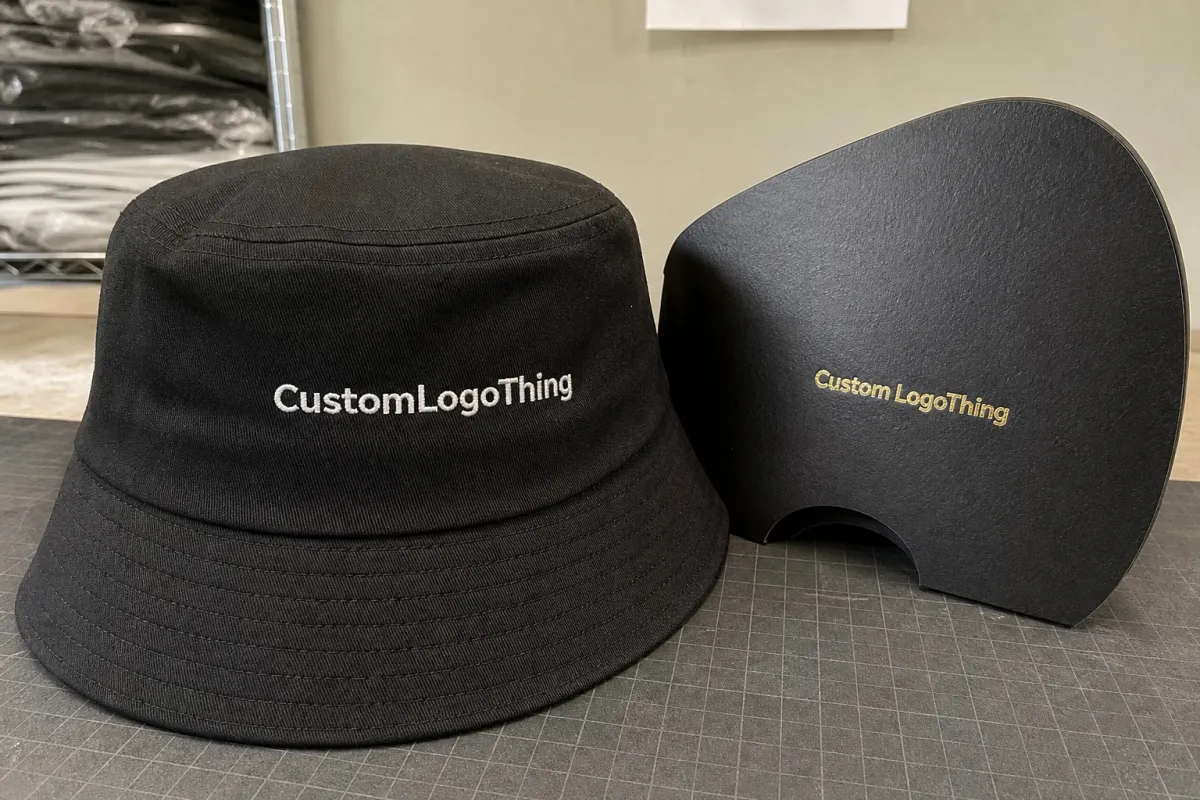
Bucket hats are deceptively fussy. There is no rigid front panel to hide mistakes, so every seam shows up in the final shape. If the crown is slightly off, the brim can wave. If the brim is too soft, it droops. If the binding color misses by even a shade, the proof round gets longer because somebody notices it right away.
Fitness buyers also ask for more than a basic fashion piece. They usually want lightweight fabric, some kind of moisture control, breathable eyelets or mesh, and decoration that can survive repeated use. That means the real job is not just the silhouette. It is material selection, stitching, sweatband spec, logo placement, and how all of that behaves on a soft surface that moves with the wearer.
One minor revision can affect the whole schedule. Change the drawcord color after sampling and the factory may need a different trim order. Move the logo higher and the stitch path changes. Swap a black lining for a branded color and someone has to confirm availability before cutting starts. fitness Bucket Hats Lead time is really a chain of decisions, not a single stopwatch.
If the spec is still moving after sampling, the calendar is moving too. Sewing lines do not care that the change feels small.
Fitness Bucket Hats Lead Time: What the production clock actually includes
The cleanest way to think about Fitness Bucket Hats lead time is to split it into stages. Most delays happen before bulk sewing begins. Pricing can come back quickly, sometimes within a day or two for a clear brief, but that is not the same thing as a reliable delivery date.
- Inquiry and pricing - The factory reviews quantity, fabric, decoration, and ship-to location. A precise request moves fast. A vague one does not.
- Sampling - A hand sample, decorated sample, or pre-production mockup confirms shape, logo size, and materials. This is where the real build becomes visible.
- Artwork and proof approval - Digitizing, print setup, label placement, and color confirmation often take longer than buyers expect.
- Bulk production - Cutting, sewing, decoration, and finishing. Stock fabric and simple embroidery move faster than custom builds.
- Packing and freight booking - Retail packing, carton labeling, and shipping mode can add days, sometimes more.
A fast path usually means stock fabric, one logo placement, one trim color, and artwork already approved. In that case, a run can land in the 10-15 business day range after approval, plus freight. A normal path, with a sample and a few rounds of proofing, often sits closer to 20-30 business days. If the spec changes late or the material has to be sourced to order, the date moves. There is no practical way around that.
Ask for a dated schedule, not a loose estimate. A quote that says “about three weeks” is not enough. You want milestones: proof approved by Tuesday, sample sent by Friday, bulk start after deposit clears, freight booked after final carton count. That is how you spot hidden gaps before they become missed handoffs.
Packaging and transit standards matter too. If the hats are going into retail cartons or mailers, a shipping test mindset like ISTA can help prevent crushed brims and dented crowns. If paper inserts, tags, or cartons need FSC-certified material, ask early. Paperwork and compliance are rarely difficult; they are just slow if they are discovered at the last minute.
What changes bucket hat pricing and MOQ
Price and lead time are tied together. If a supplier can buy a fabric off the shelf and sew a single-color logo, the order is simpler and usually cheaper. Add custom dyeing, special lining, or extra decoration and the schedule stretches. More parts means more sourcing, more approval, and more chances for one missing detail to hold up the cut.
MOQ matters because setup cost does not shrink just because the order is smaller. A 300-piece run still needs pattern checks, fabric cutting, machine setup, logo prep, carton work, and somebody to manage the order. Spread those fixed tasks across fewer units and the unit cost rises. That is not a markup trick. It is basic arithmetic.
| Build type | Typical MOQ | Approx. unit cost | Schedule impact |
|---|---|---|---|
| Stock cotton twill, 1-color embroidery | 100-300 pcs | $2.40-$4.20 | Fastest path if fabric is available |
| Polyester performance hat, woven label, sweatband | 300-500 pcs | $3.80-$6.10 | Moderate lead time; more trim checks |
| Custom-dyed fabric, multi-color decoration, special packaging | 500-1,000 pcs | $5.50-$8.90+ | Longest path; sourcing and approvals add time |
The hidden traps are usually boring. Too many logo placements. Too many fabric colors. Last-minute changes to label art. Rush freight after the hats are finished. The first quote may look friendly, then the real cost appears in the “we need this faster” part. Buyers who compare only unit price often miss the fact that the cheapest quote assumes the easiest possible version of the job.
If speed matters more than decoration drama, simplify the spec. Use one fabric, one logo location, and one trim color. If brand presentation matters more, pay for the extra complexity and accept that fitness bucket hats lead time will move with it. A custom hat does not become instant because the email subject says urgent.
Materials and decoration choices that move the schedule
Fabric choice is one of the biggest schedule levers. Cotton twill is common and easy to source. Polyester is often better for workouts because it dries faster and keeps its shape with less fuss. Ripstop is a sensible option if durability matters and you want a more technical look. Mesh blends improve airflow, but they add another sourcing decision and another point where color mismatch can creep in.
Decoration method matters just as much. Embroidery needs digitizing, stitch testing, and often a sample approval before bulk begins. Printing can be faster if the artwork is simple and the factory already has the right setup, but color matching still takes attention. Woven labels, rubber patches, and heat transfers all sit somewhere in the middle depending on how custom they are and how many placements the design uses.
Construction details slow things down in ways buyers underestimate. Contrast panels mean more cut pieces. Custom eyelets need the right hardware. Adjustable closures, cords, and toggles each need sourcing and sewing time. Internal labels and printed care marks add extra operations. None of those parts is difficult on its own. Put them together and a “simple” hat turns into a schedule with more moving pieces than expected.
For a fitness launch, the smartest spec is not always the prettiest one. It is the version that can make the deadline and survive the use case. A promotional giveaway for a race day can tolerate a simpler build. A retail drop needs better finish, tighter packaging, and stronger QC. If the end customer is going to sweat in it, wash it, and throw it into a gym bag, the hat should be built for that, not just photographed well.
Material and decoration choices also affect quality checks. If you want color that holds up, ask for a colorfastness expectation up front. If the hat has seams that will see stress, ask about seam strength or test references such as ASTM standards for textile performance. The goal is not to turn a bucket hat into a lab report. It is to keep the spec clear enough that the factory does not have to guess.
Step-by-step ordering checklist for a smoother run
If you want a cleaner timeline, start with the brief. Not a half-page idea dump. A real brief. Quantity, target ship date, colors, logo files, decoration method, packaging needs, and destination country all belong in the first message. Without that, the supplier is guessing, and guesses are where schedules go sideways.
Then lock the sample process. Confirm whether you want a hand sample, a decorated sample, or a pre-production proof. Those are not the same thing. Review measurements, crown depth, brim width, and logo size before you move forward. If the sample is close but not right, fix it now. Fixing it after bulk starts is expensive in both time and patience.
- Confirm the spec - fabric, lining, closure, logo method, and packaging.
- Approve the proof - check artwork size, placement, and color notes.
- Lock the numbers - quantity, price, and target ship date.
- Pay the deposit - production usually does not start before this step.
- Keep one decision maker - fewer internal loops mean fewer missed handoffs.
That last point matters more than people admit. If sales, marketing, and purchasing all have veto power, the order can bounce around for days. One person should own the final yes. The factory does not need a committee. It needs a decision.
Ask for a dated timeline before you approve anything. A good supplier should be able to tell you where the risk sits: fabric buy, embellishment approval, sewing capacity, or freight. If they cannot point to the bottleneck, they do not really know the bottleneck. That is not a comforting sign.
Common mistakes that add weeks to production
The biggest delay-maker is changing artwork or colors after sampling. Every revision can trigger another round of checks. Sometimes it is a simple file update. Sometimes it means redoing a label or adjusting a print screen. Either way, time disappears quickly.
Another common problem is a vague brief. Words like “premium,” “athletic,” and “clean” do not tell a factory what to make. They tell the factory to ask more questions. That adds back-and-forth, and back-and-forth burns lead time. Give actual details: 100% polyester, 120gsm, black sweatband, white embroidery, folded retail insert. That is useful information.
Shipping gets ignored too often. A finished hat is not in hand until it clears freight, customs, and any local delivery handoff. Air freight can move in 3-7 business days once booked, but it costs more. Ocean freight is slower, often 20-35 days depending on lane and consolidation, but it makes more sense for larger orders. Holiday congestion, port delays, and random inspections can still push either option.
There is also a buyer trap that sounds innocent: comparing a stock-style hat to a fully custom one and assuming the same clock applies. It does not. A stock hat with a simple logo may be ready far faster than a custom-dyed build with branded packaging and multiple trims. If the supplier gives you an honest timeline that feels longer than you hoped, that is usually better than a cheerful lie.
From a packaging buyer’s point of view, treat fitness bucket hats lead time the same way you would a carton project: define the spec, approve the sample, and keep changes off the table unless they are truly necessary. The people who finish on time are usually the people who stop redesigning in the middle of production.
Expert tips and next steps to lock your timeline
Ask for a spec-first quote. Quantity first. Material next. Decoration method next. Ship-to location after that. Tiny cosmetic debates can wait until the factory has priced the real build. That order of operations saves time, which is rare enough to matter.
Choose the fastest acceptable option for each decision. One logo location. One main fabric. One trim color. One packaging format. Every extra choice is another chance for sourcing friction. If the launch date is fixed, the spec should be disciplined enough to match it.
Build in cushion. A small approval slip should not wreck a retail drop, team event, or seasonal campaign. A buyer planning for custom trim or overseas freight is usually safer with one to two weeks of extra room beyond the supplier’s stated schedule. That cushion costs less than missing the moment.
For packaging-related inserts, use FSC paper if sustainability claims matter, and ask for cartons that hold up under transit instead of just looking good on a PDF. A hat that arrives crushed is not a win, no matter how tidy the invoice looked.
The practical move is simple: gather your artwork, confirm MOQ, request a dated sample and bulk timeline, and compare quotes using the same spec sheet. Do that, and fitness bucket hats lead time becomes manageable instead of mysterious.
How long is the typical fitness bucket hats lead time?
Most custom runs need time for quoting, sampling, approval, production, and freight, so the real answer depends on how locked the specs are. Stock materials and simple decoration are usually faster than custom fabric, complex trim, or multi-color branding. Ask for a dated schedule, not a vague estimate, because the gap between sample approval and bulk start is where delays hide.
What speeds up custom fitness bucket hat production the most?
A complete brief speeds things up the most: quantity, target delivery date, artwork files, decoration method, and final color choices. Keeping the design simple helps too; fewer placements and fewer materials mean fewer sourcing steps. Fast approvals matter just as much as factory speed, because every revision restarts internal checks.
Does embroidery take longer than printing on bucket hats?
Often yes, because embroidery usually needs digitizing, stitch setup, and sample confirmation before bulk production starts. Printing can move faster when the artwork is straightforward and the factory already has the right setup. The real timeline depends on the number of colors, placement size, and whether the base fabric is already in stock.
What MOQ should I expect for fitness bucket hats?
MOQ depends on material, decoration, and how custom the build is, but lower quantities usually mean a higher per-unit cost. A simple stock-style hat can often run at a smaller MOQ than a fully custom version with special trims or branding. Ask for tiered pricing so you can see the tradeoff between unit cost, total spend, and production speed.
What should I send to get an accurate quote fast?
Send the target quantity, preferred fabric, logo files, decoration method, colors, and delivery location in one message. Include the deadline and whether it is flexible, because that changes material and freight options immediately. If you already have a sample reference or tech pack, attach it; that removes the guesswork that usually slows down first quotes.