A buyer can treat trade show Unstructured Dad Hats lead time like a small line item and still miss the show date. The blank cap is rarely the bottleneck. Artwork approval, decoration setup, inspection, pack-out, and freight to the booth or warehouse usually consume the calendar first.
That is the risk with event headwear. A dad hat looks simple because it is simple to wear, but the order becomes a logistics project once logo placement, thread matching, packaging, and venue delivery rules are added. The useful question is not whether the hat is easy to decorate; it is how many decisions still have to happen before it can ship.
What trade show unstructured dad hats lead time really includes
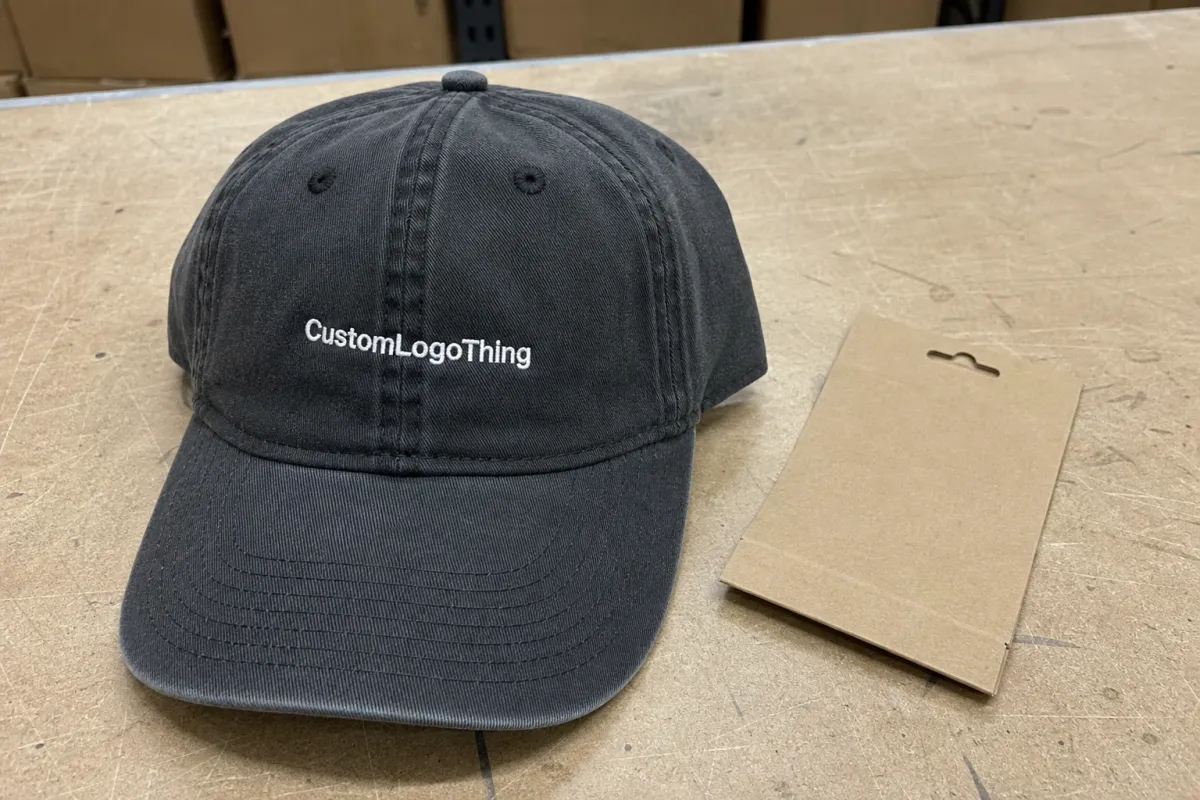
Lead time is more than manufacturing time. For trade show headwear, the clock usually starts at order confirmation or art approval, not when the event starts getting close. That matters because the easiest days are often spent before the buyer has all the details ready.
Unstructured Dad Hats are faster than many apparel items because the silhouette is forgiving and the blanks are often stocked. The crown does not need structure, the closure is adjustable, and many orders use a standard six-panel base. Even so, several steps can slow the job without looking dramatic on paper: embroidery setup, patch approval, label sourcing, carton sorting, and freight booking.
- Blank availability: a color that is in stock now can be tight later.
- Decoration method: flat embroidery is usually quicker than a custom patch or specialty trim.
- Artwork quality: a clean vector logo moves faster than a low-resolution image with tiny type.
- Packing needs: bagging, labeling, and case-pack instructions add labor.
- Shipping lane: delivery to a warehouse, venue, or job site creates different deadlines and risks.
Two orders can look similar on a quote and still follow very different timelines. One may be 100 embroidered caps from domestic stock with a single-color logo. Another may be 500 hats with a patch, branded hang tag, special folding, and split delivery to two addresses. Same product category, different production burden.
For procurement teams, the safest way to think about the schedule is as a chain of dependencies. Miss one decision and the date moves. Miss two, and the rush fee becomes the least of the problem.
How the order flow works from blank cap to booth-ready pack-out
The fastest orders usually come from the cleanest handoff. The more complete the brief, the fewer loops the order takes before production starts.
- Request and quote: send the hat style, quantity, event date, shipping destination, and logo files together.
- Spec confirmation: confirm crown shape, closure style, bill curve, fabric weight, and decoration area. Unstructured cotton twill, garment-washed cotton, and brushed canvas do not behave the same way in production.
- Artwork setup: the decorator checks stitch count, patch size, thread colors, or print placement.
- Proofing: the buyer approves a visual before the run is released. If the proof is wrong, the schedule resets.
- Production: embroidery, patch application, screen print, or label work starts after sign-off.
- Quality check: the order is inspected for thread tension, alignment, color consistency, patch placement, and trim cleanup.
- Carton pack-out: hats are counted, bagged, labeled, and staged for shipment.
Decoration method changes the flow more than many buyers expect. Embroidery is usually the cleanest route if the logo is simple and the stitch count is reasonable. A patch adds a material step, and woven labels or screen print can introduce extra proofing if placement or color count is tricky.
There is also a difference between a stocked blank decorated in one location and a more custom program with specialty trims or interior branding. The first is an adaptation. The second is closer to a small manufacturing project with its own approval chain.
Process and timeline from quote to delivery
The easiest way to judge the schedule is to break the project into phases and assign a realistic window to each one. That keeps the discussion honest and makes it easier to see whether a rush fee is solving a real timing problem.
A practical domestic schedule for a stocked cap with straightforward decoration often looks like this:
- Quote turnaround: 1-2 business days if the brief is complete.
- Proof approval: 1-3 business days, faster if the logo is already vector-ready.
- Production: 7-15 business days for a simple embroidered run, longer if the decoration is more involved.
- Inspection and pack-out: 1-2 business days.
- Shipping: 2-7 business days for domestic ground, depending on distance and receiving rules.
Those numbers shift if the blank is not actually in stock, if the art file needs cleanup, or if the order lands near a seasonal spike. Fall event season is the obvious pressure point, but spring can be just as congested when multiple campaigns hit the same decorators and freight lanes at once.
Overseas sourcing changes the math quickly. Transit alone can add several weeks, before customs, receiving appointments, or re-delivery delays enter the picture. A buyer who focuses only on production time may think the order is safe when the freight window is actually the largest risk.
"The delivery date is not the ship date. For event goods, the real deadline is the day the carton is counted, checked, and ready to move to the booth."
Backward scheduling helps. Start with the event date, then subtract receiving time, freight time, production time, and approval time. Add buffer if the hats must cross a dock, a warehouse, or a venue with strict delivery windows. If a third party has to check the order in, use even more caution.
For cartons that will be handled multiple times, packaging deserves more attention than it gets. The International Safe Transit Association at ISTA publishes test methods for drop, vibration, and compression risks, and ASTM D4169 is another common distribution-testing reference. You do not need lab language for a hat order, but you do need to know whether the pack-out can survive the route.
If the shipment is going to a show contractor or fulfillment warehouse, ask for receiving details early: dock hours, appointment requirements, pallet limits, labeling rules, and whether the venue wants one master carton or multiple case packs. Those details rarely sound urgent until they are the reason a delivery sits on a truck.
Cost, pricing, MOQ, and unit-cost tradeoffs
Unit cost usually falls as quantity rises. The less obvious part is that a lower per-piece price can still create a worse event outcome if the order misses the show window. A cheap hat that arrives late is not cheap in any useful sense.
For custom Unstructured Dad Hats, pricing is usually driven by the blank cap, decoration complexity, thread count, patch material, packaging, and freight choice. A simple embroidered run might land around $4.50-$7.00 per unit at 500 pieces, while a smaller order of 100 pieces can sit closer to $6.50-$11.00 per unit before shipping, depending on style and stitch count. Those are broad ranges, not guarantees.
MOQ matters because setup labor does not shrink much just because the order is small. A decorator still has to stage the machine, approve placement, and run the color. That is why minimums often land around 48, 100, or 250 pieces for decorated headwear, with the exact threshold shifting by method and supplier capacity.
| Decoration method | Typical MOQ | Timeline impact | Cost signal | Best fit |
|---|---|---|---|---|
| Flat embroidery | 48-100 | Usually the fastest if art is final | Moderate setup, lower material cost | Simple logos and tight deadlines |
| Woven patch | 100-250 | Adds proof and patch production time | Higher setup, cleaner premium look | More detailed branding |
| Leather or PU patch | 100-250 | Can add material approval time | Material choice can swing price | Lifestyle brands and event giveaways |
| Woven label or custom trim | 250+ | Slower, more custom coordination | Best on repeat programs | Seasonal or multi-show campaigns |
There is also landed cost, which buyers should not ignore. Freight, duties if relevant, sample fees, rush charges, and re-delivery costs can erase headline savings. If the hats are going straight to a show, the cheapest quote is not always the smartest quote.
Paper and carton specs matter too when the order includes inserts, tags, or branded outer packaging. The FSC label is relevant when sustainability claims are part of the message, and that can affect carton stock, hang tags, and printed collateral.
For a clean logo, embroidery tends to be the safer choice if speed matters. For a more detailed mark, a patch can justify the added time if the brand is trying to look more retail than promotional.
What usually delays event-ready hat orders
Most misses are self-inflicted. The order looked manageable, then the art file was wrong, the quantity changed twice, or the shipping address turned out to be a venue without a receiving dock.
- Incomplete artwork: a low-resolution logo, missing font files, or a non-vector image forces redraws.
- Slow approvals: a proof sitting in email for three days is three days the factory cannot recover.
- Late spec changes: switching decoration, changing hat color, or adding a woven label can restart setup.
- Inventory surprises: a blank cap that was available at quote stage may be short by release.
- Shipping mistakes: wrong dock hours, missing suite number, or a venue that will not accept early freight can create avoidable chaos.
Trade show orders are especially vulnerable because the calendar is unforgiving. If the booth ship date slips, there is rarely much room for rework or replacement stock. A retail program can sometimes absorb a late carton. A show floor usually cannot.
Quantity creep is another common trap. A buyer starts with 150 pieces, then asks for 75 more after the proof is done, then adds another color once the team sees the sample. Each change seems small. Together they can turn a straightforward run into a series of re-quotes and schedule resets.
Receiving assumptions cause trouble too. Some venues and warehouses allow broad delivery windows. Many do not. A carton that arrives on the right day but at the wrong hour can still fail from the buyer's point of view. If the event team needs the order unpacked and sorted by SKU, that should be clear before shipping is booked.
Expert tips to shorten approvals without cutting corners
Shortening lead time does not require reckless shortcuts. It requires fewer decision loops.
- Send one complete brief: include hat style, quantity, target event date, ship-to address, and print-ready art in the first message.
- Choose one decoration route early: compare embroidery, patch, and label options before the proof stage.
- Ask for a visual proof: approve placement, thread color, and scale before production starts.
- Build buffer math: add a few extra days for inspection, freight, and booth sorting.
- Standardize a season spec: lock one hat profile, one closure, and one logo placement for repeat events.
Keep one folder for final logo files, one for approved proofs, and one for shipping instructions. Teams waste time hunting through email threads for the latest version, and that turns an administrative problem into a production problem.
If color accuracy matters, mention the target early. Pantone references help, but so does a real-world sample. For embroidery, thread colors never behave exactly like ink, so buyers usually approve faster when expectations are clear before the first run is stitched.
For teams managing several shows at once, consistency beats novelty. A repeatable cap spec, a repeatable artwork format, and a repeatable receiving process matter more than a unique look for each event. Buyers often think they are saving time by making every order different. The opposite is usually true.
Next steps for locking a safer trade show order window
If the show date is already on the calendar, work backward and make the order boring in the useful way: fewer surprises, fewer approvals, fewer chances for a late shipment to wreck the booth plan.
Use this checklist before you request pricing:
- Confirm the event date and the actual in-booth need date.
- Count how many units you truly need, with a small overage if the hats will be handed out all week.
- Gather print-ready art in vector format if possible.
- Decide whether the order is standard or rush before the quote is issued.
- Ask for a dated timeline that shows quote, proof, production, ship date, and delivery estimate in one place.
- Verify venue or warehouse receiving rules before the shipment is booked.
- Compare standard and backup expedited options so a change in booth count does not create panic.
Trade show buying is a timing exercise disguised as a merchandising exercise. The hats matter, but the schedule decides whether they show up where they need to be.
Start with the timeline, not with the assumption that the order will fit somehow. If the timing is clear, the rest gets easier: better approvals, better freight choices, and a much better chance of walking into the show with inventory already counted, packed, and ready to hand out.
FAQ
How long is trade show unstructured dad hats lead time for a standard order?
For a stocked, simply decorated order, many buyers see about 10-15 business days after art approval, plus freight. If the hats are overseas or the decoration is more complex, the calendar can stretch into several weeks. The safest estimate starts after approval, not after the quote.
What affects unstructured dad hat turnaround the most?
Artwork approval speed is usually the biggest variable. After that, the decoration method matters: embroidery is often faster than a custom patch build or specialty trim. Freight method and destination can also change the schedule even when production stays on track.
Can I rush trade show dad hats without sacrificing quality?
Sometimes, yes, if the blank cap is in stock and the logo is simple. Rush orders work best when the art files are final, the quantity is fixed, and the receiving address is confirmed. Even then, a small buffer for inspection and delivery is smart.
What MOQ should I expect for custom unstructured dad hats?
MOQ varies by factory and decoration method, but setup-heavy styles often start around 48, 100, or 250 pieces. Higher quantities usually improve unit cost, yet they also raise the risk of overbuying for a single event. Ask whether the minimum changes by decoration type.
How can I lower unit cost and still hit the show date?
Simplify the decoration, keep the quantity steady, and approve art quickly. Avoid late changes that trigger re-quoting or production resets. Compare landed cost, not just the base cap price, so freight does not wipe out the savings.


