For buyers comparing fitness Bucket Hats Unit cost, the annoying truth is simple: the hat body rarely makes or breaks the quote. Finishing, decoration, packing, and order size usually move the number more than people expect, and that is exactly why rushed specs create messy pricing.
If you are launching gym merch, handing out event swag, or building retail stock, you want a bucket hat that looks clean, keeps its shape, handles sweat, and does not blow up the budget after the first revision. Cheap-looking headwear is not a bargain if it gets ignored, returned, or reordered because the logo placement was a joke.
From a packaging buyer’s point of view, the real job is not finding the lowest price on paper. It is finding the right spec, the right MOQ, and the right decoration method so the cost per piece stays sensible once the order is landed and boxed for delivery.
Fitness Bucket Hats Unit Cost: What Actually Moves the Price
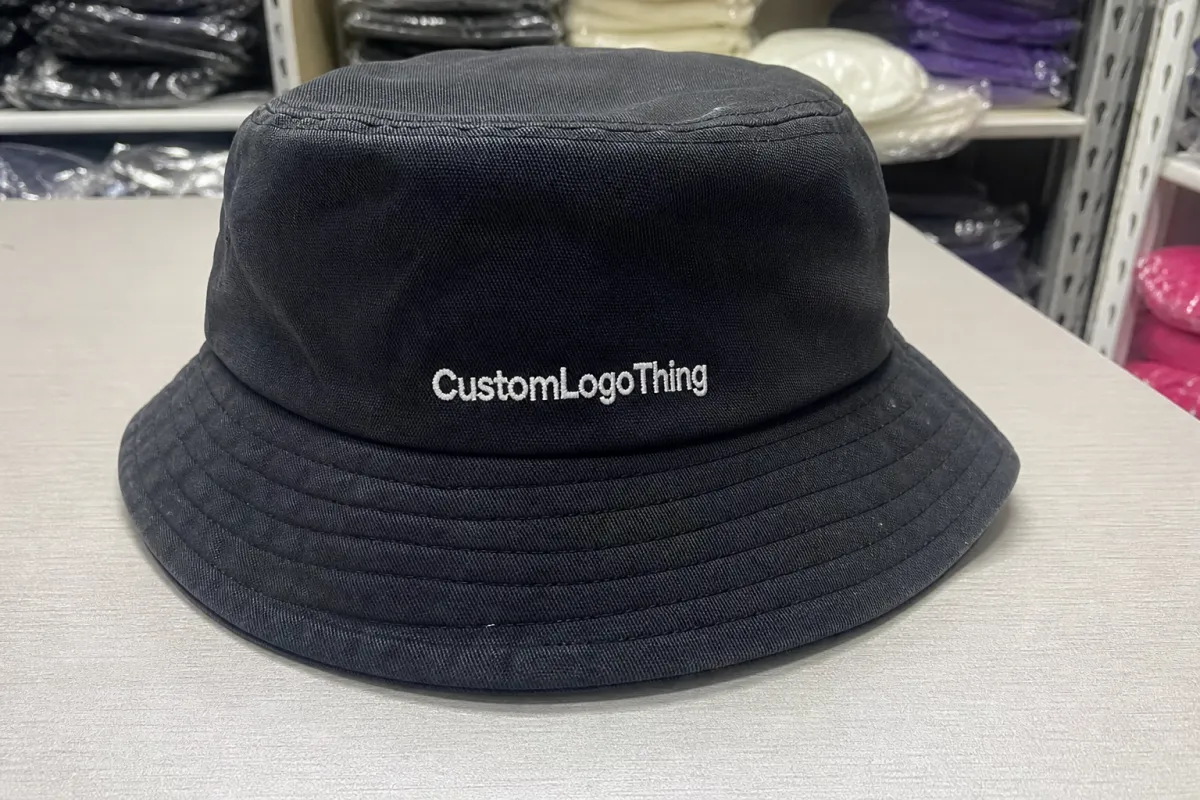
The base hat matters, but it is not the whole story. A plain cotton twill bucket hat with a simple label is one thing. The same silhouette with structured panels, reinforced stitching, a sweatband, custom patch work, and retail folding is another animal entirely. That is where fitness bucket Hats Unit Cost starts climbing. Not because the factory is being dramatic. Because each extra step adds material, labor, or inspection time.
The buyer trap is easy to spot. Someone asks for “a fitness bucket hat quote” with no crown height, no brim width, no artwork file, no packing requirement, and no target ship date. Then they wonder why the first number gets revised three times. Vague asks usually create vague numbers. Exact requests create cleaner pricing, fewer re-quotes, and fewer little surprises hiding in the shipment.
“The cheapest hat is not the cheapest order if the fit is bad, the logo is crooked, or the packing ruins the shelf presentation.”
That is the practical lens. You are not buying a fabric circle with a brim. You are buying appearance, wearability, and repeatable production. If the hat is for a sweaty training event or outdoor use, softness matters, but so does structure. If it is for retail, presentation matters more than most buyers admit. And if it is for staff uniforms, consistency beats cleverness every time.
For anyone pricing fitness Bucket Hats Unit cost in bulk, the real question is this: where do you want to spend money and where do you want to keep things standard? That tradeoff is the difference between a quote that works and one that keeps getting bumped.
Material and Build Choices That Change Wear and Feel
Fabric choice changes both comfort and quote level. Cotton twill usually feels familiar and breathable, which makes it a safe default for lifestyle and merch programs. Polyester tends to be lighter, more consistent, and better for colorfast branding. Nylon often gives a slicker hand feel and can work well for active use, while ripstop adds durability and a more technical look. Recycled blends can be a smart option too, but they need tighter approval on color and hand feel because recycled content can vary from lot to lot.
Shape retention is the other half of the conversation. A soft hat can be comfortable, but if the brim collapses after a few wears, the brand looks cheap. For fitness and outdoor use, buyers often want some structure in the crown, a sturdier brim insert, and a sweatband that does not feel scratchy after an hour. That usually raises the unit cost a bit, but it can save you from complaints later. Cheap solves the first problem. Better spec solves the second.
Build details matter more than casual buyers think. Panel count affects sewing time. Eyelets affect ventilation and finishing. Lining adds labor and warmth. Chin cord hardware changes both function and cost. Even the sweatband style can move the quote because sewn-in comfort bands take more work than bare seams. If you want a hat that can survive actual training conditions, not just a product photo, those details belong on the spec sheet.
For buyers who also need retail packaging or inserts, it helps to think the same way packaging teams do: simple, repeatable, and easy to inspect. The Institute of Packaging Professionals at packaging.org is a decent reference point for how presentation, protection, and handling all affect the final package experience. It is not glamorous. It is just how real orders stay consistent.
- Cotton twill: comfortable, familiar, easy to brand, moderate cost.
- Polyester: lighter, more stable, often better for active use.
- Nylon: technical look, good durability, usually priced a bit higher.
- Ripstop: strong, structured, and typically the most performance-forward.
- Recycled blends: useful for sustainability goals, but require cleaner approval rules.
In practice, the right fabric reduces return risk and makes the next reorder easier. That is the part a lot of buyers miss while chasing the lowest sticker price.
Specifications Buyers Should Lock Before Asking for Quotes
If you want a real quote, lock the basics first. Crown height, brim width, panel style, closure type, logo size, color count, and size range should all be fixed before anyone starts pricing. Those details are not busywork. They are the difference between a useful number and a placeholder.
Decoration is where many orders go sideways. One logo on the front is straightforward. Add a side mark, a back mark, a woven patch, or a raised embroidery treatment and the setup charges start climbing. More colors can mean more thread changes or more print setup. That is why buyers should always ask how artwork changes the cost per piece before they approve the design direction. You do not want to discover that a “small” artwork tweak added a surprisingly large tooling fee.
Fit and function matter too, especially for a fitness audience. Adjustable bands help with a wider head-size range. Ventilation helps during training or outdoor events. A softer inner band can stop the hat from feeling stiff during long wear. These are not luxury extras. They are the little details people remember when they actually put the cap on.
If the hats are headed to retail shelves or bundled with other merch, packaging and labeling need to be on the brief from day one. Hang tags, size stickers, barcode labels, polybag warnings, carton marks, and bundle bands can all create extra handling. That is not the factory being difficult. That is the factory accounting for labor.
Good buyers send a spec sheet before they chase quotes. Better buyers send a spec sheet that answers the questions the factory would otherwise ask one by one. The cleaner the brief, the better the pricing, and the faster the first proof lands in your inbox.
Pricing, MOQ, and Quote Ranges for Bulk Orders
Bulk pricing is built from a few familiar pieces: base hat cost, decoration setup, sampling, packaging, freight, and any special trim or labeling. That sounds obvious until a buyer compares one factory price against another without checking what is included. A low number with hidden extras is not a bargain. It is a future headache.
MOQ matters because fixed costs need somewhere to go. If you order 200 hats, sampling, setup, and proofing get spread across a tiny run, so the unit cost climbs fast. If you order 5,000 or 10,000, those same charges are diluted, and the per-hat number usually improves. That does not mean bigger is always better. It means the math behaves differently depending on volume.
| Option | Typical MOQ | Typical Cost Per Piece | What You Get |
|---|---|---|---|
| Simple cotton twill, one-color logo | 300-500 pcs | $2.10-$3.40 | Standard build, low setup, clean branding |
| Polyester or nylon, embroidered mark | 500-1,000 pcs | $2.70-$4.60 | Better outdoor wear, more stable finish |
| Structured ripstop, patch or multi-location branding | 1,000+ pcs | $3.80-$6.50 | Higher perceived value, more sewing and setup |
| Retail-ready pack with labels and inserts | 1,000+ pcs | Add $0.18-$0.65 | Extra packing steps, barcode or retail presentation |
Those numbers are ranges, not promises. Artwork complexity, color matching, trim sourcing, and ship destination can move them. Still, they are useful because they show the spread buyers actually deal with. If you want a cleaner comparison, ask for tiered pricing at 300, 1,000, 3,000, and 5,000 pieces. One single quote tells you almost nothing. Four price breaks tell you where the real savings begin.
Also, compare landed cost, not factory price alone. Freight, duties, local delivery, and rework risk all matter. A slightly higher factory quote can still win if it reduces errors, includes better packing, or avoids a repeat run. That is plain arithmetic, not sales talk.
If you need freight-sensitive packing or distribution testing, the standards world is worth respecting. ISTA has clear guidance on transport testing at ista.org, and those ideas matter when your cartons need to survive a long trip without crushed branding or damaged inserts. You do not need to overcomplicate headwear packaging. You do need to stop pretending shipping is free.
Ways to lower the quote without making the hat look cheap:
- Use a standard fabric instead of a custom blend.
- Keep artwork to one strong placement.
- Avoid extra colors unless they matter to the brand.
- Skip custom packaging unless it improves retail presentation.
- Reuse an existing approved spec for the next run.
Process, Timeline, and Production Steps from Brief to Delivery
The process should be boring. That is a compliment. Inquiry, spec review, quote, sample approval, production, quality check, packing, shipment. If any step is fuzzy, your schedule gets fuzzy too. Most delays are not mysterious. They come from unfinished artwork, changing colors, slow sample feedback, or a fabric that was never confirmed in the first place.
A realistic planning rule: the more custom the hat, the earlier you lock the details. A simple stock-style bucket hat with a one-color logo can move faster than a fully custom retail build. Once you add custom labels, special trims, multiple placements, or retail packing, the timeline stretches. For many orders, production often lands in the 12-20 business day range after sample approval, with shipping added on top. If anything has to be sourced fresh, allow more time. The factory cannot print fabric that has not arrived.
Expedite requests are possible sometimes, but they are not magic. Rush work can change material choices, reduce packaging options, or force more expensive freight. Buyers should decide what actually matters most: launch date, product finish, or budget. You usually get two of the three, and pretending otherwise just wastes time.
Work backward from the real deadline. Store arrival date. Event date. Staff rollout date. Whatever the trigger is, build in room for proof review, minor revisions, packing, and transit. If you wait until the week before launch to care about approvals, you are not being efficient. You are gambling.
The cleanest orders are the ones that arrive with a full brief and a realistic timeline. That is also where fitness bucket hats unit cost stays easier to predict, because the production team is not guessing at the same time the buyer is asking for a quote.
Why Repeat Buyers Keep Reordering the Same Cap Program
Repeat buyers are usually not chasing the cheapest number. They are chasing consistency. Same fit. Same color. Same logo placement. Same packing. That kind of reliability saves time on every reorder, and time is money even if the invoice does not say it out loud.
Once a spec is approved and proven, the next order gets easier. Quote revisions shrink. Sampling gets faster. The chances of a surprise drop because of a misunderstood artwork note go way down. That matters when you are juggling staff uniforms, seasonal retail, or multiple SKUs that need to stay aligned.
Good suppliers also help you avoid pointless cost creep. If a requested detail adds a lot of setup charges without improving the look, a decent production partner should say so. Same with decoration methods that need extra tooling fees but do not add much visible value. Honest pushback is useful. Buyers do not need applause. They need accurate guidance.
For brand programs that may expand later, consistency becomes more valuable than a tiny short-term savings. If the first run works, the second and third should match closely. That is how programs stay sane. Flashy promises do not matter much if each reorder feels like starting over.
Next Steps to Lock Specs and Get a Clean Quote
Send the essentials first: exact quantity, target ship date, destination, logo file, preferred material, decoration method, and any packaging requirement. If you have no logo file cleaned up yet, expect slower pricing. If you have not decided between embroidery and patch work, expect wider ranges. That is normal. The quote only gets sharper when the request does.
Ask for at least two quantity breaks so you can see how fitness bucket hats unit cost changes as volume rises. Also ask for sample timing, production timing, and freight timing separately. Mixing those into one vague estimate is how buyers miss launch dates. A clean quote should tell you what changes the price, what changes the schedule, and what will trigger a revision.
One more practical point: simple spec sheets save money. They reduce back-and-forth, cut down on re-quotes, and help the first number match the actual order more closely. If your goal is a product that looks right and stays on budget, finalize the build details first, then request a revised quote tied to the real fitness bucket hats unit cost you need.
FAQ
What changes fitness bucket hats unit cost the most?
Decoration complexity usually drives the biggest swing, especially extra placements, patch work, or multi-color artwork. MOQ, fabric choice, and packaging matter too, but they hit hardest on smaller runs.
How does MOQ affect fitness bucket hats unit cost?
Lower quantities spread setup and sampling charges across fewer hats, so the unit cost climbs fast. Once the run gets larger, the per-hat price usually improves because the fixed costs are diluted.
Which decoration method is cheapest for custom fitness hats?
Simple single-location decoration is usually the least expensive route. Methods that need extra setup, color matching, or multiple placements will raise the quote.
How long does production usually take after sample approval?
The timeline depends on stock materials, artwork complexity, and whether any trims need to be sourced. Ask for sample, production, and shipping dates separately so you can see where the schedule can slip.
How can I lower unit cost without making the hat look cheap?
Use standard materials, keep the logo clean, and avoid unnecessary packaging extras. Protect the look by focusing on fit, structure, and one strong branding placement instead of piling on features.


