Fitness Bulk Knit Beanies material guide for buyers
Fitness bulk knit Beanies Material Guide for Buyers
For Bulk Knit Beanies, the fiber mix drives comfort, durability, decoration quality, and repeat wear. A beanie can look good in a mockup and still pill, stretch out, or trap too much heat once it is actually used. For fitness buyers, that matters because the product has to work as apparel first and branded merch second.
The right spec is the one that fits the use case. A beanie for outdoor boot camps needs more warmth and recovery. A beanie for indoor gym promotions needs lighter wear and better breathability. In every case, the knit surface has to stay stable enough for the logo to remain clean after handling and washing.
Fitness bulk knit beanies: why material choice changes sell-through
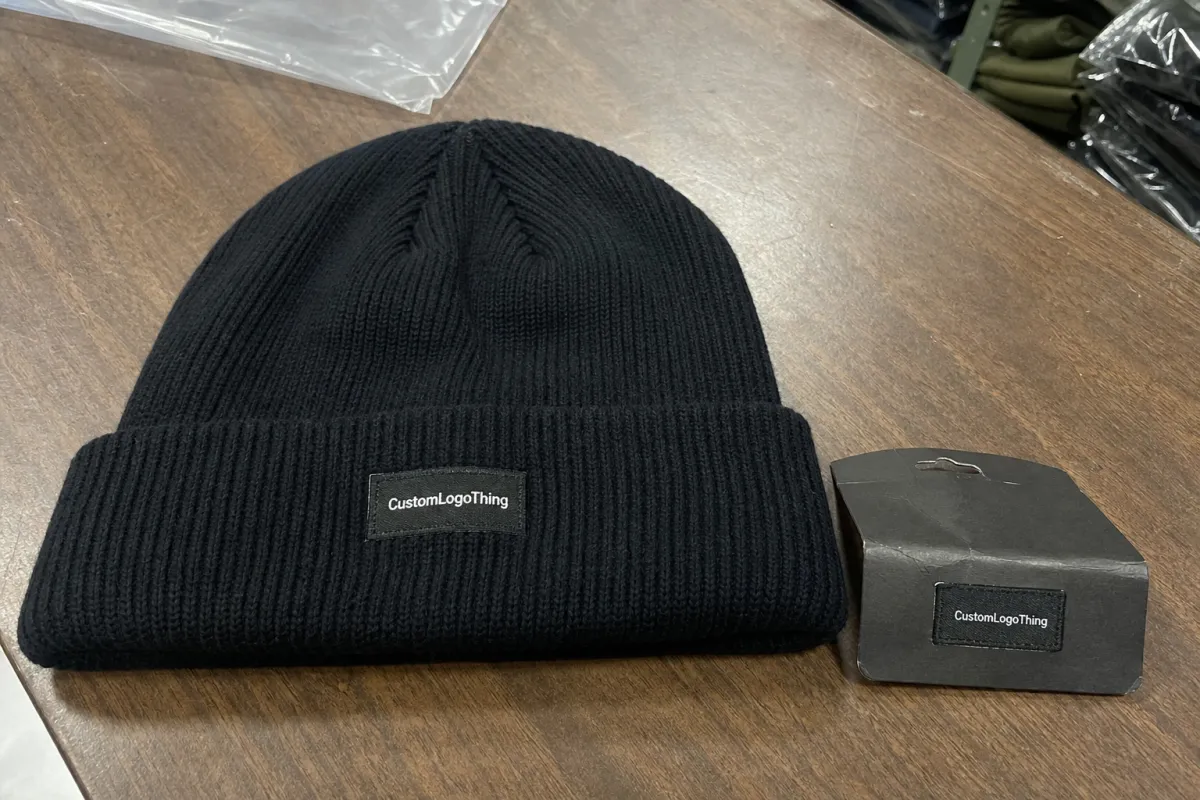
Material choice affects more than price. It changes how the beanie feels on first touch, how long it keeps its shape, and how well it supports decoration. In fitness retail and member-gift programs, those details often decide whether the product gets worn or stays in a drawer.
Buyers usually get better results when they start with use case, not style. A beanie for cold-weather runs, a winter membership bundle, and a retail add-on each need a different balance of warmth, stretch, and softness. The best bulk programs are the ones that match the yarn and knit structure to the way the beanie will be worn.
Three checks help narrow the choice fast:
- How much warmth does the end user actually need?
- How much stretch and recovery should the cuff hold?
- Which decoration method will stay readable after wear?
If the material is chosen only for the lowest quote, buyers often pay for it later in returns, complaints, or poor perceived value. A slightly higher unit cost can still be the better commercial decision if the beanie lasts longer and the branding looks sharper.
Material choices that change warmth, stretch, and hand feel
The main material paths are acrylic, cotton blends, wool blends, and recycled yarn options. Each has a different cost profile and a different fit for fitness merchandising.
Acrylic: the value and consistency standard
Acrylic is the most common choice for bulk runs because it is cost-effective, easy to knit, and consistent across large quantities. It holds color well, which helps when the order needs strong brand colors or a specific Pantone target. That consistency makes it a safe option for gym chains, event giveaways, and large membership programs.
The tradeoff is feel. Basic acrylic can feel less premium than wool and may not breathe as well as cotton blends. Even so, it is often the most practical option when the goal is a warm, durable beanie that can be produced at scale with predictable results.
Cotton and cotton-rich blends: lighter and more breathable
Cotton blends work well for milder climates, indoor fitness campaigns, or branded merchandise that should feel less winter-specific. They are softer in hand and usually easier to wear for longer periods after a workout.
The limitation is warmth. Cotton does not insulate as well as wool, and loose constructions can lose shape faster. For that reason, cotton-rich builds work best when the knit is tight enough to support the cuff and decoration zone. A small amount of stretch fiber in the rib can improve recovery after wear.
Wool and wool blends: warmer and more premium
Wool blends suit colder markets and higher-value retail or gift programs. They usually feel denser, warmer, and more elevated, which helps when the beanie is part of a premium apparel story.
The buyer should expect a higher price and pay attention to shrink control and care guidance. A blend such as wool-acrylic can preserve much of the warmth and hand feel while making production and pricing easier to manage than a full wool build. For indoor fitness use, though, wool can be warmer than necessary.
Recycled yarn options: sustainability with quality checks
Recycled yarns are useful when sustainability messaging matters, but they still need to pass the same quality checks as any other material. Buyers should inspect hand feel, pilling behavior, and color consistency, especially when the order is tied to retail or public-facing brand claims.
If sustainability is part of the brief, packaging should be reviewed too. Ask whether cartons use recycled content, kraft paper, or FSC certified materials. Recycled yarn can be a strong choice, but it should not come at the expense of fit or finish.
| Material | Best use | Hand feel and performance | Typical cost signal |
|---|---|---|---|
| Acrylic | Large promotional runs, color-heavy branding | Warm, consistent, good stretch recovery | Lowest starting point |
| Cotton blend | Mild-weather fitness promotions, indoor wear | Breathable, soft, lighter insulation | Usually slightly above basic acrylic |
| Wool blend | Premium retail, cold-weather campaigns | Warmer, richer hand feel, more elevated | Often higher by 15% to 35% |
| Recycled yarn blend | Eco-focused brand programs | Varies by source, inspect pilling and texture | Often above standard acrylic, depending on content |
In most cases, the best approach is to match the material to the use case first, then decide on thickness, knit density, and decoration. That keeps the order aligned with the actual wearer instead of with a generic spec sheet.
Knitting specs, sizing, and decoration details buyers should lock in
Material alone does not determine quality. Gauge, rib structure, cuff depth, and yarn weight decide whether the beanie feels firm and polished or loose and prone to distortion. These specs matter because they affect the surface the logo sits on.
For many buyers, gauge is the key construction choice. Chunkier knits in the 3 to 5 gauge range feel heavier and warmer. Mid-gauge styles around 7 to 9 gauge usually give the best balance for fitness and lifestyle use. Finer 12 gauge knits create a cleaner, lighter look but offer less structure for decoration.
In general, tighter gauges support cleaner embroidery and more stable patches. Looser gauges can feel softer, but they often distort around the logo area. If the design needs to stay centered and readable after wear, the knit has to hold its shape.
Fit should be approved with the same care. Standard adult fits work for most programs, but a cuffed profile usually performs better for active wear because it stays in place and photographs well. Slouchier styles can work for lifestyle collections, but they are less predictable and usually feel less performance-oriented.
Decoration should follow the construction, not fight it. Common options include center cuff embroidery, woven labels, side patches, and custom tags. Embroidery usually needs a tighter knit. Patches and woven labels can work on slightly softer constructions, but they change the look and should be approved early.
Before production, confirm these points:
- Shrink behavior: check whether washing changes fit or cuff depth.
- Colorfastness: make sure dark colors will not bleed into lighter trim.
- Pilling resistance: ask for a test result or a comparable sample.
- Decoration stability: verify that the logo area will not buckle after wear.
If the order is for retail or bundled shipping, ask how folding and packing affect the finished piece. A beanie packed too tightly can crease the cuff or press a patch flat before it reaches the customer. For shipping standards, ISTA guidelines are worth discussing when presentation needs to survive transit.
Cost, pricing, MOQ, and quote variables for bulk orders
Quote differences usually come from fiber content, knit complexity, decoration method, packaging, and production location. If those inputs are not fixed, the buyer is not comparing like for like.
Basic acrylic beanies with simple embroidery usually sit in the lower cost range. Custom knit runs can start around $3 to $6 per unit before freight at lower quantities, while wool blends, specialty labels, and retail packaging move the number up. Larger orders often reduce the per-piece cost, but only after setup costs are spread across more units.
MOQ is one of the main cost drivers. Lower MOQs usually mean a higher unit price because sampling, setup, and labor are divided across fewer pieces. If the order can scale, ask for price breaks at different tiers so you can compare landed cost instead of only the first quote.
Custom patterns and multi-color jacquard increase cost because they slow production and require more control. Premium yarns, special tags, and individually packed units do the same. Packaging can also shift price, especially if the beanies need printed inserts, kraft wraps, or recycled-content mailers.
A useful quote request should include:
- Target quantity and backup tiers
- Artwork file format and logo placement
- Desired fit and cuff style
- Material target and acceptable alternates
- Decoration method
- Delivery destination and deadline
That last item matters because shipping and import handling can change the landed cost more than the unit price does. For buyer decisions, the useful number is the total cost at the warehouse, not the factory quote by itself.
Production process, turnaround, and shipping timeline
The production sequence is usually inquiry, spec confirmation, proofing, sample approval, bulk knitting, decoration, packing, and shipment. Delays usually come from missing information or late changes, not from the knitting itself.
Common timing ranges are 5 to 10 days for sample development, 15 to 30 days for simpler bulk runs, and longer for custom-dyed yarn, multi-color patterns, or layered decoration. Peak season and larger quantities can extend the schedule further.
International freight adds another variable. Production may finish on time while customs or port congestion adds days or weeks. Buyers planning a seasonal launch should leave room for one revision cycle and a freight buffer so the campaign is not held back by a delayed proof or a late shipment.
Sample approval is still the best quality checkpoint. A swatch shows texture and color direction, but a full sample shows whether the cuff sits correctly, whether the logo area holds its shape, and whether the finished piece feels as intended. If the sample feels off, the bulk order usually magnifies the same issue.
What to verify before you choose a supplier
The best suppliers are easy to evaluate before the first shipment leaves the dock. They give clear sampling, consistent communication, and specific answers about yarn, knit structure, and finish details.
Ask for photos of comparable work or, better yet, a sample that matches the intended knit density and decoration method. The supplier should be able to explain why one fiber blend is better than another for your use case. If the answer is only price, the spec is not being handled carefully enough.
Quality control should be visible in the process. Look for checks on color, stitch consistency, label placement, packing accuracy, and final inspection. If the order includes retail packaging, the supplier should also show how they prevent folded pieces from arriving warped or crushed.
It helps if the approval trail is documented. A clean production file should include fiber composition, care guidance, logo placement, approved color reference, and packing spec. If the supplier cannot show how they manage defects or prevent logo distortion, that is a risk signal.
Packaging should also be reviewed as part of the product, not as an afterthought. Corrugated cartons, kraft wrap, biodegradable inserts, and recycled content can all be useful, but they should support the knit instead of creating handling issues.
Next steps to approve samples and place the order
Start with a short spec sheet: intended use, target material, decoration method, color goal, quantity range, and deadline. That keeps supplier quotes aligned and prevents unnecessary revisions.
Request at least one physical sample or yarn swatch before placing the bulk order, especially if the beanies are tied to a launch, membership bundle, or seasonal promotion. The swatch confirms texture and color direction. The full sample confirms fit, cuff behavior, and logo stability.
A simple approval sequence works best:
- Review the sample or swatch.
- Confirm the quote and quantity tier.
- Sign off on proof details.
- Lock production timing in writing.
Comparing two or three suppliers with the same brief is the fastest way to see whether one quote is truly better or just thinner on detail. A lower number only matters if the beanie still fits the user, supports the logo, and arrives on time.
The practical rule is simple: choose the yarn that fits the wearer, choose the knit that supports the decoration, and choose the supplier that can prove both.
Frequently Asked Questions
What material is best for fitness bulk knit beanies?
Acrylic is usually the best value for large orders because it is durable, color-consistent, and cost-effective. Wool or wool blends make sense when warmth and a more premium hand feel matter more than the lowest unit cost. Cotton blends can work better for lighter wear or indoor fitness promotions.
Are acrylic or wool blends better for custom fitness knit beanies?
Acrylic is better when the buyer wants predictable pricing and stable performance across large quantities. Wool blends are better when the campaign needs a warmer, more elevated product and can support a higher price point. The right choice depends on climate, use, and budget.
What MOQ should I expect for bulk knit beanies?
MOQ depends on yarn type, decoration method, and whether the design is stock or fully custom. Lower MOQs usually have a higher unit cost because setup and sampling are spread across fewer pieces. Ask for tiered pricing so you can compare quantity levels.
How long does bulk production usually take for custom beanies?
Timing depends on sample approval, yarn availability, decoration complexity, and order volume. Simple orders using stock materials usually move faster than custom-dyed or multi-color knit programs. Build extra time for shipping and customs if the order is international.
Can I embroider a logo on fitness bulk knit beanies without changing the material?
Yes, but the knit structure must support embroidery without puckering or distortion. Tighter gauges and stable cuffs usually give the cleanest result. If the material is too loose, a patch or woven label may be the better decoration choice.


