Buyers often treat subscription Bulk Knit Beanies unit cost as a simple line item, but that number only makes sense if the product stays stable across reorders. A knit beanie can look inexpensive on the first quote and still become costly once the art changes, the yarn shifts, the packing method changes, or the schedule slips enough to require air freight. The better question is not only what the first run costs, but what it costs to repeat that exact item three, four, or six times without rebuilding the order each time.
That distinction matters because knit goods reward consistency. If the cuff height, stitch count, label placement, and decoration method stay fixed, each later order becomes easier to price and easier to approve. The supplier is not re-estimating the unknowns, and the buyer is not paying for repeated sample work or preventable corrections. In a seasonal category, that stability can matter more than squeezing the first quote by a few cents.
The real cost also depends on how the program is managed. A one-off holiday buy can appear cheaper than a replenishment plan, but it often carries hidden costs: rushed approvals, corrected art files, higher minimums on the replacement order, or a second round of shipping fees because the first order was mis-timed. A recurring program replaces guesswork with a master spec, and that usually produces a cleaner unit cost over the full season.
The cheapest quote is not the cheapest program if the second order has to be rebuilt from scratch.
Why recurring knit beanie orders can lower your real cost
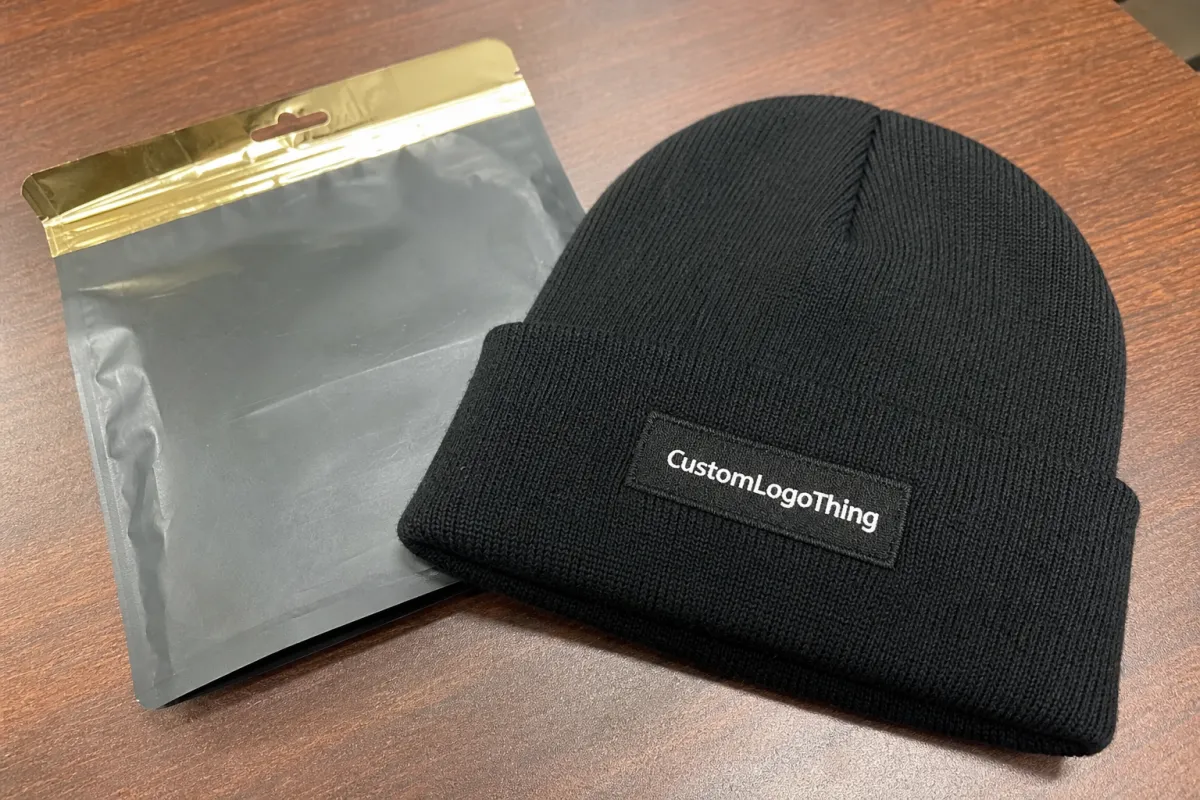
Recurring orders lower cost for a simple reason: the setup gets amortized. The first run carries the burden of sampling, color approval, decoration decisions, and packaging sign-off. The second and third runs should not. Once the spec is locked, the factory can move faster, the buyer can approve faster, and the risk of a mismatch falls sharply.
That is especially useful for subscription programs, team stores, retail replenishment, and winter promotions that sell in waves rather than all at once. If the same beanie ships in October, November, and January, the buyer gains more by keeping the product identical than by chasing marginal savings through constant tweaks. Small changes are not free. A new hang tag, a different patch size, or a revised carton pack-out can add labor, delay, and new approval points that eat into the apparent savings.
From a budgeting standpoint, the landing cost becomes more predictable. Freight can be planned earlier. Inventory can be reserved. Packaging can be standardized. Those choices reduce the chance of emergency air shipments, which are usually the fastest way to destroy a low unit price. Even a modest markup in ocean or domestic freight can erase the advantage of a cheap factory quote if the order misses its window by a week or two.
The other advantage is operational. Repeat orders expose weak spots early. If the first batch had slightly loose embroidery, a label that twisted on the cuff, or a carton count that did not match the packing list, those issues can be fixed before the next release. The result is not just lower cost. It is lower friction.
There is a practical buyer lesson here: the more often a product repeats, the more valuable the documentation becomes. A good spec sheet is worth money. So is a master sample. So is a written tolerance for shade variation and logo placement. Those items do not look exciting in a quote, but they are often the difference between a stable program and a series of expensive corrections.
Knit beanie styles, yarns, and decoration that change value
Not all knit beanies cost the same to make, and the differences are not subtle. A cuffed beanie is usually the most efficient shape because it offers decoration space, predictable sizing, and broad appeal. A slouch style can feel more fashion-forward, but it often uses more yarn and is more sensitive to fit expectations. A shorter fisherman-style beanie may look premium and contemporary, yet the tight profile leaves less room for a large logo or complex pattern.
Yarn choice moves the price more than many buyers expect. Acrylic is common because it is consistent, affordable, and easy to source in a wide range of colors. Acrylic-wool blends can feel softer and warmer, but they usually raise the base cost and require more attention to shade matching. Recycled yarns carry strong brand value for some programs, though they can introduce hand-feel differences, tighter availability, and fewer color options. If repeatability matters, the fiber choice should be made with the reorder plan in mind, not just the first shipment.
Decoration method affects value in different ways. Embroidery is efficient for bold logos and small marks that do not rely on tiny details. Woven patches hold more definition and can preserve linework that would disappear in thread. Jacquard knitting integrates the artwork into the fabric itself, which can look clean and retail-ready, but the setup is more involved and the first approval cycle usually takes longer. Sewn labels, leather patches, and woven clips give a premium finish, though they each add their own setup and attachment costs.
There is a tradeoff between visible complexity and repeatable cost. A one-color cuff with a simple embroidered logo is usually the cheapest path. A two- or three-color jacquard pattern may cost more, but if the design becomes the brand signature and gets reordered multiple times, that added setup can pay for itself through consistency and shelf impact. Buyers should judge the value of the decoration, not just the decoration line item.
Packaging deserves the same attention. A bulk-packed order will usually beat an individually bagged order on unit cost. A kraft belly band, custom hang tag, or retail header adds presentation value, but each one adds labor and materials. If the beanie is going to be shipped repeatedly through a subscription program, the packaging should be simple enough that the second and third shipments match the first without special handling.
For comparison, think about what the customer sees and what the factory has to repeat. A decoration method that looks strong at shelf distance, survives handling, and does not force new tooling on every replenishment usually wins on value. The cheapest-looking option is not always the cheapest order once the whole program is counted.
Size specs, stitching, and quality controls that keep repeat orders consistent
The most expensive knit beanie mistakes are usually not dramatic. They are small. A cuff that is 1/4 inch shorter than the approved sample. A logo that sits a few millimeters too low. A yarn shade that looks close in the warehouse and slightly off under daylight. None of those errors sounds catastrophic, yet all of them can make a repeat order feel inconsistent to the customer.
That is why a spec sheet has to do more than name the product. It should spell out circumference, crown depth, cuff height, yarn weight, stitch count, decoration placement, and the pack-out format. If the buyer leaves those details open, the second order can drift even when everyone believes the product is unchanged. For subscription Bulk Knit Beanies unit cost, drift is expensive because it creates avoidable rework and slows the reorder cycle.
Knit gauge is especially important. A tighter gauge generally produces a denser, warmer beanie with a firmer hand. A looser gauge can feel softer and more relaxed, but it may also lose shape faster if the yarn is not right for the structure. Change the gauge, and the fit can change with it. Buyers often notice the difference even when the specs look similar on paper. That is why a master sample matters: it gives everyone the same physical reference for stretch, thickness, and silhouette.
Color control should be written in tolerances, not vague language. For knit goods, some variation is normal, especially when a new dye lot is used on a reorder. The question is how much variation is acceptable before the order needs correction. The same applies to embroidery placement, patch alignment, and label stitching. If the standard is not defined, the factory is forced to guess, and the buyer ends up absorbing the cost of ambiguity.
Quality checks should reflect where knit goods actually fail. That means looking at seam finish, stitch uniformity, crown closing, decoration tension, and the way the cuff sits after handling. A crooked patch or loose thread can reduce perceived value more than a slight color shift. For repeat orders, inspection should compare the bulk run to the approved sample, not to a memory of what the product used to look like.
Shipping conditions matter too. Knit beanies can compress well, but they still need carton strength, moisture protection, and clear label counts. If a program uses split shipments or staggered releases, carton marking and count sheets should be checked carefully so the receiving team can reconcile inventory without guessing. Guidance from ISTA and the Packaging Corporation can help buyers think more clearly about transit stress, but the real control point is the approved spec and the final inspection before goods leave the floor.
Subscription bulk knit beanies unit cost, pricing tiers, and MOQ
To evaluate subscription Bulk Knit Beanies unit cost properly, separate the quote into its real parts: yarn, decoration, packaging, freight, sampling, and any setup tied to the artwork or tooling. A base price without those pieces is only half a number. Two quotes that seem close can land very differently once the order reaches your dock.
For many buyers, low-MOQ decorated beanies sit in the higher end of the low-to-mid single digits per piece before freight. Mid-volume orders with standard embroidery or patches often move into a more efficient band, and larger runs with a fixed spec can push lower still. Those ranges vary by yarn, structure, and timing, but the pattern is consistent: as the setup gets spread across more units, the unit cost improves. The catch is that freight and packaging can still move the final number enough to change the comparison.
Price tiers rarely scale in a straight line. A jump from 250 to 500 pieces may reduce unit cost meaningfully because the first-run setup is now shared more broadly. A later jump from 1,000 to 1,500 pieces may flatten if the decoration process is already at its efficient point. That is why buyers should request full tier pricing, not a single headline quote. The difference between tiers often reveals the real production constraint.
| Order profile | Typical cost pressure | Best fit |
|---|---|---|
| Low MOQ, simple embroidery, basic polybag | Higher unit cost, lower upfront commitment | Testing a new design or smaller seasonal run |
| Mid-volume, woven patch, standard carton pack-out | Balanced pricing with manageable setup | Recurring replenishment and retail support |
| Higher volume, jacquard knit, fixed master spec | Lower cost per piece, more planning discipline required | Stable programs with predictable reorder timing |
MOQ deserves a plain answer. A higher minimum order quantity can sometimes improve the unit price enough to justify the larger commitment, but only if the buyer can move the inventory. If the product is tied to a subscription schedule, the useful MOQ is the one that fits the sell-through pattern, storage space, and cash flow. Ordering too little can keep unit cost high. Ordering too much can create a different kind of loss: dead stock.
Before approving a quote, ask for a few specifics:
- Base unit price by quantity tier
- Setup charges for knitting, embroidery, patches, or labels
- Sample fees and whether they are credited on bulk approval
- Repeat-order pricing for the same approved spec
- Freight method and carton count estimates
- Split-ship or storage fees if inventory is held for later release
A quote should also say what is excluded. Bulk packing versus individual bagging can change the landed cost more than expected. So can custom inserts, late art revisions, or a change in carton configuration. Those items are only hidden if they are left undefined.
Production steps, timeline, and lead time from art approval to delivery
Lead time is easier to manage when the buyer understands the full chain. A knit beanie order usually moves through brief intake, artwork review, yarn and color selection, sample approval, bulk knitting, finishing, inspection, and dispatch. Any one of those steps can hold up the schedule if the approval trail is incomplete. The first order sets the rhythm for every reorder that follows.
Sample development usually takes the longest on a new design. A fresh logo placement, a new patch, or a custom label may require several review cycles. A reorder from an approved master spec is usually faster because the decisions are already closed. For many programs, the first run may take roughly 3-5 weeks from sample approval to shipment, while a repeat order can often move closer to 2-4 weeks depending on workload, decoration method, and freight. Those are planning ranges, not promises.
Complexity stretches the calendar. A jacquard pattern with multiple color changes takes more setup than a plain cuffed beanie. A woven patch with fine detail takes more approval attention than a simple embroidery mark. Custom packaging can add a separate production path. Rush orders exist, but they usually narrow the material and decoration choices, and they can raise cost enough to cancel the savings from speed.
That is where a subscription schedule helps. If the next release date is already known, the supplier can reserve capacity and keep the approved materials ready for the next run. It also reduces the chance that a reorder is rebuilt from scratch because the original art file or color reference was buried in email. Planning is not administrative clutter here. It is part of cost control.
Inspection should happen before shipment, not after the buyer receives the cartons. A proper final check reviews stitch consistency, trim placement, logo position, color match, carton labels, and pack-out count. If the order will ship in multiple waves, the carton markings need to be clear enough for the receiving team to match inventory without cross-checking every box manually.
How Custom Logo Things supports repeat knit beanie programs
Custom Logo Things is most useful for buyers who need repeatable output, not just a mockup that looks good once. For recurring knit beanie programs, the value is in the stored spec, the approved artwork, and the record of what was signed off the first time. That kind of continuity matters because it keeps the second order from becoming a fresh project.
For buyers protecting margin, clear guidance is worth more than broad assurances. If a woven patch will reproduce a logo more cleanly than embroidery at a specific size, that should be said plainly. If a certain yarn pushes the order beyond the target budget, that should be visible before production begins. Transparent quoting helps buyers evaluate the true subscription bulk knit Beanies Unit Cost rather than reacting to a number that leaves out the setup work.
The other practical advantage is manufacturability. Some ideas look sharp in a presentation and then create trouble on the knitting floor because the logo is too small, the border is too delicate, or the label fights the cuff seam. Good production guidance reduces those problems before they become expensive. It keeps the design close to the brand intent while respecting how knit goods are actually made.
That approach also helps with broader wholesale planning. If a buyer already manages accessories through Wholesale Programs, a knit beanie run can fit into the same ordering rhythm. That keeps artwork organized, shortens approval time on replenishments, and makes the next release easier to schedule.
Next steps for placing a recurring beanie order with confidence
Start by deciding the reorder rhythm that matches the business, not the supplier calendar. Monthly, quarterly, and seasonal replenishment all behave differently. So do the cash requirements. If sell-through is steady, a moderate MOQ can keep unit cost attractive without filling the warehouse. If demand moves in bursts, a smaller first order may be the safer way to protect cash and avoid overstocks.
Before requesting pricing, gather the essentials: quantity, color direction, logo file, preferred decoration method, size expectations, and destination. If the shipping window is already known, include it. Freight quotes change quickly, and a buyer who provides the delivery date up front gets a better picture of what the order really costs. A complete brief is usually the difference between a useful quote and a rough guess.
If the design is new, approve a sample or digital mockup and tie that approval to the reorder file. Then keep the master spec attached to the approved version. That one habit prevents a common failure mode: nobody remembers which sample was final, and the next run starts from the wrong reference. For recurring business, the approved sample is part of the product, not a side document.
It also helps to set fallback rules early. Color substitutions, packaging changes, and schedule shifts happen. If the boundaries are already written down, the program can adjust without turning every change into a new negotiation. That matters most in winter, when missing a two-week sales window can be worse than paying slightly more for a faster, cleaner replenishment.
Use subscription bulk Knit Beanies Unit Cost as a planning benchmark, not the only number that matters. Compare repeat pricing, setup charges, freight, packaging, and the tolerance for variation. The best order is usually the one that arrives on time, matches the approved sample, and can be repeated without new friction.
How do I estimate subscription bulk knit beanies unit cost for a recurring order?
Start with quantity, yarn type, decoration method, and packaging. Then ask for first-run and repeat-run pricing so you can see how setup affects the average. Add freight, sample fees, and any split-shipment or storage charges before comparing suppliers.
What MOQ should I expect for custom knit beanies in a subscription program?
MOQ depends on style, yarn, and decoration complexity. A higher minimum can lower the unit price, but only if the inventory will move. The best MOQ is the one that fits your sales rhythm and storage plan.
What is the usual lead time for bulk knit beanie reorders?
Repeat orders are usually faster than first runs because the artwork and specs are already approved. Lead time still depends on decoration method, color matching, and factory workload. Seasonal planning matters because rush production usually costs more.
Which decoration method keeps recurring beanie orders most consistent?
Embroidery, woven patches, and jacquard knitting can all be consistent if the spec is locked. The best choice depends on logo detail, hand feel, and budget. Pick the method that protects the brand look without creating extra setup on every reorder.
How do I keep color and fit consistent across repeat knit beanie shipments?
Approve a master sample and keep the spec sheet tied to that exact version. Use the same yarn references, stitch counts, and label placement on each reorder. Ask for tolerances up front so everyone knows what variation is acceptable.


