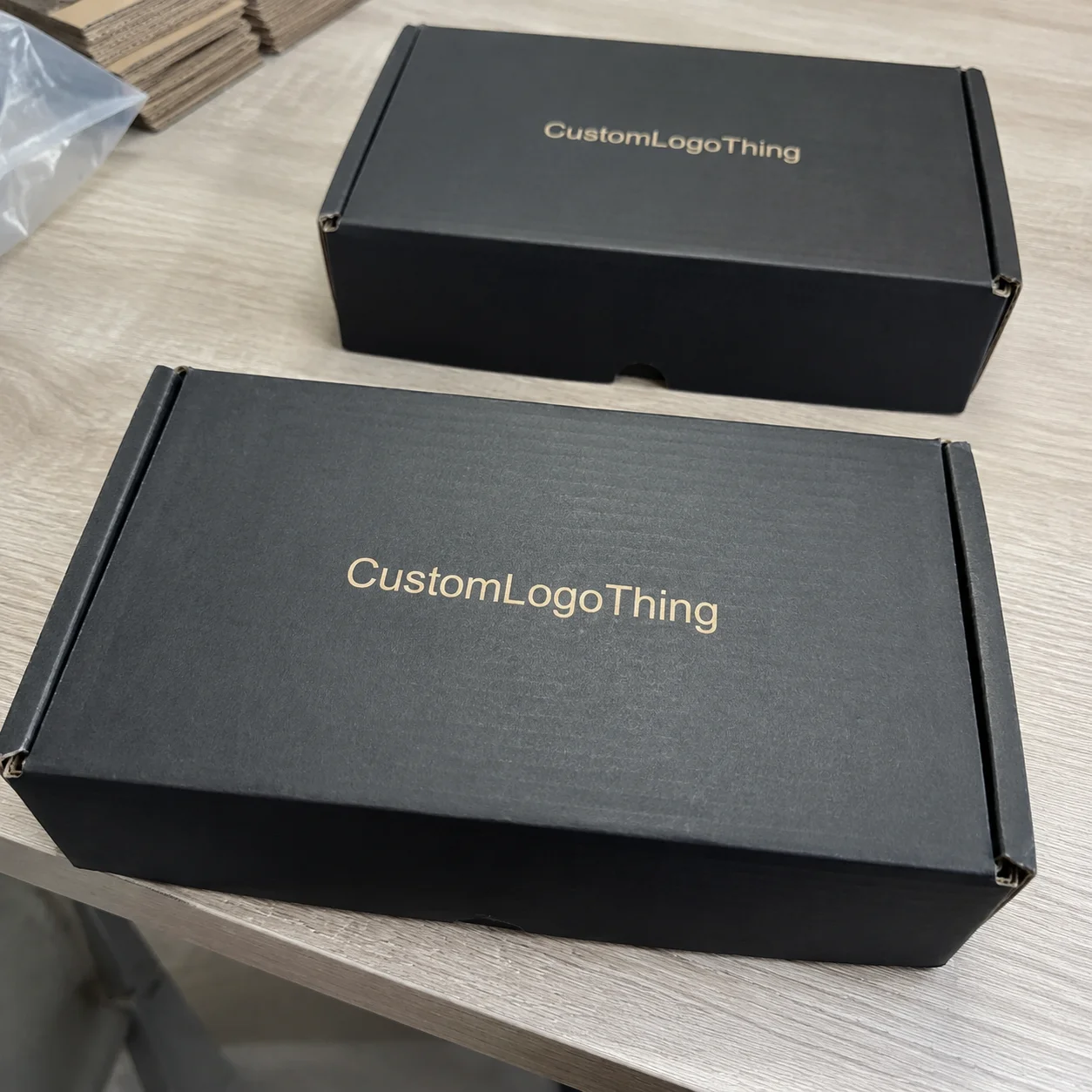
If you are building a fitness studio Custom Poly Mailer Bags material spec guide, the first mistake is treating the mailer like a giveaway pouch. Studio shipments carry more variables than a standard promo kit: folded apparel, supplements, resistance bands, grip accessories, gift cards, and small retail bundles all behave differently in transit. A useful fitness studio custom poly mailer bags material spec guide has to account for that mix, not just the logo on the front.
The other common mistake is starting with the artwork and hoping the packaging will sort itself out. The bag may look premium on screen, but that tells you almost nothing about seam strength, puncture resistance, or whether the adhesive still performs after a cold night on a truck. Nice graphics do not rescue a weak structure. They just make the failure more visible.
For studios that ship regularly, the mailer is doing two jobs at once. It protects the order, and it acts as a branded touchpoint. Those jobs can conflict. A bag that is ultra-thin and low-cost may print beautifully, yet tear when a dense bundle lands in one corner. A thick bag may protect better, but it can look bulky or push unit cost higher than the shipment deserves. That tradeoff is why the spec matters.
Why fitness studios need better mailer material specs than generic promo bags
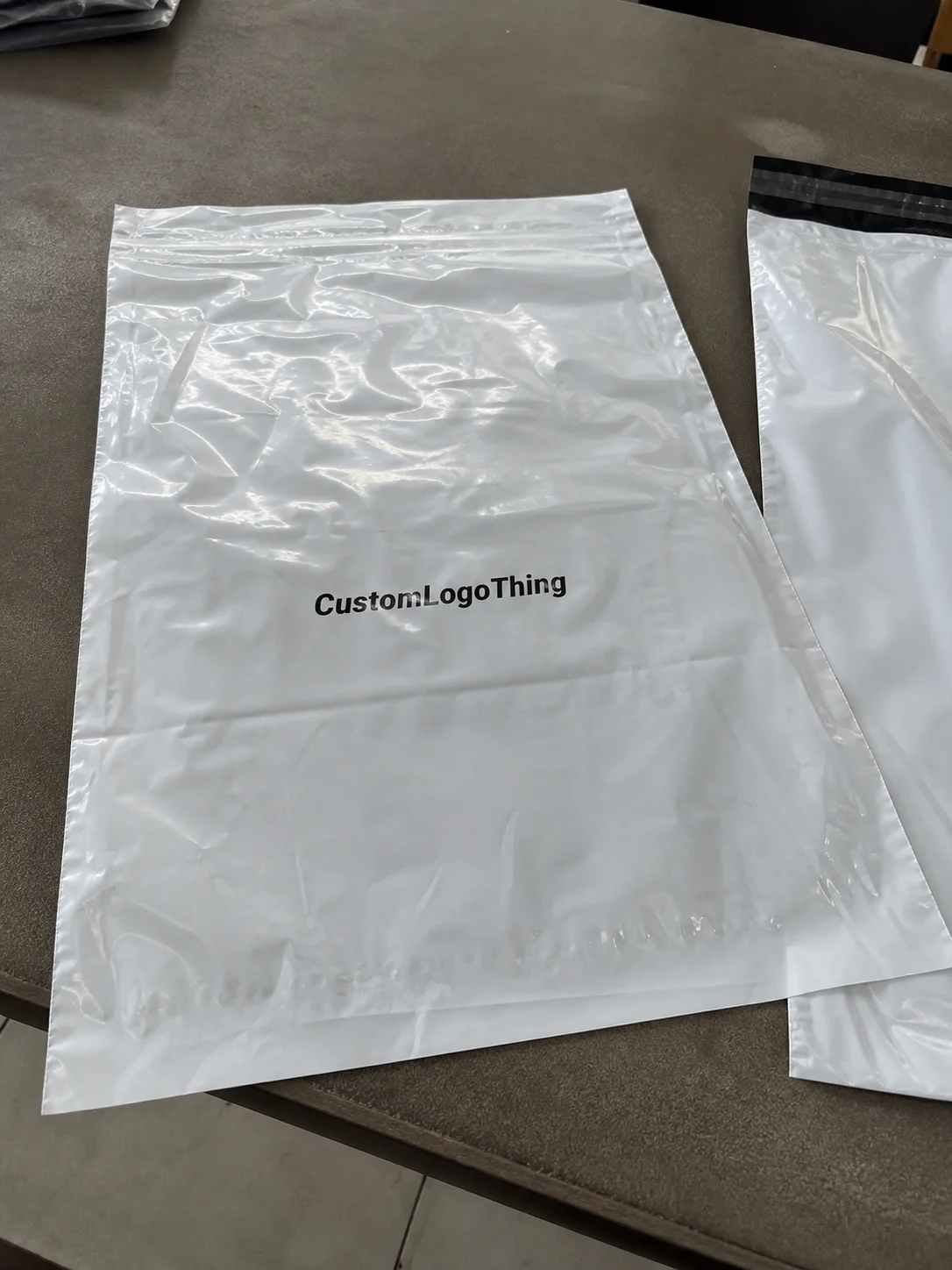
Generic promo pouches are usually designed for lightweight handouts or short-distance distribution. Fitness studio shipping is not that tidy. One order may be a single tee. The next may contain leggings, a shaker bottle, a protein sample pack, and a pair of ankle weights. The bag needs to survive weight, shape, surface texture, and whatever handling the courier throws at it.
The spec is what keeps the purchase honest. A proper fitness studio Custom Poly Mailer Bags material spec guide should define the film type, thickness, seal style, closure, opacity, print method, and whether the bag needs tear resistance or returnability. Without those details, buyers often compare samples that look similar but are built very differently underneath.
Here is the practical surprise: the heaviest-looking orders are not always the hardest. A compact bundle of accessories can stress a mailer more than a larger but softer apparel stack. Corners, hard edges, and tightly packed inserts create concentrated pressure points. Thin film has a hard time forgiving that.
“A mailer that saves one cent and creates a return is not saving money. It is moving cost downstream.”
That downstream cost is not only a reshipment. It can include customer service time, replacement product, and brand damage when the package arrives split or wrinkled. If you run a studio with recurring membership drops or ecommerce apparel, packaging failures compound quickly because they tend to repeat in the same order profile.
So the first question is not “What looks premium?” It is “What survives our actual shipment mix?” That shift in thinking changes nearly every purchasing decision.
How custom poly mailers work from film to finished shipment
Most poly mailers begin as polyethylene film that is converted into a pouch with sealed edges and a closure strip. Some are made from a single film layer. Others use co-extruded construction, which combines layers with different properties so the bag can balance strength, flexibility, and print performance. The outer surface usually carries branding. The inner layer affects slip, seal behavior, and how the bag responds under load.
Moisture resistance, puncture resistance, and flexibility are the three traits that matter most in fitness shipping. Apparel can arrive damp from post-workout handling. Supplements need protection from spills and humidity. Accessories with molded or metal parts can puncture low-grade film if the bag is too thin or the load is poorly distributed.
Common material options include:
- LDPE — flexible, familiar, and widely used for light apparel and simple kits.
- Co-extruded PE blends — a strong option when the outer layer needs print quality and the inner layer needs better toughness.
- Recycled-content PE — useful for sustainability goals, though appearance and print consistency can vary by supplier and recycled content level.
There is no universal “best” material. A bag that performs well for folded tees may underperform for a mixed retail bundle. The right call depends on the heaviest realistic order, not the average one. That distinction matters because average orders are often misleading. The shipment that causes damage is usually the outlier.
Print finish is another variable buyers underestimate. Gloss can make colors pop, but it also shows scuffs faster in bulk handling. Matte hides handling wear better and can feel more restrained, although some colors appear less vivid. If the studio brand leans dark, minimal, or premium-athletic, matte often reads cleaner. If the brand depends on bright, high-contrast graphics, gloss may be the better fit. The material choice changes the visual result as much as the design file does.
Many buyers compare poly mailers alongside other branded packaging, such as Custom Poly Mailers and broader Custom Packaging Products like custom printed boxes, kraft paper mailers, and corrugated shippers. That comparison is useful because it shows where a mailer is genuinely the best tool and where a box is the safer option for shape protection.
For route damage thinking, the ISTA framework is helpful. It reminds buyers that shipping failures are usually a system issue, not a single-material issue. Product weight, pack pattern, route length, and handling all matter. A good film spec helps, but it does not replace testing.
Key material factors that drive strength, brand feel, and durability
Thickness is the first number buyers ask for, but thicker is not automatically better. A 2.5 mil bag may be perfectly adequate for light apparel. A 4 mil bag may be unnecessarily expensive for the same item. On the other hand, if the shipment includes accessories or a dense bundled kit, the extra film may be exactly what prevents tearing at the seam or corner.
That is why it helps to think in use cases instead of prestige. A studio shipping welcome kits once a quarter has different needs from a studio fulfilling apparel orders every day. The same bag spec will not serve both equally well.
Seal integrity is the next place problems show up. Side seams, bottom seams, and adhesive closure strips take more stress than they get credit for. If the bag is overfilled, the seam becomes the weak point. Cheap adhesive can also underperform in cold storage or dusty packing environments, where bond quality drops fast.
Opacity affects both privacy and presentation. Customers usually do not want leggings, undergarments, supplements, or branded freebies visible through the mailer. Opaque film solves that and makes the package look cleaner at first glance. Clear or semi-clear film can work for some non-sensitive items, but it usually feels less polished in fitness retail.
Durability is not one thing. It is a combination of puncture resistance, stretch, and water resistance. Stretch helps during packing. Puncture resistance matters after the bag is closed. Water resistance protects against rain, condensation, and damp handling in transit. Fitness products can be soft, but the packed orders are often far from soft once inserts and accessories are included.
Sustainability belongs in the spec too. Recyclable PE, recycled content, and downgauged film can all reduce material use. The catch is that “sustainable” does not automatically mean “durable.” Recycled-content films can vary in haze, print response, and tear behavior. If the studio wants to make a sustainability claim, the claim should match the actual film and the local recycling reality, not a generic marketing line.
| Material option | Best for | Main tradeoff | Typical buyer takeaway |
|---|---|---|---|
| LDPE | Light apparel, member kits | Less rigidity | Good value when the pack is simple |
| Co-extruded PE | Mixed orders, stronger branding | Slightly higher cost | Often the best middle ground |
| Recycled-content PE | Sustainability-led studios | Variable appearance | Request samples before scaling |
| Reinforced film | Heavier bundles, accessories | Higher unit price | Worth it if returns are expensive |
Quality testing does not have to be complicated, but it should be real. Ask for a sample and pack the product exactly as the warehouse will pack it. Check whether the adhesive closes cleanly, whether the seam holds when the bag is flexed, and whether the print stays legible after handling. ASTM-oriented thinking is useful here: the point is to verify performance under likely stress, not to rely on appearance.
One more practical detail: the surface of the mailer changes how the brand reads. A glossy black mailer with a small white mark can look elegant in a studio launch photo and cheap after a few cartons are stacked and dragged across a packing table. Matte hides that abrasion better. The same design file can produce a very different perceived quality depending on the film finish.
Material spec checklist for ordering fitness studio mailers
A clean spec sheet keeps the project focused and makes supplier quotes comparable. That matters because one vendor may quote a structure that looks equivalent on paper but performs differently in the warehouse. If the shipment profile is not defined first, the pricing conversation gets fuzzy fast.
Start with the product itself:
- Item profile — apparel only, supplements, accessories, or mixed kits.
- Average and maximum weight — do not use the average alone.
- Packed dimensions — folded garment size plus inserts or hard goods.
- Fulfillment conditions — daily ecommerce, subscription drops, return use, or launch kits.
Then define the material target. Do not default to the thickest bag offered. That is how overbuying happens. A better method is to match the film to the heaviest realistic order, then add a buffer for rough handling. If typical shipments are around 8 to 12 ounces but the heaviest bundle reaches 1.5 pounds, spec for the heavier scenario and test from there. The cost difference between underbuilding and building sensibly is usually smaller than the cost of a single failed shipment.
Printing deserves its own line item. If the logo uses thin text, gradients, or narrow linework, ask what print process will be used and what finish the film has. A design that looks sharp in PDF can blur on the wrong substrate. Matte can hide handling wear. Gloss can make colors more vivid. Neither is universally superior.
Here is the checklist that actually helps when ordering:
- Bag size with tolerance range
- Film type and target thickness
- Seal style and adhesive type
- Opacity target
- Print colors, finish, and acceptable color variance
- Tear strip or tamper-evidence requirement
- Pack count per carton
- Acceptance standard for samples and pre-production proof
Tolerance ranges deserve attention because a nominal 12 x 15 inch bag is not always exactly that size. A small variance can matter if the folded garment is tight or if the insert stack is stiff. The wrong tolerance can turn a bag that looks correct into one that splits at the seam.
Ask for the spec in writing. If the bag is supposed to be opaque, say how opaque. If the closure needs to work in cool storage, say that. If the mailer has to hold a return item later, note that too. Clear language prevents vague quotes and reduces redesigns later.
Cost, pricing, and MOQ factors buyers should compare
Price is driven by a handful of variables: bag size, thickness, material blend, print coverage, special finishes, and order volume. MOQ, or minimum order quantity, can be the real surprise. Smaller studios often see a low MOQ as a safe starting point, but the unit cost usually rises sharply because setup and print preparation are spread across fewer bags.
That is not a trick. It is production math. A run of 1,000 units absorbs nearly the same setup burden as a run of 10,000, so the smaller run carries more overhead per bag. Once the order gets larger, material and freight usually dominate more than setup.
Buyers should watch for hidden costs that are not always obvious in the first quote: plate or setup fees, sample shipping, freight, proof revisions, and rush charges. Even a small artwork correction can trigger reproofing. A low headline number can turn into a more expensive purchase once those items land.
Here is a simple pricing pattern to use as a sanity check:
| Order profile | Likely unit cost trend | What drives the price | Buyer note |
|---|---|---|---|
| Small custom run | Highest | Setup and print prep | Best for testing demand |
| Mid-volume reorder | Moderate | Better spread of setup cost | Usually the sweet spot |
| Large volume run | Lowest | Material and freight dominate | Requires strong forecast confidence |
When you compare quotes, keep the specs identical. Same size, same film target, same print colors, same closure style, same MOQ. Otherwise you are not comparing price, you are comparing assumptions. That is where packaging budgets drift.
Tiered pricing is worth requesting. A quote at 5,000 units, 10,000 units, and 25,000 units helps show whether ordering once or splitting into two runs makes more sense. For fitness studios with seasonal launches, that can be the difference between paying for storage and paying for a higher unit price. There is no universal sweet spot, but there is usually a point where the savings flatten out.
Process and lead time: from spec approval to production
The workflow is usually straightforward: brief, size or dieline selection, artwork setup, material confirmation, sampling, approval, production, and delivery. Delays rarely come from the machines. They usually come from late decisions, vague approvals, or a design team that keeps changing the artwork after the structure is already selected.
Color matching is one of the most common friction points. A brand color that looks sharp on a screen can shift once it is printed on a translucent or glossy film. That is especially true for dark colors and fine white type. If the studio’s branding depends on exact color identity, ask for a proof that reflects the actual material rather than a generic digital mockup.
Sampling is not a courtesy step. It is part of the risk control. A sample shows whether the adhesive closes correctly, whether the logo reads clearly, and whether the bag fits the packed product without tension. If the sample feels wrong in the hand, it will not improve during production.
For simple custom mailers, lead times often fall in the 12 to 15 business day range after proof approval. Add complexity—custom size, heavy print coverage, specialty film, recycled-content sourcing, or a nonstandard closure—and the timeline can stretch. That is normal. What hurts is discovering the extension after the launch date is already public.
Keep the project moving with a short internal checklist:
- Final logo files in vector format
- Approved copy and legal text
- Confirmed shipping address
- Backup contact person for approvals
- Locked dimensions and material target
It also helps to lock the size and film spec before final design signoff. If the dieline changes after the creative is approved, artwork often has to be rebuilt. That adds time and creates avoidable frustration. A clean sequence is a practical advantage, not a cosmetic one.
For fitness studios that run promotions around class launches, apparel drops, or membership campaigns, the safest planning assumption is that the first proof will need one round of correction. Sometimes it will not. Planning for one round keeps the schedule realistic and avoids panic if the proof reveals a sizing or color issue.
Common mistakes that cause failed shipments or wasted spend
The biggest mistake is buying by appearance. A mailer can look polished and still fail in transit. That is especially true for mixed orders or heavier accessories. The package has to survive the fulfillment environment, not just a tabletop review.
Another common failure is vague language. “Eco-friendly” and “strong” are not useful unless they are tied to measurable specs. Film type, thickness, seal performance, and sample acceptance criteria matter more than broad claims. Without those details, the quote is hard to trust and the run is hard to repeat.
Branding mismatches cause trouble too. A glossy bag may make dark studio colors look flatter, or it may reflect light in a way that hides fine text. A matte bag can be easier to read, but it may mute some color treatments. Material and design have to be selected together because the substrate affects the brand result.
Skipping samples is still one of the costliest mistakes. A bag can pass a visual inspection and still fail once the adhesive meets cold air or the product shape creates a corner load. Samples catch those problems before production, which is much cheaper than finding them during fulfillment.
Overordering is the last trap. Buyers often lock in a low unit cost before they have confirmed the real pack pattern. Then membership kits change, returns are handled differently, or a new apparel range shifts the dimensions. Now the warehouse is holding the wrong bag size in a box of discounted optimism. Start with a realistic quantity, learn from the first run, then scale.
If sustainability is part of the promise, verify the claim carefully. Recyclable or recycled-content film can be a smart choice, but only if the actual packaging structure supports it. Local recycling rules vary, and the label on the bag does not override what a facility can process. A precise claim is better than a vague one.
Expert next steps for smarter custom mailer buying
The most useful next step is simple: build a one-page spec sheet with product weight range, bag size, target thickness, print requirements, and branding goals. That document becomes the anchor for supplier conversations and keeps the fitness studio Custom Poly Mailer Bags material spec guide grounded in real production needs.
Then test two or three sample materials with the actual packing workflow. Do not just squeeze the film between your fingers. Pack the real product, close the bag, apply the label, and move it through the same handling the fulfillment team uses. The best mailer is the one that works with your process, not the one that looks best in isolation.
Ask for quotes on identical specifications side by side. Same bag size, same film target, same print coverage, same MOQ. Once those variables are fixed, the differences in unit cost, lead time, and freight become much easier to interpret. That is where the real comparison starts.
Set a reorder threshold before the first shipment goes out. If you wait until the last carton is open, the supplier has less room to help with price or timing, and a stockout becomes more likely during a promotion or launch window. A small buffer is usually cheaper than a rush order.
The first run also tells you whether the spec was too aggressive or too conservative. If the bags arrive with spare capacity, you may be paying for more film than needed. If the seams look stressed, the next reorder should move up a level. That feedback loop is where packaging gets smarter.
Strong buyers do not just ask for a bag. They ask for a material system that fits the product, the route, and the brand. That is how a fitness studio Custom Poly Mailer Bags material spec guide turns into fewer returns, cleaner deliveries, and better long-term value.
What material is best for fitness studio custom poly mailer bags material spec guide orders?
LDPE and co-extruded PE are the most common choices for apparel and light retail kits. If the shipment includes heavier accessories, supplements, or mixed bundles, a thicker or reinforced film is usually safer. Prioritize seam strength and puncture resistance over appearance alone when the pack is heavy or oddly shaped.
How thick should custom poly mailer bags be for gym apparel shipments?
Light apparel often works with a slimmer film, while bulkier or heavier orders need a stronger gauge. Match thickness to the heaviest realistic packed order, not the average one. Sample testing is the fastest way to confirm whether the chosen thickness holds up under real packing conditions.
What affects custom poly mailer pricing the most?
Bag size, thickness, material type, print complexity, and order quantity are the main drivers. Setup costs matter more on smaller runs, which is why MOQ can raise the unit price quickly. Special finishes, recycled-content films, and custom closures also affect pricing.
How long does production usually take for custom poly mailers?
Simple orders often move through production in about 12 to 15 business days after proof approval, though the total timeline depends on sampling, artwork changes, and material availability. More customized projects take longer. Build proofing time into the schedule so launches do not slip.
Can fitness studios use recyclable poly mailers without sacrificing durability?
Yes, recyclable PE options can still perform well if the bag is specified correctly. Durability depends on the full structure, not the sustainability label alone. Confirm print quality, closure performance, and tear resistance before switching materials at scale.