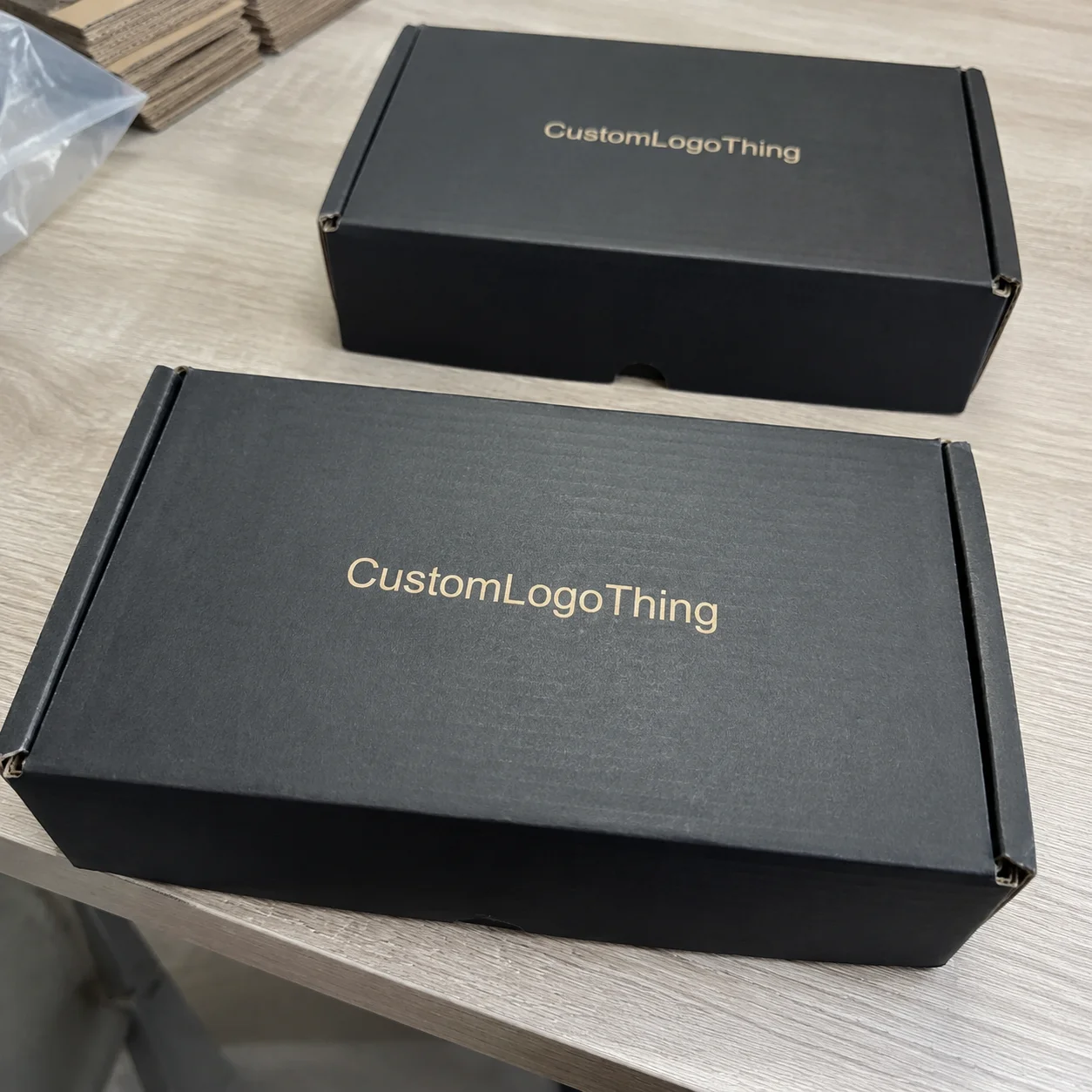
For many brands, startup brand custom poly mailer Bags Wholesale Order planning begins earlier than expected. The bag is not just shipping material; it is the first physical brand touchpoint a customer sees, keeps, photographs, or reuses. A plain white poly bag can make a $60 order feel generic. A well-planned branded mailer, by contrast, can lift perceived value without adding much weight or slowing the packing line.
That balance matters because startups are usually solving three problems at once: controlling freight, protecting product, and looking legitimate from day one. The best mailer order is not the most elaborate one. It is the one that ships cleanly, fits the product, supports brand identity, and does not create waste in cash or inventory.
Why startup brands move to custom mailers sooner than expected
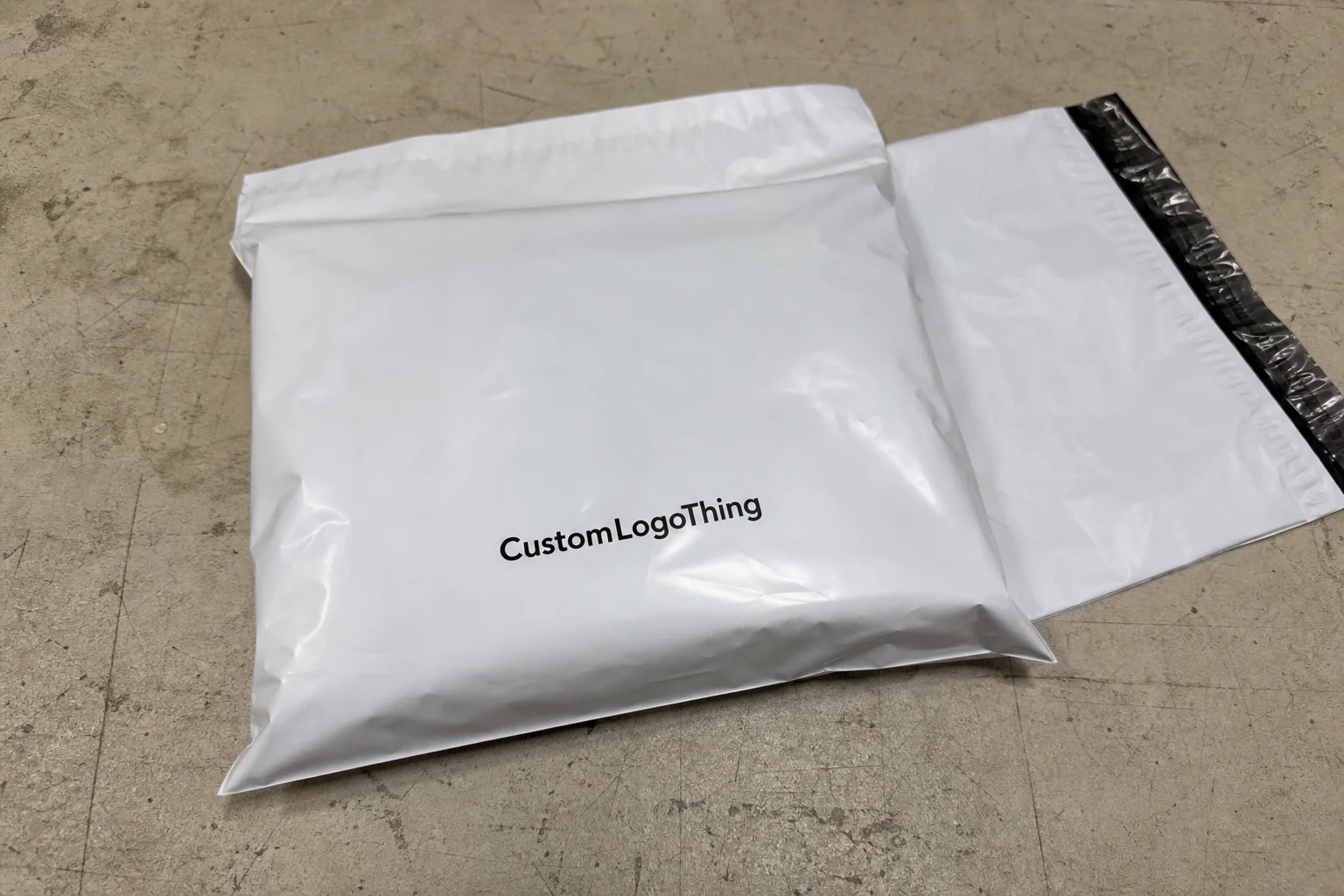
Most founders expect packaging to be a late-stage decision. In practice, it lands early because the customer sees it before the product itself. If the first package looks improvised, the brand can feel smaller than the money spent to acquire that customer. That is why startup brand Custom Poly Mailer Bags Wholesale order planning often moves up the calendar faster than the team expected.
There is a practical reason too. Poly mailers are light, which helps keep dimensional weight down on apparel, soft goods, and small accessories. Compared with custom printed boxes, a mailer can reduce material cost and shipping mass at the same time. For a startup shipping hundreds or thousands of orders, that difference shows up in both packaging spend and freight.
Wholesale buying makes even more sense once the brand has repeatable SKUs. A first run can cover launch inventory, paid social orders, influencer seeding, and replacements for packing mistakes. A larger order usually lowers unit cost enough to justify the upfront spend, especially if the design is stable. The risk is underplanning and ending up with a bag size that is too tight, a print that is too small, or an MOQ that strains working capital.
From a packaging buyer’s point of view, the best early decision is to treat the mailer as part of product packaging, not an afterthought. That mindset usually leads to better fit, better print clarity, and fewer reorders caused by inconsistency.
Good mailer planning is not about decoration alone. It is about protecting margin, reducing damage, and making the shipment feel intentional the first time the customer touches it.
If the packaging system is still taking shape, it helps to review Custom Poly Mailers alongside broader Custom Packaging Products so the mailer supports the rest of the package branding, not just the shipping step.
Mailer construction, print options, and brand presentation
Before requesting pricing, a startup should understand what it is actually buying. A poly mailer is usually made from polyethylene film, and the details vary: single-layer versus co-extruded film, matte or gloss finish, tamper-evident adhesive, and tear lines or reinforced seams. Those details affect how the bag performs in transit, how it feels in hand, and how well it supports branding.
For light apparel and accessories, a standard poly mailer often works well. For heavier bundles or items with sharp edges, thicker film and stronger seal performance matter more than a dramatic print. That is where practical packaging design beats decoration. If the bag bursts in a carrier sort center, nobody cares how sharp the logo looked on the mockup.
Print options also shape the customer’s first impression. A one-color logo on a solid background is clean, fast to produce, and usually easier to control. Full-surface graphics can create a stronger unboxing experience, but they add complexity, especially if artwork wraps around seams or requires tight registration. Matte finishes tend to look more premium and photo-friendly. Gloss can feel brighter and more promotional. Neither is automatically better.
The most useful question is not “What looks coolest?” It is “What supports the brand and survives shipping?” A mailer that looks intentional, resists puncture, and carries the logo clearly will usually do more for packaging perception than a design packed with effects that distract from the product.
For suppliers and buyers both, a simple product matrix helps.
| Mailer option | Best for | Typical strengths | Tradeoffs |
|---|---|---|---|
| One-color logo mailer | Launch orders, apparel, accessory SKUs | Lower setup complexity, clean brand identity, lower unit cost | Less visual impact than full coverage |
| Full-surface printed mailer | Fashion, DTC brands, campaign drops | Strong shelf and social presence, more branded packaging impact | Higher print complexity and often higher MOQ pressure |
| Matte finish mailer | Premium positioning, photo-heavy brands | Subtle appearance, better fingerprint resistance | Can show scuffs differently than gloss |
| Gloss finish mailer | Bright, promotional, high-contrast branding | Vivid color appearance, low material cost in many cases | Can look less premium if artwork is crowded |
One buying rule stands above the rest: the best mailer is the one that protects the product and supports the brand without creating avoidable freight waste. That is especially true for startups shipping a mix of apparel, subscription kits, and small hard goods.
Specs that control fit, durability, and print clarity
If the first quote request is vague, the pricing will be vague too. A startup should confirm width, length, gusset if used, film thickness, print coverage, adhesive strip width, and acceptable color tolerance before anyone talks about unit cost. That is the backbone of startup brand Custom Poly Mailer Bags wholesale order planning. Without it, every quote becomes a moving target.
Size selection should start with the shipped product, not with the artwork. A folded tee, a hoodie, and a boxed accessory bundle may all sound “small,” but they behave very differently inside a bag. A mailer that fits a folded T-shirt snugly may be too tight for a bulkier kit, especially if tissue, inserts, or return labels are included. Once the item starts pushing against the seal area, puncture risk rises.
Thickness matters too. Common film thicknesses vary by application, but a lightweight apparel mailer and a bag built for heavier bundles should not be treated as the same spec. For many startup brands, the decision comes down to product weight and handling risk: thinner film for soft goods with low abrasion, thicker film for denser or sharper products, and stronger seams if the mailer is doing the job a box would normally do.
Print clarity can fail in ways that are easy to miss on screen. Fine text disappears on dark film. Edge-to-edge graphics can shift slightly at the trim or fold line. Barcodes and QR codes need room and contrast. Surface texture also changes how ink appears. A matte bag can soften color a bit, while gloss can make dark tones appear deeper. Those are small details, but they matter when the whole package is doing brand duty.
For risk control, I usually recommend this sequence: choose durability first, then print ambition, then optional features. Metallic ink, special coatings, and extra effects are useful only after the basics are locked. If the bag fails physical handling, no finish can rescue it.
For brands that need shipping standards context, the broader packaging industry uses test and performance thinking from groups such as the International Safe Transit Association and material guidance from organizations like EPA recycling resources. The exact test path depends on product weight, route, and carrier handling, but the principle stays the same: packaging should be chosen for the trip, not just the photo.
Cost, pricing, and MOQ tradeoffs for first orders
Cost starts with the obvious drivers: bag size, film thickness, print coverage, number of colors, special finishes, and quantity. The real number is broader than the quote line. Setup charges, proofing, freight, and the cost of correcting a bad spec can change landed cost quickly. That is why startup brand Custom Poly Mailer Bags wholesale order planning should always compare the full order economics, not just the unit price on paper.
For low-volume launch orders, a lower MOQ can protect cash and make testing safer. If the design needs adjustment after the first sell-through, the brand can revise without sitting on thousands of unused bags. The tradeoff is higher per-unit cost. A larger order usually lowers that number, but it also ties up inventory and raises the cost of any design mistake. There is no universal best answer.
Typical market pricing varies by size and print specs, but a basic one-color custom mailer at higher quantities may land in the rough range of $0.18-$0.28 per unit, while more complex full-coverage designs or heavier films can move higher. Freight is separate. So is any tooling or setup charge. If a supplier hides those details, the quote is incomplete.
Here is a practical way to compare options:
| Order type | Why buyers choose it | Pricing behavior | Inventory risk |
|---|---|---|---|
| Lower MOQ test run | Validates size, print, and customer response | Higher unit price, lower cash commitment | Low to moderate |
| Mid-volume launch buy | Balances price and flexibility | Better unit cost than a test run | Moderate |
| Wholesale volume order | Supports stable forecast and repeat sales | Best unit economics if specs are locked | Higher if demand is still uncertain |
When requesting quotes, ask for itemized pricing by size and print option, plus any setup line, and make sure the reorder price is written down. Reorders should be predictable. If the second purchase is a surprise, the first quote was not actually complete.
For brands with environmental reporting or recycled-content goals, material and disposal questions may also connect to third-party programs like the FSC framework, though FSC is more often relevant to paper-based components than to poly film itself. The point is not to force a certification where it does not belong. The point is to understand exactly what the packaging claim means.
Process, timeline, and production steps from proof to delivery
The production path is usually straightforward, but timing breaks when the inputs are not ready. A normal workflow runs like this: artwork intake, spec confirmation, digital proof, approval, production, inspection, packing, and transit. Each step matters, and each one can add delay if the information is incomplete.
The proof stage is where a lot of startups lose time. If artwork is not supplied as clean vector files, the design team may need to rebuild edges or adjust line thickness. If color references are vague, matching becomes subjective. If dimensions are still being debated, the supplier cannot finalize layout. That is not a factory problem. It is a project problem.
In many cases, a typical custom poly mailer run takes about 12-15 business days from proof approval, but that depends on quantity, print complexity, and current production load. More intricate graphics, unusual colors, or custom structures can stretch the schedule. Shipping time is extra, and international freight adds another layer of variability. If the launch date is fixed, work backward from the delivery deadline, not the production start.
There are a few ways a buyer can speed the process:
- Send vector artwork, usually AI, EPS, or print-ready PDF.
- Confirm exact dimensions before requesting the quote.
- Approve the proof quickly, or send consolidated edits instead of piecemeal changes.
- Choose standard materials when possible instead of custom structures that require additional testing.
- Keep quantity stable once the PO is issued.
Delay usually shows up in the same places: late artwork, unclear sizing, unavailable film colors, or last-minute quantity changes. The packaging team can only move as fast as the slowest decision. That is why a packaging buyer should build time for revisions into the calendar instead of assuming the first proof is the final proof.
What a packaging supplier should do before your launch date
Price matters, but support often matters more. A supplier serving startup brands should communicate clearly, flag print limitations early, and keep proofs accurate. The best vendors do not just take an order; they help tighten the spec so the order is repeatable. That is especially valuable for brands that plan to scale from a pilot run into ongoing wholesale packaging buys.
Good support also reduces mismatch risk. If a supplier notices that the logo is too close to the seal line, or that a background color may print differently on matte film, that warning can save a reprint. Reprints are expensive because they compound the original cost with time loss, freight, and launch disruption. A small correction before production is far cheaper than a fix after the bags are already in transit.
Consistency matters more than many founders expect. Customers notice when a mailer color shifts between shipments, when logo placement drifts, or when the seal feels weaker on a later batch. Those inconsistencies can make a growing brand look less controlled than it is. In packaging design, repetition builds trust.
The same logic applies to branding systems beyond the mailer. A brand that uses consistent product packaging, matching inserts, and coherent mailers usually looks more established than one that changes style every order. If your team is still building the packaging stack, it can help to review supplier capabilities through Wholesale Programs and related Case Studies to see how repeat production is handled in practice.
Supplier quality is not just about defect rate. It is about whether the vendor can keep the next order aligned with the first one, without making the buyer re-explain the spec every time.
For startups, that stability is a business asset. It reduces hidden costs from damaged goods, protects launch timing, and prevents packaging from drifting away from the rest of the brand system.
Next steps for a quote-ready first mailer order
The cleanest path forward is simple. Measure the product as it ships, estimate monthly volume, choose a target bag size, define print coverage, and decide whether the first order is a test quantity or a launch inventory buy. That short list will make startup brand Custom Poly Mailer Bags wholesale order planning easier to price and easier to execute.
Before contacting a supplier, gather the basics: artwork files, desired quantity, preferred finish, shipping destination, and any deadline tied to launch or campaign timing. If the team is still sorting the structure, shortlist two size options and compare landed cost per shipment, not just per bag. A bag that is a few cents cheaper can cost more overall if it increases damage, slows packing, or forces a second order too soon.
For most startup brands, the right decision is the one that balances presentation, protection, and reorder flexibility. That may mean a simple one-color logo today and a more elaborate print later. It may mean choosing a slightly larger size to reduce packing friction. It may mean buying enough inventory to cover a launch cycle and a small buffer, rather than chasing the absolute lowest entry price.
In practice, the best first order is the one that can be repeated without surprises. If the spec is clear, the supplier is responsive, and the sizing matches the product, the mailer becomes more than shipping. It becomes part of the brand’s operating model.
FAQs
How many custom poly mailer bags should a startup order first?
Start with enough quantity to cover one launch cycle plus a small buffer for damaged goods or sample sends. If demand is uncertain, a lower MOQ is safer than overcommitting cash to inventory before reorder data exists.
What thickness is best for startup brand custom poly mailer bags?
Choose thickness based on product weight, puncture risk, and whether the mailer will replace a box or only act as an outer wrap. Heavier apparel bundles and accessory kits usually need more durability than single lightweight items.
How long does a custom poly mailer wholesale order usually take?
Timeline depends on proof approval, material availability, print complexity, and order size. The fastest way to avoid delay is to send final artwork and exact specs before requesting production.
What artwork files are needed for a custom poly mailer order?
Vector files are preferred because they hold clean edges and scale without losing quality. A clear logo, color references, and placement notes reduce proof revisions and help keep the project on schedule.
How do I compare pricing across different mailer quotes?
Compare identical specs first: same size, film thickness, print coverage, and quantity. Then look at setup charges, freight, and reorder terms so the real unit cost is visible.