The corporate gifting Custom Poly Mailer Bags print method comparison usually gets treated like a technical footnote. It is not. Buyers notice the difference the moment the package lands. A mailer can have the right dimensions, decent film thickness, and a good closure strip, yet still feel underwhelming if the logo is blurry, the color is off, or the ink rubs when the bag is handled. That first touchpoint matters because the package is carrying your brand into a lobby, a conference room, or someone’s home office.
In corporate gifting, the print finish often affects perceived value more than the plastic itself. A sharp logo on a matte mailer can look more premium than a heavier bag with weak coverage. That is why the decision is rarely just about the bag. It is about which printing process delivers the best mix of speed, appearance, durability, and cost for the campaign you actually need.
For buyers comparing Custom Poly Mailers, the main options are flexographic printing, gravure printing, digital printing, and screen printing for certain spot-color jobs. Each method brings a different setup burden, different minimum order expectations, and different strengths in color fidelity. A useful corporate gifting Custom Poly Mailer Bags print method comparison is really a comparison of production realities, not just visual preferences.
Why print method matters more than the bag itself
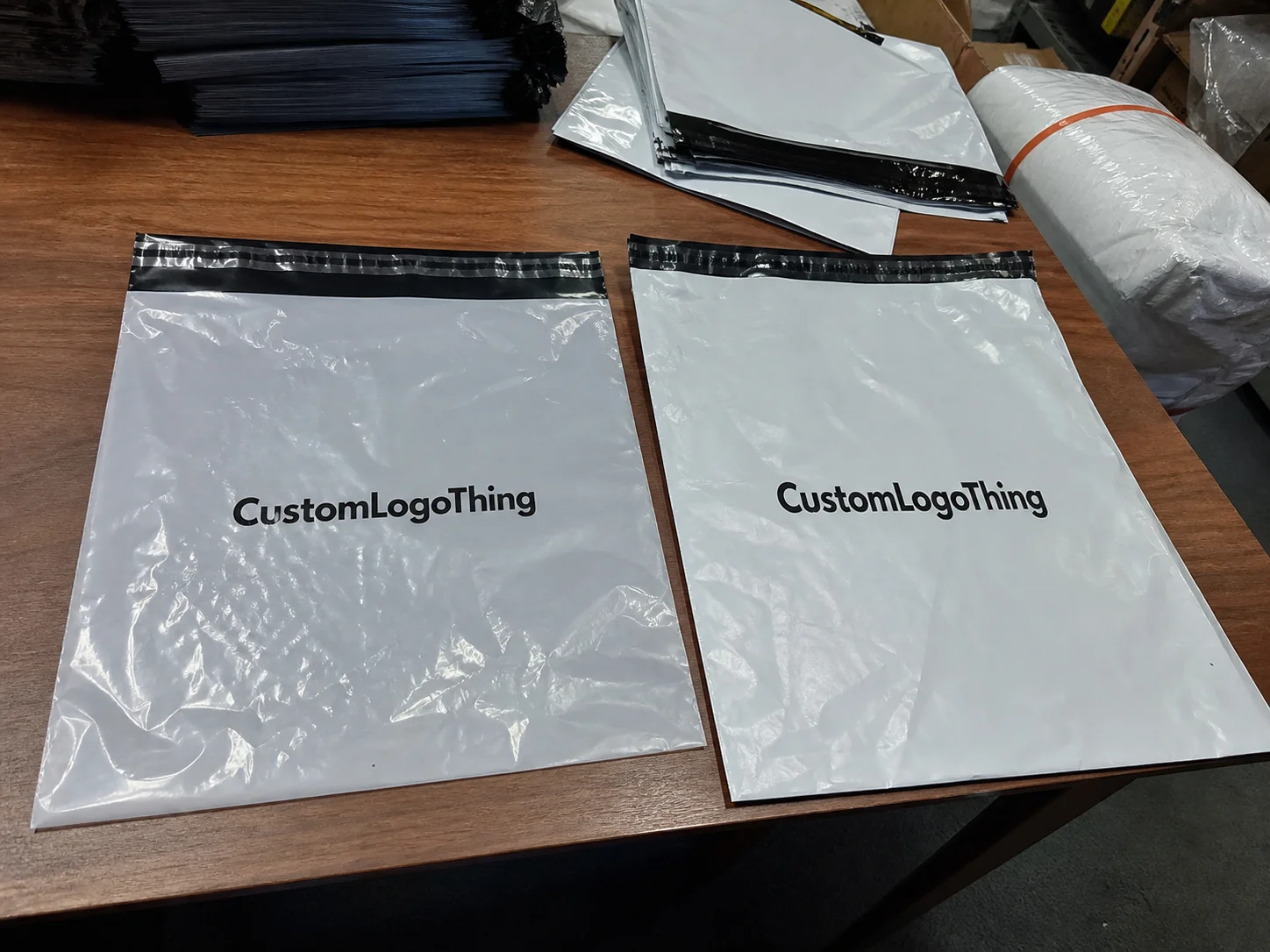
Most poly mailers are made from polyethylene film, typically LDPE or a comparable blend, with common thicknesses in the 2 to 4 mil range. The bag matters, but the surface is what complicates the print. Poly film does not absorb ink the way paper does. That means the process has to sit cleanly on the surface or bond well enough to survive folding, sliding, and abrasion during transport.
That is why a design that looks polished on a monitor can behave very differently on film. A deep background color, fine linework, or small typography may reproduce well in one process and turn muddy in another. In practice, the print method often determines whether the mailer reads as branded packaging or as a plain shipping pouch with a logo added late in the game.
The four methods buyers usually compare look like this:
- Flexographic printing — efficient for repeat orders and solid spot colors.
- Gravure printing — suited to very high volumes and detailed, consistent coverage.
- Digital printing — useful for short runs, variable artwork, and faster approvals.
- Screen printing — effective for bold spot colors and heavier ink laydown.
From a buyer’s point of view, the comparison is not only about appearance. MOQ, setup fees, turnaround time, scuff resistance, and repeatability all matter. Corporate gifting is especially unforgiving because the package often arrives before the gift is opened. If the mailer looks cheap, the entire presentation starts on the wrong foot.
“If the bag arrives with scuffed logo edges or washed-out color, the recipient does not blame the print shop. They blame the brand.”
That is why the real trade-off is usually speed versus polish versus scale. Digital printing offers flexibility and quick turnaround. Flexo tends to become efficient as volume rises. Gravure can produce excellent long-run consistency, though the tooling takes time and money. Screen printing can look striking, but it is not the right answer for every design.
How custom poly mailer printing works on plastic bags
To understand the corporate gifting Custom Poly Mailer Bags Print method comparison, start with the substrate. Polyethylene film is flexible, smooth, and slightly tricky. Compared with paperboard, it is far less forgiving. Ink adhesion, cure quality, and surface treatment all affect the final result. A design that looks perfect in a PDF can fail on press if the file setup, film, or ink system is mismatched.
Flexographic printing uses flexible plates mounted on cylinders. Ink transfers in controlled layers, which makes it practical for repeatable runs and clean spot colors. It is often a sensible middle ground for companies that want reliable branding without paying for the heaviest tooling costs.
Gravure printing relies on etched cylinders. Those cylinders hold fine detail and deliver consistent ink transfer across long runs. The upfront cost is higher, and the tooling lead time is longer, but once production starts, the output is hard to beat for uniformity. That is why it often appears in larger corporate gifting programs where multiple shipments must look identical over time.
Digital printing applies artwork directly to the film without plates or cylinders. That removes a major setup step, which is why digital is common for low-volume runs, test campaigns, or designs that change from one recipient group to another. It is also the easiest path for short-run personalization.
Screen printing pushes ink through a mesh stencil and lays down a heavier deposit. That can create vivid color and strong tactile presence, especially for simple logos or one- and two-color designs. It is less suitable for detailed images, but on dark or matte bags the result can be visually strong.
The production chain usually follows the same broad sequence: file cleanup, color matching, proofing, setup, printing, curing, trimming, inspection, and packing. Each method changes that sequence in small but important ways. Digital skips plate or cylinder creation. Flexo and gravure need tooling. Screen printing can require careful registration and longer drying. The gap between a smooth order and a delayed one is often created before the first sheet reaches the press.
Design complexity also changes the equation. Gradients, tiny type, and full-coverage backgrounds are not equally easy across methods. Metallic effects may be possible in some workflows and impractical in others. If the mailer has to survive repeated handling, the print also needs decent scuff resistance and moisture tolerance. For transit expectations and packaging handling guidance, organizations such as ISTA are useful references.
Durability is not academic here. Poly mailers flex, slide, rub against cartons, and get stacked in ways a flat proof never experiences. A light ink layer may look fine in a photo and still fail under friction. Better-bonded systems usually hold up more reliably, though the result still depends on film formulation, ink chemistry, curing, and handling conditions.
For broader packaging and end-of-life context, the EPA recycling guidance is useful when teams are balancing brand goals with material choices and disposal expectations.
Cost, MOQ, and unit price trade-offs
Pricing is where many corporate gifting teams get surprised. A quote can look clean on paper while hiding several moving parts: bag material, printing, tooling, setup, proofing, waste allowance, and freight. In a corporate gifting Custom Poly Mailer Bags print method comparison, the lowest unit price is not always the lowest total cost.
Here is the broad pattern buyers usually see:
| Print method | Best volume range | Typical cost behavior | Setup burden | Turnaround tendency |
|---|---|---|---|---|
| Digital | Low to moderate quantities | Higher per-unit, lower setup | Low | Fastest |
| Flexographic | Moderate to high quantities | Balanced unit pricing after setup | Moderate | Moderate |
| Gravure | High to very high quantities | Best unit economics at scale | High | Longest |
| Screen printing | Short runs with bold graphics | Can be economical for simple art | Moderate | Variable |
As a rough market pattern, digital printing often makes sense for 500 to 2,000 bags when speed matters more than deep unit savings. Flexo often becomes more competitive around 3,000 to 20,000 pieces, depending on the number of colors and the size of the artwork. Gravure can offer the best cost per unit at large volumes, but the tooling expense can be difficult to justify unless the campaign is repeatable or substantial. Screen printing can sit outside those rules because it works best with very simple, high-contrast art.
Unit pricing also shifts with design complexity. More colors usually mean more passes or more ink stations. Full-bleed coverage increases ink use. Fine details raise prep time and waste if the press needs repeated adjustment. That is why a two-color logo and a full-surface illustrated mailer are never comparable quotes, even if the bag size is identical.
The question every buyer should ask is whether the quote uses the same assumptions across methods. A fair comparison should list price per bag, setup fee, tooling cost, lead time, and overage allowance. If one quote includes 2 percent overage and another assumes extra spoilage internally, the numbers are not directly comparable.
For planning purposes, many custom printed poly mailer orders fall somewhere around $0.12 to $0.45 per unit, depending on volume, film thickness, print coverage, and method. That is a wide range because standard sizes with simple art are priced very differently from fully customized, heavily branded runs. Custom complexity almost always adds cost somewhere in the chain.
There is also a hidden budget issue that shows up in procurement reviews: rework. A slightly cheaper quote that misses color targets, requires a second proof cycle, or ships late can wipe out the savings quickly. The price line matters, but so does the cost of one failed drop.
Process and timeline: from artwork to delivery
The production path usually starts with artwork cleanup. Vector files are ideal because they scale cleanly and preserve line sharpness. If the logo only exists as a low-resolution JPEG, the printer may need to redraw it or request a better file. That can add several days before the order reaches prepress.
Then comes proofing and color matching. This is where Pantone references, logo rules, and background tones become real production variables instead of brand-guide language. A deep navy on screen can print flatter on film if the ink system or substrate is not matched properly. Buyers who skip proof review often discover the mismatch only after the cartons arrive.
A typical sequence looks like this:
- Confirm quantity, bag size, and film thickness.
- Prepare artwork in vector format.
- Review digital proof or physical sample.
- Approve color references and print placement.
- Move to press setup and production.
- Inspect, pack, and ship.
Digital printing usually moves fastest because it skips plate or cylinder creation. Flexo sits in the middle. Gravure usually takes longer because tooling is heavier and setup is more involved. Screen printing can be fast for simple art, but registration and drying can still stretch the schedule.
Bottlenecks tend to show up in the same places: missing vector files, low-resolution logos, Pantone mismatches, slow approvals, and last-minute layout changes. These are not dramatic problems, but they are the ones that push a project off schedule. Corporate gifting orders often live inside narrow windows such as conference mailings, employee onboarding kits, or client appreciation drops. When the window closes, it closes quickly.
Plan for extra time if the order needs samples, gift inserts, or multi-location delivery. If the mailer must coordinate with custom printed boxes or another kit component, the timeline widens because one delayed piece can stall the whole presentation. The same applies to multi-warehouse drops, especially when destination addresses are still being finalized.
Practical rule: do not build the schedule around the minimum lead time if the order matters to a launch, event, or holiday gifting window. A few business days of cushion can disappear fast once proof revisions begin.
Choosing the right print style for brand impact
Visual priority should drive the choice. If the brief calls for clean logos and dependable everyday branding, flexo is often enough. If the campaign needs personalization, variable names, or multiple design versions, digital printing is usually the most practical fit. If the order is large and the brand wants near-identical consistency across a long production window, gravure deserves serious attention. If the artwork depends on bold, high-contrast color fields, screen printing can look excellent.
Corporate gifting changes the brief because the package is part of the reveal. The mailer may be opened in front of colleagues or photographed before it is opened. That means the bag is doing more than protecting contents. It is signaling tone. Serious. Friendly. Premium. Minimal. In that sense, it behaves like package branding with very little time to make its point.
Color complexity matters too. Some corporate palettes are harder to reproduce on plastic film than buyers expect. Soft greys, deep blues, and subtle gradients can shift depending on the method. A design built on tonal variation may need digital or a tightly controlled flexo setup. A flat solid logo is usually easier to manage and often cheaper to produce. The print method should be considered during design, not after art is finalized.
The shorthand below is useful:
- Digital — best for short runs, personalization, and test campaigns.
- Flexo — best for repeatable corporate branding at scale.
- Gravure — best for long runs where detail and consistency matter most.
- Screen — best for bold artwork with limited colors.
Many buyers begin with price and end with disappointment. The smarter sequence is to define the recipient experience first. Do you want the mailer to feel minimal and contemporary? Loud and promotional? Premium and restrained? That answer usually points to the right process faster than a spreadsheet does.
If the gifting kit includes other branded elements, comparing the mailer against the rest of the package helps keep the presentation coherent. A useful place to check options is Custom Packaging Products. The goal is not to make every item identical. It is to make the whole package feel intentional.
Common mistakes in custom poly mailer orders
The first mistake is choosing a method that cannot handle the design. Tiny text, fine lines, and complex gradients can blur or break if the process is not suited to them. This usually happens when artwork was built for a screen mockup instead of a plastic substrate.
The second mistake is ignoring MOQ until the quote arrives. By then, the buyer may need to cut the campaign, simplify the art, or stretch the budget. Minimums should be part of the planning conversation from the start, not a surprise at the end.
The third mistake is approving artwork from a monitor image only. A screen can hide contrast issues, off-brand color, and placement problems. A physical proof is better, and a realistic photo proof is the minimum when the project uses subtle tones or full-bleed art.
The fourth mistake is forgetting about shipping abuse. Poly mailers get tossed, stacked, dragged, and folded. If the ink system is too light or the bond is too weak, the logo can rub off before the recipient ever sees it. That risk hurts more in corporate gifting because the mailer itself is part of the experience.
The fifth mistake is treating durability and polish as separate goals. They are linked. A mailer has to travel well and still look good on arrival. Good suppliers understand that balance; it is central to a useful corporate gifting custom poly mailer Bags Print Method Comparison. If the bag arrives damaged or the print degrades in transit, the brand loses credibility at the exact moment it was trying to build it.
One more issue shows up often: over-specifying the project. Buyers sometimes ask for a print effect that sounds impressive but adds cost, extends lead time, and creates little practical value. If the bag is for a simple internal gift drop, there is usually no reason to chase the most complicated option available.
Actionable next steps before you request a quote
Before requesting pricing, build a simple comparison sheet. Include quantity, bag size, film thickness, number of colors, target delivery date, and shipping destination. That single page reduces back-and-forth and makes supplier quotes easier to compare.
Next, gather logo files in vector format and confirm brand colors in advance. If the campaign relies on subtle tones, ask for a proof on actual film. If the project includes multiple mailer versions, spell that out clearly so the vendor can tell whether digital printing or another method fits better.
When requesting quotes, ask for at least two print methods side by side. That forces the conversation away from vague sales language and toward real trade-offs: unit cost, setup fee, lead time, and overage allowance. If a supplier can only quote one method, the comparison is incomplete.
If the order is tied to a gifting deadline, ask about sample timing, approval windows, and production queue status. A supplier that can print quickly still needs time for proofing and inventory checks. If the order spans multiple sites, confirm delivery logistics before production starts.
Best practice: choose the method that fits the gifting goal, not just the one with the lowest line item. A strong quote should support the right balance of budget, speed, and visual impact.
For teams comparing branded packaging across mailers, inserts, and secondary containers, the best decisions usually come from a controlled side-by-side review. That is why the corporate gifting custom poly mailer bags print method comparison belongs early in the process, before artwork is locked and before the deadline starts forcing trade-offs.
Which print method is best for corporate gifting custom poly mailer bags with small logo runs?
Digital printing is usually the most practical for short runs because it avoids plate costs and heavy tooling. It is also easier to personalize or test multiple designs without committing to a large MOQ.
How do I compare unit cost across custom poly mailer print methods?
Compare price per bag, setup fees, tooling charges, proof costs, and freight on the same quantity. A lower unit price can be misleading if the method carries high upfront costs or a larger minimum order.
What print method gives the most durable branding on plastic mailer bags?
Durability depends on the ink system, curing, and handling, but flexo and gravure often perform well for long runs. Ask about scuff resistance and request samples if the mailers will be handled heavily.
How long does the process usually take for custom printed poly mailers?
Digital can be the fastest because it skips plates or cylinders, while gravure usually takes longer. Artwork approval, proofing, and inventory availability can add more time than the print run itself.
Can I use one print method for different corporate gifting campaigns?
Yes, but the best method may change based on quantity, artwork complexity, and deadline. Many buyers use digital for test campaigns and flexo or gravure for larger repeat programs.