Fitness studio Custom Poly Mailer Bags Print Method Comparison usually comes down to one thing: which method makes the bag look right after shipping, not just in a mockup. A logo can be clean on screen and still print too flat, too dull, or too fragile on poly film if the process does not match the artwork and order size.
For fitness brands, the mailer is part of the customer experience. It affects perceived value, package branding, and whether the order feels aligned with the studio's pricing. That is why the useful question is not which print method is best in general, but which method fits the actual volume, artwork, and turnaround you need.
Why print choice changes the first impression of studio mailers
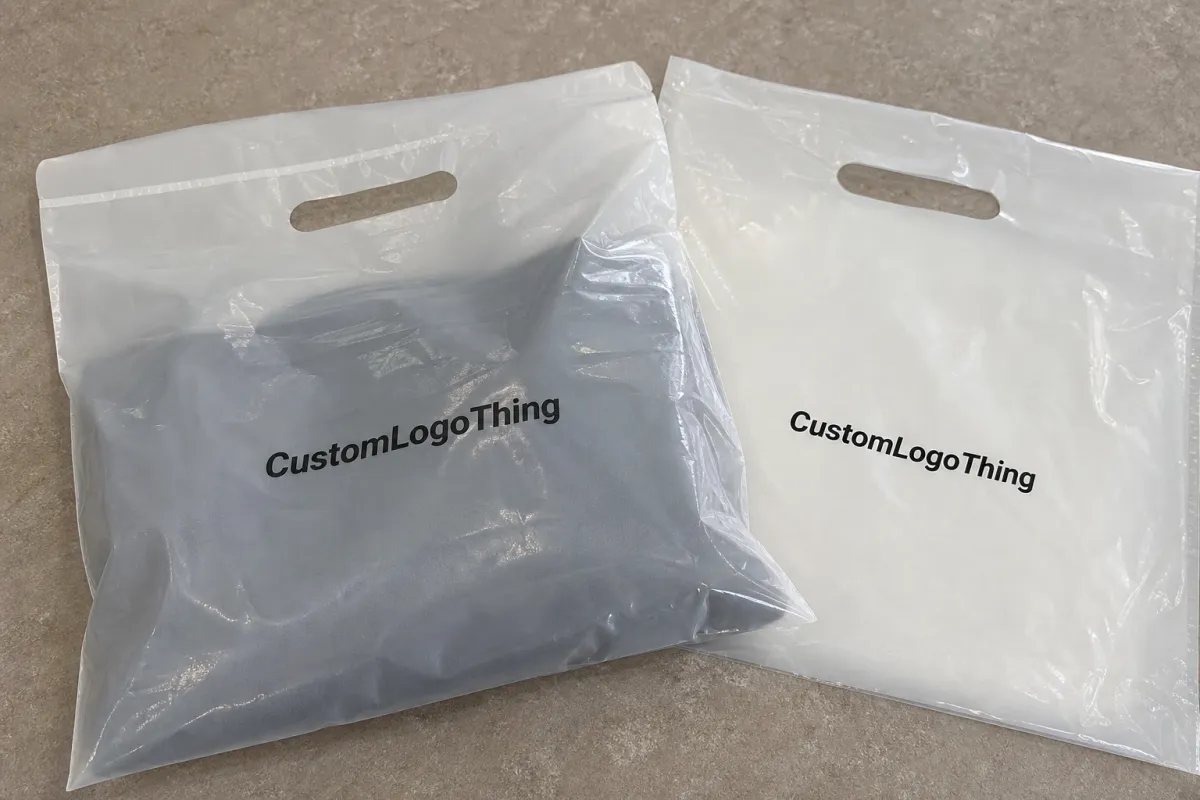
Fitness studio mailers often arrive before the product experience does. If the logo is crisp, the ink coverage is even, and the film looks intentional, the buyer assumes the rest of the order was handled with the same care. If the print scuffs in transit or the contrast disappears on a dark bag, the brand loses that advantage fast.
The most common mistake is choosing artwork before checking the substrate. Poly film is smooth and low-porosity, so ink sits on top rather than soaking in. That means the print method has to work with the film, the bag color, and the shipping conditions. Bags get folded, compressed, and rubbed against labels during transit, so the finish has to survive real handling, not just a proof screen.
A studio mailer is never "just a bag." It is a small proof of standards.
That matters even more for premium memberships, apparel drops, and welcome kits. If the shipment carries a higher price point, the packaging needs to look controlled and durable. Strong branded packaging does not need to be loud; it needs to look deliberate.
For buyers comparing Custom Poly Mailers with other Custom Packaging Products, the useful question is which print process supports the story you want the customer to believe.
How the main print methods bond to poly film
Poly mailer film behaves differently from paper or corrugated board. Ink must bond to the surface without smearing, flaking, or losing contrast. That is why the print method matters so much in a custom mailer order.
Digital printing works well for short runs, frequent artwork changes, and designs with more color variation. It is usually the easiest option when a studio needs quick proofs or seasonal versions. Digital can handle gradients and more detailed artwork better than many simple spot-color systems, though the result still depends on the film and bag color.
Flexographic printing is often the better choice for higher-volume runs. Plates are made once and reused across the order, which helps lower unit cost when the design stays stable. For simple logos and repeat replenishment, flexo usually offers good consistency and efficient production.
Screen printing is the strongest option for bold, limited-color artwork. The thicker ink layer creates high visibility, especially on darker bags. It is less suitable for gradients or tiny text, but it can be excellent for a clean logo that needs to read from a distance.
Buyers usually notice four things first:
- Edge definition: flexo and screen can produce very sharp logos when the art is simple.
- White ink support: useful on black or colored film when contrast matters.
- Gradients and photos: digital is usually the best fit.
- Durability after handling: curing, drying, and film quality matter as much as the process.
For orders that move through third-party fulfillment or rough shipping lanes, some studios ask about shipment simulation or handling tests. That is reasonable when the bags need to survive real distribution. You can review general shipment testing guidance at ISTA.
| Print method | Best fit | Typical order profile | Visual strengths | Tradeoffs |
|---|---|---|---|---|
| Digital printing | Short runs, design changes, multi-color artwork | 500-5,000 bags | Good color variation, fast proofing, flexible artwork | Unit price can stay higher at scale |
| Flexographic printing | Repeat orders, simple logos, larger volume | 5,000+ bags | Strong consistency, efficient production, low unit cost at volume | Plate setup and revisions add time and cost |
| Screen printing | Bold artwork, limited colors, high-contrast branding | 1,000-10,000 bags | Thick ink deposit, sharp impact, strong visibility | Less suited to gradients or very detailed designs |
Cost, pricing, MOQ, and unit cost tradeoffs
Buyers often focus on unit price first, but that can hide the real cost. A low per-bag quote may still become expensive once setup, artwork prep, freight, and MOQ are added. If the studio cannot use the bags quickly, the cheapest quote can become the most costly decision.
The main cost drivers are straightforward:
- Setup: plate making for flexo, screen prep, or digital file processing
- Artwork: cleanup, color separation, proofing, and revisions
- Material: film thickness, opacity, and seal strength
- Print coverage: one color, two colors, front-only, or both sides
- Freight: carton weight, pallet count, and destination
MOQ changes the math more than many first-time buyers expect. A lower unit price can still be a worse deal if the studio has to buy far more bags than it can move in a season. Small launches and pilot programs usually favor digital printing because the setup burden is lower. Repeat replenishment tends to move toward flexo once the artwork is stable.
Material choice matters too. If a bag is printed well but the film is too thin, the premium effect disappears as soon as the order is handled. A 60- to 70-micron film may work for lighter apparel, while heavier shipments often need a thicker spec for better puncture resistance and seal confidence.
Environmental claims should be checked carefully. If the bag is marketed as recyclable or made with recycled content, ask for documentation rather than assuming the claim is standardized. For broader recycling guidance, the EPA recycling resources are a useful reference point.
Process, timeline, and lead time from proof to shipment
Most delays happen before production begins. The order usually moves from artwork upload to digital proof, then revisions, then sample approval if needed, and only after that does printing start. If the bags are tied to a studio opening or a membership drive, those early steps matter more than the print speed alone.
A practical lead-time framework looks like this:
- Proofing: 1-3 business days for a clean file, longer if colors or barcode placement need adjustments
- Production: 7-15 business days for many standard orders, depending on method and volume
- Curing or drying: added time for some screen and flexo runs
- Freight transit: can add several days, especially for palletized orders
Digital printing is often fastest for smaller quantities because it skips plate creation. Flexographic printing usually takes longer at the start because of setup, but it can run efficiently once the line is moving. Screen printing is its own lane: simple, bold art can move quickly, but complex jobs need more care.
What changes the timeline most is usually color matching, multi-side printing, and revisions after the first proof. If the studio wants front-and-back print, barcode placement, or exact brand colors that need to match other packaging, expect extra proof rounds. That is not a problem; it is the cost of control.
Plan from the buyer side, not just the production side. The key question is not only how fast the bags can print, but how quickly the proof can be approved and whether any copy changes might reset the schedule.
Key factors to weigh before you approve artwork
Before approving artwork, start with volume, brand complexity, and how often the design will be reused. Those three factors usually point to the right method faster than a price sheet does. If the studio changes offers every month, digital printing is easier to manage. If the design stays fixed across reorders, flexo becomes more attractive.
Brand complexity matters because some designs need layered color, while others only need a bold logo and a website. A simple wordmark can look strong in screen print. A gradient badge, a QR code, and fine type usually fit digital better. The more elements you add, the more the proof has to be checked carefully.
Pay attention to the details that are easy to miss:
- Film thickness: thinner film may save money but can reduce tear resistance
- Seal strength: important if apparel, supplements, or accessories ship in bulk
- Opacity: especially relevant for dark garments or retail inserts
- Recyclable claims: confirm the exact substrate and local disposal language
- Print area: make sure the logo does not crowd seams or adhesive strips
If the bag needs a return strip, a printed return panel, or promotional copy, the print method has to support that extra layout. More copy is not always better; it just creates more room for alignment issues. Keep the bag focused on the main brand message.
For packaging systems that include paper inserts or hang tags, certification can still matter. FSC is most relevant to paper-based components, but it helps strengthen the overall packaging story when those pieces are part of the order. You can review the standard at FSC.
Step-by-step method selection for the right order
Start with the use case. Daily e-commerce shipping, member welcome kits, seasonal promos, and retail add-ons all create different requirements. A studio shipping apparel every week needs different durability from a boutique gym mailing one-time intro kits. The Best Print Method follows the use case.
- Define the order profile: estimate monthly volume, repeat frequency, and whether the design will stay fixed.
- Shortlist two or three methods: digital, flexo, and screen cover most buyer needs.
- Request like-for-like quotes: same size, same film thickness, same print sides, same quantity.
- Check proof quality: review color, font clarity, crop marks, and barcode legibility.
- Approve a sample or pilot run: one test round is cheaper than discovering a mismatch after 10,000 bags land.
The proof stage matters because the gap between a digital mockup and the printed bag can be subtle but expensive. A logo that looks sharp on a monitor may lose contrast on black film. A tiny tagline may disappear. A silver accent may flatten. The proof is the only chance to catch that drift before the full order runs.
From a packaging buyer's point of view, the best comparison is not between methods in the abstract. It is between three specific quotes, three specific proofs, and one specific deadline. That turns a branding choice into a procurement decision.
Common mistakes that waste budget or weaken branding
The most expensive mistake is choosing the lowest quote without reading the terms. A low unit price can hide a high setup fee, a high MOQ, or freight that wipes out the savings. This usually shows up when a buyer orders too many bags for an untested campaign.
Another common error is overloading the design. Thin fonts, tiny claims, and complex gradients can blur on poly film, especially on darker substrates. Screen printing is great for bold simplicity, but it is not the right home for fine legal text or a miniature list of membership perks.
Do not skip the proof if the bag will carry a barcode, QR code, or strict brand color. Barcode contrast and scanability are functional requirements, not decorative details. If the code is fuzzy, the shipping team pays for it later in manual fixes and delays.
A few other avoidable missteps:
- Ordering without checking bag size against the actual product bundle
- Assuming all white inks cover the same on dark film
- Ignoring seal placement when adding artwork near the edges
- Not confirming whether the quote includes one side or both sides of print
Some studios also try to make the mailer do too much at once: brand statement, offer sheet, QR code, legal notice, and social pitch. That usually weakens the main message. Strong package branding is usually simpler than people expect. One clear logo, one readable message, one purpose.
If a vendor calls something "eco-friendly" without explaining the substrate or certification, ask for specifics. Vague claims are easy to make. Verified claims are useful.
Expert tips and next steps for a smarter reorder
Build a comparison matrix before you place the order. Keep it plain: cost, timeline, color count, durability, print sides, and reprint flexibility. That turns a noisy supplier conversation into something you can actually evaluate. For buyers handling boxes, inserts, and mailers together, it keeps the packaging program from becoming a set of disconnected choices.
Ask for a landed-cost view, not just a bag price. Freight, artwork revisions, and setup can move the real spend by a meaningful margin, especially on smaller orders. If one quote looks dramatically lower, check whether it includes one-time charges or a higher MOQ.
Here is the practical rule:
- Digital printing: best for small runs, fast changes, and higher color complexity
- Flexographic printing: best for repeat orders and lower unit cost at volume
- Screen printing: best for bold, simple logos with strong visibility
Most studios get better results when they treat the print-method decision as a reusable buying framework instead of a one-time sourcing task. Once the brand approves a stable spec, reorders are easier, color stays consistent, and the packaging stops feeling like a gamble.
If you want the shortest version, choose the method that fits the brand story, the shipment volume, and the turnaround window you actually need. That is how a mailer becomes a controlled part of the order instead of a hidden cost.
Which print method is best for fitness studio poly mailer bags?
Digital printing usually fits shorter runs, faster turnarounds, and designs with more color variation. Flexographic printing often wins for repeat orders with simpler artwork and higher volume. Screen printing can be a strong choice for bold logos and limited-color designs that need high visibility.
How much do custom poly mailer bags for a fitness studio cost?
Pricing depends on setup, material thickness, print sides, color count, and shipping. MOQ matters because a lower unit price can still cost more if the minimum order is high. Ask for a quote that separates unit cost from one-time charges so you can compare methods fairly.
What lead time should I expect for printed mailer bags?
Lead time usually includes proof approval, production, curing or drying, and freight transit. Digital runs are often faster for small orders, while flexo or screen may take longer because of setup. Always confirm the ship date, not just the production date, if you need bags for a launch or opening.
Can I print on both sides of a custom poly mailer bag?
Yes, many suppliers can print front and back, but the method and bag spec can affect cost. Double-sided printing can improve branding or add instructions, return info, or QR codes. Expect extra setup or print-pass charges, especially if each side uses a different design.
How do I compare screen, digital, and flexo for studio packaging?
Match the method to your order volume, artwork complexity, and deadline. Compare total landed cost, not just the quoted bag price. Request samples or proof images so you can judge color clarity, logo sharpness, and durability before buying.

