When a corporate gift arrives in a mailer that feels flimsy, scratches in transit, or pops open before it reaches the recipient, the packaging becomes part of the complaint. That is why a corporate gifting Custom Poly Mailer Bags production quality checklist is not a nice-to-have document. It is the difference between a polished handoff and a costly do-over.
“A mailer can look premium in a proof and still fail on a loading dock. The proof does not ship the package.”
For B2B buyers, the real job is not to make the bag look good on screen. It is to keep the gift protected, the schedule intact, and the brand image consistent across every touchpoint. A weak spec can turn a welcome kit into a reprint, a delayed launch, and a very visible apology. Those problems are usually preventable with a tighter brief and a more skeptical approval process.
The hidden failure mode: mailers that look polished but ship badly
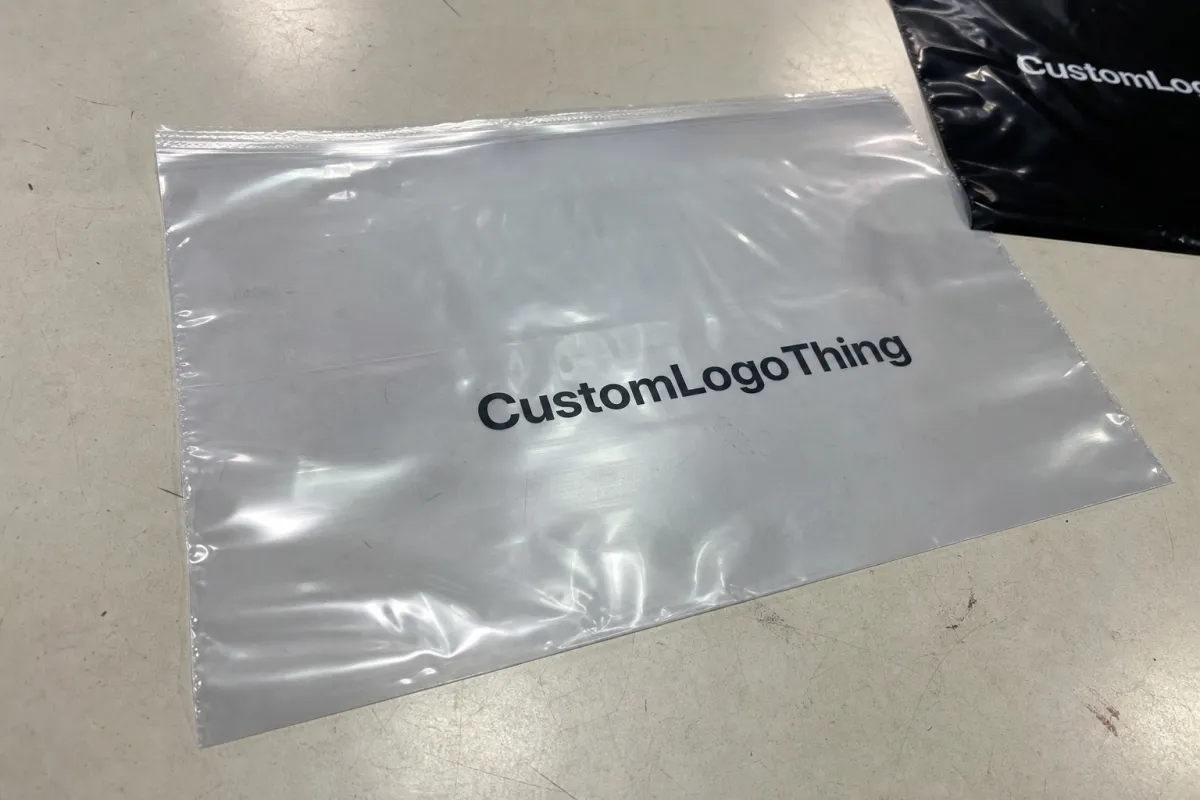
Custom Poly Mailers can pass a visual review and still fail in actual distribution. The image on the proof is only one variable. Real-world performance depends on fit, seal strength, film structure, seam placement, and how the mailer behaves after it is folded, stacked, sorted, and tossed into a courier network.
That is the trap with branded packaging for corporate gifting. Buyers tend to focus on artwork first because that is the easiest part to evaluate. Then the order arrives with a closure that peels too easily, a gusset that distorts the panel, or a logo positioned right where the seam crushes the print. None of that is dramatic. It just looks careless, which is worse.
If the mailer is part of a timed campaign, the consequences widen fast. A defect rate that seems minor on paper becomes a replacement order once thousands of units are in motion. For that reason, the mailer should be treated as a functional product, not a decorative envelope with a logo on it. If your packaging program includes other formats, it helps to compare the mailer against the broader Custom Packaging Products line so the spec fits the rest of the kit.
What the checklist should cover
A good checklist starts with the parts that are easiest to overlook: dimensions, gusset style, film structure, closure type, opacity, load capacity, and print area. Those items sound basic until a supplier rounds a measurement, shifts the artwork, or assumes a size based on a similar order. Close enough is not a production standard.
The checklist should lock down a few things before anyone approves mass production:
- Exact dimensions for width, length, and gusset depth.
- Artwork proof with bleed, safe area, and logo placement.
- Sample approval based on a physical or pre-production unit.
- Tolerance limits for size, color, seam alignment, and registration.
- Packing instructions for folding, carton count, and label format.
Those controls matter because end users notice the shortcuts immediately. A bag that is too tight stresses the adhesive strip. A bag that is too loose lets the contents slide around and crease the print. If the logo sits too close to the side seam, the brand mark can warp in the exact place people look first. That is not design failure. It is specification failure.
The same logic applies to construction choices. A quarter-inch of extra width can change how a gift sits inside the bag, and a small shift in closure placement can decide whether the package seals cleanly or fights the operator. If the campaign is linked to a launch or event, those small errors are not small anymore.
For buyers comparing materials or finish options, Custom Poly Mailers are worth reviewing as a category rather than as a one-off item, because not every campaign needs the same build. A lightweight employee thank-you drop is a different job than a client-facing welcome kit with sharper inserts and a higher presentation bar.
Materials, thickness, and print controls
Most poly mailers are made from polyethylene film, usually LDPE or a co-extruded blend. The difference matters. A single-layer bag can be fine for light contents, but co-extruded film often provides better puncture resistance and a more refined hand feel. That is useful when the recipient opens the package in a client meeting, at a desk, or in front of a team.
Thickness is where many buyers either overspec or underspec the order. Too thin, and the bag wrinkles, stretches, and tears more easily at the corners. Too thick, and you pay for protection you may not need. For standard corporate gifting, many orders land in the 60-80 micron range. Heavier contents, sharper corners, or rougher shipping routes can justify thicker film, but the choice should be tied to the contents rather than a vague preference for “premium.”
Print controls deserve the same attention as the film. The key checks are color consistency, ink adhesion, registration, and scuff resistance. If the logo drifts even a little, the packaging looks off. If the ink rubs during sorting, it looks worse. A supplier should be able to confirm color targets with a standard reference such as Pantone where the artwork calls for it. “Pretty close” is not a usable instruction.
Surface finish changes how the mailer reads in person. Matte film usually hides fingerprints and can make the graphics feel more restrained. Gloss increases contrast and can make colors pop harder, though it also shows handling marks more quickly. Recycled-content film may support sustainability goals, but the texture and brightness can vary more from batch to batch. That is not a defect by itself; it is a tradeoff buyers should understand before approving the sample.
One more practical test: check abrasion resistance against the other components in the shipment. If the mailer sits with custom boxes, inserts, or rigid items in the same kit, the surface should survive contact with those materials. A beautiful print that scuffs during packing is still a bad print.
For general background on packaging design decisions, the Packaging Association provides useful material references and industry context. It is better to use those references early than to discover the mismatch after the run is complete.
Production workflow, timeline, and delivery checkpoints
The cleanest workflow is surprisingly unglamorous: artwork submission, proofing, sample approval, mass production, packing, and shipment. Most delays begin with a missing dimension, a low-resolution file, or a late revision that forces the factory to stop and rework the layout. Speed usually dies in the brief, not on the floor.
A practical order of operations looks like this:
- Submit the final measurements, artwork files, quantity, and shipping destination.
- Review a digital proof for layout, spelling, print position, and any color notes.
- Approve a physical or pre-production sample.
- Run mass production with in-line checks for size and print consistency.
- Confirm carton packing, count, and shipping marks.
- Release the shipment after final signoff.
Most missed deadlines are predictable. The common causes are unclear measurements, low-res logos, delayed sample feedback, and revision creep after the proof has already been approved. If a launch date is fixed, build backward from that date and leave room for at least one correction cycle. In custom packaging, proofing and sample approval often take longer than the actual manufacturing run. That is normal, and it is exactly why rushed orders get expensive.
For timing, a sensible buffer includes artwork review, sample approval, production, transit, and one contingency block. If a supplier mentions distribution testing, ask whether the mailer has been checked against an ISTA handling framework or a similar drop and compression routine. You do not need a lab report for every order, but you do want to know the package can survive ordinary handling.
A realistic timeline also depends on order size and construction. A simple one-color run can move quickly once the sample is approved. Multi-color graphics, special finishes, recycled-content film, or a larger carton count all add time. Buyers who assume the most optimistic turnaround usually end up compressed on the back end. Planning for the likely case is safer than betting on the best case.
Pricing, MOQ, and quote comparison
Custom Poly Mailer pricing is influenced by more than print count. Size, thickness, material blend, closure type, packaging method, quantity, and freight all affect the final number. So does the way the supplier structures the quote. A low headline price can hide sampling, tooling, rework, or shipping costs that show up later.
The checklist should include quote review, not just sample review. Buyers comparing vendors need to separate the pieces that actually move landed cost. That makes it easier to see whether the price is efficient or just incomplete.
| Option | Typical MOQ | Approx. unit price at 5,000 pcs | Best fit | Watch-outs |
|---|---|---|---|---|
| Standard PE mailer, 1-2 colors | 1,000-3,000 | $0.11-$0.18 | Lightweight gift mailers and simple brand drops | Less premium feel, fewer finish options |
| Co-extruded matte film | 2,000-5,000 | $0.16-$0.26 | Corporate gifting with a more polished look | Higher cost, more sensitive to proof accuracy |
| Thicker security-style mailer | 3,000-10,000 | $0.19-$0.32 | Heavier contents and sharper inserts | More material cost, can feel bulky |
| Recycled-content film | 3,000+ | $0.18-$0.30 | Sustainability-led gifting campaigns | Appearance may vary more from batch to batch |
MOQ is a strategic choice, not just a number. Smaller runs reduce inventory risk and let a campaign stay flexible. Larger runs usually lower unit cost and simplify scheduling, but they only make sense if the artwork and message have a longer shelf life. A one-time event mailer should not be bought like an evergreen onboarding kit.
Ask for the following line items in writing:
- Tooling or plate fees.
- Sampling cost and whether it is credited later.
- Packing method, including bulk packed or individually packed.
- Freight terms and destination.
- Rework policy if the print or dimensions miss the approved spec.
The last item matters more than many buyers expect. A supplier who is clear about remakes, credits, and responsibility usually costs less in the long run than the one with the cheapest quote and the foggiest paperwork. Once a shipment is wrong, the landed cost is no longer theoretical.
Common manufacturing mistakes that damage the order
Most bad mailer orders fail for ordinary reasons. Wrong measurements. Low-resolution artwork. Logo placement too close to the seam. Unverified closure strength. None of these problems are exotic. They are just expensive.
One common mistake is approving a visual mockup without checking a real sample. A screen proof cannot show how the film folds, how the adhesive strip grips, or whether the logo stretches when the bag is filled. Another is assuming that a design that prints cleanly in one color will behave the same across the whole run. Ink adhesion and registration can drift if the controls are loose.
Margins are another weak spot. If the art sits too close to the edge, the seam can clip the design. If the mailer is too short, the contents stress the closure. If the bag is too narrow, the gift swells the panel and leaves tension lines across the surface. Those flaws do not scream for attention, but they make the whole package feel rushed.
The larger mistake is treating a poly mailer for corporate gifting like generic shipping stock. It is visible packaging. Recipients read quality from it immediately, often before they touch the gift inside. A tolerance that might be acceptable for ordinary fulfillment can look sloppy on a premium drop.
That is why the review standard should be tighter than “looks fine from a distance.” The mailer needs to hold up under handling, not just under a presentation slide.
Inspection steps before final approval
Before the run is released, ask for a pre-production sample, a written spec sheet, and photo proof of the exact print layout. For larger or time-sensitive orders, keep a clear record of who approved what and when. That is not bureaucracy for its own sake. It is the simplest way to avoid disputes later.
A short field test catches most practical issues. The sample should pass a fit check with the actual gift inside, a seal pull test, a light drop check, and a scuff rub check. For higher-value campaigns, it is reasonable to ask whether the package should be evaluated with an ISTA-style handling sequence rather than only a visual inspection. The point is not to over-engineer the order. The point is to see the failure before the shipment does.
A useful approval sequence is straightforward:
- Compare the sample against the written master spec.
- Measure width, length, and gusset depth with a ruler or caliper.
- Confirm the closure holds under ordinary handling.
- Inspect print color, placement, and surface wear.
- Document the acceptable defect rate before production begins.
That last step tends to be skipped, and it causes more trouble than most people expect. If the acceptable defect rate is not written down, every problem becomes a judgment call after the fact. Better to agree on the threshold in advance, even if the threshold is conservative. Production is much easier to manage when the rules are visible.
It also helps to align the mailer approval with the broader packaging system. If inserts, boxes, or internal wraps are part of the same campaign, the colors and finish should work together. Otherwise the outer mailer can look polished while the rest of the kit feels disconnected.
Closing thoughts for cleaner orders
A cleaner order starts with a brief that leaves less room for interpretation. Confirm the size, material, print colors, quantity, packing method, and delivery date in one place. Then compare the sample to the master spec line by line before money changes hands. If something is vague, fix it before production starts. That is cheaper than fixing it after cartons are already labeled.
For most corporate gifting programs, the best result is not flashy. It is controlled. The mailer fits the contents, the print stays where it should, the finish matches the rest of the kit, and the shipment lands on time. That sounds basic because it is. The hard part is keeping all of those details consistent across a run large enough to matter.
Use the checklist as the working document, not the marketing gloss. If the quote, sample, and delivery plan all line up, the order usually behaves. If they do not, the mailer will tell on the process long before the recipient sees the gift.
FAQ
What should I check first in a custom poly mailer bag order for corporate gifts?
Start with fit, closure strength, and print placement. Those are the issues most likely to show up in real use, and they are the easiest to miss in a proof. Once the sample arrives, compare it against the written spec before approving the run.
How thick should poly mailer bags be for premium corporate gifting?
Many standard orders sit in the 60-80 micron range, but thickness should follow the contents rather than the word “premium.” If the item is heavier, sharper, or more valuable, prioritize puncture resistance and closure reliability over the lowest possible unit price.
What affects the price of custom poly mailer bags the most?
Size, film thickness, print colors, MOQ, and whether freight or tooling is included. The cheapest quote is rarely the lowest landed cost once sampling, packing, and rework are included.
How long does production usually take for branded poly mailers?
Plan for artwork proofing, sample approval, production, and transit. Straightforward orders move faster; complex layouts, special finishes, or late revisions slow things down. A little schedule buffer prevents a small delay from becoming a missed launch.
How many samples should I request before approving the run?
At minimum, ask for one pre-production sample that reflects the final size, material, and print. For higher-value orders, compare that sample to a written master spec and keep the approval trail documented. That is the safest way to keep the order on spec.

