Hotel Foam Trucker Hats reorder plan sounds simple until the second order lands with a different hand feel, a slightly shifted patch, or a closure that no longer matches the first run. That is usually where repeat business gets expensive. Not because the product is hard to make, but because the original decisions were never written down cleanly enough to repeat.
Most reorder problems are not really production problems. They are record problems. A buyer remembers the first sample, the factory remembers the last quote, and neither side has the same version of the truth when the next request comes in. The result is familiar: more emails, more proof cycles, and a rush fee that should never have been needed.
The cleanest repeat order is the one that starts with the approved spec and ends with a delivered carton that looks like the last one. That means the front foam, mesh back, decoration method, and closure all stay pinned unless somebody intentionally signs off on a change. It also means the buyer is not asking the supplier to reconstruct the product from memory.
Why Reordering Beats Rebuilding the Same Hat Order
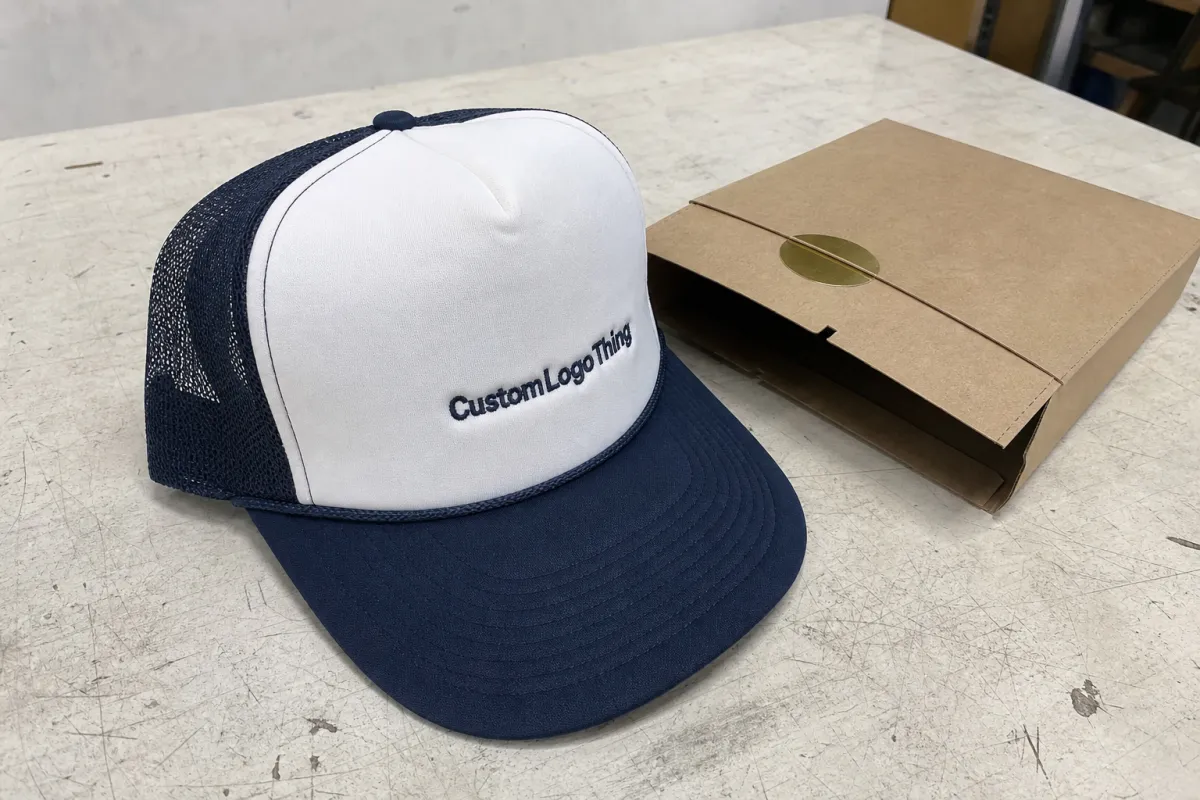
“Same hat” is a dangerous phrase. Two hats can look nearly identical in a photo and still fail the reorder if the foam density shifted, the crown sits higher, or the patch border grew a few millimeters wider. Under hotel lobby lighting, those small changes are visible. On a staff uniform or retail display, they read as inconsistency.
A disciplined hotel foam trucker Hats Reorder Plan removes the guesswork. The original order already paid for sampling, approvals, and setup. If the spec is archived properly, the next run should move from confirmation to production without reopening every decision. That saves time, but it also protects quality. Repeating a proven build is safer than letting the team reinterpret it from a photo thread.
There is another cost that buyers often miss: rework drift. If the second order is close but not exact, someone eventually has to explain the difference to management, property teams, or a merch buyer who expected continuity. That conversation is never easier than just documenting the order properly the first time.
If the sample is not documented, the reorder is not really a reorder. It is a new order with old assumptions attached.
Lock these details before you ask for pricing or production:
- Crown shape: structured or softer, mid-profile or high-profile.
- Foam front: panel count, thickness, stiffness, and surface texture.
- Mesh back: exact color and whether the mesh is fine, medium, or coarse.
- Closure: snapback, strap, or another adjuster that affects fit and cost.
- Decoration: patch, embroidery, woven label, print, or heat-applied art.
The first approved batch should become the master record. Save the purchase order, the final art file, the approved sample photo, color references, carton instructions, and any notes about where the hats were shipped. If the order supports multiple properties or departments, keep that distribution logic in the same file. A reorder only stays repeatable if the records are easier to find than the original inbox thread.
Foam Front, Mesh Back, and Closure Specs to Confirm
Foam Trucker Hats look simple from a distance. Up close, they have enough variables to create trouble if nobody controls them. The front panel can be a 5-panel or 6-panel construction, the foam can feel firm or pliable, and the crown can sit low enough for a cleaner staff look or tall enough for a more promotional shape. Those differences affect both fit and presentation.
Confirm the front material first. Most foam fronts use a lightweight closed-cell foam or EVA-style build with a smooth outer face, but the exact feel depends on the supplier’s pattern, lamination, and stitching. A firmer front usually keeps its shape better on display. A softer front can be more comfortable for long wear, but it may collapse a little faster after repeated use. If the first order had a crisp silhouette and the reorder comes back slack, buyers notice immediately.
Mesh back specification matters just as much. The hole size, finish, and color tone all affect the final look. White mesh is rarely just “white.” Some batches lean bright and cool, while others read creamier under indoor light. Black mesh can also vary from charcoal to a deeper true black. A hotel group that wants consistency should ask for the exact mesh color used on the approved run, not a loose description.
The closure should be treated as fixed unless the order is intentionally changing. A standard plastic snapback is common because it is economical and widely available, but strap closures and specialty adjusters alter both the fit and the price. On a 500- or 1,000-piece repeat, even a small per-piece change adds up fast. If the hotel only needs a top-up, that difference may be minor. If the reorder will become the standard going forward, it deserves attention.
Fit target is another place where buyers get vague. A structured mid-profile hat generally reads cleaner for staff uniforms. A taller crown feels more casual and more promotional. Neither is wrong. They just serve different uses. A property gift shop can tolerate a little more shape and volume. A front-desk or valet team usually needs a neater profile that sits consistently across different head sizes.
It helps to ask how the hats will actually be used: daily staff wear, guest merchandise, event giveaways, or a mix of all three. That answer should shape the build. Otherwise the order can drift toward whatever the cheapest spec happens to be, and cheap is not the same thing as appropriate.
Artwork, Patch, and Color Details That Keep Reorders Clean
Decoration is where repeat orders quietly go wrong. If the first run used a patch, do not switch to embroidery just because somebody thinks the logo would “look better” stitched out. Patch, embroidery, woven label, screen print, and heat transfer each carry different setup needs, cost structures, and durability profiles. Changing the decoration method turns a reorder into a different project.
The artwork file should be precise enough that a production team does not have to interpret it. Include the logo size, the distance from the seam or bill edge, border width, stitch count if relevant, and color references. If the brand uses PMS values, list them. “Blue” is not a color spec. It is an invitation for a correction round.
Thin lettering and small details deserve extra care. A logo that looks fine on a monitor can become unreadable once it is stitched, trimmed, or applied to a curved foam front. For that reason, a physical sample carries more weight than a mockup when the art is tight or the border is unusual. A mockup can show placement. It cannot tell you whether a 6-point wordmark will survive production cleanly.
Color consistency is another place where experienced buyers stay alert. The foam, the mesh, the patch material, and the thread or print ink all interact differently under light. A black patch on a charcoal front can disappear if the contrast is too low. A bright logo on a tan front can look sharper than expected. These are not theoretical issues; they show up as soon as the box is opened.
Packaging and labeling belong in the same production record. If the hats need polybags, size stickers, barcode labels, or carton marks by property, those instructions should be on the quote before the order starts. A factory can usually do it. The problem is that packaging changes the labor and the packing sequence, which means it changes the timing if it is introduced too late.
One reliable way to keep reorders clean is to archive the proof trail:
- Keep the final approved art file locked and clearly named.
- Save at least one photo of the approved sample in natural light.
- Record color references, especially PMS values and any approved substitutions.
- Note the placement tolerance the buyer accepted, even if it was only a few millimeters.
That level of documentation may look fussy. It is cheaper than redoing a batch because a patch came back one shade off or a logo sat slightly too high on the crown.
Pricing, MOQ, and Unit Cost for Repeat Orders
Repeat orders are priced by more than the hat itself. Buyers should look at unit cost, setup, sample charge, packaging, freight, and the risk of revision. A quote that only shows one neat number often hides the thing that will move later. Usually that missing piece is setup, inspection, or shipping.
For hotel Foam Trucker Hats, the price range changes with quantity and decoration complexity. Stock blanks cost less. Custom foam colors, specialty patches, and alternate closures cost more. That is normal. The real question is whether the higher tier buys enough consistency or speed to justify itself.
| Order Type | Typical MOQ | Typical Unit Price | Setup / Sample Cost | Lead Time | Best Fit |
|---|---|---|---|---|---|
| Stock foam blank + simple patch | 100-250 pcs | $2.10-$3.40 | $40-$85 | 10-15 business days | Quick rebuys and low-risk repeats |
| Custom color foam or mesh | 300-500 pcs | $2.85-$4.75 | $60-$120 | 12-18 business days | Property-specific branding and color control |
| Detailed patch + custom closure + packaging | 500+ pcs | $3.40-$5.90 | $75-$150 | 15-21 business days | Retail-ready or presentation-focused orders |
Those figures are typical bands, not guarantees. Freight, location, production method, and inspection requirements all move the final number. Domestic shipping may be quick but cost more per piece once a small order is involved. Overseas production can lower unit cost, but transit adds time and raises the chance that a late color question becomes a missed date.
Sample charges deserve attention early. A physical preproduction sample may run $25-$75, sometimes more if the decoration is custom or the patch needs its own setup. That cost looks small beside a full order, but it is cheaper than approving a mistake in bulk. The fastest repeat order is not the one that skips proofing. It is the one that proves once and gets it right.
MOST buyers also underestimate the value of the next price break. If 250 pieces and 500 pieces are close enough in unit cost, the larger run may be smarter if the hotel already knows a future refill is likely. If the property only needs enough stock for one seasonal push, overbuying can create more waste than savings. That trade-off should be made with a calendar, not a guess.
Hotel Foam Trucker Hats Reorder Plan for Fast Rebuys
A fast rebuy starts with a clean intake. The supplier should not have to chase the basics one by one. Send the previous purchase order, approved art file, current product photos, target quantity, ship-to zip code, and need-by date. If the old order number is available, include it. If it is not, the PO and delivery details usually do the job.
The simplest repeat is the one that changes nothing essential. The second the hotel changes the patch shape, foam color, packaging, or closure, the order needs to be re-quoted as a modified run. That is not a stall tactic. It reflects reality. New materials or new decoration methods can change the proof, the pricing, and the production queue.
A practical sequence helps keep everyone honest:
- Confirm the spec from the last approved run.
- Issue the quote with quantity, destination, and delivery window.
- Approve the proof or sample.
- Collect payment or deposit under the agreed terms.
- Produce, inspect, and pack.
- Ship with a freight method that matches the deadline.
Lead time is not only about sewing and assembly. Freight can make a good production schedule look bad if the shipment method is chosen too late. Domestic transit may take 2-7 business days depending on distance and service level. International transit takes longer, and peak season adds delays that nobody can charm away. Buyers who need a hard handoff date should build that shipping window into the plan from the start.
For a straight repeat with approved art, a 10-15 business day production window after proof approval is a realistic baseline when the factory has the core components in stock. If the order is modified, 15-21 business days is more believable, especially if the patch or closure needs sourcing again. The Hotel Foam Trucker Hats reorder plan works because it keeps the spec stable first and the delivery date second. That order matters.
How We Keep Hotel Reorders Matching Batch to Batch
Consistency does not happen by accident. It comes from archived artwork, saved color references, retained samples, and inspection checkpoints that stay the same every time. If the buyer asks whether the patch should sit slightly above or slightly below the seam, the answer should already be in the file. No one should be guessing from memory.
Repeat-order inspection should focus on the parts that change the look quickly: foam density, stitch tension, patch placement, closure type, and carton count. A 2 mm placement shift sounds minor until the hat is on a head or stacked beside the original run. Then it becomes obvious. The same is true for a closure swap. It may be invisible on a quote, but it is visible in hand.
Component shortages need straight answers. If a specified closure is unavailable, the buyer should be told before production begins, not after a substitute has already been installed. An acceptable replacement can be proposed, but it should be approved. Silent substitution is how a repeat order turns into a dispute.
Packaging should also be tested against the order size and destination. If the hats are going into branded mailers, retail cartons, or property-specific bundles, the packing method needs to match the distribution plan. For buyers concerned with paper-based packaging goals, asking for FSC-certified packaging is a reasonable standard. If transit durability matters, the supplier should be able to explain what transport testing they follow, including methods published by ISTA.
Good reorders also include a refusal to smooth over problems. If the foam is softer than the approved batch, say so. If the mesh color is slightly warmer, say so. If carton counts are off, say so before shipment. A repeat order only stays useful when the buyer can trust the defect report as much as the quote.
Next Steps to Place the Reorder Without Delays
Send the right files the first time. That means the prior order number, the approved art, clear photos of the original hat, the quantity needed, the ship-to address, and the delivery window. If the timeline is fixed, state the actual date. “ASAP” does not help anyone plan production, pack-out, or freight.
Mark the non-negotiables before the quote is issued. Exact foam color, patch size, closure style, and packaging should be written out. If the hotel cares about the detail, it belongs in the spec. If the hotel does not care, leave it out. The point is to reduce ambiguity, not create a long wish list.
A one-page production note sheet is usually enough. Divide it into construction, decoration, packaging, and delivery. That keeps the buyer and the supplier looking at the same record instead of sorting through six disconnected emails and three versions of the same mockup. Clear paperwork is faster than repeated clarification.
Once the quote is approved, stop changing the spec unless the change is necessary. Small edits add delay faster than people expect, especially when the order is already moving through proofing. The final result is straightforward: the buyer gets the same hat again, not a close approximation of it.
How do I reorder hotel foam trucker hats if I only have the old order number?
Use the PO number, supplier name, and ship-to details to retrieve the archived spec. If the art file is missing, ask for the last approved mockup or a clean logo file before quoting. A photo of the actual hat helps catch trim, closure, or color drift that paperwork will miss.
Can you match hotel foam trucker hat reorders when the original sample has faded?
Use a faded sample to confirm shape and construction, not exact color. Compare it against the original PMS reference or archived approval if you want the closest match. If the client wants the faded look duplicated, that needs to be stated before production begins.
What MOQ should I expect for a hotel foam trucker hats reorder?
Stock builds usually allow smaller quantities than custom foam colors or specialty closures. Patch changes often raise the MOQ because setup costs have to be spread across the run. Ask for the lowest tier and the next price break so you can compare total spend, not only unit price.
How long is turnaround for a hotel foam trucker hats reorder?
A straight reorder with approved art is usually faster than a modified run. Proof approval and freight timing can affect delivery more than the sewing itself. If the deadline is tight, confirm lead time before changing any part of the order.
What do you need to quote a hotel foam trucker hats reorder accurately?
Quantity, decoration method, exact color references, and ship-to zip are the core inputs. Add packaging or labeling details if the hats need to be distributed by property or event. Include the hard deadline so the quote reflects the real production window.