A boutique order can look simple on paper and still fail in the real world. If the closure feels flimsy, the film is too thin, or the dimensions are off by a few millimeters, the packaging starts working against the product. That is exactly why a Zip Lock Bags for boutiques quote checklist belongs at the start of the buying process, not after the price comes back.
Boutique buyers are usually balancing three things at once: shelf presentation, product protection, and a unit price that still leaves room for margin. The same bag style can quote very differently depending on closure type, film gauge, print coverage, carton count, and whether the order is meant for apparel, accessories, cosmetics, or gift sets. That is not supplier theatrics. It is how packaging math works.
Zip Lock Bags for Boutiques Quote Checklist: what buyers should compare first
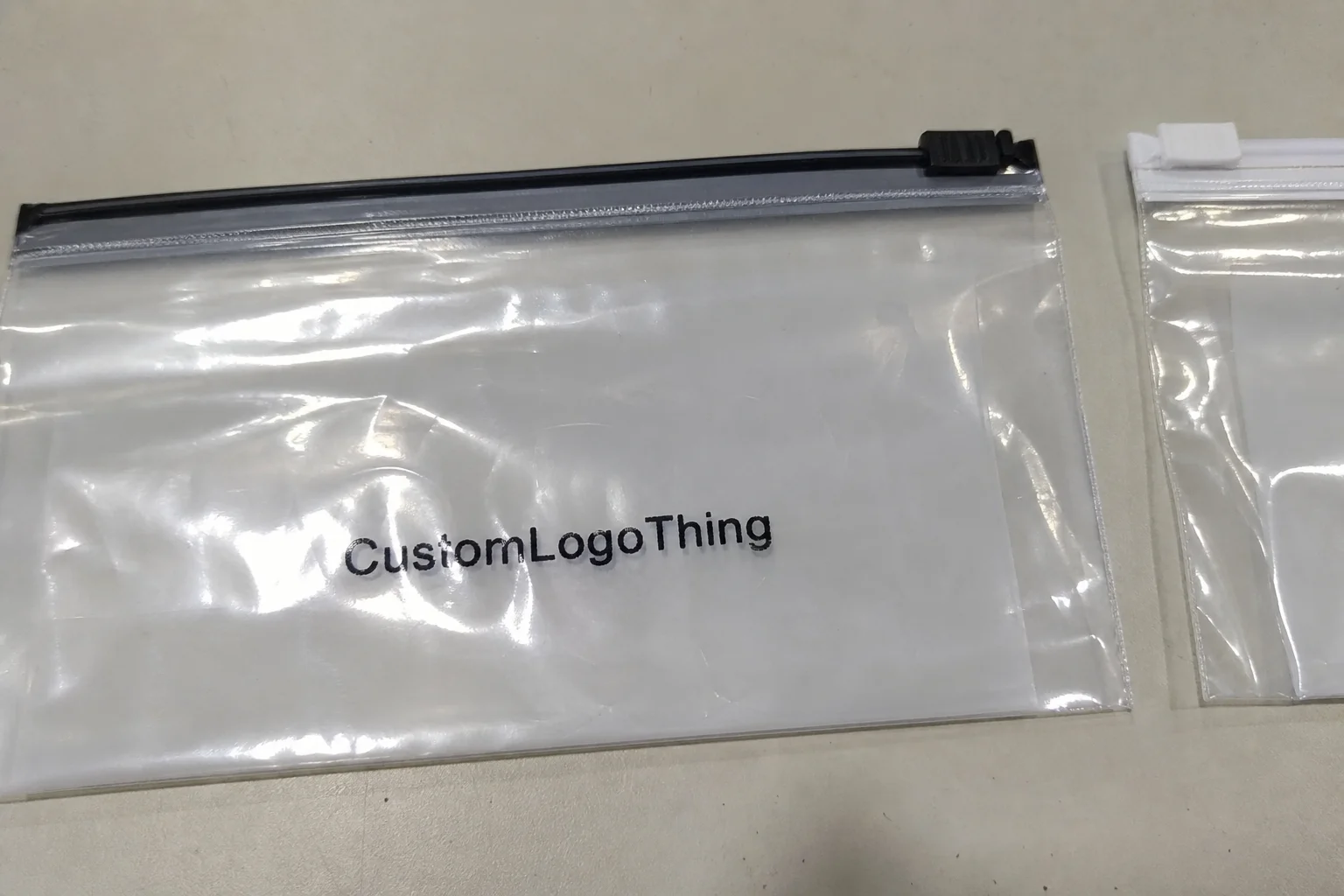
The first mistake is treating every resealable bag like a commodity. A clear zipper bag can still be the wrong bag if the opening is stiff, the seal is weak, or the proportions force the product to bend inside the package. For boutiques, that matters because the bag is part of the brand story as soon as a customer sees it on a shelf, at checkout, or in an order they are about to open.
The use cases are broad, but the specs are not interchangeable. Apparel needs room to fold cleanly without crushing the fabric. Jewelry and small accessories need clarity so the item is visible without opening the bag. Cosmetics and gift sets usually need a tighter seal and a little more structure, especially if the bag is going to survive retail handling, warehouse sorting, or e-commerce fulfillment.
- Apparel: larger flat bags or gusseted bags that hold a folded item without hard creases.
- Accessories: clear retail display bags that keep the item visible and dust-free.
- Cosmetics: consistent zipper engagement and a film that does not wrinkle excessively.
- Gift sets: packaging that balances visibility, protection, and a premium finish.
A useful quote should tell you more than price. It should tell you the film thickness, zipper style, print method, MOQ, freight assumptions, and whether the supplier can repeat the same bag on the next reorder without guessing.
That is the real purpose of a Zip Lock Bags for boutiques quote checklist. It keeps the buying conversation focused on the details that change both appearance and cost, instead of letting the request drift into a vague “How much for a bag?” exchange that produces numbers you cannot compare cleanly.
Product details that affect retail presentation and performance
Start with the structure. Most boutique-ready zipper bags use a resealable closure, clear or lightly tinted polyethylene film, and a format that can sit neatly on a shelf or hang from a peg. Flat bags are common for compact items. Gusseted bags give more room for thicker products and keep the front panel from looking compressed.
The finish changes the visual result more than many buyers expect. A glossy clear film usually gives stronger product visibility, while a matte surface softens reflections and feels more deliberate on display. Hang holes are useful for peg hooks, but they need clean placement so the bag does not tear during stocking. If the bag is meant to present a premium item, ask how the zipper lines up visually after filling. A slightly crooked closure can make an otherwise solid bag look cheap. Annoying, but real.
Material choice matters too. Polyethylene is common because it seals well, folds cleanly, and keeps cost under control. A good supplier should tell you whether the film is virgin, recycled-content, or a blended specification, and whether the clarity is high enough for products that need to stay visible. For some retail programs, a slightly thicker film gives better stiffness on the shelf. That is useful for small boutiques that want the packaging to stand upright and look consistent from one piece to the next.
When sustainability language enters the conversation, be specific. If you need certified outer cartons or paper inserts, ask whether those materials are covered by FSC. The bag itself may still be plastic. The surrounding materials can still carry certification claims if the supplier documents them correctly. Half-documented claims are how packaging teams end up cleaning up someone else’s mess.
Packaging teams should also pay attention to how the item sits inside the bag. A delicate accessory may need an insert card, tissue wrap, or a smaller inner pouch so it does not slide around. That extra step affects labor, packing consistency, and quote structure. If the item needs to be prepacked before shipping, put that in the first conversation, not after proof approval.
One more practical point: the front panel matters more than a lot of buyers admit. If a logo is tiny or the product is visually busy, a bag that is technically clear can still read as cluttered. That is why sample review should happen with the actual product inside the actual size bag, not on a flat digital mockup that hides every problem.
Size, thickness, and print specifications to confirm in the quote
This is where a lot of quote requests fall apart. If the supplier does not know the finished width, height, gusset depth, film thickness, zipper style, and print scope, the number you receive is usually a placeholder rather than a usable price. A proper zip lock Bags for Boutiques quote checklist should lock those specs before anyone starts talking about unit cost.
Size should always follow the product footprint, not a rough estimate. A jewelry card might only need a compact flat pouch. A folded sweater or a cosmetic bundle may need extra room at the top for closure and at the sides for comfortable insertion. If the bag is too large, the product shifts and looks sloppy. If it is too tight, the zipper area buckles or the seal line becomes inconsistent.
| Spec | What to confirm | Common choice | Cost impact |
|---|---|---|---|
| Width and height | Finished bag dimensions, not approximate product size | Matched to folded item plus closure space | Wrong size often triggers a re-quote or wasted inventory |
| Gusset depth | Whether the item needs extra volume or a flat profile | Flat for slim items, gusseted for thicker goods | More material usually raises unit price |
| Film thickness | Gauge or micron target | Chosen by product weight and presentation needs | Heavier film costs more but feels firmer |
| Print coverage | One side, both sides, or full coverage | Simple logo print or limited branding area | More colors and larger coverage increase setup and run cost |
| Closure style | Standard zipper, press-to-close, or specialty lock | Resealable zipper for retail reuse | Special closures usually raise tooling or conversion cost |
For thickness, buyers often talk in mils or microns. The right number depends on the product, but a lighter retail pouch may sit around 2.0 mil, while a bag that needs more body or better puncture resistance often moves up toward 3.0 mil or more. Thicker is not automatically better. If the product is delicate and the bag needs to fold flat, too much rigidity can work against the presentation.
For print, ask whether the supplier wants vector artwork, a PMS reference, or a specific color build. One-color print is usually cleaner and cheaper. Multi-color print adds setup complexity, especially on small runs. If your logo relies on fine lines or tiny text, ask for a proof at actual size so you can judge legibility on the film rather than on a monitor where everything looks easier than it really is.
If the bags will touch consumer products directly, ask what material and ink details apply to your intended use. Some buyers also ask for test references such as ASTM D882 when they want a basic sense of tensile performance, but the right requirement depends on the product, its weight, and how the bag will be handled. Direct-contact claims should never be improvised.
Good technical quotes also mention sealing tolerances and weld quality. Side seals that are too narrow can fail during packing. Zippers that are too stiff can frustrate store staff. If a bag is going to be opened and closed repeatedly, the closure needs to survive that use pattern instead of just looking good in a sample photo.
Cost, pricing, and MOQ: what changes the unit cost
Pricing on boutique zipper bags usually follows the same pattern: size goes up, film gets thicker, print gets more complex, and the unit cost rises. Quantity works the other way. A larger run spreads setup and conversion across more pieces, so the per-bag number usually improves as the order size increases. That is why a clean Zip Lock Bags for boutiques quote checklist should ask for pricing at more than one quantity tier.
For a simple clear bag with light branding, many buyers see a noticeable price improvement once they move past a small test run. As a practical range, a straightforward program might land around $0.10 to $0.18 per unit at 5,000 pieces before freight, while thicker film, multi-color print, hang holes, or specialty finishing can push the number higher. Lower minimums are possible, but the unit price often climbs fast because setup costs are spread across fewer bags.
MOQ is not just a factory number. It affects the economics of the whole purchase. If a supplier offers three price breaks, compare total order value, not only the line-item price. A slightly larger run can lower cost per unit enough to justify a longer stocking cycle, especially for core boutique items that reorder every season. Buying too little is a false economy if you keep paying premium pricing for emergency reorders.
A clear quote should separate these items:
- Unit price: the cost per bag at each quantity tier.
- Setup or plate cost: artwork preparation, printing setup, or tooling.
- Packaging and packing: inner cartons, master cartons, and counts per box.
- Freight: the delivery assumption, whether EXW, FOB, or delivered pricing.
- Samples: whether pre-production samples or digital proofs are included.
That structure makes comparison easier. A quote that looks cheaper at first glance can become more expensive once freight and packing are added. On small packaging orders, shipping is often the line that surprises buyers the most, especially when goods need to move quickly or travel long distances. The number on the quote sheet is not the number on the invoice if the logistics are not clearly defined.
Buyers should also ask how the supplier handles scrap and overage. A price that looks strong but allows for a wide defect rate can be a bad deal in practice. Better factories track waste, control film consistency, and give tighter run expectations. That kind of discipline rarely shows up in a glossy sales pitch, which is exactly why it matters.
Process and lead time from quote request to shipment
The best orders move through a predictable sequence: you send the specs, the supplier issues a detailed quote, artwork gets reviewed, samples are approved if needed, and production starts once everything is locked. That process sounds basic, but the timeline depends heavily on how complete the first request is.
In many cases, a sample proof can be ready in 3 to 7 business days after the artwork and dimensions are confirmed. Standard production often lands around 12 to 18 business days after proof approval, although special materials, heavier print coverage, or a crowded production schedule can extend that. Shipping time is separate and can add several days to a few weeks depending on destination and method.
If the bags are part of a retail rollout or e-commerce launch, ask how the supplier handles transit assumptions. For cartonized shipments, some buyers reference ISTA testing logic so the packaging survives handling, vibration, and compression without damage. The details vary by route and carton style, so the right test level depends on the real shipping risk, not on a generic promise that everything will arrive fine.
What slows production?
- Missing or unclear dimensions.
- Artwork that arrives as a low-resolution image instead of a print-ready file.
- Color references that are described verbally rather than specified.
- Late proof changes after the order is already scheduled.
- Quantity changes after pricing has been approved.
Before you request a quote, gather the product sample or at least exact measurements, target quantity, print details, and delivery destination. If the supplier can see the item or a photo of it beside a ruler, the chance of a sizing error drops fast. A good quote process is boring in the best possible way. No drama, fewer surprises, and no “we assumed you meant something else” conversations later.
One practical detail that gets ignored too often: carton configuration. If the supplier packs too many bags per box, the carton can become heavy and awkward. Too few, and freight efficiency gets worse. The quote should show pack count, carton size, and whether the shipping carton is designed to protect flatness or just move product from one place to another.
Common ordering mistakes that raise cost or delay production
The most expensive mistakes are usually the quiet ones. Buyers ask for pricing before finalizing the bag size, then discover the finished product needs a different closure area or a wider seal. That triggers another round of quoting and often pushes the schedule back by days.
Choosing the cheapest bag without checking film thickness is another common miss. A very thin bag may save pennies, but it can crease badly, split at the seal, or make premium merchandise look under-packaged. Boutique packaging is part utility and part display, so the lowest option is not always the most profitable one.
Artwork can create its own delays. Files supplied at low resolution, or with missing color references, often lead to proof cycles and correction fees. Logos with fine detail are especially sensitive on clear film, where the substrate can make weak artwork look weaker. Ask for the file format the printer prefers before you send anything, and do not assume a screenshot counts as artwork.
A clean proof cycle saves more time than a rushed order ever does. Good dimensions, usable artwork, and a clear delivery plan usually matter more than chasing the lowest first quote.
Freight is the last trap. Small packaging orders can appear inexpensive until transport and export packing are added. If the supplier gives you only a unit price, you are not seeing the landed cost. For a real buying decision, you need the full line-by-line picture. Otherwise the “cheap” quote becomes the expensive one after the shipping paperwork shows up.
Another mistake is skipping the sample review because the bag “looks standard.” Standard is not the same as correct. A few small issues can matter a lot: the zipper may not close smoothly, the seal line may be too high, the hanging hole may punch through too close to the edge, or the printed logo may shift when the film is filled. Those are the kinds of details that separate a clean retail package from one that looks rushed.
Why repeat orders are where suppliers earn trust
Boutiques rarely buy packaging once and forget it. The better test is what happens on the second and third reorder, because consistency matters more than novelty. The same size, zipper feel, clarity, and print result need to show up again if the bag is going to carry seasonal stock without forcing the team to relearn the spec every time.
A supplier that keeps records clean can save real time. When the specification, artwork, and quote history are stored properly, reorders move faster and the chance of a mistaken revision drops. That matters for multi-location retailers, subscription brands, and small chains that need packaging to stay uniform across different stores. Nobody wants to discover that the “same” bag has quietly changed from one run to the next.
Service also counts. A buyer should expect a quote that answers the practical questions: What exactly is included? How much is setup? What is the delivery assumption? What happens if the design changes? A supplier that can explain those points clearly is more useful than one that simply throws out a low number and leaves the rest vague.
For some programs, buyers also ask about paper components around the bag, especially if the outer carton or insert needs certification. That is where FSC can matter, because the supporting materials may need to align with a retailer's sourcing policy even if the bag itself is a clear poly format.
From a practical buying angle, the best packaging partner is a technical resource first and a price source second. That does not mean every project needs premium extras. It means the supplier should be able to say, without drama, what will work for the product and what will not. That kind of honesty saves money later.
Repeat orders also expose weak quality control fast. If the zipper tracks feel different, if the print shifts, or if the film clarity changes from one lot to the next, the supplier did not really control the process. Consistency is the whole point of packaging procurement. If the second run is a surprise, the first run was luck.
Next steps for a clean quote request
Before you request pricing, gather the exact product size, preferred bag dimensions, quantity range, print requirements, and any need for hang holes or special finishes. If you have a sample item, send that along with a photo or reference image so the supplier can judge fit instead of guessing. A strong Zip Lock Bags for boutiques quote checklist starts with real measurements, not approximations.
Then ask for a quote breakdown that separates unit price, setup cost, freight, and sample charges. That breakdown is what lets you compare one supplier against another without mixing production cost with transport cost. If the order is meant for a retail launch, confirm the artwork sign-off point before production starts so the timeline does not drift from proof changes.
If the quote comes back in tiers, compare landed cost against your target margin and expected reorder rate. A slightly larger run can make more sense if the bags are a core part of your store presentation and you know the style will repeat. If the item is seasonal, smaller quantities may be the safer purchase even if the unit price is a little higher.
Keep the spec sheet, approved proof, and final pricing on file. That makes the next order faster and keeps the same finish, zipper feel, and print result intact. For a boutique buyer, that consistency is usually worth more than shaving a few cents off a bag that does not present well. Pretty simple. Also easy to get wrong.
Frequently Asked Questions
What should I include in a zip lock bags for boutiques quote request?
Include product dimensions, target quantity, bag style, thickness preference, print details, and delivery location. Add reference images or a sample item so the supplier can confirm the right fit and avoid quoting the wrong size.
How does MOQ affect boutique packaging pricing?
MOQ changes the unit cost because setup, printing, and production efficiency are spread across the order. Higher quantities usually lower unit cost, but the buyer should still compare total landed cost, not just the per-bag price.
Are clear zip lock bags better for retail display?
Clear bags usually work best when the product itself should remain visible at the shelf or point of sale. If branding is more important than visibility, a printed or tinted option may create a stronger retail presentation.
What slows down production after the quote is approved?
The most common delays come from incomplete specs, artwork revisions, sample approvals, or last-minute quantity changes. Fast approvals and accurate files keep the timeline moving and reduce the risk of rework.
Can I reorder the same boutique bags later?
Yes, if the supplier keeps the specs and artwork on file, reorders are usually faster and more predictable. Keeping the original zip lock bags for boutiques quote checklist details on hand helps preserve consistency in size, print, and finish across repeat runs.


