The Frosted Zipper Bags Sample Checklist for subscription boxes is not a box-ticking exercise. It is the point where aesthetics, packing efficiency, and repeatability either line up or fall apart. A pouch can look premium in a mockup and still waste time on the packing line, deform under pressure, or open badly after one use. That gap between appearance and function is where most packaging mistakes hide.
For subscription boxes, the sample has to prove more than visual appeal. It needs to protect the contents, fit the full packout, survive handling, and still look deliberate when the customer opens it. If the sample only performs in a clean desk review, it is not ready. Real use is messier than that.
What a sample checklist reveals before you commit
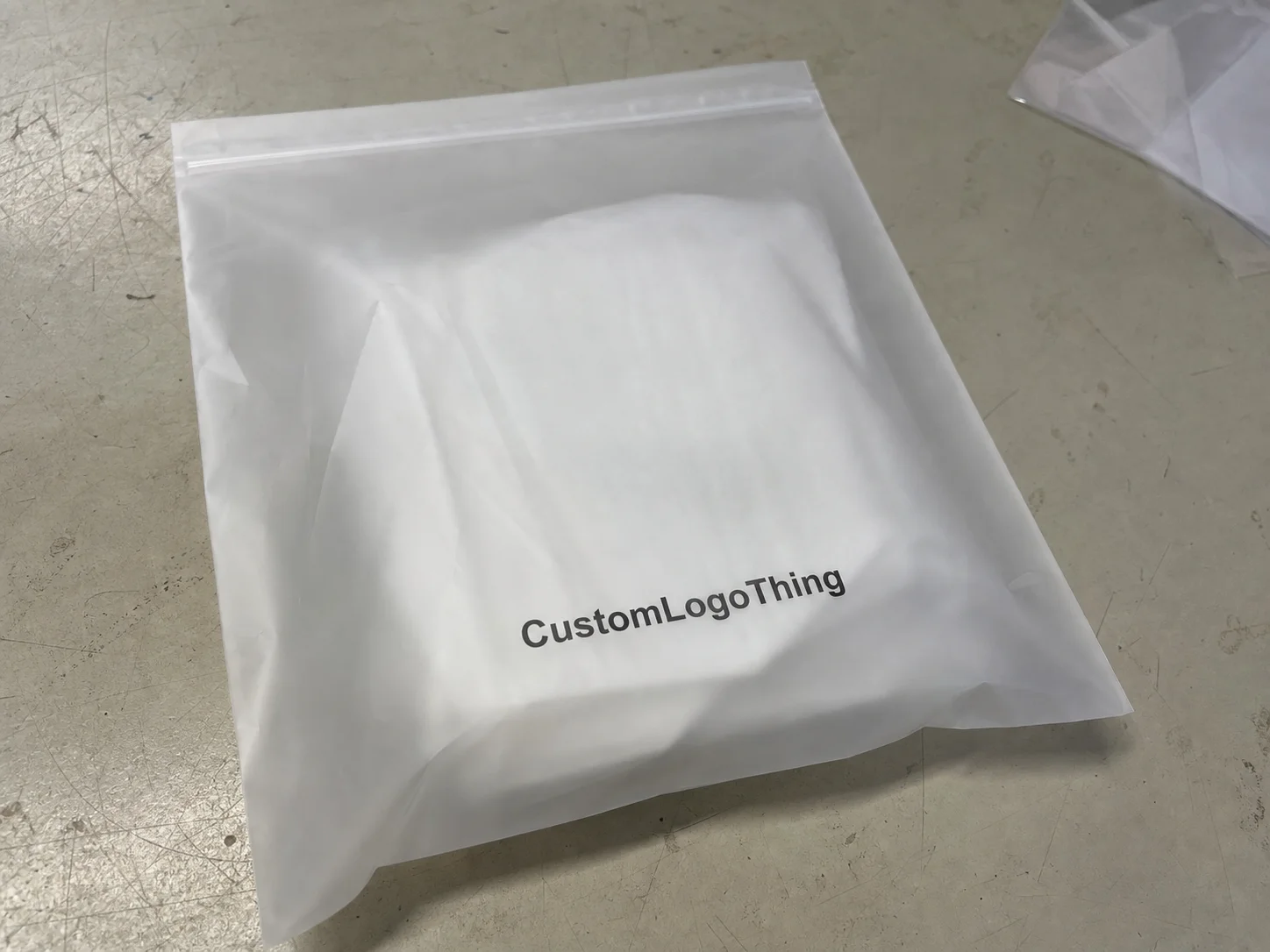
Frosted film creates an immediate premium signal, but the sample tells you whether that signal is dependable or fragile. A good Frosted Zipper Bags sample checklist for subscription boxes catches the defects that spec sheets usually flatten out: slight waviness in the film, weak zipper bite, uneven side seals, and trim lines that wander just enough to matter once the pouch is packed hundreds or thousands of times.
Start with the visual checks, but do not stop there. Look for even haze across the panel, consistent color and translucency from bag to bag, and straight seals that do not thin out at the corners. If the zipper sits crooked or the gusset opens unevenly, that often points to a production control problem, not a one-off sample issue. Those problems rarely improve on their own in a larger run.
The practical checks are just as important:
- Surface haze: The frosted effect should be even, without cloudy streaks or patchy gloss.
- Seal integrity: Weld lines should be straight and uniform, with no pinholes or weak spots.
- Zipper alignment: The closure should meet cleanly end to end and not drift at either corner.
- Body stiffness: The pouch should stand up to loading and hold shape without collapsing immediately.
- Edge finish: Cut edges should be clean, with no rough burrs that can snag inserts or fingers.
Then check the smell, the surface feel, and the way the bag rebounds after being folded. These sound minor until a fulfillment team has to handle them all day. Odor can be a red flag for material quality or storage conditions. A pouch that creases too sharply may also show a weak formulation or an over-thin film, even if it looks fine in a still image.
Comparisons help here. A frosted bag for a beauty kit often needs a cleaner visual finish than one used for accessories or promotional inserts, while an apparel add-on may need more stiffness and a larger mouth opening. The sample should be judged against the actual use case, not against a generic pouch photo or a supplier’s best-looking catalog shot.
“A pouch can be attractive, but if it slows packing or pops open in transit, the visual win is a false economy.”
A sample file should answer one question clearly: does this exact pouch work with the contents, the box size, and the handling pattern the program will actually see?
How samples should perform in real subscription box use
A subscription box is handled more like a workflow than a display piece. It gets filled, closed, stacked, shipped, opened, resealed, and sometimes reused by the customer. That means the sample has to perform like a component in a system. A frosted bag that is attractive but awkward to load is still a problem.
Start with the closure. A press-to-close zipper should engage with a consistent bite, not one strong section and one weak section. It should reopen cleanly after multiple cycles without fraying the top edge or requiring two hands to start the seal. One smooth close is not enough to prove anything. Repeatability is the real test.
Next, test the full packout, not just the product by itself. Add insert cards, tissue, protective fillers, and any other element that will ride inside the bag. A pouch sized only to the bare product often becomes too tight once the rest of the packout is included. The result is usually bent corners, distorted seals, or a bag that fights the packing team.
The frosted finish also changes how the contents read visually. Too opaque and the product loses presence. Too clear and the bag can look plain or expose clutter inside the box. The right balance depends on the brand and the category. In print applications, watch registration closely. Translucent material tends to make misalignment obvious, especially when the artwork has thin type or small logos.
A short functional test gives better information than a dozen opinions. Load the bag with the intended contents, close it, leave it overnight, open and reseal it several times, then place it into a box mockup. If possible, run a few pieces through an actual packing workflow. A pouch that looks stable on a table can behave very differently once it is moved quickly, stacked with other kits, or squeezed into a tight carton.
For teams that want a more disciplined standard, packaging organizations such as the ISTA and the Institute of Packaging Professionals are useful references. The value is not in overcomplicating a simple bag. It is in keeping the review tied to handling behavior instead of taste alone.
One useful detail is the effect of thickness on handling. A light pouch may be easier to fold and faster to pack, but it can wrinkle or buckle around stiff inserts. Thicker film, often in the 2.5 to 4 mil range depending on contents, tends to hold form better and feel more premium, but it can also feel rigid or increase unit cost. There is no universal best answer. The sample should reveal which side of that tradeoff matters more for the specific box program.
Spec choices that change pricing, MOQ, and quote structure
Small changes in spec can move a quote more than buyers expect. A different film thickness, a custom size, or a zipper change can alter material cost, tooling assumptions, and the amount of testing needed before production can start. That is why a price per bag without context is usually incomplete.
These are the main cost drivers to watch first:
- Film thickness: Thicker material usually improves feel and stiffness, but it raises cost and can affect foldability.
- Bag dimensions: Custom sizing reduces wasted space, yet it can add setup complexity and tighter tolerance risk.
- Zipper style: Standard press-to-close closures are usually simpler than specialty or upgraded closures.
- Frosted finish: The intensity and consistency of the haze influence material selection and print behavior.
- Print coverage: More ink coverage often means more proofing, more setup, and more opportunities for rework.
- MOQ: Lower quantities usually carry a higher unit price because setup is spread across fewer bags.
For planning, a simple Custom Frosted Zipper bag often lands around $0.18-$0.28 per unit at 5,000 pieces, depending on size, thickness, and print coverage. A leaner spec at higher volume can come in lower. Thicker film, tighter tolerances, and more complex decoration push the number upward quickly. There is also a practical ceiling: if the supplier is working near the edge of its standard tooling, the quote can jump for reasons that do not show up in a casual first comparison.
The quote structure matters as much as the unit price. A straightforward sample process may include one sample fee and a production price. A more involved project can add artwork adjustments, plate or tooling charges, freight, and a second sample round after revisions. Buyers sometimes lose track of those extras and end up comparing an incomplete quote against a fully loaded one. That comparison is not useful.
| Option | Typical Use | Pricing Impact | Risk to Check |
|---|---|---|---|
| Standard frosted pouch | Simple subscription items, inserts, accessories | Lower setup cost, steadier unit price | May lack stiffness for heavier contents |
| Thicker film | Beauty kits, apparel add-ons, premium packs | Higher material cost per unit | Can feel rigid if overbuilt |
| Custom size | Exact packout fit, reduced void space | More setup and tooling dependence | Small measurement errors become costly |
| Printed frosted bag | Brand-forward presentation | Higher decoration and proofing cost | Registration and opacity issues |
If recycled content, paper inserts, or sustainability claims are part of the broader program, ask for documentation early. Packaging teams often get into trouble when the bag specification is precise but the claim language is vague. For environmental claims, the EPA is a better anchor point than marketing copy. If the supplier cannot support the claim, it should not make its way into the brief.
What to expect from the process and timeline
A clean sample process usually follows the same sequence: spec gathering, sample build, review, revision if needed, final approval, and then production scheduling. Buyers who understand those steps can keep sourcing, operations, and brand teams from pulling in different directions.
Sample turnaround and mass production lead time are not interchangeable. A vendor may be able to produce a sample quickly, especially if the bag is close to a standard format. That does not mean the final run will arrive on the same schedule. Artwork not being final, size uncertainty, or an unclear zipper requirement can add time before production even starts. A second sample often adds another round of waiting, and the calendar moves faster than teams expect.
Ask for dates, not general promises. Get the sample ship date, the review deadline, the revision window, the production start estimate, and the delivery range. If those milestones are not spelled out, the schedule tends to drift.
It also helps to separate the internal review clock from the supplier’s manufacturing clock. A practical review window is often 2-5 business days for physical inspection, packing tests, and approval from the relevant stakeholders. If the supplier assumes same-day approval and the buyer assumes several days of review, both sides start working from different timelines. That mismatch is one of the easiest ways for a launch date to slip.
Documentation should move at the same pace. If the sample is tied to a specific material grade or compliance claim, ask for the backup before approval, not after. Paper components, if any are part of the box, may also need their own chain-of-custody or certification trail. For FSC-related questions, the FSC site is the right reference point. Mixed-material packaging programs fail most often when the team assumes one document covers everything.
As a working rule, a sample that arrives in under two weeks is useful only if it is followed by a real review. Fast delivery is not a substitute for a real test. The first version may be good enough, or it may reveal that the zipper feel, panel width, or print contrast needs a second pass. Rushing the decision just creates a more expensive correction later.
Common sample mistakes that create bad subscription box fit
The most common mistake is sizing the bag to the product alone and forgetting the rest of the system. Inserts, fillers, and even the natural flex of the item change the final footprint. A pouch that fits a bare sample on a bench can be too tight once it is packaged for real.
Another frequent miss is approving a sample without testing the complete box build. The bag may close perfectly when empty, then become awkward or distorted once a card, tissue layer, or protective filler is added. That is especially common in boxes where presentation is layered. Each added item changes the stack height and the way pressure lands on the zipper.
One sample is not proof of stable production. Variation can show up in zipper engagement, seal uniformity, or print alignment across a run, particularly if the supplier is working near the tolerance limit. The sample reduces risk, but it does not eliminate it. Buyers who treat it as final proof often end up revising the spec mid-order.
Price-only sourcing causes its own problems. A lower quote can be appealing until it creates slow packing, extra rework, or bags that do not hold shape under pressure. In subscription box programs, the cheapest unit is not always the cheapest outcome. Labor and failure rates matter.
These are the failure points worth flagging early:
- Bag dimensions measured without accounting for inserts or fillers.
- Only one sample reviewed, with no repeat closure testing.
- Artwork approved before checking how the frosted finish affects readability.
- Production quote accepted without freight, revision, or tooling costs included.
- Packout tested outside the actual box structure.
- Lead time approved before confirming whether a second sample may be needed.
There is also a quality-control trap that shows up in larger programs: assuming the first approved sample guarantees the full lot will match. That assumption is weak. If the pouch is borderline on closure force or seal width, a wider production variance can expose the weakness immediately. Good buyers verify the spec, then verify it again on the run data if the order is large enough to justify that level of scrutiny.
Expert ways to score samples before you place the order
When several sample variants are on the table, a scorecard keeps the decision grounded. It reduces the temptation to choose the prettiest pouch and ignore the one that packs better. The categories should reflect performance in the actual subscription box workflow.
A practical scoring sheet can include these criteria:
- Clarity: Is the frosted finish even and appropriate for the brand?
- Seal quality: Are the welds and side seams consistent across the sample?
- Zipper feel: Does the closure engage and reopen with the same resistance each time?
- Dimensional accuracy: Does the sample match the approved spec and fit the intended content load?
- Packability: Does it load quickly and sit cleanly in the box with the real contents?
- Presentation: Does it still look premium under retail light or camera?
Test the sample under bright light and in a box mockup. Frosted film can soften what is inside, which is useful when the product itself is busy or color-heavy. It can also mute the look too much if the haze is too heavy. A bag that hides the item completely may solve one problem and create another. The balance depends on what the customer needs to see at first glance.
Durability checks should stay simple and repeatable. Open and close the zipper several times. Load the pouch, squeeze it lightly, and move it through a few motions that resemble warehouse handling. If the corners deform or the seal starts to loosen early, the spec needs revision before purchase order approval. There is no benefit in discovering that after the run has been placed.
Document the sample properly. Record the dimensions, the thickness, the closure behavior, the feel of the film, and any comments from fulfillment or operations. Those notes make approval defensible later and help prevent a mismatch between sourcing, production, and the people actually packing the box. If the project becomes a reorder, the notes are often the only clean record of why the chosen spec was selected.
Consistency beats style here. A structured review makes supplier comparisons clearer, especially when the differences are small and the photos look similar. That matters more than it sounds. Many packaging disputes begin because no one wrote down what the sample had to prove in the first place.
Next steps for a cleaner final spec and quote
Before requesting a final quote, gather the exact product dimensions, fill weight, artwork files, and any packaging requirements that affect fit. If the brief is incomplete, the supplier has to guess. Guesswork turns into revisions, and revisions turn into delays.
If the design is still open, ask for two or three sample variants. Different thicknesses, zipper styles, or bag sizes often reveal the best direction faster than a long email thread. Compare each one using the same scorecard so the decision stays tied to function, not preference.
If possible, send one real packed sample from the subscription box. That gives the supplier a physical reference instead of a rough description. A packed sample is often the fastest path to a reliable spec because it shows how the item behaves once the inserts, fillers, and box structure are all present.
From there, the work becomes more straightforward: lock the spec, request a landed-cost quote, and move into production with fewer surprises. That is the real purpose of the Frosted Zipper Bags sample checklist for subscription boxes. It turns a vague packaging idea into a measurable spec, a credible price, and a bag that performs the way the program needs it to.
How many frosted zipper bag samples should I request for a subscription box project?
Request at least two or three variants if size, thickness, or zipper style is still in play. Use one sample for visual inspection and another for real packing tests so you are not judging the pouch from a single unit. A revised sample only makes sense after the team knows which change actually improves fit or closure performance.
What should I test first on frosted zipper bags for subscription boxes?
Start with closure feel, zipper alignment, and whether the bag opens and reseals cleanly several times in a row. Then check clarity, seam quality, and fit with the actual product plus any inserts or filler material. Finish with a quick packing-line test to confirm the bag can be loaded at scale without slowing the team down.
Why does pricing change so much between frosted zipper bag quotes?
Film thickness, custom sizing, zipper hardware, print coverage, and order quantity all affect unit cost. Sampling, setup, freight, and revision rounds can also change the true landed cost. Lower MOQ usually means a higher per-unit price because the supplier is spreading fixed setup costs across fewer bags.
How long does the sample and production process usually take?
Sample turnaround is separate from production lead time, so both need to be confirmed early. Extra time may be needed if artwork is not final or if the first sample exposes sizing or zipper issues. A clear approval schedule keeps the project from slipping between review steps.
What mistakes cause frosted zipper bags to fail in subscription boxes?
The biggest issues are poor sizing, weak zipper engagement, and approving a sample without testing it in a full box build. Ignoring inserts, fillers, or product irregularity can make a good-looking bag perform badly in the real packout. Buying on price alone often leads to avoidable reorders or slower packing.


