A frosted pouch changes the buying signal quickly. With the right Frosted Zipper Bags low moq order for subscription boxes, a small launch can look deliberate, premium, and retail-ready instead of improvised. Subscribers usually do not study packaging specs. They react to the first few seconds, and the insert often shapes their impression of the whole box.
That is why low MOQ sourcing has become useful for subscription brands testing a new SKU, a seasonal bundle, or a limited add-in. The buyer gets three things at once: a clean presentation, reasonable product protection, and less inventory risk before demand is proven. Those goals are hard to satisfy with a generic clear bag or a rigid custom structure that demands a large opening order.
Why Frosted Zip Pouches Raise Perceived Value Fast
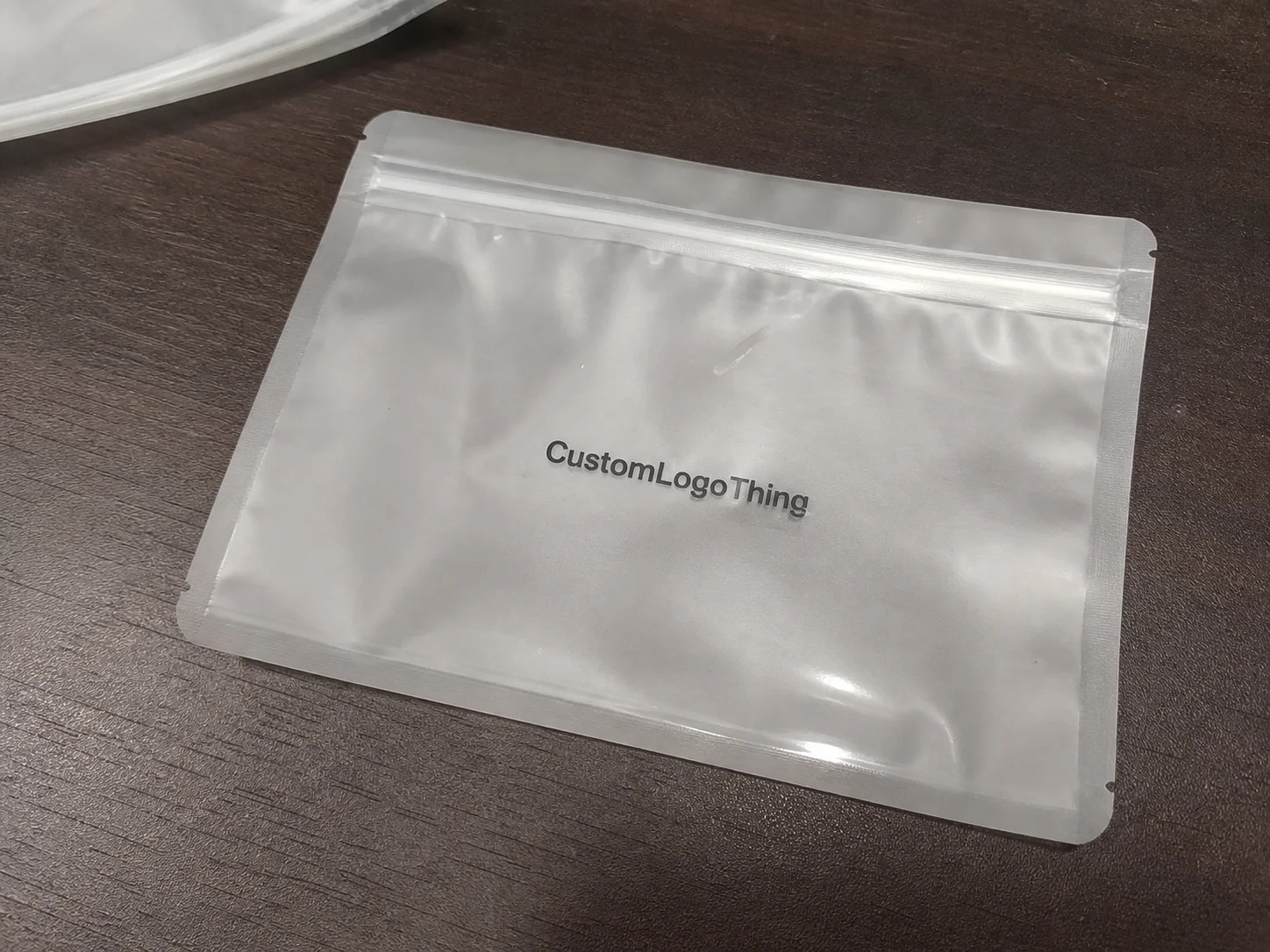
Frosted film sits between clear and opaque, and that middle position is the reason it works. You get enough visibility to hint at color, texture, or a printed insert, but not so much exposure that every label edge or loose component shows through. The visual effect is calmer. In packaging, calmer usually reads as more expensive.
That matters for subscription boxes, where contents are often small, mixed, or visually busy. A translucent matte pouch hides clutter better than a fully clear one. A stack of samples, a folded textile piece, or a promo kit can look intentional instead of crowded. For beauty minis, supplements, accessory kits, and gift-with-purchase items, the frosted finish adds restraint without adding much to the unit cost.
The commercial logic is simple. Subscription packaging is repetitive, so one weak insert can pull down the entire monthly impression. Buyers usually want the pouch to do three things at once:
- Protect the item during handling and shipping.
- Present the item in a tidy, curated way.
- Keep the MOQ low enough to test demand without overbuying.
Packaging only earns its keep if it survives fulfillment. If it tears, opens too easily, or looks inconsistent from one run to the next, the subscriber notices that faster than the logo.
That is why Frosted Zipper Bags low moq order for subscription boxes is not just a decorative search phrase. It describes a purchasing strategy. The right pouch can raise perceived value, reduce packing rework, and improve the unboxing moment while keeping the first order small enough to stay flexible.
It also helps to compare the pouch against the rest of the box system. A sample that looks right on a desk can still fail inside a mailer if the dimensions, seal, or closure style are off. For teams comparing formats, the Custom Packaging Products page is a practical starting point because it makes it easier to compare pouch styles with inserts, labels, and other branded components.
Frosted Finish, Zipper Closure, and Branding Choices
The frosted surface gives the pouch a softer visual profile than clear PE or PET packaging. It also changes how light hits the bag, which makes printed graphics and product color feel more controlled. That is the key benefit for many brands. The pouch stops looking like commodity packaging and starts acting like part of the presentation.
The zipper closure matters just as much. In a subscription setting, the insert should be easy to open, easy to reseal, and not annoying for the fulfillment team. A good zipper helps the customer reuse the bag, which extends the life of the packaging after the box has been opened. Reuse is not a bonus in the abstract. It is one of the few tangible ways packaging can keep working after delivery.
Common customization choices include:
- Size: flat pouches, gusseted pouches, and deeper formats for thicker contents.
- Thickness: often 2.5 mil to 5 mil, depending on weight and puncture risk.
- Print area: front-only, back-only, or both sides.
- Logo placement: centered, top-left, or integrated into a pattern.
- Functional features: tear notch, hang hole, matte finish, or gloss accents.
Stock pouches and custom runs solve different problems. Stock is faster if the priority is speed and the design is simple. Custom printing becomes more attractive once the subscription brand has recurring volume and wants a tighter brand fit. The quote may be higher, but the packaging starts carrying more of the brand story instead of just holding a product.
For launch planning, that difference matters. If the box is still in test mode, it is usually better to keep artwork simple and avoid extra setup charges. If the insert is becoming part of the monthly offer, stronger branding can make sense because the cost per piece gets easier to defend across repeat cycles.
Most packaging buyers are not looking for ornament. They want control over appearance, fit, and repeatability. Frosted film helps with all three. It shows enough to build interest, hides enough to keep the layout tidy, and avoids the sterile look that some clear bags create under warehouse lighting.
Sizes, Materials, and Barrier Specs That Fit Monthly Kits
The most common sizing mistake is starting with the artwork instead of the product. A pouch should be built around fill depth, not the logo. If the bag is too shallow, the closure strains and the pouch looks overstuffed. If it is too large, the contents slide around and the insert loses the neat, retail-like feel that subscription boxes depend on.
For monthly kits, common sizes often include 4 x 6 inches, 5 x 7 inches, 6 x 9 inches, and 8 x 10 inches, plus gusseted versions for bulkier add-ons. Exact fit depends on the profile of the item, not just the face dimensions. A flat sample kit and a soft textile item may need the same width but very different depth allowances.
Material selection affects both protection and appearance. Many Frosted Zipper Bags use PE-based structures or laminated films, with thickness chosen according to weight, sharp edges, and moisture sensitivity. Thin film can be fine for light inserts. Once the contents include corners, metal parts, or repeated handling, a heavier gauge usually pays off in fewer damages and fewer packing complaints.
Barrier expectations should stay realistic. A basic frosted pouch is usually enough for dust protection, short handling windows, and general presentation. If the item is sensitive to odor, humidity, or longer storage, buyers should ask whether a higher-barrier laminate is available. For food-adjacent or supplement use, request documentation and confirm whether the film and inks are appropriate for the intended contact conditions.
Before artwork is finalized, a flat sample or dieline review is worth the time. It lets the buyer check a few things that matter later more than they seem to at the quote stage:
- Whether the item fits without stressing the zipper.
- Whether the label or print lands where it should.
- Whether the pouch nests cleanly inside the shipper box.
- Whether the bag can be packed quickly without rework.
That last point is easy to underestimate. A pouch that looks good in isolation can still slow down packing if it is hard to open, hard to fill, or inconsistent in size. Subscription brands feel that problem immediately because the same motion repeats across every order cycle.
If the program depends on regular reorders, the spec should be documented tightly. Dimensions, thickness, zipper style, artwork placement, and the approved sample should all be recorded. Good documentation reduces friction later, especially if the bag is part of a coordinated launch with paper inserts or other branded components. For sustainability-sensitive projects, outer cartons or paper-based pieces may also need verification against FSC chain-of-custody expectations.
Cost, MOQ, and Unit Pricing for Lower-Volume Orders
Low MOQ pricing is shaped by setup work, print method, material selection, and whether the supplier is selling from stock or running a custom job. Quantity matters, but it is not the only driver. A small order with simple specs can be affordable. A small order with multiple colors, specialty film, and revised artwork can become expensive quickly.
For subscription brands comparing frosted pouch options, the useful comparison is usually not just the sticker price. It is the relation between first-run cost, reorder cost, and the amount of labor the pouch creates during packing.
| Option | Typical MOQ | Cost per piece | Setup charges | Best use |
|---|---|---|---|---|
| Stock frosted zipper bags | 100-500 units | $0.18-$0.42 | Usually none or minimal | Fast test launches, simple inserts, short runs |
| Custom-printed frosted bags | 500-2,000 units | $0.32-$0.78 | $45-$180 depending on print method | Brand-led subscription kits, recurring insert programs |
| Heavier gauge or specialty finish | 1,000+ units | $0.55-$1.20 | May include tooling fees | Heavier products, stronger shelf presence, premium positioning |
Those numbers are directional, not fixed. A supplier may quote lower on a stock item and higher on a custom one, or the other way around, depending on inventory position and print complexity. The real comparison should include bulk pricing, lead time, sample cost, and the cost of correcting a bad fit.
The hidden expenses are often the ones buyers forget to ask about. Tooling fees for a special zipper or hang hole, art revisions, test samples, and extra setup charges if the artwork changes after proof approval can all move the final number. A quote that looks inexpensive on the first line can become less attractive once those items appear.
For brands on a tighter launch budget, a two-step purchase is often the cleanest path. Start with a smaller order to validate fit and response. Then lock in a repeat spec once the subscription mix stabilizes. That protects cash flow and keeps inventory from sitting in a warehouse while the offer is still evolving.
It also helps to ask about reorder pricing early. Some suppliers quote an attractive first run, then make the second order less favorable. If recurring volume is likely, compare the first-run cost per piece with the replenishment quote and ask whether the vendor offers Wholesale Programs or volume tiers that reward repeat business.
How to hold down unit cost without weakening the packout
Price matters, but it should not be the only filter. A lower unit cost is useful only if the pouch still fits the product, opens cleanly, and stays consistent across reorder cycles. Cheap packaging that creates packing errors is not cheap.
- Keep artwork coverage simple on the first run.
- Use a standard size unless the product truly needs a custom dieline.
- Choose a thickness that protects the item without overbuilding the pouch.
- Confirm whether samples are billed separately from production.
For detailed buying questions, the FAQ can help teams separate real savings from headline pricing. The better question is not only what the quote says. It is what the quote includes, what the reorder will look like, and whether the supplier can keep the spec steady.
Transit testing matters too. The pouch may be part of a larger subscription box system, so drop and vibration performance should be considered. Many fulfillment teams use ISTA protocols as a reference point before scaling a new format: ISTA packaging test standards.
Process, Timeline, and Production Steps From Proof to Ship
The cleanest jobs follow a predictable path: inquiry, size confirmation, artwork review, sample approval, production, quality check, shipment. That sequence sounds basic, but delays usually appear where the buyer assumes a detail is settled. Often it is not.
Artwork is one of the most common pressure points. If the logo file is low resolution, the color references are vague, or the print area is not defined, the proofing cycle slows down. Production slows too if the buyer changes the zipper style, film finish, or size after the first proof. The fewer open questions at the start, the less risk later.
For a low MOQ pouch order, simple approved specs can move faster than complex custom jobs. A straightforward stock or lightly printed pouch often lands in the 12 to 15 business day range after proof approval, though that depends on the supplier schedule and whether samples are required first. If the project needs custom tooling, special lamination, or several proof revisions, more time is realistic.
A practical planning sequence for a subscription brand looks like this:
- Confirm fill size and use case.
- Approve pouch dimensions and zipper style.
- Review print placement and finish.
- Test-pack the product into the bag and then into the box.
- Approve the sample or dieline.
- Release production and reserve fulfillment capacity.
The sample stage is the one that gets skipped most often. It should not be. A flat sample can prevent a bad packout, and a bad packout is expensive because it affects labor, waste, and subscriber perception at the same time.
For brands launching monthly kits, the handoff matters too. The packaging team may approve the pouch, but the fulfillment team still needs time for intake testing, label placement, and line setup. Build buffer time into the schedule so the ship date does not collide with other warehouse work. A one-week delay in packaging approval can turn into a missed subscription cycle if the rest of the calendar is tight.
Ask how the supplier handles quality checks. Are dimensions checked against the approved spec? Are seals and zipper function tested? Is the print compared visually against the proof? Those details matter more in repeat programs than in one-off orders because small differences accumulate across the whole run.
How to Compare Suppliers on Quality, Flexibility, and Repeat Orders
Supplier selection should start with repeatability. A good vendor does not just get the first order right. It keeps the pouch consistent across reorder cycles, which matters for subscription brands that depend on monthly cadence and predictable packout behavior.
Consistency shows up in concrete ways. The dimensions stay within tolerance. The zipper closes the same way on every batch. The print placement does not drift. The finish looks the same under warehouse light, retail light, and box-opening light. If those start moving around, the product may still be usable, but the brand presentation becomes uneven.
Good suppliers usually make their process visible. They can explain sample stages, proofing standards, expected lead times, and how they handle reorder documentation. They should also be willing to support both low-volume testing and later scale-up orders without forcing the buyer to renegotiate the spec from scratch every time.
Documentation saves money here. A clear spec sheet reduces back-and-forth and keeps procurement, design, and fulfillment aligned. At minimum, the team should know:
- Exact dimensions and tolerance range.
- Film thickness and finish.
- Print method and artwork coverage.
- Closure style and any add-ons like hang holes or tear notches.
- Approved sample reference for future reorders.
The strongest suppliers communicate like operators, not just quote engines. They explain where the risks are, which parts of the spec may affect setup charges, and whether the MOQ is being shaped by material availability or actual production economics. That honesty matters because it helps the buyer decide whether to buy now, wait, or simplify the design.
If the pouch is part of a recurring program, ask one direct question: can this supplier support the same bag six months from now without changing the look, the closure, or the size? If the answer is vague, the buyer may save a little on the first run and lose more during reorders. That is a poor trade.
From a procurement standpoint, the best supplier is not always the cheapest. It is the one that reduces rework, protects launch timing, and makes forecasting easier for the subscription operations team.
Strong packaging suppliers reduce surprises. They do not just quote a pouch, they help keep the order repeatable.
Frosted Zipper Bags Low MOQ Order: Next Steps
If you are sourcing frosted zipper bags Low MOQ Order for subscription boxes, start with a short, specific brief. The clearer the brief, the cleaner the quote. At minimum, prepare the target size, fill weight, product type, artwork, estimated monthly volume, and first-order quantity.
Then ask for a sample or dieline before committing to production. That step is not a delay. It is a risk check. It shows whether the pouch fits, whether the closure works the way the fulfillment team expects, and whether the branding sits in the right place inside the box.
A useful launch checklist looks like this:
- Confirm the insert dimensions and product profile.
- Approve the finish, zipper, and thickness.
- Review the quote for unit cost, setup charges, and any tooling fees.
- Test-pack the pouch inside the shipper box.
- Set reorder triggers before the first batch ships.
Once the first order is approved, build the repeat path now. Save the spec sheet, the artwork, and the sample reference. That makes the next cycle faster and reduces the chance of a surprise change in cost per piece or delivery timing.
For subscription brands, the real win is not just getting a pouch made. It is getting a pouch that can be quoted, approved, packed, and reordered without friction. That is the difference between a one-off packaging purchase and a usable packaging system. Frosted Zipper Bags low moq order for subscription boxes works best when the details are tight enough to support the next reorder too.
Frequently Asked Questions
What is the usual MOQ for frosted zipper bags for subscription box brands?
MOQ depends on whether the pouch is stock or custom printed. Stock options usually start lower, often around 100 to 500 pieces, while fully customized runs tend to begin at higher quantities because of print setup and production planning. Small first orders are commonly used to validate fit, artwork, and subscriber response before committing to larger repeat quantities.
Can frosted zipper bags be customized for a monthly subscription box insert?
Yes. Most buyers customize size, print placement, logo treatment, zipper style, and finish so the pouch matches the contents and the brand presentation. The best results usually come from confirming the insert dimensions before artwork is finalized, because a good-looking design still fails if the pouch distorts during packing.
How long does production take for a low MOQ zipper bag order?
Timeline depends on sample approval, artwork readiness, and whether the order is stock-based or fully custom. Simple, approved specifications often move faster, while jobs that need proof revisions, special film, or tooling work take longer. For planning purposes, low-MOQ jobs commonly move in the 12 to 15 business day range after proof approval if the spec is straightforward.
What products work best in frosted zipper bags for subscription boxes?
They work well for beauty minis, sample kits, accessories, supplements, small retail items, and bundled promo pieces. They are especially useful when the brand wants a cleaner presentation without exposing the full contents, which keeps the insert looking more curated inside the monthly box.
How should I compare pricing on frosted zipper bags low MOQ order options?
Compare the unit price, setup charges, sample cost, print coverage, thickness, and reorder pricing rather than only the headline quote. A lower upfront number can become more expensive if it creates fit problems, longer lead times, or inconsistent repeat orders. For packaging buyers, the better quote is the one that holds up in production and in the next reorder cycle.


