Picking frosted Zipper Poly Bags for Apparel brands material comparison usually sounds simple until someone has to approve the spec. Then the real questions start: how frosted should the film be, how reliable is the zipper, will the bag crease, and will the print still look clean after packing and shipping?
For apparel brands, the bag is often the first physical interaction after the hangtag. It has to protect the garment, support the brand image, and survive handling without looking worn before the product reaches the customer.
Most teams compare frosted zipper bags against clear poly bags, paper wraps, or outer shipping formats like mailers and cartons. The better question is not which one looks nicest, but which one fits the product, workflow, and cost target without creating avoidable problems later.
What frosted zipper poly bags actually are in apparel packaging
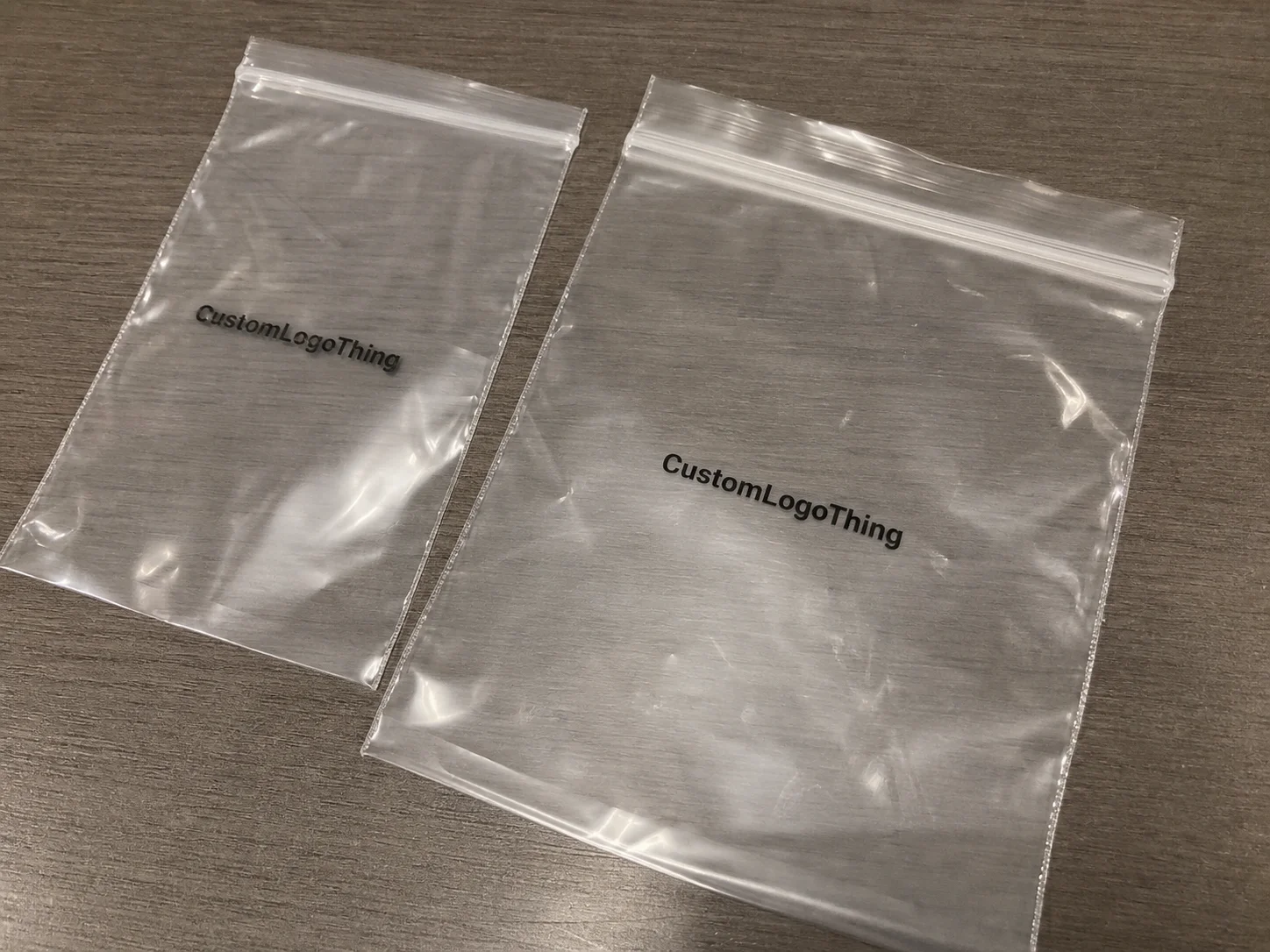
Frosted Zipper Poly Bags are usually made from polyethylene film with a matte, semi-opaque finish. The frosted effect softens visibility and gives the package a more deliberate look than a fully clear bag. For apparel, that often reads as cleaner and more retail-ready.
They are common for folded tees, underwear, socks, lounge sets, babywear, scarves, and lightweight accessories. The zipper closure adds utility: customers can reopen the bag, fulfillment teams can inspect or repack items, and retail staff can handle returns or replenishment without tearing the entire package apart.
That mix of appearance and function is why a material comparison matters. A bag can look good in a mockup and still fail in use if the film is too stiff, too thin, or inconsistent from batch to batch.
Brands also compare these bags with other packaging formats such as Custom Poly Mailers and broader packaging systems made from Custom Packaging Products. Those options solve different problems. Some are better for shipping, some for shelf presentation, and some for reuse. Frosted zipper bags usually sit in the middle: clean presentation, light protection, low bulk.
Frosted zipper bags work best when the brand wants a softer presentation without giving up the practical benefits of lightweight plastic packaging.
How the frosted film and zipper closure work together
Most frosted zipper bags use LDPE or LLDPE film, sometimes with EVA blended in. The film formula affects hand feel, crease behavior, stiffness at the top seal, and how the bag looks once the garment is inside. The frosted appearance comes from the material formulation and/or surface treatment used during extrusion and conversion, which changes how light passes through the film.
The zipper track is integrated during bag conversion. The film has to seal cleanly, the zipper has to sit straight, and the top edge has to hold its shape after repeated opening and closing. If the film is too soft, the closure can distort. If it is too rigid, the bag starts to feel boardy and loses the drape apparel packaging usually needs.
Translucency is one of the useful features here. Frosted film reveals the garment color and general silhouette without exposing every wrinkle, fold line, label edge, or packing inconsistency. Clear bags show everything; frosted film gives more forgiveness, which is why many apparel buyers prefer it for retail-facing packs.
The zipper itself should be checked for a few basic things:
- Seal integrity — Does it close evenly from end to end?
- Opening force — Is it easy for customers without feeling loose?
- Closure consistency — Do bags in the same run behave the same way?
- Repeated-use durability — Can the track handle multiple open-close cycles?
Those four points are the difference between a bag that feels premium and one that creates complaints. A zipper that looks fine on a sample card can behave differently once it meets a different gauge, a slightly different seal temperature, or a heavier garment. Production is full of these small variables.
For packaging teams that care about handling durability, it helps to think like a transportation tester. Drop stress, vibration, and compression are where bag structure gets exposed. Standards groups such as ISTA are useful references because they focus attention on the kind of abuse packaging actually sees.
Material comparison: PE, EVA blends, and thickness choices
For Frosted Zipper Poly Bags for apparel brands material comparison, the conversation usually starts with polyethylene. LDPE is softer, more flexible, and drapes nicely around folded apparel. That makes it a good fit for light tees, underwear, socks, and accessories where a softer hand feel matters more than rigid structure.
LLDPE is usually the tougher option. It has better puncture resistance and a little more resistance to abuse during packing and shipping. If the garment is thicker, the bag is packed tightly, or the order passes through more handling points, LLDPE tends to hold up better. It can feel firmer, but the tradeoff is often worth it.
EVA blends sit in a different lane. Depending on the formulation, they can feel smoother and look slightly more premium. That makes them attractive for brands trying to elevate the unboxing or retail presentation. The downside is price. They usually cost more, and not every converter runs them with the same consistency, so sampling matters.
Thickness is another decision that gets oversimplified. Apparel bags are commonly specified in the 40–80 micron range, although the right gauge depends on the product and how the bag will be used. Thinner film lowers material use and packs flatter. Heavier film gives more body and puncture resistance. Too thin, and the bag can feel cheap or wrinkle badly. Too thick, and the bag starts fighting the garment instead of presenting it.
| Material / gauge choice | Hand feel | Durability | Typical use case | Cost impact |
|---|---|---|---|---|
| LDPE, thinner gauge | Soft, flexible, drapey | Moderate | Light tees, socks, small accessories | Lower |
| LLDPE, mid gauge | Slightly firmer | Higher puncture resistance | Most apparel runs, shipping-heavy use | Moderate |
| EVA blend, mid to heavier gauge | Smoother, more elevated | Good, depending on blend | Premium retail presentation | Higher |
| Heavier PE gauge | Structured, more rigid | High | Thicker garments, reuse-focused bags | Higher |
Thickness is not a synonym for quality. That assumption causes a lot of unnecessary regret. A thicker film can improve durability, but it can also make the bag stiffer, trap air, and create a bulkier fold. For soft apparel, the right film usually balances structure with drape.
There is also a sustainability conversation that should be handled carefully instead of lazily. Some brands ask about recycled content or post-consumer waste blends. Others want outer cartons or inserts made from FSC certified paper. Those choices matter, but they do not automatically make a packaging system greener. The smarter question is whether the full pack architecture reduces waste, protects the product, and fits the logistics model.
Key factors that affect price, MOQ, and print quality
Price depends on more than resin cost. Bag size, film gauge, zipper type, print coverage, and any special finish all affect the number. A plain frosted zipper bag in a standard size is usually far cheaper than a custom printed version with precise logo placement and a heavier film.
At a run size around 5,000 pieces, a simple order may stay relatively efficient. Add multiple print colors, custom dimensions, or special zipper requirements, and the unit cost climbs. Setup, proofing, conversion waste, and quality control all have to be covered somewhere.
MOQ follows the same logic. Standard sizes with simple printing usually allow lower minimums. Special sizes, custom zipper profiles, and more complex artwork usually raise the floor because the factory has more setup work and more risk.
Print quality deserves extra attention on frosted film because the matte surface changes how ink appears. Fine lines soften more easily. Low-contrast logos can fade into the background. Tiny type tends to look worse than expected once the bag is folded or viewed under retail lighting. Bold shapes, clean spacing, and strong contrast usually perform better. If a brand wants delicate branding, samples are non-negotiable.
There is also landed cost, which gets ignored until the freight quote shows up. Carton pack counts, nesting efficiency, and pallet density all affect real cost. A thicker bag may cost more to make and more to ship. If the packaging system also uses corrugated shippers, kraft paper inserts, or other Custom Packaging Products, the full cost picture has to include the whole stack, not just the inner bag.
For apparel brands running multiple SKUs, it helps to compare packaging options in the same review process. If a line already uses mailers or box programs through Case Studies or other internal packaging specs, the frosted zipper bag should fit that system instead of fighting it.
Production steps and lead time from artwork to delivery
Production starts with spec confirmation. Dimensions, film type, thickness, zipper style, print areas, and quantity all need to be locked before artwork gets too far along. If the garment fit is still a guess, the bag size will probably need adjustment later.
Artwork review comes next. Logos should be checked for resolution, line weight, color build, and placement. A design that looks clean on a screen can change once it sits on frosted film, especially near the zipper or top seal. The best review is against the actual bag layout, not a generic template. Zipper position, edge margins, and seam allowances affect the finished look more than most people expect.
Sampling is the real filter. Many jobs pass the digital proof and fail the physical sample. The bag may feel too stiff. The zipper may sit too loosely. The print may need stronger contrast. That is not a disaster; it is the point of the sample.
After approval, the work moves through material sourcing, conversion, printing, inspection, and packing. For straightforward custom jobs, lead time is often around 12–15 business days after final proof approval. More complex orders can take longer, especially if the film needs to be sourced specially or the zipper spec is unusual. Add buffer if the order is tied to a launch date.
Delays usually happen in a few predictable places:
- Dieline or size changes after artwork has already started.
- Color corrections or logo revisions after proofing.
- Late sample approval.
- Material substitutions when the requested film is unavailable.
- Freight or shipping hold-ups after cartons are finished.
Good planning reduces most of that. Final dimensions, approved copy, and target quantity should be ready before you ask for a quote. That gives suppliers enough information to compare film options, estimate MOQ accurately, and tell you whether standard PE, a blended film, or a different packaging format is the better fit. If the broader packaging system includes recycled-content outer packaging or biodegradable components, those decisions should be made as a system, not stitched together at the end.
Common mistakes brands make when choosing frosted zipper bags
The first mistake is choosing by appearance alone. A frosted zipper bag can look polished in a mockup and still disappoint in use if the film is too weak, the zipper track is uneven, or the bag can’t hold a clean fold.
The second mistake is sizing too loosely or too tightly. A bag that is too small stretches at the seal and makes the zipper harder to close. A bag that is too large allows the garment to shift, which creates wrinkles and a sloppy presentation. The goal is a controlled, flat presentation that still feels easy to use.
Overprinting is another easy way to ruin a decent spec. Frosted film does not reward tiny details or low-contrast type. Clean branding usually works better than busy artwork. If the design depends on delicate lines, ask for a physical sample before approving production.
The last mistake is under-budgeting the actual standard the brand wants to achieve. Premium feel requires the right thickness, the right zipper, and enough sampling to lock down the details. If the budget only covers the cheapest possible version, the final result will probably look like it.
Practical next steps to spec the right bag for your line
Start with the garment. Measure the folded dimensions, decide how much visibility you want, and be honest about the bag’s role. Is it mostly for retail presentation, warehouse handling, or customer reuse? The answer changes the spec.
Then compare samples across a few material options. Test standard LDPE, a tougher LLDPE option, and any EVA blend you are considering. Zip them repeatedly. Fold garments into them. Pack them into cartons. Check whether the bag keeps its shape or starts looking tired after a few handling cycles.
Before approving a quote, confirm four things:
- Print requirements — colors, logo placement, coverage, and finish expectations.
- MOQ — the minimum quantity for the chosen construction.
- Lead time — from artwork approval to finished goods.
- Carton pack counts — so storage and freight estimates are realistic.
If the packaging program is broader than one bag, keep the apparel bag aligned with the rest of the line, whether that includes shippers, inserts, or other Custom Packaging Products. A package should feel like part of one system, not a pile of unrelated decisions made in separate meetings.
The right frosted zipper bag should protect the garment, present it cleanly, and move through production without drama. Compare real samples, not just renderings, and the right balance of look, feel, and cost becomes much easier to see.
FAQs
What material is best for frosted zipper poly bags for apparel brands?
LDPE is a common choice for softness and flexibility, while LLDPE usually offers better puncture resistance. EVA blends can feel smoother and slightly more premium, depending on the formulation. The best option depends on garment weight, shipping conditions, and whether the bag needs to be reused.
How do frosted zipper poly bags compare to clear poly bags for clothing?
Frosted bags look more refined and hide wrinkles or packing inconsistencies better than clear bags. Clear bags show the product more directly, which can help when visibility matters most. Frosted film usually gives apparel a softer, more retail-ready presentation.
What thickness should I choose for apparel packaging bags?
Light accessories and folded tees can work with thinner film, but heavier garments usually need a stronger gauge. In many apparel applications, 40–80 microns is a common range, though the right choice depends on the product and handling conditions. Ask for samples at different thicknesses so you can compare drape, stiffness, and zipper performance.
What affects the unit cost of custom frosted zipper bags the most?
Bag size, material type, thickness, print complexity, and zipper style are the main cost drivers. Higher MOQ levels can reduce unit cost, while special printing or custom sizes usually increase it. Freight, carton packing, and inspection also affect the true landed cost.
How long does production usually take for custom frosted zipper poly bags?
Timeline depends on artwork approval, sample needs, material sourcing, and the production schedule. Straightforward runs often land around 12–15 business days after final proof approval, while more complex orders can take longer. Build in extra time for proofing and shipping so your launch or replenishment schedule stays realistic.


