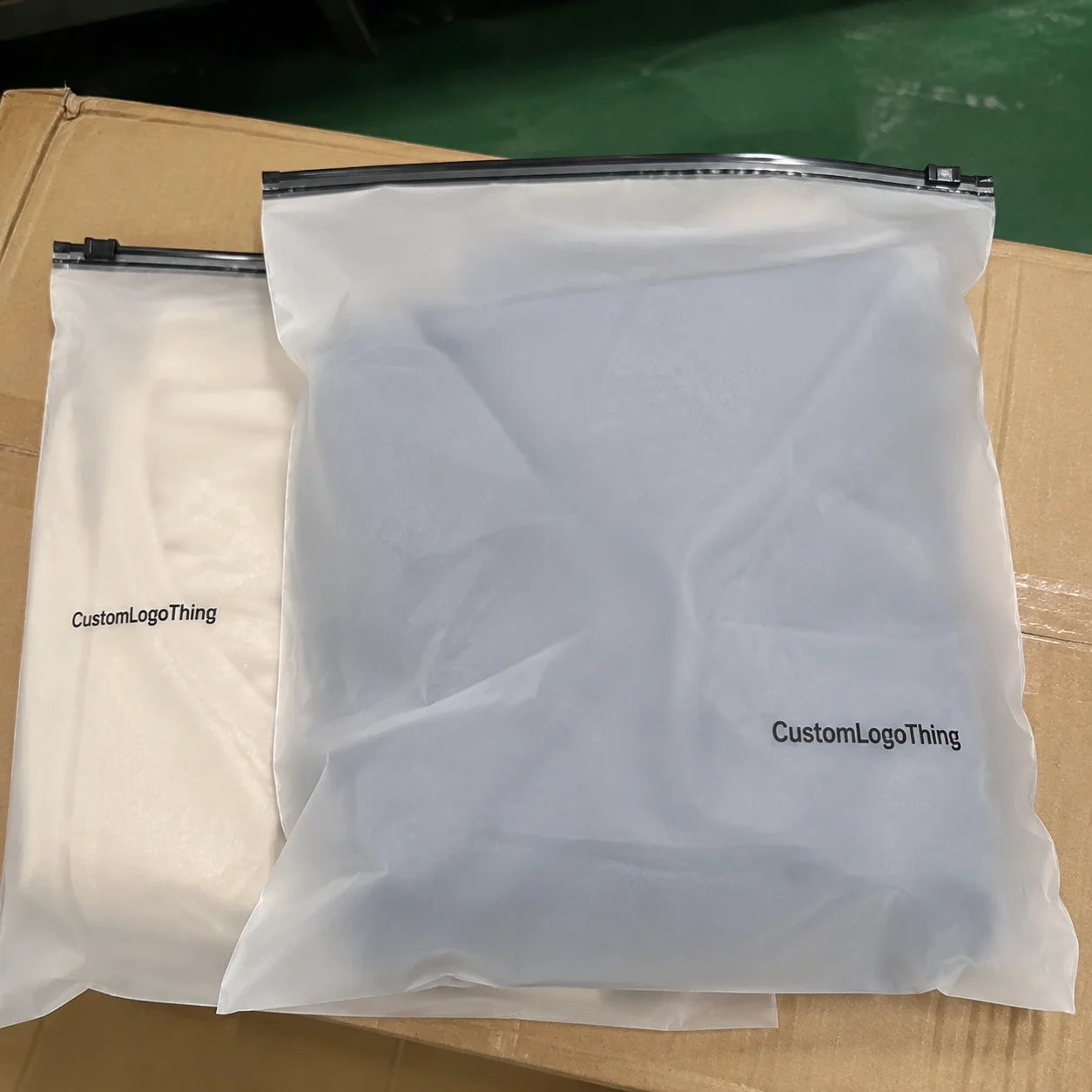
Getting a garment Bags Quote for Apparel retailers should be simple on paper. In practice, it often turns into a chain of clarifications: the supplier wants the size, then the closure, then the artwork, then the pack format, and only then can they price it correctly. The product looks straightforward from a distance. Up close, one missed detail can swing the unit cost more than buyers expect.
That is why experienced apparel teams do not ask for “a quote” in the abstract. They ask for a quote that matches the garment type, the handling method, and the storage environment. A thin cover for hanging shirts has a very different cost profile than a gusseted coat bag or a zippered cover for premium merchandise. The bag is rarely the problem. The mismatch is.
“If the quote doesn’t match the way the garments are actually stored or shipped, it’s not a quote. It’s a guess.”
Retailers also request quotes early because the bag is part protection, part presentation, and part loss prevention. Wrinkling, dust, scuffs, and transit marks all affect sellability. Return rates rise when garments arrive looking handled. For apparel that spends time in stockrooms, on rolling racks, or moving between locations, the bag specification matters more than most non-buyers realize.
Why apparel retailers request garment bag quotes before restocking
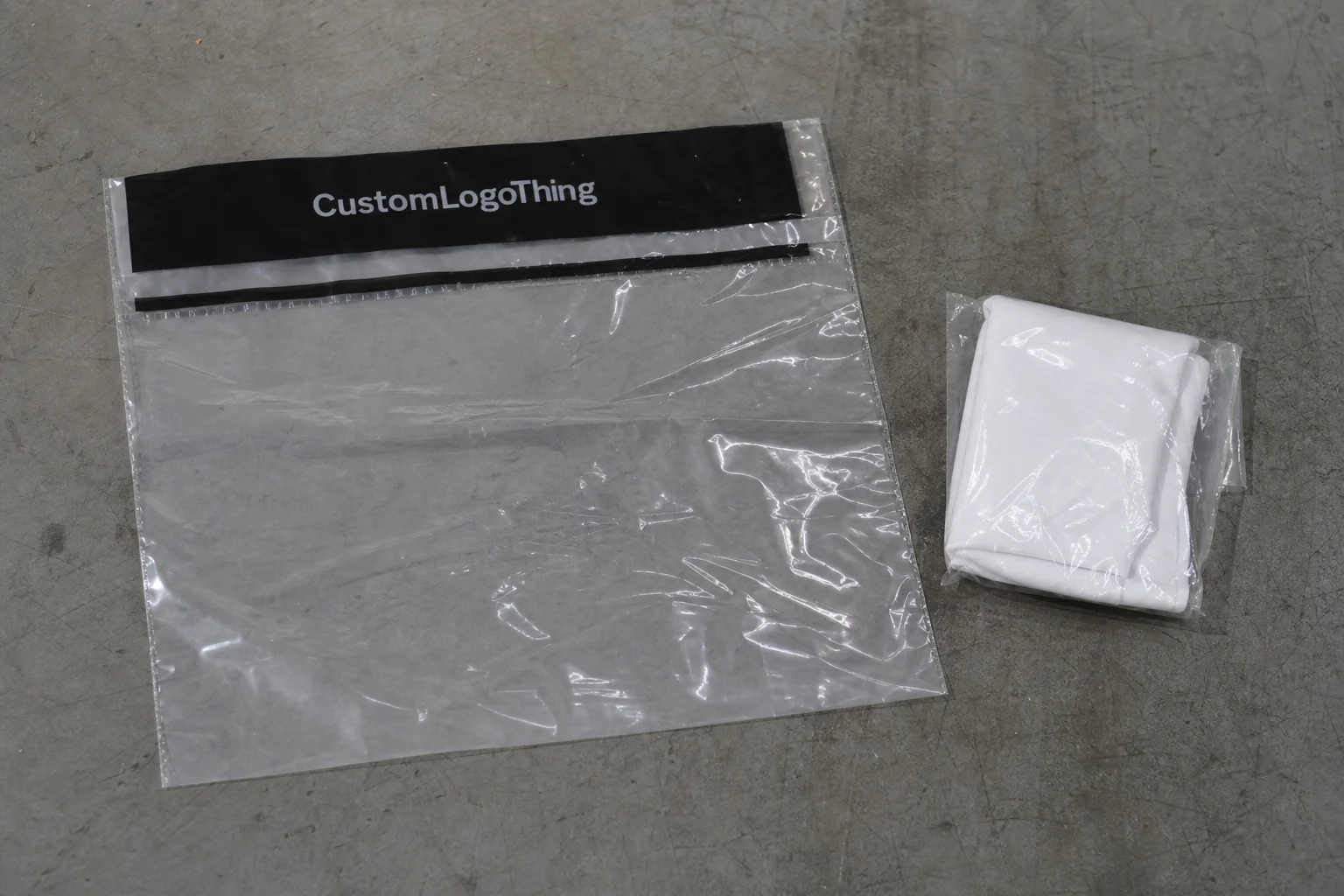
Most buyers start a garment bags quote for apparel retailers request after a practical problem shows up. A shipment arrives crumpled. A premium dress gets marked during storage. Coats need off-season protection in the warehouse. Sometimes a seasonal rollout simply needs a cleaner way to protect inventory while staff are handling it repeatedly.
The economics are not subtle. A garment bag might cost a few cents in the simplest form or several dollars in a premium format, but the wrong bag can cost much more through rework, damage, and replacement. A loose fit can let hems bunch up. A narrow cut can crush sleeves. A weak closure can fail after a few cycles of use. None of those failures appear on the original quote, which is part of why buyers want the details nailed down first.
Quotes also help retailers compare true landed cost, not just the bag price. Freight, carton configuration, inner packing, and seasonal timing all affect the real number. A supplier offering a low unit price on a bag that ships inefficiently may end up more expensive once transport is included. That is especially common with bulky styles and long bags, where carton dimensions quickly become part of the cost equation.
In apparel retail, garment bags are typically used for:
- Suits and blazers that need a cleaner hanging presentation
- Dresses and gowns that require full-length coverage
- Outerwear such as coats and jackets with more volume
- Seasonal storage for inventory protection in stockrooms and warehouses
That variety is exactly why a quote needs context. A bag for a shirt program is not a meaningful comparison point for a winter outerwear order. Treating them as the same item usually produces pricing that looks attractive until the wrong bag arrives.
Garment bag styles, materials, and print options that change the quote
Style is one of the biggest drivers of unit price. Flat polyethylene bags are usually the least expensive and work well for lightweight garments and short-term protection. They use less material and fewer production steps, which keeps costs down. The tradeoff is capacity: they do not give bulky items much breathing room.
Gusseted bags sit in a different category. The extra side or bottom expansion gives more room for shoulders, sleeves, and layered garments. That added volume improves fit and reduces compression, but it also adds film usage and often increases carton size. Buyers who order outerwear often end up here for good reason. A bag that fits is less likely to be discarded by staff or reused incorrectly.
Zippered garment covers cost more because the construction is more involved. They are popular for premium apparel, repeated handling, and higher-end presentation. Some retailers prefer them for storage because they can be opened and closed more than once. Others only need a simple open-top bag and would be paying for features that never get used. The right answer depends on handling frequency, not just appearance.
Material choice matters just as much as format. Common options include PE, LDPE, PP, and PVC alternatives. PE and LDPE are common because they balance clarity, flexibility, and cost. PP can give a slightly stiffer, crisper feel in some applications. Buyers sometimes request PVC alternatives for visual and environmental reasons. The material selected affects transparency, softness, weldability, and how the bag behaves in cold storage.
Thickness is usually discussed in mils or microns. For lighter retail use, bags around 0.8–1.2 mil may be enough. Medium-duty options often land near 1.5–2.0 mil. Heavier coats, repeated handling, or longer storage can justify thicker film. More thickness generally means more durability, but it also raises material cost and can affect folding and carton count. There is no universal “best” gauge. The right choice depends on the garment and the way the bag is used.
Print is another price lever. A single-color logo on a limited print area is very different from multi-color branding, full-length coverage, or specialized mark placement. Setup, ink coverage, and artwork complexity all influence the quote. Add features such as vent holes, a hanger opening, resealable closure details, or a custom zipper pull and the budget moves again. Buyers are sometimes surprised by how much a modest-looking print change affects cost. That is normal. Every extra process step has a price.
| Garment bag type | Typical use | Cost range per unit | Tradeoff |
|---|---|---|---|
| Flat PE bag | Shirts, lightweight garments, basic retail protection | $0.06-$0.14 | Lowest cost, least room |
| Gusseted LDPE bag | Blazers, dresses, moderate bulk items | $0.12-$0.28 | Better fit, slightly higher material use |
| Zippered cover | Suits, premium apparel, repeated handling | $0.35-$1.20 | Higher protection, higher MOQ pressure |
| Printed custom bag | Branded retail presentation | $0.10-$0.45+ | Setup and print coverage affect price |
If you need a garment bags quote for apparel retailers, avoid vague language like “clear bags” or “standard covers.” Those phrases force the supplier to guess, and guesswork shows up later in the quote or the sample. A better request starts with the garment type and ends with the production detail.
Specifications apparel buyers should lock in before requesting a quote
The best quotes come from clean specs. At minimum, the buyer should define dimensions, material, thickness, bag style, closure type, print colors, and quantity. If those items are missing, the supplier either pads the estimate or sends a range wide enough to be almost useless. That is where pricing conversations go sideways.
Dimensions should be based on the garment, not only the hanger. A shirt may fit in a narrow bag, but a blazer or outerwear piece needs more width and depth. Dresses and gowns need length as well. One of the most common sourcing errors is ordering a bag that matches the hanger length but ignores the body of the garment. The result is a cover that technically exists and practically fails.
Packaging format should be included too. Inner pack count, carton count, pallet requirements, and shipping preference all affect handling. If a warehouse needs 100 pieces per inner pack and 10 inners per carton, that should be in the request. Otherwise the supplier may quote a standard packing format that creates extra repacking work on arrival. The better the pack instructions, the less friction at receiving.
- Bag dimensions: width x length, plus gusset depth if needed
- Material type: PE, LDPE, PP, or another film
- Thickness: target mil or micron range
- Closure: open top, zipper, adhesive flap, or resealable style
- Print: logo, color count, placement, and coverage
- Quantity: trial run, seasonal run, or replenishment volume
Buyers should also ask for both a digital mockup and a physical sample when the order has any material importance. A mockup confirms artwork placement and proportions. A physical sample confirms transparency, hand feel, zipper action, seal quality, and how the bag hangs once loaded. Those checks catch different problems. A proof can look perfect while the sample feels flimsy, and the reverse is also true.
Practical rule: vague specs create vague pricing, and vague pricing usually means surprises later.
Cost, pricing, MOQ, and what drives unit cost
Unit cost is usually built from five variables: material grade, film thickness, size, print coverage, and order volume. Larger bags consume more resin. Thicker film uses more material. More colors or more coverage increase setup and print time. Higher volume spreads those fixed costs across more units, which lowers the per-piece price. That is the basic structure, whether the order is 2,000 pieces or 50,000.
For apparel retailers, realistic pricing depends heavily on the style. A stock-style clear bag usually sits near the lower end of the market. A Custom Printed Gusseted bag costs more because it combines material usage with setup. A zippered garment cover often sits higher still because it requires more assembly steps and tighter quality control. If a quote looks unusually low for a complex item, buyers should check what the number excludes. Freight, print setup, thickness, or packaging details are often the missing piece.
MOQ is where many sourcing programs get constrained. Flat bags may have lower minimums, while custom printed or specialty bags often require larger runs. A supplier might quote 5,000 pieces for one style and 10,000+ for another, depending on tooling, print setup, or production efficiency. Small runs are possible, but the per-unit price usually climbs. That is not a penalty so much as the reality of setting up a production line for a narrow order.
Here is a practical volume view of how pricing often behaves:
| Order volume | Typical pricing effect | Best fit |
|---|---|---|
| 1,000-2,999 pcs | Highest unit cost | Trials, test runs, urgent replenishment |
| 3,000-9,999 pcs | Moderate unit cost | Seasonal retail orders |
| 10,000+ pcs | Lower unit cost | Multi-store programs, recurring restocks |
Freight and packaging can erase a paper discount quickly. A quote that looks 10% to 15% lower before shipping may end up higher once cartons, palletization, and transport mode are included. To compare quotes properly, buyers need the same spec across each supplier: identical dimensions, film thickness, print coverage, and packing format. Otherwise one vendor is quoting a 1.5 mil bag and another is quietly offering a thinner version that only appears comparable.
The sourcing question is not “Who is cheapest?” It is “Who is quoting the same bag?” That distinction saves more money than most line-item negotiations.
For broader packaging terminology and material context, the Packaging Professionals organization is a reliable reference, especially if a team is aligning internal specs before going to market.
Process, timeline, and production steps from quote to delivery
The quote process should be direct. The buyer sends the spec. The supplier prices it. Artwork is checked. A sample or mockup is approved. Then production begins. If the process stalls for days over measurements that were never provided, the issue is almost always the request, not the manufacturer.
A typical production flow looks like this:
- Submit bag dimensions, material, thickness, print file, and quantity
- Receive pricing and confirm MOQ, pack format, and assumptions
- Approve digital mockup or physical sample
- Confirm deposit and production schedule
- Run production, inspect quality, and pack cartons
- Ship and provide tracking or freight documents
Lead time depends on complexity. Simple stock-style or lightly customized bags can often ship in 12-15 business days after proof approval. Heavier gauges, printed bags with multiple colors, or zipper assemblies often take 15-25 business days, and longer if artwork changes after proofing or if the production run is large. A rush order may be possible, but rushes usually carry a premium because they disrupt standard scheduling.
Most delays come from predictable points: unclear artwork, late proof revisions, waiting for internal approvals, or changing carton requirements after production has started. None of those issues is unique, but they do add time. Buyers planning a seasonal reset should ask for both the estimated ship date and the assumptions behind it. A date without assumptions is just a hope with punctuation.
One practical habit helps a lot: confirm the carton pack and shipping method before production starts. That keeps the delivery plan aligned with the warehouse receiving process and reduces avoidable repacking when the shipment lands.
What to compare before choosing a supplier for apparel bag orders
Price is only one part of the decision. Consistency matters just as much, and sometimes more. A cheap quote loses value fast if the bags arrive with poor seals, inaccurate sizing, uneven print placement, or a zipper that binds on half the run. For recurring apparel programs, the real test is whether the supplier can repeat the same spec on the next order without drifting.
Buyers should inspect samples the way store staff will handle the bags. Check the film feel, opening width, zipper action, seam strength, transparency, and how the bag hangs when loaded. If a supplier sends a spec sheet with tolerances, packing details, and written terms, that is a positive signal. If the response is broad but thin on specifics, the quote is likely to be equally loose.
For repeat seasonal orders, the best supplier is the one that keeps dimensions, print placement, and pack format stable across restocks. That consistency matters because small variations create operational friction. A bag that is 1 inch short or 1/2 inch narrow may not sound serious until the warehouse starts sorting by exception.
- Consistency: same dimensions, same print placement, same film feel
- Communication speed: clear answers within 24-48 hours
- Documentation: spec sheet, artwork proof, packing details
- Quality control: visible checks on seals, print, and count accuracy
If transport testing or carton integrity is part of the conversation, the ISTA testing resources are useful for understanding how packaging is expected to behave under shipment stress. That matters more when garment bags are bundled with other goods or stored for extended periods before they reach the floor.
Next steps to request a garment bag quote with the right details
The fastest way to get a usable garment bags quote for apparel retailers is to send a complete brief the first time. Start with the bag size, material, thickness, closure, print artwork, quantity, and target delivery date. Then specify the garment type. A bag for shirts, blazers, or long coats does not need the same proportions, and the supplier should see that immediately.
If the item is bulky, unusual, or part of a premium assortment, include product references or use descriptions such as “standard blazer,” “winter coat,” or “full-length dress.” That context often changes the recommendation before pricing begins. It can also prevent a round of revision after the first proof.
Request the sample, mockup, and freight estimate together. That gives a more accurate landed cost and reduces the chance of discovering an issue after the quote has already been approved. A good unit price does not help if the shipping method is wrong for the warehouse schedule or the carton count is off by a wide margin.
A practical comparison path looks like this:
- Compare 2-3 suppliers using the same spec sheet
- Review unit cost, MOQ, and lead time together
- Check sample quality or mockup accuracy
- Confirm packaging and ship terms
- Approve the best fit for replenishment
If sustainability is part of the buying brief, ask about recyclable film options or recycled content where available. If the program also touches paper-based components or certified materials, the FSC website is a useful reference point for chain-of-custody basics, even when the packaging mix includes multiple material types.
In short, the strongest quote comes from the clearest request. A detailed brief produces cleaner pricing, fewer corrections, and a better chance that the first sample is close to the final production run.
FAQs
What details do I need to request a garment bag quote for apparel retailers?
Include bag dimensions, material, thickness, closure style, print requirements, and quantity. Add garment type and shipping destination so the quote reflects real use and landed cost. A spec sheet cuts back-and-forth and gets you a cleaner price.
How does MOQ affect garment bag pricing?
Lower quantities usually mean a higher unit cost because setup and production costs are spread across fewer bags. Higher MOQs can reduce the per-unit price, especially for custom printing or specialty materials. Always compare MOQ against your actual sell-through, not just the cheapest quote.
What is the usual lead time for custom garment bags?
Lead time depends on whether the bag is stock-style or fully custom. Artwork approval, sample confirmation, and order size all affect the schedule. Ask for a production timeline before paying the deposit so you can plan replenishment.
Which material is best for apparel retail garment bags?
PE and LDPE are common for cost-effective protection and clear visibility. Heavier gauges and gusseted styles work better for coats, suits, and bulk hanging storage. The best choice depends on garment weight, storage time, and the look you want on the floor.
Can I get printed garment bags with a custom logo?
Yes, most Custom Garment Bags can be printed with a logo, brand mark, or care message. Print area, color count, and film type affect price and setup. Send clean artwork files to avoid delays and keep the print sharp.