Why campus bookstore packaging fails fast at launch
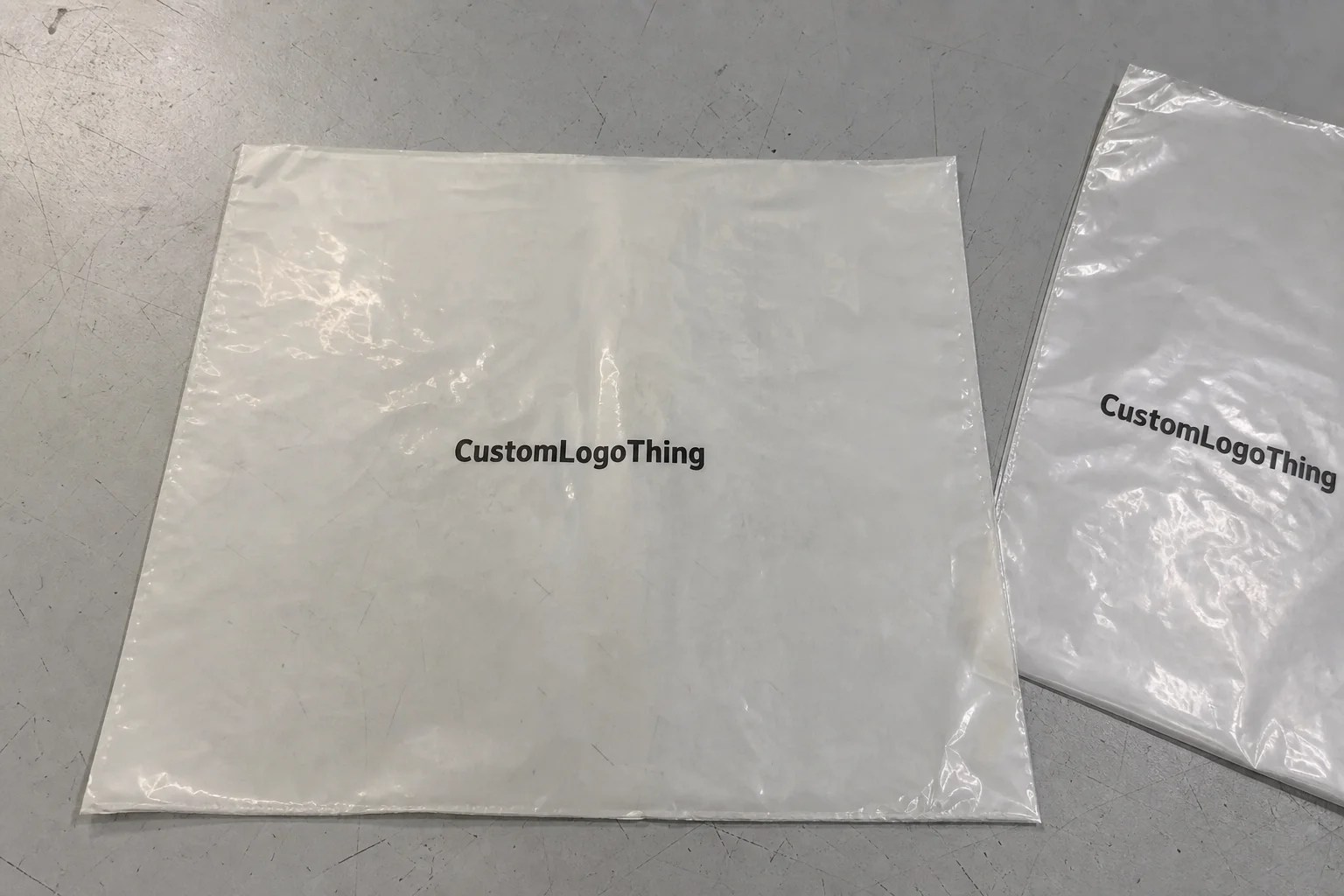
Campus retail does not give packaging much grace. If a hoodie arrives in a thin sleeve, a folded tee looks distorted, or the logo sits off-center, the whole launch feels less polished in about three seconds. Students do not care about resin grades or print methods. They care that the product looks clean, priced right, and ready to buy.
That is why Garment Poly Bags for Campus bookstores retail launch checklist is not a fancy packaging topic. It is a practical one. These bags protect apparel, speed up receiving, keep sizes organized, and help the floor stay tidy when the back room is doing its usual best impression of controlled chaos.
Campus bookstores have a narrow margin for mistakes. They carry licensed tees, fleece, joggers, spirit wear, and gift items that need to look consistent across sizes and categories. If packaging is too small, the fold gets crushed. If it is too loose, the wall looks sloppy. If it is overprinted, the garment disappears behind the bag. None of that helps sales.
There is also the basic operational problem: apparel gets handled a lot. During shipment, unpacking, sorting, display setup, and customer browsing, every extra touch adds wear. Poly bags reduce dust, fingerprints, and moisture exposure, and they make it easier for staff to keep inventory straight without turning every restock into a repacking project.
The goal is not to make packaging complicated. It is to make the first order accurate enough that nobody has to fix it twice.
How garment poly bags support bookstore merchandising
The workflow is simple enough. Fold the garment, insert it, seal it if needed, label it, and stack it. The hard part is matching the bag to the apparel and the store’s actual handling process. A bag that is too tight slows pack-out. A bag that is too loose wastes shelf space and looks under-planned. Both are avoidable.
In a campus bookstore, poly packaging does more than protect the product in transit. It supports front-of-house merchandising. Clear or lightly tinted bags let shoppers see color, print, and general fit cues without opening every item. That matters in a store where one display tee can be picked up fifty times before lunch. Clean presentation also makes licensed merchandise feel more premium, even when the underlying item is a fairly basic cotton tee.
There is another benefit that gets overlooked: uniform packaging helps the stockroom function. When every folded item sits in a predictable sleeve, size sorting is faster and reorders are easier to audit. That means fewer mistakes when the opening team is rushing to fill the wall and fewer headaches when restocks start arriving right before an event.
Useful options usually include:
- Suffocation warning text for retail safety compliance
- Vent holes when airflow or local policy requires them
- Self-seal or adhesive flaps for items that stay closed on display
- Hang holes for pegboard or hanging displays
- Barcode windows or label panels for receiving and scan speed
- Light print or frosted finishes for cleaner presentation without hiding the garment
Some teams pair folded apparel sleeves with ship-to-student packaging for online orders, such as Custom Poly Mailers. That works only if the functions stay separate. A display sleeve is not a shipping mailer, and mixing those requirements usually produces an overpriced compromise.
Key specs that affect fit, durability, and presentation
Size is the first spec to get right. Standard tees, polos, fleece, and oversized hoodies do not behave the same once folded. A flat bag can work for a basic T-shirt. A heavyweight hoodie needs more length and usually more room at the fold. If the top edge bulges, the bag is too small. If the garment slides around inside, the bag is too large.
Thickness matters just as much. Poly bags are usually measured in mils. For most campus bookstore apparel, 1.5 to 2.5 mil is a practical working range. Lighter bags cost less, but they tear more easily and can feel flimsy in hand. Heavier bags hold up better during shipping, stocking, and repeated customer handling. For fleece and hoodies, many buyers move toward the upper end of that range or beyond, depending on the size and folding method.
Closure style changes how the store works. Open-top bags are the least expensive and the fastest to pack, which is fine for simple backroom use. Adhesive flap bags keep items closed during transfer and display. Resealable closures are useful when staff reopen garments to verify size, inspect print, or refold returns. If the packaging will be touched often, paying a little more for an easy closure can save labor. If it will not, do not pay for a feature no one uses. That sounds obvious. Apparently it still needs saying.
Print is another place where buyers can overdo it. A logo, size sticker zone, or a simple branding strip can work well. Full coverage print usually costs more and can hide the product. For campus retail, clear or lightly printed bags are usually the safest option because the garment stays visible and the display stays clean. Heavy print coverage makes sense only for hero products or special campus collaborations that need more shelf presence.
Material choice affects both appearance and handling. LDPE is common because it is flexible, forgiving, and cost-effective. PP tends to feel stiffer and can look clearer, but it does not always fold as neatly. Frosted finishes reduce glare and can make a wall look more premium. Recycled-content options are common now, but they still need testing. Some recycled blends crease more easily, and some seal less reliably. Sustainability claims do not help much if the bag splits at the seam.
Compliance has to be checked before the order goes in. Many retail bag formats require suffocation warning text, and some designs need venting or other safety details depending on the region and usage. If the same bag will be used across store pickup, floor display, and backroom handling, confirm the exact warning layout and material requirements with the supplier before approval. For broader packaging references, the Institute of Packaging Professionals and ISTA both publish useful standards and testing context.
| Option | Typical use | Cost impact | Tradeoff |
|---|---|---|---|
| Open-top clear bag | Basic folded tees and polos | Lowest | Fast and cheap, but less secure |
| Adhesive flap bag | Merchandise that stays closed on display | Low to moderate | Better protection, slightly slower packing |
| Resealable printed bag | Premium branded apparel | Moderate to higher | Looks polished, costs more per unit |
| Frosted or heavier-gauge bag | Fleece, hoodies, gift sets | Higher | Better feel and durability, less budget-friendly |
Cost, pricing, and MOQ planning for a bookstore launch
Packaging cost is more than the unit price on a quote. Size, thickness, print colors, closure type, venting, carton pack count, freight, and setup fees all matter. A low headline price can disappear quickly once the rest of the line items show up. Suppliers know this. Buyers should, too.
For plain stock bags, pricing is usually lowest because no custom print setup is involved. For custom printed garment bags, cost rises with the number of colors, the amount of ink coverage, and the run length. As a practical buying range, plain clear bags in volume often land around $0.05 to $0.12 per unit. Custom printed versions can move into the $0.12 to $0.30+ range depending on size, material, and quantity. Smaller runs generally cost more per unit. That is not a surprise. Setup has to be paid for somehow.
MOQ planning matters because campus bookstores do not want weeks of dead inventory sitting in storage. A lower minimum order reduces risk, but it may raise the unit price and limit customization. A larger order brings the unit cost down, but now the store owns a lot of bags and has to store them somewhere dry and organized. The better approach is to split the plan into three buckets:
- Opening order for launch inventory
- Replenishment order for the first restock cycle
- Seasonal buffer for orientation, homecoming, game day, and other spikes
Standardizing one bag size across similar apparel categories can also cut complexity. If a mid-size sleeve fits tees, polos, and some lightweight fleece, the store reduces SKUs and simplifies reorder decisions. But one size will not cover everything. Oversized hoodies and bulkier sweatshirts usually need a separate spec. Standardization should reduce friction, not create a new fit problem.
When comparing suppliers, always ask for total landed cost. Freight and setup fees can erase a cheap unit price fast. It also helps to request quotes at several volumes, such as 1,000, 3,000, and 5,000 units, so the real breakpoints are visible. If the bookstore is planning a wider packaging lineup, it can help to compare the bag program against other Custom Packaging Products instead of evaluating each item in isolation.
Process and timeline: from artwork to first delivery
A clean launch usually follows the same sequence: spec selection, artwork prep, proof approval, production, quality check, shipping, receiving. The problems tend to show up early, not late. A launch does not usually fail because the machine stopped on day four. It fails because the artwork was wrong, the warning text got missed, or the proof was approved too quickly.
Stock bag orders move faster because there is no custom tooling or print setup. Custom printed runs take longer, especially if the artwork needs cleanup or the color match has to be tight. A reasonable timeline for custom Garment Poly Bags often runs 12 to 20 business days after proof approval, then freight on top of that. Rush orders can happen, but rush and cheap are rarely friends.
File prep matters more than many buyers expect. Vector logos are safer than low-resolution artwork. Pantone targets should be confirmed if color consistency matters. Print-safe margins should stay clear of seals, folds, and trim edges. A sloppy file can add days to the schedule, which matters a lot when the launch date is tied to move-in week, an athletics release, or a semester opening window.
University procurement can also slow things down. If approvals run through multiple departments, build extra time for internal review. If the opening date is fixed but the order is still in flux, ask whether partial shipments or split deliveries are possible. That can keep the floor stocked while the rest of the order finishes production. Not elegant. Very useful.
“The cheapest mistake is the one caught at proof stage. Everything after that costs more.”
Step-by-step launch checklist for campus bookstore teams
If you are building Garment Poly Bags for Campus bookstores retail launch checklist, treat it like a working document, not a theory exercise. The point is to stop mismatched packaging before it reaches the floor.
- Audit the product mix. Count tees, hoodies, crewnecks, polos, athletic wear, and any oversized items.
- Write down the bag spec for each category. Size, gusset, thickness, closure, and print requirements should all be listed.
- Request samples or production mockups. A proof is useful, but a packed sample is better.
- Test folding speed. Staff should be able to pack, seal, and stack without fighting the bag.
- Check visibility. Logos, size labels, and barcode windows should not hide the garment.
- Verify compliance copy. Warning text, venting, and any required safety marks should be approved before ordering.
- Create one master spec sheet. That prevents multiple versions from floating around the store and warehouse.
- Set reorder triggers. Base them on first-week velocity, event calendars, and expected campus spikes.
- Confirm carton labels. Receiving moves faster when carton count, bag size, and spec ID are easy to read.
- Reserve safety stock. A small buffer helps cover damage, returns, and last-minute merchandising changes.
Storage needs a plan too. Keep bags flat, dry, and sorted by size. If they get stuffed into a corner and left to wrinkle, pack-out slows down and the display looks worse before it even opens. Master carton labels help, especially when the first shipment lands and the team is already juggling apparel and fixtures.
For launch inventory, a reserve of 5% to 10% is usually enough to handle mistakes, damaged pieces, or unexpected demand. That cushion is cheap compared with a scramble for emergency replenishment two days before a home game.
Common mistakes that cause returns, waste, and ugly displays
The most common mistake is buying a bag that is too small. Staff then overstuff the garment, which wrinkles the fold, stresses the seal, and makes the product look cheap. Buyers often think one extra inch will not matter. It usually matters.
Ignoring thickness is next on the list. A thin sleeve might look fine during sample review and then fail during shipping or repeated handling on the sales floor. That leads to torn bags, wasted product time, and more repacking than anyone wants during opening week.
Overprinting causes its own kind of damage. Branding should support the garment, not hide it. If the bag covers the shirt graphic or turns the display into a wall of ink, the packaging is working against the sale. A clean, restrained layout usually performs better than a loud one.
Compliance mistakes are worse because they can force a reprint or delay receiving. Missing warning text, incorrect venting, or inconsistent labeling can stop an order cold. Skipping sample approval is also a bad idea. Digital proof and finished production rarely match perfectly. Color shifts happen. Seal placement moves a little. The bag size feels different in hand. That is why physical samples exist.
Overbuying is another expensive habit. Large opening orders sound efficient until a box of custom sleeves is sitting untouched after the first season. Validate demand first, then scale. And if the store also needs Packaging for Online orders or special shipments, keep the shipping mailer decision separate from the display bag decision. Different jobs. Different specs. Different failure points.
Expert tips for a cleaner launch and smoother restocks
Standardize by garment category first. Tees get one spec. Hoodies get another. Premium collections may deserve a different finish or print treatment. That makes purchasing easier and reduces confusion when the store reorders six weeks later and nobody remembers which bag was used for which item.
For most campus bookstores, clear or lightly tinted bags are the safest default. They show the product, keep the display neat, and avoid the visual clutter that comes from too much print. Use branded bags only where the brand story matters enough to justify the extra cost: special collaborations, premium lines, or high-visibility launch items.
Ask for one master carton label format. It is not glamorous, but it keeps receiving fast and accurate. The label should show bag size, thickness, quantity, and item reference in the same place every time. Consistency saves more labor than people expect.
Plan restocks around the campus calendar instead of average monthly sales. Orientation, move-in, homecoming, family weekend, and game days all change demand. Packaging should follow those peaks, not fight them. If the bookstore only reviews sales in monthly blocks, it will miss the obvious spike patterns.
A simple spec sheet should include:
- Bag size
- Mil thickness
- Closure type
- Print details
- Compliance text
- Carton pack count
- Reorder point
Keep that sheet updated and repeat orders stop turning into detective work. That alone saves time, money, and a fair amount of irritation.
FAQ
What size garment poly bags work best for campus bookstore tees and hoodies?
Tees usually fit standard flat bags, while hoodies need longer bags with more room at the fold. If you carry multiple apparel types, one mid-size bag may cover most items, but oversized hoodies often need a separate spec so the package does not bulge or tear.
Should campus bookstores choose clear or printed garment poly bags?
Clear bags are usually better for showing the apparel and helping shoppers make quick decisions. Printed bags can support premium branding, but too much ink hides the product and raises cost. For most launches, clear or lightly printed is the safer option.
How do I estimate MOQ and unit cost for a bookstore launch?
Start with your first-month sales estimate and add a buffer for opening rush and events. Ask suppliers to quote several run sizes so you can compare unit cost against inventory risk. That is usually the best way to see where the real price breaks begin.
How long does the process usually take for custom garment poly bags?
Stock bags can ship quickly, while custom printed runs take longer because proofing and production add steps. A common planning window is 12 to 20 business days after proof approval, plus freight. Build in extra time for internal approvals and corrections.
What should be on a campus bookstore packaging checklist before ordering?
Confirm bag size, thickness, closure, print needs, compliance text, and reorder quantity before placing the order. Request samples or a physical proof, then test folding, scanning, stacking, and display performance using the actual apparel. That is the difference between a tidy launch and a messy one.
For a campus launch, the best packaging choice is usually the one that fits the apparel, keeps the team moving, and does not inflate cost for no good reason. Pick the right size, verify thickness, keep the print restrained, and budget for the real landed cost instead of the headline price. That is how garment packaging helps the store instead of making the opening harder than it needs to be.


