For a gift shop launch, the phrase Garment Poly Bags for gift shops retail launch checklist sounds like it was built by a spreadsheet. Fine. The idea behind it is simple: Get the Right bag in place before opening day so apparel looks clean, sells faster, and does not create extra work for staff.
The bag is often the first thing shoppers notice after the purchase. It carries the product, but it also carries the first impression. A good one makes folded tees, scarves, children’s apparel, and small gift items feel retail-ready. A bad one makes the merchandise look like it came from a clearance bin nobody wanted to touch.
Why gift shops still rely on poly bags for apparel
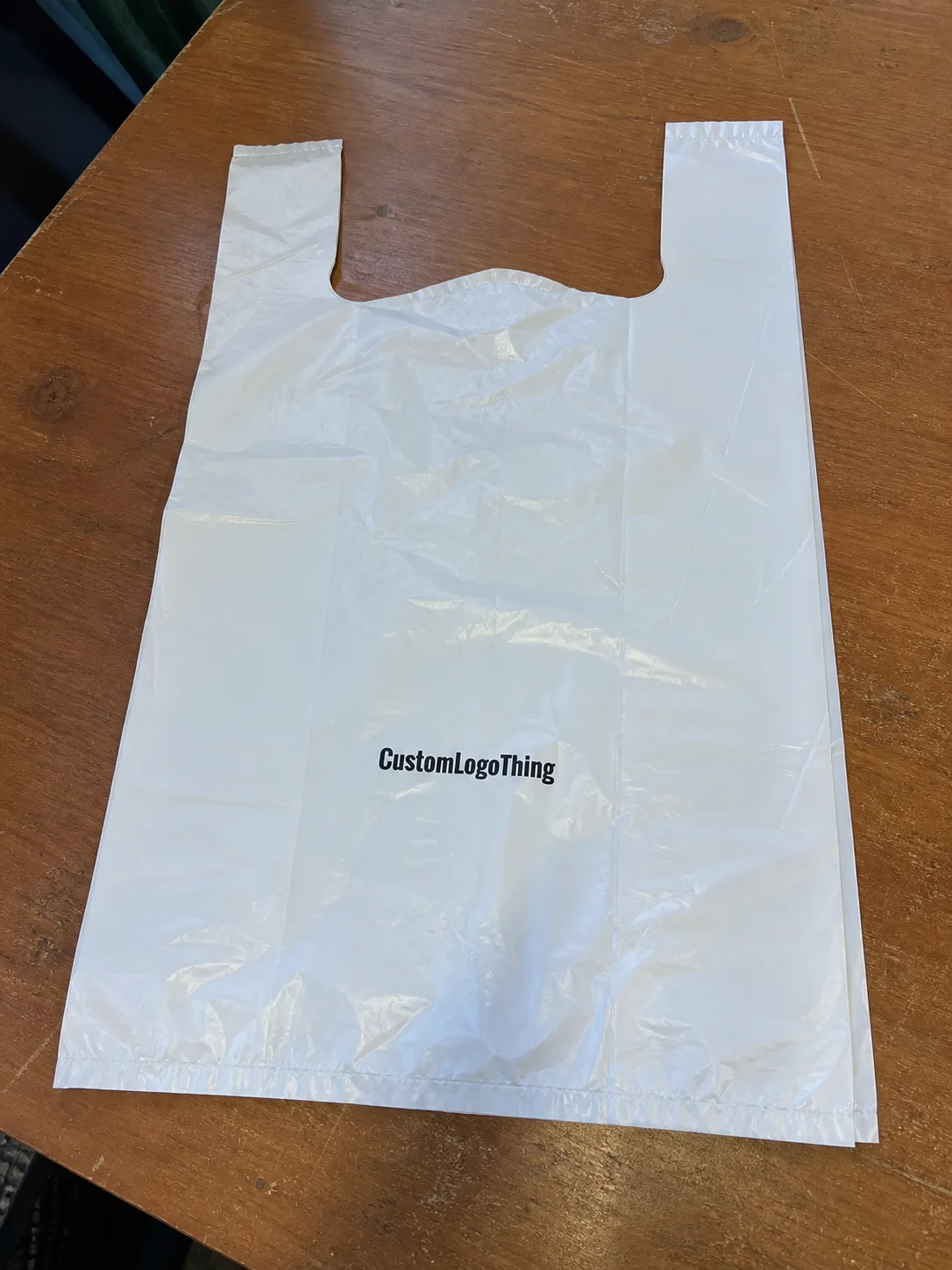
Gift shops keep using Garment Poly Bags because they solve three problems at once: protection, presentation, and speed. In plain terms, these are clear or printed plastic bags sized to hold folded apparel and keep it clean. They keep dust off the product, reduce handling marks, and make a counter display look organized instead of improvised.
That matters because gift shop apparel is usually seasonal, small-batch, or impulse-driven. A folded tee in a bag feels ready to gift. A scarf in a bag feels priced correctly. Even children’s clothing benefits because the buyer can see the item clearly without digging through a messy stack.
The operational benefit is just as real. Staff can bag, label, and hand off a purchase in seconds. That matters when the register is busy and the line is moving. Nobody wants a checkout process that turns into a folding workshop.
There is a tradeoff. Cheap film, bad sizing, or a weak seal can make the whole package look flimsy. If the bag tears easily or floats around the product, the item instantly feels less valuable. So yes, poly bags are simple and cost-effective. No, that does not mean all of them are worth buying.
Practical rule: if the bag looks like an afterthought, the product feels cheaper. If the bag fits cleanly and closes neatly, the item feels more giftable.
How garment poly bags support a retail launch workflow
At launch, the bag needs to fit the packing flow, not fight it. The usual sequence is straightforward: receive folded goods, insert product, seal, label, and merchandise for shelf or counter display. Simple. But simple only works when the bag size and closure style match the actual product.
Self-seal bags are usually the easiest choice for busy shops because they reduce handling time. Open-top bags work fine for internal packing, back-room prep, or items that will be re-packed later. Zip-style closures are less common for fashion display, but they can make sense for reusable storage or bundled sets.
Printed branding can turn a plain protective bag into a retail touchpoint. For gift shops, that can be as basic as a logo, store name, website, or a short thank-you line. You do not need to print a novel on the bag. The bag is not a billboard for your life story.
Inventory flow matters too. Before opening day, bag categories should already match the product mix: small apparel, medium folded tees, thicker knits, scarves, kids’ wear, and special items like gift sets. If staff are improvising with the wrong size on day one, the launch feels disorganized fast.
Sustainability comes up more often now, and fairly so. Some buyers want thinner materials or recyclable options. That said, performance still matters more than branding a bag as “eco-friendly.” A bag that tears, clouds up, or seals badly is not a win for anyone. It is just a problem with a green label on it. If sustainability is a priority, ask about recyclable film options and material reduction, then verify that the bag still protects the merchandise properly. The EPA’s packaging guidance is a useful place to sanity-check waste reduction goals: EPA recycling and waste reduction resources.
Key specs that decide fit, look, and durability
Size is the first spec to get right. Measure the folded product width, height, and thickness before ordering. Not the hanger size. Not the tag size. The actual folded product. Most launch headaches come from bad sizing wearing a nice little costume.
Thickness is the next thing buyers usually compare. Suppliers may quote gauge or mil. Thinner film lowers cost and saves space, but it can wrinkle more easily and feel flimsy in hand. Heavier film improves clarity, stiffness, and tear resistance. For gift shop apparel, a practical range is often around 1.5 to 3 mil, depending on the product weight and how polished the shelf presentation needs to look.
Closure style changes how the bag works in real life. An adhesive flap is fast and neat for retail counters. A zip closure makes sense if the bag will be reused or the item needs longer storage. Open-top bags are the cheapest option and are fine for internal handling, but they usually need a second step to seal or finish the presentation.
Print choice changes both appearance and budget. One-color logo print is usually the smartest starting point for most gift shops. A simple brand mark or product label gives identity without clutter. Full-coverage printing can look strong, but it raises cost and can hide the merchandise, which defeats part of the point.
Finish and clarity are not minor details. Crystal-clear bags show fabric color well and work best for most apparel. Frosted or semi-clear bags can look more premium for certain gift items, especially if the goal is a softer boutique feel. But if the product itself is the hero, clear film usually wins.
Packaging should be tested for handling, not judged only by appearance. If the bag will travel with product or be packed into cartons, check whether it can handle compression and transit stress. ISTA testing protocols are worth reviewing if the packaging will move before it reaches the shelf: ISTA packaging transport testing standards.
| Option | Best use | Typical strengths | Tradeoff |
|---|---|---|---|
| Plain clear poly bag | Budget retail launches, internal packing | Lowest cost, quick to source, good product visibility | Less branded, less shelf distinction |
| One-color printed bag | Gift shops, boutiques, checkout presentation | Strong brand presence, still cost-conscious | Higher MOQ and setup cost |
| Frosted or semi-clear bag | Premium-looking apparel and gift items | More upscale feel, softer visual presentation | Can reduce product visibility |
| Adhesive flap bag | Fast retail packing | Easy for staff, neat finish | Usually costs more than open-top |
Garment poly bags for gift shops: pricing, MOQ, and quote basics
Price depends on more than most buyers expect. Size, thickness, print colors, closure style, and quantity all move the number. A larger bag in heavier film with a two-color print will almost always cost more than a small clear bag with no print. Packaging does not price itself on vibes.
For rough planning, plain stock bags are typically the cheapest option. Custom printed versions cost more, but at scale they can still be reasonable for a retail launch. Many gift shop buyers will see custom Garment Poly Bags become workable once volume reaches a few thousand pieces. Smaller orders usually push the unit cost up quickly.
Minimum order quantity, or MOQ, matters a lot here. Custom printed bags usually require a minimum order, while plain stock bags can often be ordered in smaller quantities. If your launch is small, you may need to choose between a higher per-unit cost or starting with stock bags and moving into branding later.
There are hidden costs too. Setup fees, freight, sample charges, and rush production can change the real unit cost more than the quote itself. That is why quote comparison has to be apples to apples. Same size. Same thickness. Same print count. Same closure. Otherwise you are not comparing prices; you are comparing guesses.
One practical way to handle quotes is to ask for three tiers:
- Option A: plain stock bag
- Option B: one-color custom print
- Option C: upgraded finish or heavier film
That gives you a real budget ladder instead of a vague “can you make it nicer?” conversation. If you also need other launch packaging, it helps to review the broader line of Custom Packaging Products and keep the packaging family consistent across bags, tissue, and labels.
Launch process and lead time: from artwork to delivery
The production path is simple enough, but delays usually show up in artwork or approval. The sequence is: confirm specs, approve artwork, review a sample or proof, run production, then ship to the store or fulfillment location. If any of those steps are vague, the schedule starts slipping.
Stock bags can ship faster because there is no print setup. Custom printed orders need more time for plate setup, proofing, and production. A realistic planning range for custom retail poly bags is often around 12 to 20 business days after proof approval, depending on order complexity and supplier workload. Add freight time on top of that. If you are tight on launch timing, that gap matters a lot.
Artwork approval is where many projects stall. Missing vector files, low-resolution logos, unclear placement, or last-minute copy edits can delay the entire run more than the actual manufacturing. The factory cannot guess what you meant by “make the logo pop a little.” They are printing, not reading your mind.
Build buffer time before opening day. That buffer should also cover tissue, hangtags, barcode labels, and mailer inventory if you are selling online and in store. If one component arrives late, the whole setup feels incomplete. Partial delivery or split shipments can help if your launch date is close and the full order will not land in time.
If you are handling both in-store and ecommerce orders, keep the bag program aligned with shipping packaging too. A related option like Custom Poly Mailers can help keep the brand consistent from checkout counter to shipping label.
Common mistakes that make retail packaging look rushed
The first mistake is wrong sizing. If staff have to cram products into a bag, the film wrinkles, corners split, and the display looks sloppy. If the bag is too big, the item slides around and looks underpacked. Either way, it feels improvised.
The second mistake is chasing the lowest price with ultra-thin film. Yes, thinner bags save money. But when they tear during packing or fail in transit, that “savings” disappears fast. The hidden cost shows up in damaged goods, staff frustration, and awkward checkout moments. That is a very expensive cheap bag.
Third, too much copy on a small bag makes the package look crowded. A short logo, store name, or simple message usually works better than stuffing every inch with text. The bag should support the merchandise, not lecture customers.
Fourth, people forget how the bag looks under store lighting. Clear, glossy, matte, and frosted all read differently in person. A sample that looks great on a desk can look too shiny or too cloudy under LED retail lights. Test it where it will actually be used.
Fifth, some buyers never test the real product. Do that before launch. Especially if the garment has tags, accessories, or odd folds. A size that looks fine on paper can be annoying with a thick knit or a children’s item with a hanging accessory.
Expert tips for a smoother store rollout
Start with one or two bag sizes that cover most of the apparel line. That keeps inventory simple and reduces mistakes at the register. Add specialty sizes later only if the sales pattern justifies them. Most shops do not need seven bag SKUs on day one. They need a system staff can actually remember.
Keep branding simple. For gift shops, a clean logo, store name, and maybe a short message usually performs better than clutter. The bag should look like a retail purchase, not a flyer. If the brand already has a strong visual identity, let the product carry the rest.
Ask for samples or a proof before ordering in volume. This matters especially if the bag will be seen by walk-in customers every day. A proof helps check print placement, clarity, and how the bag closes. A sample helps test handling speed, stacking, and shelf appearance.
Match clarity and print color to the merchandise. Busy prints can fight with patterned clothing. Simple bags often let the product sell itself. And if the apparel line is colorful, a transparent bag usually keeps the focus where it belongs.
Train staff on folding, sealing, and stacking. Do not leave that to whoever happens to be standing near the register. A launch can be polished in the store concept and still look sloppy if the packing process is inconsistent. Staff training is a packaging decision whether people like it or not.
If you want to see how packaging choices play out across categories, browsing the broader packaging landscape at Custom Packaging Products can help you keep the look consistent from apparel to add-on gift items.
Retail launch checklist and next steps
Use this checklist before placing the order for Garment Poly Bags for gift shops retail launch checklist planning:
- Confirm final product sizes, fold dimensions, and bag style.
- Review artwork, logo placement, and any labeling needs.
- Compare quotes on identical specs only.
- Check production timing, freight, and a backup plan for delays.
- Run a small in-store test with real garments before reordering.
For buyers comparing suppliers, verify the practical details that get ignored too often: actual film thickness, closure type, print setup charges, packaging count per carton, and carton dimensions for storage. Those details affect both cost and operations. If you are buying on a tight budget, they matter more than a glossy sample sheet.
When the order is right, Garment Poly Bags become invisible in the best way. They protect the product, speed up checkout, and make the shop feel organized. That is the whole point. The best packaging rarely shouts. It just makes the sale feel easy.
So if you are working through garment poly bags for gift shops retail launch checklist planning, keep it practical: size first, then material, then print, then timing. Do that, and your apparel launch will look intentional instead of rushed.
What size garment poly bags work best for gift shop apparel launches?
Choose the bag based on the folded size of the actual product, not the hanger size or the tag size. Leave enough room for easy insertion without so much extra space that the item slides around. Test at least one sample with your thickest item and one with your smallest item before final ordering.
Are custom garment poly bags worth it for a small gift shop?
Yes, if the bag is customer-facing and helps reinforce your store brand at checkout. Plain stock bags are cheaper, but custom printing can make even a simple purchase feel more polished. If budget is tight, start with one-color branding instead of a full design.
How do I estimate unit cost for garment poly bags?
Start with size, thickness, print colors, and quantity, since those are the biggest cost drivers. Add setup, freight, and any sample or rush charges to understand the real unit cost. Ask suppliers for quotes using the exact same specs so the comparison is actually useful.
What is a normal lead time for custom retail poly bags?
Stock bags usually move faster than custom printed orders because there is no print setup step. Artwork approval and proofing can add time if files are incomplete or changes are requested late. Plan extra buffer before launch so bag delivery does not become the thing that ruins your opening schedule.
What should be included in a gift shop bag launch checklist?
Final bag dimensions, material thickness, closure style, and print details. Artwork approval, quote comparison, and delivery timing. A real product test so staff can confirm the bag works with actual merchandise, not just a spec sheet.


