The Garment Poly Bags for campus bookstores supplier quote checklist is not busywork. It is the difference between a tidy apparel program and a pile of wrinkled merchandise that looks tired before a student leaves the store. Campus retail runs on spikes: move-in week, game days, first-week traffic, and the weird little rushes nobody predicts until they happen. The bag spec has to hold up under that pressure.
Buyers usually discover this the hard way. A bag gets quoted by unit price, everyone feels good, and then the real total shows up with setup, freight, carton charges, and labor headaches attached. Cheap on paper, expensive in practice. That is the kind of math procurement teams get stuck cleaning up later.
If the bag is meant to do more than carry a tee, it needs to behave like part of the merchandise. It should protect the garment, speed up checkout, and look decent in a student’s hand across campus. That sounds basic because it is. The tricky part is getting all three at once without paying for overkill.
Why Campus Bookstores Need Bags That Do More Than Carry a Tee
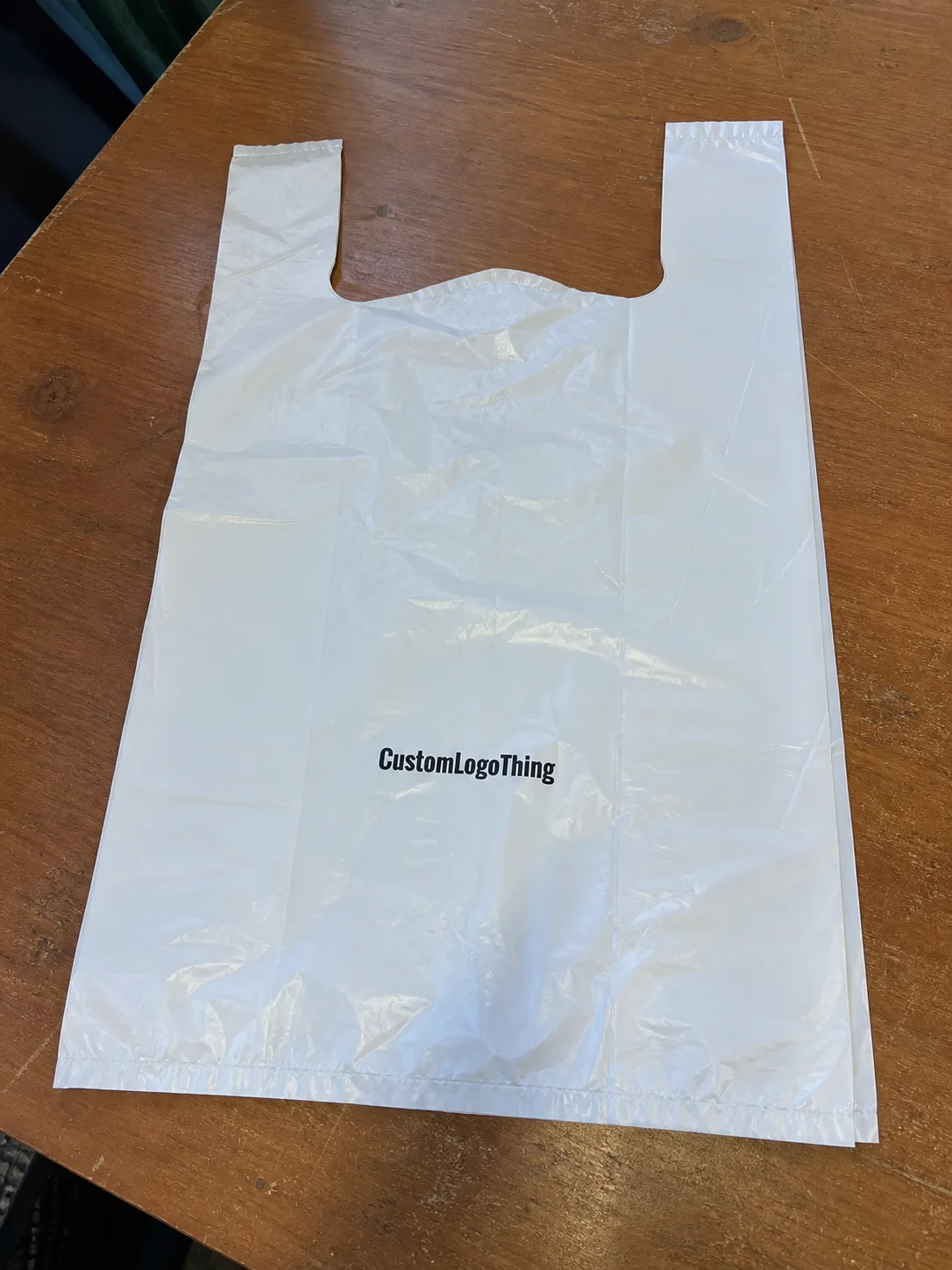
Campus bookstores sell a messy mix. Folded tees, heavy fleece, stacked spirit wear, accessories, and the occasional textbook add-on all end up in the same register lane. A thin bag that handles one cotton shirt can turn into a problem the moment someone adds a hoodie or a second item. Then the cashier starts double-bagging, re-folding, and apologizing. Fun for nobody.
The Garment Poly Bags for campus bookstores supplier quote checklist should start with what actually sells, not what looks convenient on a form. If the store moves most volume during orientation, game days, or the first few weeks of class, the bag has to be sized and specified for peak traffic, not quiet weeks in October. Bad assumptions show up fast when the line is moving.
From a buyer’s point of view, the bag has three jobs:
- Protect the product from moisture, dust, and handling damage.
- Keep checkout moving without staff wrestling with the opening or refolding the item.
- Support the brand so the bag looks intentional instead of like a forgotten supply item.
A cheap-looking bag does more than annoy picky buyers. It can create complaints, especially if the store sells premium decorated apparel. I have seen teams save a fraction of a cent on film and spend far more in labor and rebagging later. That is not efficiency. That is a spreadsheet trick.
Campus weather matters too. Rain, slush, damp sidewalks, and a backpack stuffed to the zipper are not rare. A bag that splits before a student gets back to the dorm becomes a service issue. The bookstore does not need more of those.
There is also the merchandise presentation angle. A bag that is too flimsy makes folded apparel look lower value. A bag that is too large makes the package sloppy and wasteful. Neither is ideal. The right answer sits in the middle, which is usually where the useful solutions live.
Bag Styles and Materials That Fit Campus Retail Use
The most common materials are clear LDPE, HDPE, and gusseted variants. Clear LDPE is the usual retail workhorse because it shows the garment and feels more substantial when the film gauge is right. HDPE can lower material cost and works for some lighter applications, but it often feels thinner and less polished. For hoodies and bundled apparel, gusseted bags usually make more sense because they give the garment room without turning the package into a lumpy rectangle.
Closure style matters more than people admit. Open-top bags are fast at the register, which is why they are common. Adhesive flaps create a more finished packout, but they slow staff down and are usually unnecessary for plain apparel. Hang-hole placement matters if the bags will be displayed on a peg rack or pre-packed in the back room. Bottom seal quality matters if the bag is carrying heavier folded fleece. Those are small details until they become the problem.
Material claims need actual support. If a supplier says the film is recycled-content or compliant with campus sustainability requirements, ask for documentation. If your campus has a recycled-content target, request PCR content details and confirm whether the material still works for the product mix. For general recycling guidance and disposal references, EPA recycling guidance is a reasonable starting point. If your packaging includes paper inserts or cartons, FSC certification may matter there; see FSC for certification basics.
Transparency is a practical choice, not just a style choice. Clear film helps staff see what is leaving the store and can make the pack look cleaner. Opaque printed film can hide uneven folding and deliver more branding impact. Both can be right. The decision depends on whether the bookstore values visibility, presentation, or speed more.
A bag that looks cheap at the register looks even worse in a student’s hand on the walk back across campus. The bag is part of the product experience. Pretending otherwise does not help anyone.
Size, Thickness, and Print Specs Buyers Should Lock Before Ordering
Sizing is where a lot of money gets wasted. One bag size for every item sounds tidy until the tees float around inside extra plastic and the hoodies barely fit. Better to define two to four use cases and spec each one. Folded tees usually fit smaller flat bags. Hoodies and crewnecks need more width. Bundled items need enough depth that the package stays square instead of puffing out like a stubborn pillow.
Thickness should be stated in mils or microns, not described as “strong enough.” That phrase has never saved a buyer from a torn bag. For campus apparel, useful ranges often fall between 1.5 mil and 3 mil, depending on the item weight and whether the bag will carry a single shirt or a heavier fleece bundle. Lower thickness can cut unit cost, but if the bag tears in carry-out or carton handling, the savings evaporate immediately.
If a supplier can reference testing such as ASTM D882 for tensile properties or ASTM D1709 for dart impact, that is a good sign they understand what the film is supposed to do. The testing does not make the bag magical. It just gives buyers something more useful than marketing adjectives.
| Bag Profile | Typical Use | Common Thickness | Indicative Custom Price at 5,000 pcs |
|---|---|---|---|
| Flat clear LDPE, small | Folded tees, light accessories | 1.5-2 mil | $0.05-$0.09 |
| Flat or slightly gusseted, medium | Long-sleeve tees, polos, light fleece | 2-2.5 mil | $0.07-$0.12 |
| Gusseted heavy-duty | Hoodies, crewnecks, bundled apparel | 2.5-3 mil | $0.10-$0.18 |
Print spec is where quotes get messy. Ask for the number of colors, print location, ink coverage, and whether the artwork sits on clear film or an opaque panel. White ink, metallics, and large solid blocks cost more and usually take more time to run cleanly. If the artwork is a simple one-color logo, the quote should reflect that. If the supplier prices it like a full-wrap job, something is off.
Artwork readiness matters. The supplier should receive correct vector files, bleed expectations, and a proof approval process. If they quote without those details, they are either guessing or padding for unknowns. Neither is great.
Rule of thumb: if the buyer cannot describe the bag in one line, the spec is not ready yet.
Supplier Quote Checklist: Line Items to Compare Side by Side
This is the part most buyers rush, which is a strange habit because this is where the money lives. The Garment Poly Bags for Campus bookstores supplier quote checklist only works if every supplier is quoting the same inputs. Otherwise, the cheapest number on the page is just a decorative lie.
Ask each supplier to spell out exact dimensions, film type, thickness, print colors, and finishing details. Then have them separate the base unit price from setup charges. If one quote buries tooling or plate fees in the unit cost, it will look better at first glance and worse on reorders. That trick is common enough to be annoying.
- Exact size in inches or millimeters.
- Material grade, such as LDPE, HDPE, or PCR content if required.
- Thickness in mils or microns.
- Print details including number of colors and print coverage.
- Setup charges for plates, cylinders, or screens.
- Proofing terms and whether digital proofs are included.
- Freight terms, carton count, and delivery location.
- Overrun/underrun policy and what happens if the count misses target.
Ask about color matching limits, too. A simple black logo on clear film is usually straightforward. Matching a school color exactly on a low-cost print line is more complicated, especially if the supplier works with limited ink systems. If the brand book is strict, request Pantone targets and written proof standards.
If damage replacement is mentioned, define what counts as damage and who pays freight on replacements. Crushed cartons in transit are not the same as print defects. The supplier should say that clearly before the PO goes out. Vague language here usually means the buyer is taking the risk.
For buyers who also need shipping packaging for e-commerce or store transfers, it helps to compare the apparel bag program with Custom Poly Mailers. Different use case, same lesson: the line-item detail determines whether the quote is useful or just polite.
Pricing, MOQ, and Unit Cost Traps in Custom Poly Bag Quotes
MOQ is not a random number. It shifts with size, print complexity, thickness, and whether the run uses stock film or custom converted film. The smallest quote is rarely the best quote. The lowest unit price often appears only after volume rises, and campus bookstores should see that before they commit to a semester’s inventory.
For a simple one-color bag, the unit number may look attractive until freight and setup are added back in. Once those are included, the real per-bag cost can move up sharply at low quantity. That is why the Garment Poly Bags for Campus bookstores supplier quote checklist should always ask for landed cost at multiple quantities: 2,500, 5,000, and 10,000 pieces, or whatever fits the store’s throughput.
Here is the trap. A buyer sees a low unit price and ignores carton count, storage space, and freight surcharge. Then the boxes arrive and occupy the same storeroom that already holds seasonal apparel, signage, and event supplies. If storage is tight, the cheapest per-bag price is not automatically the best choice. Space is not free just because nobody put it on the quote.
Short-run orders also carry more risk around setup charges. If a quote has a $200 to $500 setup fee and the order is small, the unit economics can go sideways quickly. At larger volume, the setup gets diluted. That is why buyers should ask for pricing breakpoints instead of one shiny number. It makes the decision clearer.
One more detail people forget: packaging format. Ask whether the bags ship as 100 per carton, 500 per carton, or another count. Carton count changes receiving labor, shelf space, and storage efficiency. A quote that ignores that is incomplete, even if the unit price looks fine.
Price ranges for custom apparel bags vary by size, print, and film thickness, but the pattern is usually consistent. Simple clear bags stay near the lower end. Larger gusseted or fully printed bags climb fast. Buyers who expect one price band to cover everything usually end up disappointed. The film does not care about budgets.
Production Steps, Lead Time, and Delivery Windows for Store Openings
Production starts with artwork approval, and that is where many schedules slip. If the proof is late, the shipment is late. If the artwork file is wrong, the proof gets revised. Simple enough. The problem is that people still act surprised when that happens.
A realistic timeline for custom Garment Poly Bags is often 5-10 business days for proofing and sample review, then 10-18 business days for production after approval, plus transit. Domestic shipping may add a few days. Offshore production can take longer, especially when the campus calendar leaves no buffer. For move-in week or orientation, buffer time is not optional.
For stores working toward a fixed opening date, the internal deadline should land earlier than the supplier’s promise. If the bags need to be on the receiving dock by Friday, the PO has to account for revisions, production, freight, and any campus delivery delays. University receiving departments do not care that the opening event is Monday.
Sampling helps, but only if the buyer uses it properly. A sample should confirm size, feel, seal strength, and print legibility. Do not treat it like a souvenir. Put an actual folded hoodie in it. Put it in a carton. Move it through receiving. That catches more problems than staring at a mockup ever will.
Rush service is worth discussing only after the spec is final. Expediting a clean order can make sense. Expediting a half-finished order does not. Rush fees are expensive enough without paying them to solve internal confusion.
When a bookstore runs packaging across several categories, the same planning discipline applies to Custom Packaging Products. Different formats, same rule: final spec first, quote second, PO last.
What to Approve Before You Issue the PO
Before the PO goes out, the buyer should have one final sign-off sheet. Not a loose chain of emails. One sheet. It should list size, thickness, film type, print art, packaging count, freight terms, delivery address, and the name of the person authorized to approve changes. That is the cleanest way to avoid the “I thought merchandising approved it” routine.
Campus bookstores usually have multiple people touching the order. Purchasing wants the price. Merchandising wants the look. Operations wants the delivery to land on time. If those people are not aligned, the supplier ends up handling internal confusion, and that costs money. Keep one approved version and one owner.
Use a reorder note as well. It should include the final spec sheet, the approved proof, and any color or thickness notes that mattered during the first run. The second order should be faster than the first. If it turns into a fresh investigation every time, the process is broken.
Receiving details matter more than they should. Campus buildings change access rules, docks are sometimes shared, and deliveries get delayed because the vendor name or building code was entered wrong. That is not packaging drama. It is preventable friction.
For teams trying to tighten the buying process, the simplest habit is to keep the garment poly bags for campus bookstores supplier quote checklist attached to the approved spec sheet and the PO record. That way every reorder starts with the same facts, not a memory contest.
Use the checklist, not the guess. When the bag spec is clear, pricing is easier to compare, lead times are easier to trust, and the store gets Packaging That Fits the merchandise instead of fighting it. Good packaging is boring in the best way. It shows up, does the job, and gets out of the way.
What should be included in a garment poly bag quote for a campus bookstore?
Size, film type, thickness, and bag style should be listed exactly so the quote can be compared line by line. The quote should also show MOQ, setup charges, freight, proofing, and any overrun or underrun policy.
What bag size works best for campus bookstore apparel orders?
Folded tees usually fit in smaller flat bags, while hoodies and bundled merch need more width or gusset depth. The right size is the one that keeps the product flat, protects it in transit, and avoids wasted film.
How do I compare two supplier quotes without getting fooled by unit price?
Compare landed cost, not just per-bag price, because freight and setup can change the total fast. Check whether each supplier included the same thickness, print coverage, and packaging count.
What MOQ should a campus bookstore expect for custom poly bags?
MOQ usually rises with custom print complexity, thicker film, and larger bag sizes. If the order is seasonal, ask for pricing at multiple quantities so you can see the breakpoints.
How far ahead should a bookstore order poly bags before the semester starts?
Place the order early enough to cover proof approval, production, transit, and any revision round. Build extra buffer if the bags must arrive before move-in, orientation, or a major campus event.


