Garment Poly Bags for Corporate Buyers: MOQ Planning
Plan Garment Poly Bags for corporate buyers around realistic MOQ, Pricing, and Lead Times so you do not overbuy, miss print details, or create storage problems later.
Garment Poly Bags for corporate buyers moq planning is not a small admin task. It affects unit cost, warehouse space, print approvals, and whether the apparel program actually moves on schedule. The bag itself is cheap. The mistake around it is not.
For corporate apparel, the bag does real work. It keeps garments clean in transit, reduces scuffing and dust, and makes onboarding kits, uniforms, and event merchandise look consistent across locations. If you are shipping 1,000 tees for a meeting, 5,000 folded shirts for a uniform rollout, or mixed apparel into multiple offices, the bag count has to follow actual usage, not a hopeful forecast.
Most overspending happens when buyers treat packaging as a filler line. They approve a round number, then discover the launch slipped, the warehouse is full, or one department needs a different size than the first order assumed. That is how a simple bag order turns into dead stock, rush freight, or a second production run that was never in the plan.
Why Bag Count Errors Get Expensive Fast
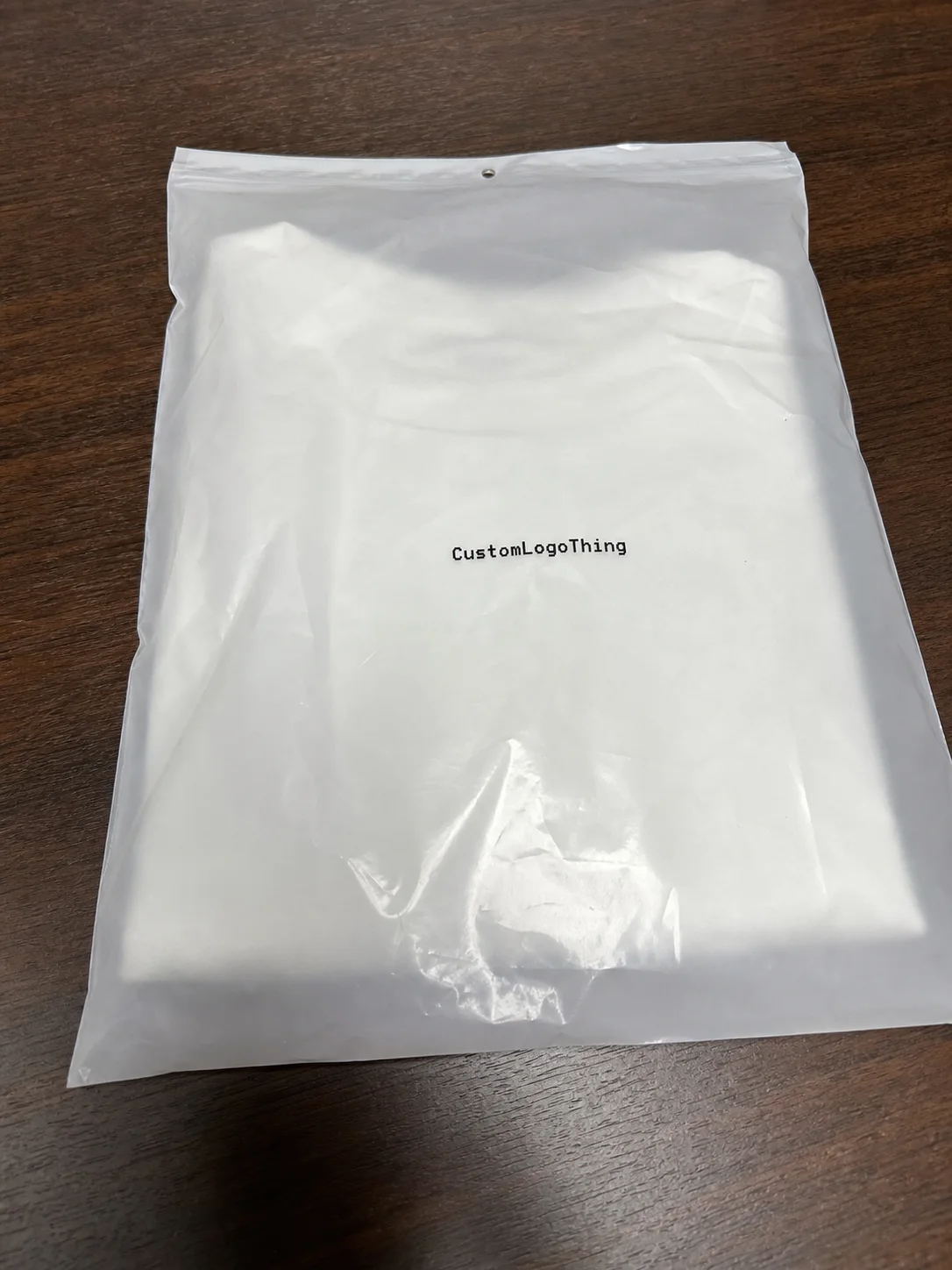
The first mistake is usually counting from the wrong unit. Buyers look at total garment volume and forget to account for fold style, kit mix, damaged units, samples, or regional splits. One “5,000-piece” program may really need 4,300 bags for production and 700 more for replacements, samples, and rework. Miss that margin and the order stops being efficient.
Storage is the other hidden cost. A 10,000-piece run can look smart on paper if the unit price drops enough. It stops looking smart when the cartons sit for eight months, take over a section of the warehouse, and force the team to open and reseal packs every time they pull stock. Cheap packaging is not cheap if it ties up space that should be moving revenue.
There is also a handling issue that buyers underestimate. Warehouse teams want cartons that stack cleanly, inner packs that do not collapse, and bag counts that match the pack-out schedule. Odd counts and oversized cartons create friction. Friction costs labor. Labor is where “small” packaging mistakes become visible.
A bag is inexpensive until it is the wrong size, the wrong print, or the wrong quantity. Then it becomes inventory noise.
For repeat programs, the safest approach is to buy to actual consumption patterns. If a corporate uniform roll-out consumes 1,200 bags a month and the first event needs 3,500, a larger run may still make sense. But that decision should be based on storage, reorder timing, and production stability, not just the lowest quoted price. If the spec is still moving, the large run is usually the wrong bet.
Material, Closure, and Print Options That Change the Price
Two film families come up most often: LDPE and PP. LDPE is softer and more forgiving. It works well for folded tees, hoodies, and heavier apparel that benefits from a little flex. PP is crisper and usually gives a cleaner presentation. It is often chosen for shirt packs, presentation kits, or cases where clarity matters more than softness.
Closure choice changes cost and usability. Open-top bags are the lowest-friction option. Adhesive strip bags look more finished and are common where presentation matters. Resealable flaps help with samples or programs that need repacking. If the bag will be handled by a wider audience, ask whether warning text or suffocation labeling is required. That can change the artwork layout and the approval process.
Print should be specified with care. A plain stock bag is the cheapest route, but a one-color logo, size mark, or department label often pays for itself by reducing packing mistakes. Full coverage print, multiple colors, or tight registration details add setup time and cost. That is normal. Printing is controlled production, not decoration.
| Option | Best For | Typical MOQ | Indicative Cost per Piece | Buyer Notes |
|---|---|---|---|---|
| Plain LDPE bag | Folded tees, basic uniform packs, internal distribution | 3,000-5,000 | $0.04-$0.10 | Lowest setup friction, usually the fastest path to production |
| Printed LDPE bag | Brand-visible corporate apparel, onboarding kits, event merch | 5,000-10,000 | $0.09-$0.22 | Artwork adds setup charges; one color is easier to keep under budget |
| Clear PP bag with flap | Shirts, presentation packs, retail-style corporate kits | 5,000-10,000 | $0.10-$0.28 | Better clarity and stiffness, but not always the cheapest route |
For folded tees and lightweight knits, either LDPE or PP can work. For hoodies and heavier outerwear, LDPE usually handles the bulk better. If the bag has to stay clear for barcode visibility, shelf presentation, or quick content checks, keep the print area small and deliberate. A bag that hides the label defeats part of its own purpose.
Material thickness matters too. A bag that is too thin can split in carton handling or wrinkle badly around a heavier garment. A bag that is too heavy adds cost for no practical gain. A lot of buyers ask for “stronger” packaging when what they really need is the right gauge for the garment weight and the handling path. That is a different problem.
If your program also includes cartons, inserts, or labels, keep the packaging stack aligned. The bag spec should not fight the rest of the pack-out. For related formats, see our Custom Packaging Products page and our Custom Poly Mailers option for programs that need a different shipping structure.
Spec Checklist to Lock Before You Request a Quote
Do not ask for pricing until the core spec is fixed. If three suppliers are pricing three different bags, the quote comparison is useless. A clean brief saves time and prevents the usual back-and-forth where everyone is talking about a different size, thickness, or print area.
Lock these points first:
- Width and length based on the folded garment size, not the unfolded garment size.
- Thickness or gauge so the film weight is clear.
- Seal type such as bottom seal, side seal, open-top, or flap closure.
- Print coverage including logo placement, warning text, and size labels.
- Perforation or hanger hole if the bag must work on a packed line or display hook.
- Carton pack quantity, inner bagging, palletization, and storage limits.
Tolerance matters more than many buyers expect. A bag can be technically correct and still be awkward on the line if the opening is too tight for a folded hoodie or too loose for a slim shirt. That slows packing, creates variation, and makes the finished cartons look inconsistent. None of that shows up in a clean quote.
If the order touches automated or semi-automated packing, ask how the tolerance interacts with the equipment. Good suppliers will tell you where the risk sits. Poor ones will say yes to everything and let the line absorb the pain later. That usually ends in rework, not savings.
Retail presentation and corporate presentation have different priorities, but both care about visibility. If a barcode has to stay scannable, if a product label has to show through the film, or if a hang hole has to match a hanger system, those details belong in the first request. Not after proof approval. Not after the sample is already packed.
One more practical point: ask about carton counts and pallet configuration before production starts. A buyer can get the bag spec right and still create a warehouse problem if the master carton is too heavy, too bulky, or impossible to stack cleanly.
Garment Poly Bags for Corporate Buyers MOQ Planning
This is where garment poly bags for corporate buyers moq planning either saves money or quietly wastes it. MOQ is tied to bag size, film width, print setup, and whether the order is plain or custom printed. Bigger sheets, more colors, and tighter specs usually push MOQ upward.
Unit cost drops as quantities rise, but only if the spec stays stable. Change the width, change the thickness, change the print, or move the closure style and the pricing moves back toward the starting line. Buyers who treat packaging like a moving target usually pay more than they should.
The real cost drivers are easy to list, less easy to ignore:
- Resin weight from film thickness and bag dimensions.
- Print colors and artwork complexity.
- Setup charges for plates, screens, or press preparation.
- Tooling fees if the design needs a new format.
- Packaging format such as loose packed, bundled, or carton packed.
- Freight mode because air freight can erase a low unit price quickly.
Useful ranges help buyers sanity-check quotes. For standard plain bags, the cost per piece can sit around $0.04-$0.10 at moderate volume. Add one-color print and the number often moves into the $0.09-$0.22 range. Move into higher clarity film, warning text, or a tighter presentation spec and you can land around $0.10-$0.28 or more, depending on order size and packaging method. These are planning ranges, not promises. Still, they are better than guessing.
Quote comparisons need discipline. One supplier may offer a low unit price and hide tooling, cartons, proofing, or freight. Another may bundle everything and look expensive until the full landed cost is added up. Ask what is included. Artwork prep, sample revisions, compliance text, export cartons, and shipping should be spelled out. If they are not, the quote is incomplete.
For buyers managing several programs, bulk pricing helps only when specs are standardized. Mixing three bag sizes across three departments destroys the scale benefit. If the corporate buyer can keep one spec stable, later orders usually improve on unit cost without forcing a new approval cycle every time.
Process and Lead Time From Quote to Delivery
The cleanest production path is boring, and boring is good. RFQ, spec confirmation, artwork approval, sample or proof review, production, inspection, shipment. Skip any of those steps and the schedule starts slipping.
- Send the garment type, folded size, target quantity, and closure preference.
- Confirm the bag dimensions, thickness, print area, and carton pack.
- Review the artwork proof and fix the layout before production starts.
- Approve a sample if the program is complex or the presentation standard is strict.
- Run production, inspect the output, and release shipment.
What slows lead time down? Missing dielines. Low-resolution logos. Last-minute size changes. Internal approvals that sit in somebody’s inbox. None of that is mysterious. It is usually avoidable. Plain stock bags move faster because there is less setup. Custom printed runs take longer because the proofing and press setup chain is real.
Once artwork and specs are locked, repeat orders usually move faster than the first run. That matters for corporate buyers with quarterly apparel replenishment, event merchandising, or uniform programs that come back in waves. A repeat order with an approved spec is easier to quote, easier to schedule, and less likely to collect surprise charges.
Ask for the estimated production window up front, not after the PO is issued. Also ask for the shipping method and whether split deliveries are possible. If inventory needs to feed multiple offices or event dates, a split shipment can be the difference between a tidy launch and a lot of apologizing.
For shipments that need extra transit discipline, ask whether the cartons are handled against ISTA transit test standards. Not every program needs formal testing, but if the pack is moving through a rough warehouse chain, the carton spec matters more than the sample on your desk. If your outer packaging uses certified paper components, FSC certification can be part of the broader packaging plan too.
Typical timing depends on complexity. A standard plain bag order can move several business days faster than a printed custom run. Once approvals are clean, many programs land in a practical 12-15 business day production window, with freight adding whatever the route requires. That is not a guarantee. It is a useful planning frame.
What Good Suppliers Check Before Production Starts
Good suppliers do more than quote a price. They check whether the order makes sense before anything runs. That means reviewing film thickness, print alignment, seal strength, and whether the output matches the approved spec. If something does not line up, they should say so early.
That is the behavior buyers should want. A supplier who flags a problem early is more valuable than one who nods through a bad requirement and ships a pallet that no one can use. If the requested gauge is too thin for the garment weight, say it. If the print area crowds the warning text, say it. If the MOQ is below the realistic production floor, say it.
Experienced manufacturers also help with export packing, documentation, and repeat-order consistency. That matters when one office wants plain bags, another wants branded packs, and a third wants size-coded bags for internal sorting. The more consistent the process, the less time the buyer spends translating the same spec three different ways.
Quality control should not be vague. A supplier should be able to tell you whether the sample is a true production reference or only a visual mockup. Those are different things. A mockup looks fine. A production reference tells you whether the real film, real seal, and real print will hold up once the order is packed, cartoned, and shipped.
For programs that run through distribution centers, ask about the handling environment. Dust, stacking pressure, temperature swings, and forklift movement all affect packaging. If the bag will travel inside an outer carton, the outer pack is part of the job, not an afterthought.
What to Send Before Requesting Price or Placing an Order
If you want clean pricing, send a clean brief. The best requests include the garment type, folded dimensions, target quantity, print artwork, and preferred closure style. Add whether the bag is for apparel presentation, warehouse handling, or shipping protection, because that changes the spec more than many buyers expect.
Also include forecast volume by quarter, storage limits, and any launch date that cannot move. That helps the supplier match MOQ to real demand instead of selling you an oversized run that sits in storage for months. For garment poly bags for corporate buyers moq planning, that extra context is usually worth more than a second round of email guessing.
The smartest comparison is simple: ask for two quotes. One for a plain bag option. One for a printed option. That gives you a real view of the cost gap, the setup charges, and the value of branding before you commit to a bigger run. If the printed version adds too much cost for the launch phase, you can start plain and upgrade later when demand is proven.
Before you place the first order, confirm the spec, compare the MOQ tiers, review proof timing, and build a reorder buffer. That buffer is not waste. It is how you avoid paying rush freight to fix a planning mistake. If you want a quick reference on order prep and packing questions, our FAQ covers the common ones buyers ask before production.
Final view: garment poly bags for corporate buyers moq planning works best when you treat the bag as a controlled part of the apparel program, not a throwaway accessory. Keep the spec stable, price the real setup costs, and buy to actual consumption. That is how you keep unit cost under control without filling a warehouse with the wrong inventory.
How do I plan MOQ for garment poly bags without overbuying?
Start with real monthly or quarterly usage, not the largest possible forecast. Build MOQ around the smallest production run that still gives an acceptable unit price and does not create dead stock. Keep the first order tied to a stable spec so the reorder can scale later without changing the bag structure.
What drives the quote for garment poly bags for corporate buyers?
The biggest drivers are bag size, film thickness, print colors, and whether the bag is plain or custom printed. MOQ, packaging format, and freight method also move the number more than most buyers expect. Artwork complexity and compliance labels can add setup cost even when the bag itself looks simple.
Which bag material is best for corporate apparel shipments?
LDPE is common when buyers want flexibility and a softer feel. PP is often chosen when clarity and stiffness matter more for presentation. The best choice depends on garment weight, shelf presentation, and whether the bag must survive warehouse handling.
How long does production usually take after approval?
Plain stock bags move faster than custom printed runs because there is no artwork or setup approval. Lead time depends on material availability, print complexity, and shipping method. Once artwork and specs are locked, repeat orders typically move faster than first-time orders.
What should I check before approving the final proof?
Confirm the exact bag dimensions, thickness, print placement, and any warning or compliance text. Check that logos, barcodes, and product labels are readable after folding and packing. Verify carton counts and pack configuration so warehouse handling does not become a problem later.


