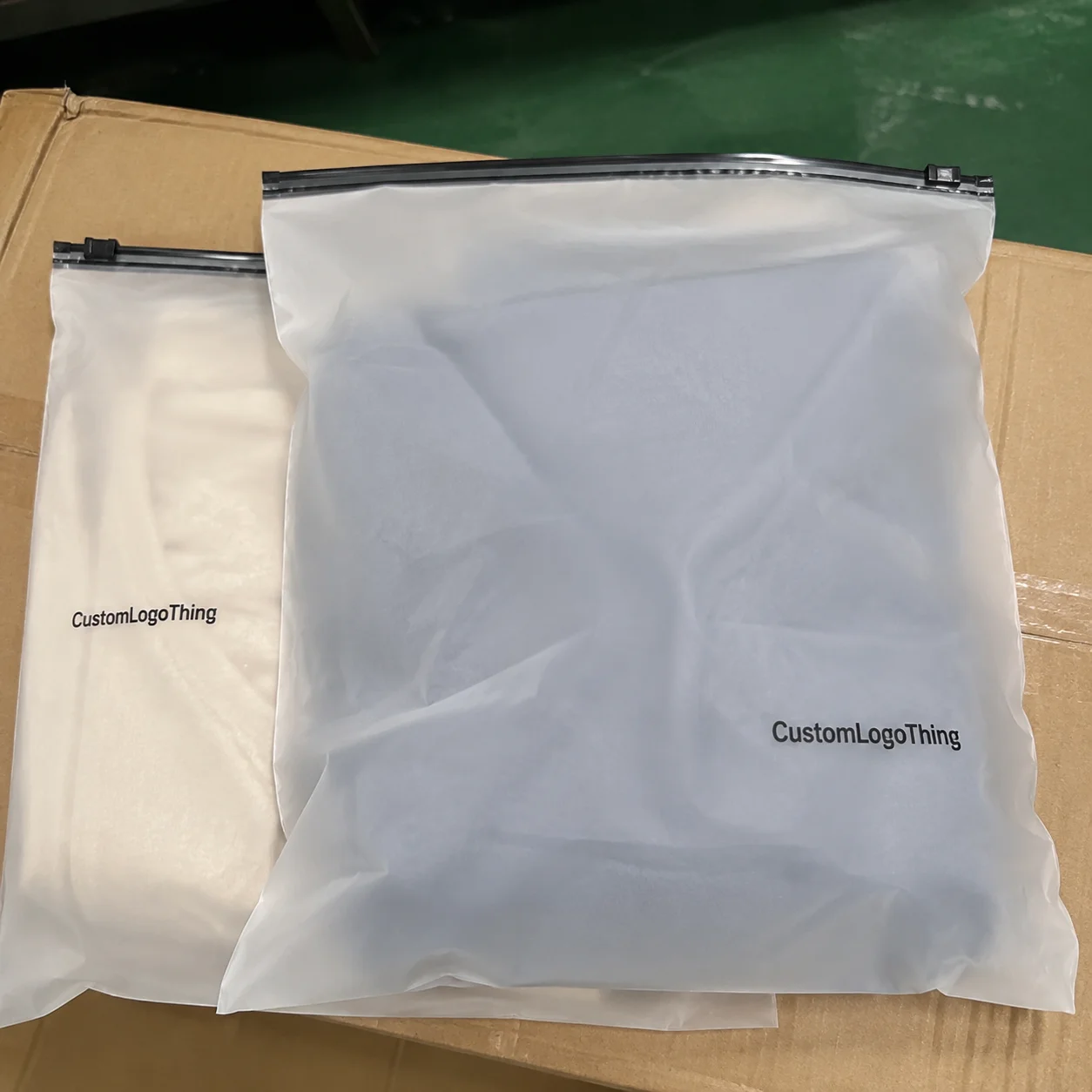
Garment Poly Bags for Streetwear labels moq planning sounds dry until you see the bill. Then it gets interesting fast. The bag itself is cheap. The bad decision is expensive, especially when you order the wrong size, the wrong film, or a giant custom run before your line is stable.
Streetwear brands care about presentation because presentation is part of the product. A clean poly bag protects folded tees, keeps hoodies crisp in transit, and makes fulfillment feel intentional instead of rushed. That matters whether you ship 200 orders a month or 20,000. And yes, Garment Poly Bags for Streetwear labels moq planning affects all of it: cost per piece, warehouse speed, and how your packaging looks on drop day.
Why streetwear brands overpay on packaging before they scale
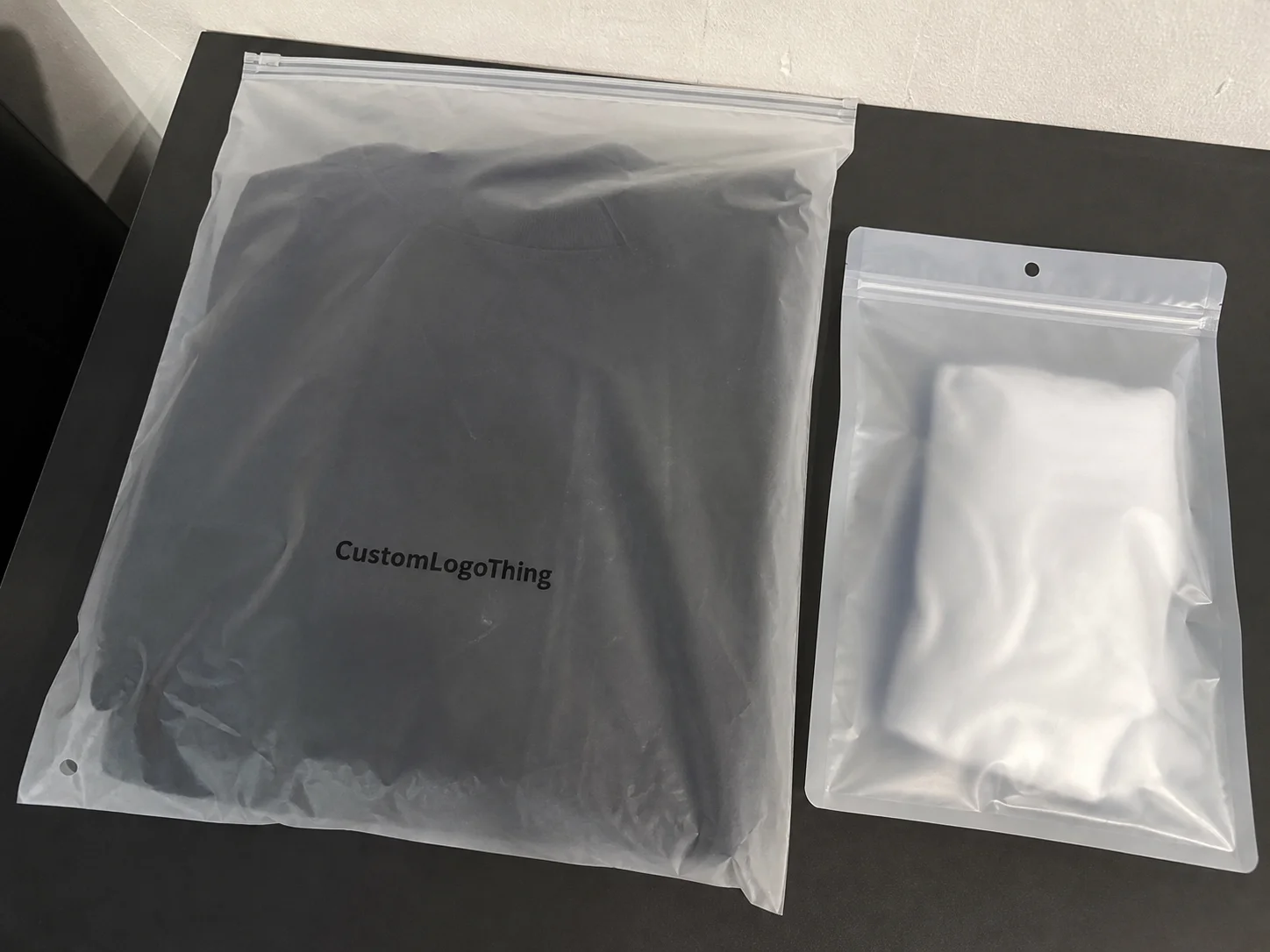
Most overpaying starts with good intentions. Someone wants premium packaging, so they jump straight to a custom printed bag with a logo, warning text, hang hole, and a size guessed from one sample tee. That is how you end up with a stack of bags that fit nothing except regret.
In practice, Garment Poly Bags do three jobs. They protect the garment, organize inventory, and support the brand experience. If the bag is too thin, it tears in packing. Too large, and folded product slides around. Too branded, and the design gets busy enough to look cheap. Streetwear labels should aim for clean and controlled, not loud for the sake of it.
The common mistakes are predictable:
- One-size thinking — a tee bag does not automatically work for hoodies or fleece.
- Film thickness guesswork — thin film can be fine for basics, but not for heavier garments with sharp corners like zippers or hardware.
- Ignoring ventilation — sealed packaging without the right pouch style can trap air and make folding inconsistent.
- Ordering too early — buying huge printed volumes before you know your next three drops is a fast way to lock up cash.
From a DTC fulfillment point of view, a good bag speeds up pick-and-pack. That sounds small until you multiply it by every order. Clean stackability, easy insertion, and consistent sizing reduce handling errors. And if you want the brand to feel considered, not slapped together, the packaging has to behave the same way every single time.
“Cheap packaging is rarely cheap once you count reorders, wasted inventory, and the time lost to bad fit.”
For brands building out their packaging system, it helps to compare related items too. A coordinated setup with Custom Labels & Tags, Custom Packaging Products, and even Custom Poly Mailers usually creates more consistency than piecing things together one panic order at a time.
Poly bag formats, materials, and closures that actually work
Clear LDPE is still the workhorse for Garment Poly Bags. It has a soft feel, good flexibility, and a familiar look that works for folded apparel. PP is stiffer and clearer, which some brands prefer when they want a sharper retail appearance. Recycled-content options are becoming more common, but the tradeoff is usually a little less clarity, sometimes a slightly different hand feel, and occasionally a higher cost per piece depending on the spec.
Here’s the practical view: if the bag sits inside a mailer and only needs to protect and present the garment, LDPE is often the most forgiving option. If the bag will be seen on a shelf or through a retail window, PP can look cleaner. Recycled content is a good move for brands with sustainability goals, but it should be chosen for performance first and messaging second. Packaging that fails is not eco-friendly. It is just annoying.
Closure types and where they fit
Self-seal bags are common because they are fast. No extra tape. No extra steps. Flap seal bags work well for stock programs and warehouse handling. Adhesive strip closures make sense when resealing matters, but the adhesive quality needs to be checked carefully; weak adhesive becomes a production headache. Hang holes and euro holes help for retail display, but they add a specification point that should be confirmed before quoting.
For folded tees, a simple self-seal or flap seal bag usually does the job. For heavyweight hoodies or outerwear, I’d look at a slightly thicker film and a wider opening so the packer is not wrestling the garment into the bag. Multi-piece sets need a little extra room, and accessories may need smaller custom sizes to stop them from floating around.
| Material / format | Best for | Typical tradeoff | Relative cost |
|---|---|---|---|
| Clear LDPE | Tees, basics, DTC fulfillment | Soft, flexible, less rigid display feel | Lowest to moderate |
| PP | Retail-facing garments, crisp presentation | Stiffer hand, can feel less forgiving in packing | Moderate |
| Recycled-content poly | Sustainability-led brands, simple programs | Clarity and feel can vary by blend | Moderate to higher |
| Custom printed bag | Brand-forward drops, repeat use programs | Higher MOQ and setup charges | Higher |
Printing should stay disciplined. A single-color logo, a warning panel, and maybe a barcode or size label is usually enough. Once the bag turns into a poster, it stops looking premium and starts looking like someone had too much time on the artwork file. Streetwear brands get more value from restraint than from clutter.
Specifications that determine fit, feel, and shelf performance
The spec sheet decides whether the bag works. Not the mood board. Not the logo. The spec sheet.
Start with the basics: bag width, bag length, gusset depth, film thickness, clarity, and seal type. Then confirm how the garment is folded. A flat-fold tee is one thing. A boxed hoodie with a thicker body and drawcords is another. Joggers, fleece sets, and accessories each behave differently, so the bag size needs to match the actual packed dimension, not the hanger size or the retail size label.
Practical thickness ranges
For lightweight tees and simple basics, thinner film can work fine if the bag is only handling internal protection. For heavier hoodies, I usually suggest stepping up thickness so the bag resists puncture better and feels less flimsy in the hand. A small move in gauge can change the perceived quality more than people expect.
- Lightweight basics: thinner film, simple closure, minimal branding.
- Midweight tees and long sleeves: standard film with enough rigidity for stacking.
- Heavy hoodies and fleece: thicker film, wider opening, more care around seal strength.
- Accessories or sets: custom sizing to prevent excess movement.
There are also handling details people forget. Suffocation warning text may be required depending on market and use case. Static can make lightweight garments annoying during packing. Poor seal strength causes returns in the warehouse before the bag even reaches a customer. And if your team is packing at speed, the right opening width matters because a bag that saves one second per unit saves real labor over a large run.
If you ship through retail or wholesale channels, ask about carton packing too. Packed bags should store flat, stay clean, and open consistently. Nobody wants a delivery of beautiful packaging that arrives warped because the carton spec was treated like an afterthought.
For reference on packaging-related materials and waste handling, the EPA recycling guidance is a useful sanity check when evaluating material choices and disposal claims. If your brand is making sustainability claims, the wording needs to match the actual material and local requirements. Guessing is not a strategy.
Garment poly bags for streetwear labels MOQ planning and unit cost
This is where garment poly Bags for Streetwear labels moq planning gets real. MOQ is usually driven by size, print complexity, material, and whether you are buying stock or fully custom packaging. The more custom the bag, the more the supplier has to cover setup, tooling fees, and production changeover. That gets spread across fewer units if your order is small, which pushes unit cost up. Shockingly, factories do not enjoy setting up a line for 800 pieces.
For plain stock bags, MOQs can be relatively low. For custom printed bags, the MOQ often moves up because the supplier needs to cover screening, plates, or print setup. Custom sizes and specialized features like euro holes, resealable strips, or heavier films can push the minimum even higher. If the quote seems cheap, check what is not included. Setup charges have a way of sneaking in with a smile.
| Order structure | Typical MOQ direction | Indicative unit cost | Best use case |
|---|---|---|---|
| Stock clear bags | Lower MOQ | About $0.03-$0.08 each | Fast launches, basic protection |
| Custom printed stock-size bags | Mid MOQ | About $0.10-$0.22 each | Brand presentation without custom tooling |
| Fully custom size + print | Higher MOQ | About $0.18-$0.40+ each | Repeat drops, tighter fit, premium packaging |
Those are broad working ranges, not universal truths. Artwork coverage, material grade, and freight change the landed cost fast. A one-color logo on a standard bag is very different from a fully custom pouch with warning text, size marking, and special dimensions. Add proof rounds, sample rounds, and split shipments, and your supposed savings can vanish.
A better way to plan MOQ is by product cadence. Do not think in terms of one drop only. Think in terms of 1–3 drops, because that is where most streetwear labels either gain consistency or end up reordering packaging constantly. If a bag works for the first launch and the next two product releases, it earns its place. If it only fits one collection, you may be tying up cash in boxes of leftovers.
One more practical point: a lower MOQ is not always the cheaper move. Yes, the upfront spend is smaller. But the cost per piece can jump enough that your annual packaging bill ends up higher than if you had ordered a more sensible volume. That is why a quote should show bulk pricing at multiple quantities. Good buyers compare 1,000, 3,000, and 5,000 units before making a call.
Process and lead time from artwork to production
The process should be boring. If it is chaotic, something is missing.
Typical steps are straightforward: confirm specs, approve artwork, review a sample or digital proof, move into production, complete QC, then ship. Delays usually start with missing dimensions, fuzzy logos, or someone deciding to change the warning text after the proof is already approved. That kind of late change is not “small.” It is often a new file, a new setup, and a new timeline.
Where lead times usually land
Stock bags can move quickly, especially if the supplier already has inventory. Custom printed bags generally need more time for artwork prep and production. Custom sizes take longer again because tooling or formatting may need adjustment. Freight adds its own uncertainty, which is why I always tell buyers to pad the schedule instead of pretending shipping is a magic trick.
As a practical range, stock options may ship faster than custom programs, while custom printed or custom-sized bags often need extra days for setup and production. If your launch date matters, build in enough room for proofing, production, and freight. Cute fantasy is not a plan.
To reduce delays:
- Finalize bag size before artwork.
- Send vector files, not screenshots.
- Choose one decision-maker for approvals.
- Keep print coverage simple if speed matters.
- Confirm warning text and market-specific requirements early.
Ask for proof of what is being quoted. You want dimensions, film thickness, print method, closure type, and carton pack count on the same page. If the supplier can’t give that cleanly, the order is already wobbling. Suppliers who understand packaging standards and quality control, including general industry practices such as those referenced by the ISTA testing framework, usually handle transit issues more predictably.
For broader packaging standards and sustainability guidance, the Packaging Institute is a solid industry reference point. It is not a shopping cart. It is a baseline for making better packaging decisions.
What makes a packaging supplier easy to buy from
A good supplier does not just take the biggest order possible and call it a day. They help a streetwear label right-size the packaging program. That means asking what the garments are, how often drops happen, whether the brand needs stock bags now or a custom system later, and whether the packaging must work across multiple SKUs or colorways.
Responsiveness matters, but clarity matters more. I would rather have a supplier who gives clean specs, honest lead times, and a realistic MOQ than one who says “yes” to everything and then starts finding problems after the deposit clears. Transparent pricing should show the unit cost, tooling fees, setup charges, and freight assumptions. If those pieces are hidden, the quote is not really a quote. It is a teaser.
Quality checks should include:
- Film consistency across the run
- Seal strength at the closure
- Print alignment for logos and warning text
- Carton packing that works for warehouse storage
- Size accuracy against the approved spec
It also helps if the supplier can support future growth without forcing a full reset every time. A brand that starts with a simple clear bag might later move into printed packaging, coordinating with hang tags or other items from Custom Labels & Tags. That progression should feel planned, not improvised.
And yes, price matters. But streetwear buyers should look at the whole packaging stack. If the bag, mailer, and label all fight each other visually, the customer notices. Not because they know packaging jargon. Because it looks off.
Next steps to quote, sample, and place the right order
Before you request a quote, gather four things: garment type, bag dimensions, print requirements, and estimated monthly or per-drop volume. That is enough for a supplier to give you something useful instead of a random number pulled from the packaging universe. If you want garment poly bags for streetwear labels moq planning to be accurate, those four details are non-negotiable.
Then ask for two pricing paths:
- Lowest MOQ option if you need flexibility or a first run.
- Higher-volume option if you want better bulk pricing and lower cost per piece.
If you are buying custom packaging for the first time, request either a physical sample or a digital proof before approval. A proof catches layout issues. A physical sample catches fit issues. Ideally you use both, because artwork can look fine while the folded hoodie still refuses to sit in the bag without a fight.
Here is the simplest decision path:
- Choose stock if speed is the priority.
- Choose custom size if fit is the priority.
- Choose custom print if brand presentation is the priority.
If you are still refining the product line, consider starting with a practical stock size and adding branding later. If the bag size is clearly wrong for your garments, fix that first. A clean fit beats fancy print every time. And if your operation needs a broader packaging setup, Custom Packaging Products can help you keep the look consistent across items.
Before placing the order, confirm artwork, warning copy, delivery timing, and carton count. That sounds basic because it is basic. Basic is good. Basic prevents launch delays. Basic keeps the warehouse happy. Basic also keeps you from reordering packaging because someone guessed on the measurements.
For streetwear labels, the best packaging decision is usually the one that fits the current drop schedule, protects the product, and does not trap cash in overbuilt inventory. That is the whole point of garment poly bags for streetwear labels moq planning: order enough to support the brand, not so much that the packaging starts running the business.
FAQ
What MOQ should streetwear labels plan for with garment poly bags?
MOQ usually depends on whether the bag is stock or fully custom, plus size and print complexity. For first drops, plan around a quantity that covers at least one launch plus a small reprint buffer, not just the exact item count. Higher customization usually means a higher MOQ, while plain stock bags can be ordered in smaller runs.
How do I choose the right size for garment poly bags?
Match the bag to the folded garment dimensions, not the hanger size. Tees need a different fit than hoodies, fleece, or multi-item packs. Leave enough room for easy insertion without excess slack that makes the packaging look sloppy.
Are custom printed garment bags worth it for a small streetwear label?
Yes, if your packaging is part of the brand experience and you have repeat drops planned. No, if you are still changing sizes, logos, or product formats every other week. A simple one-color print often delivers the best balance of cost and brand impact.
What affects the unit cost of garment poly bags the most?
Order quantity is the biggest driver because setup costs get spread across more bags. Material type, thickness, custom size, print colors, and compliance text also affect pricing. Freight and rush production can move the final landed cost more than people expect.
How long does production usually take after artwork approval?
Stock options move fastest, while custom printed or custom-sized bags need more time for setup and production. Clean artwork and final specs reduce delays. If your launch date matters, build in time for proofing, production, and freight instead of assuming everything ships overnight. Cute fantasy, not a plan.