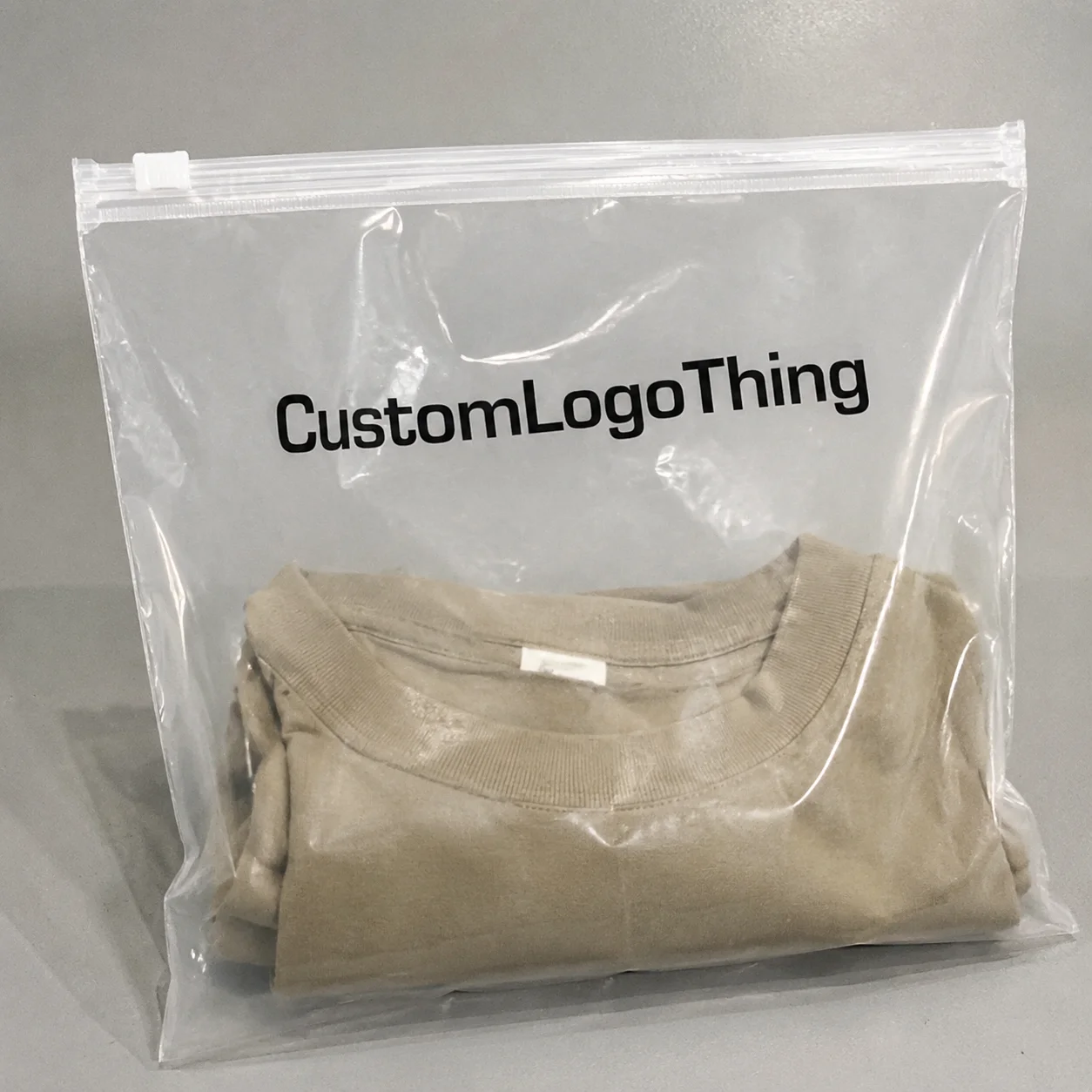
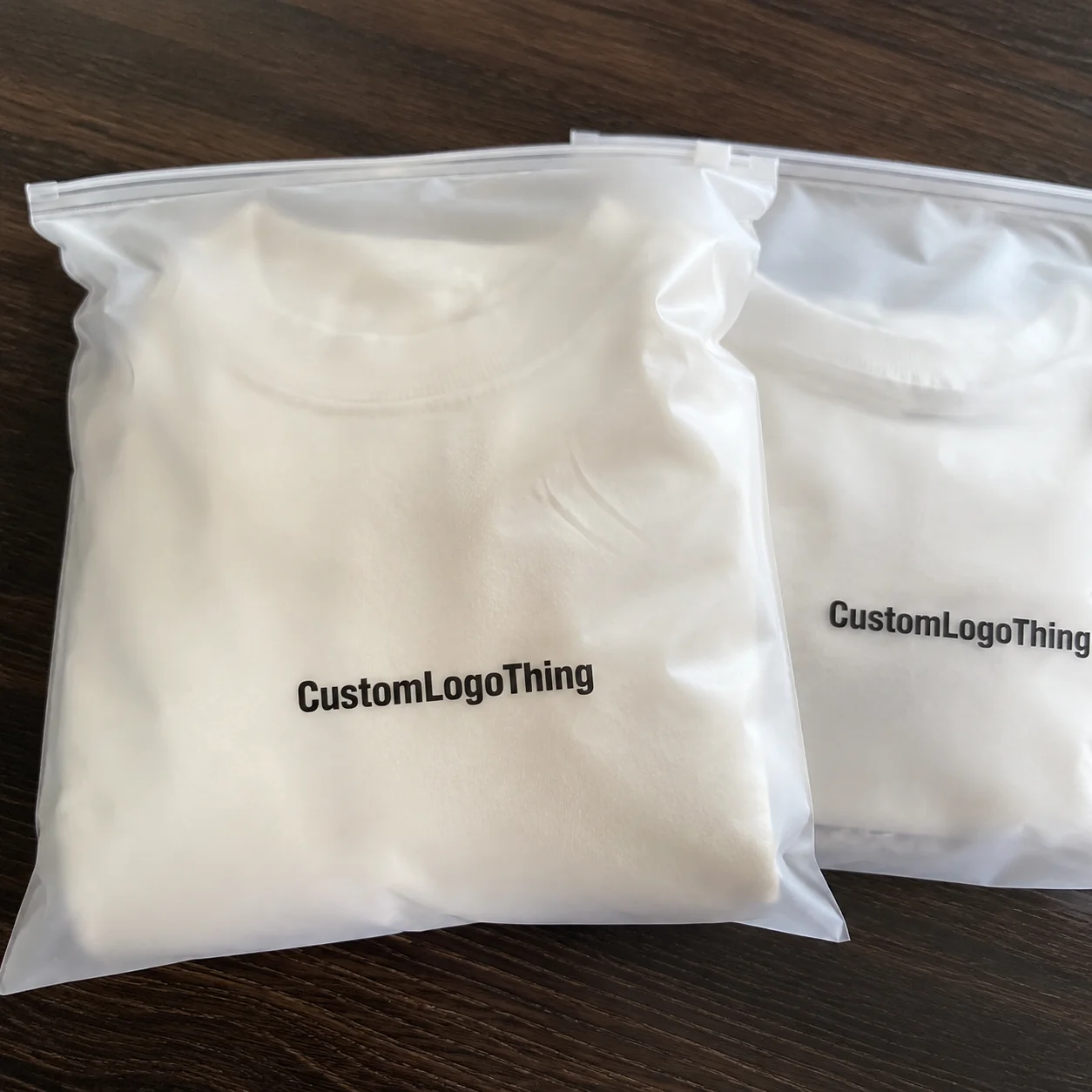
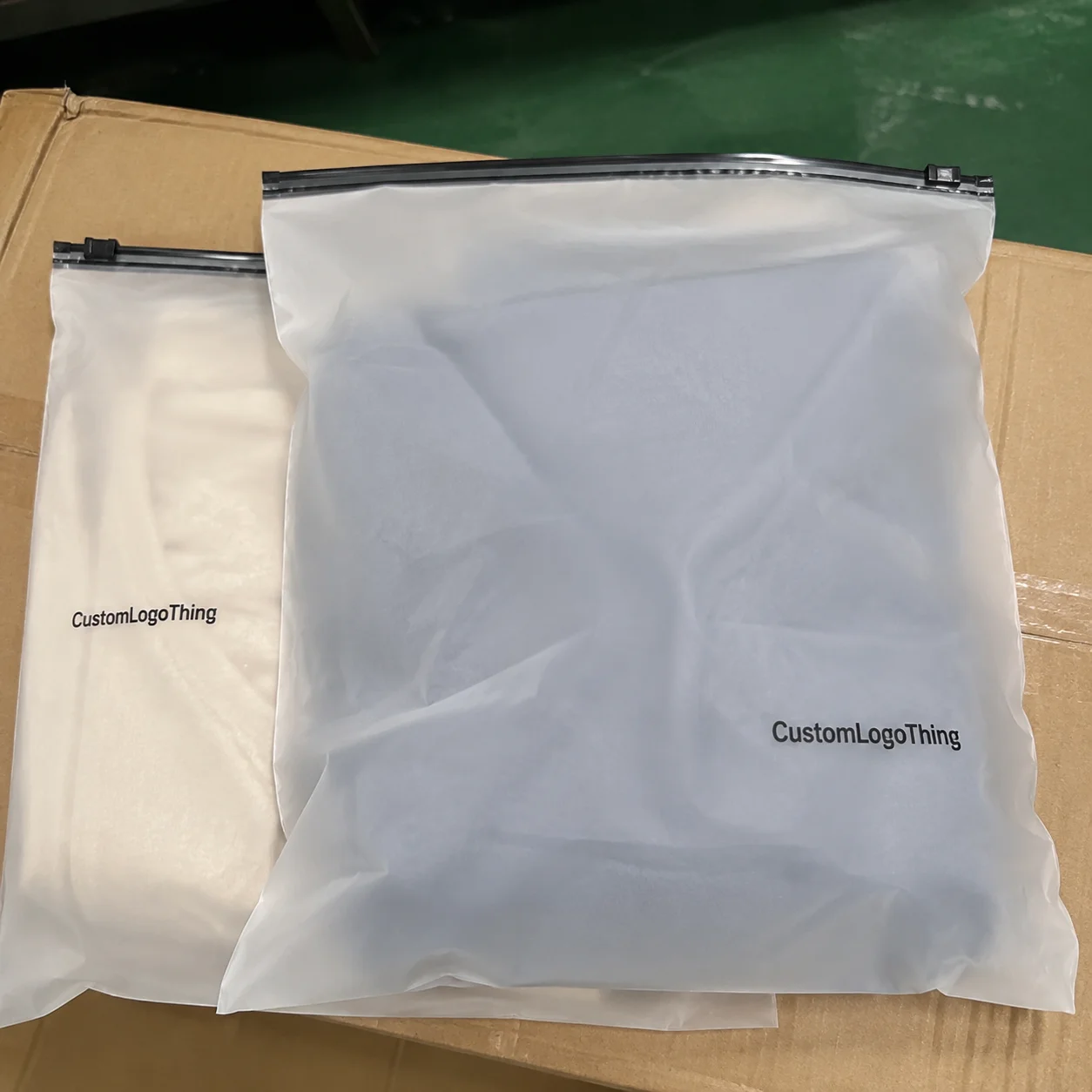
Garment Poly Bags for Ecommerce brands seasonal buying plan is a planning problem, not a packaging add-on. Apparel demand moves in spikes, and packaging has to follow those spikes without creating extra inventory, emergency freight, or a launch-day stockout.
The bag spec affects more than appearance. Clarity affects inspection speed. Gauge affects tear resistance. Seal quality affects pack-out labor. Bag dimensions affect carton cube, pallet count, and freight. A small change in width or height can ripple through the whole operation.
The practical goal is to match bag quantities to launch timing, size curves, and replenishment windows. That is the value of a seasonal buying plan: fewer surprises, cleaner reorders, and less money tied up in the wrong packaging at the wrong time.
For broader packaging programs, the Custom Packaging Products page is a useful starting point, and apparel shipments often pair with our Custom Poly Mailers when a consistent shipping format matters across the catalog.
Garment poly bags for ecommerce brands seasonal buying plan: why demand breaks packaging
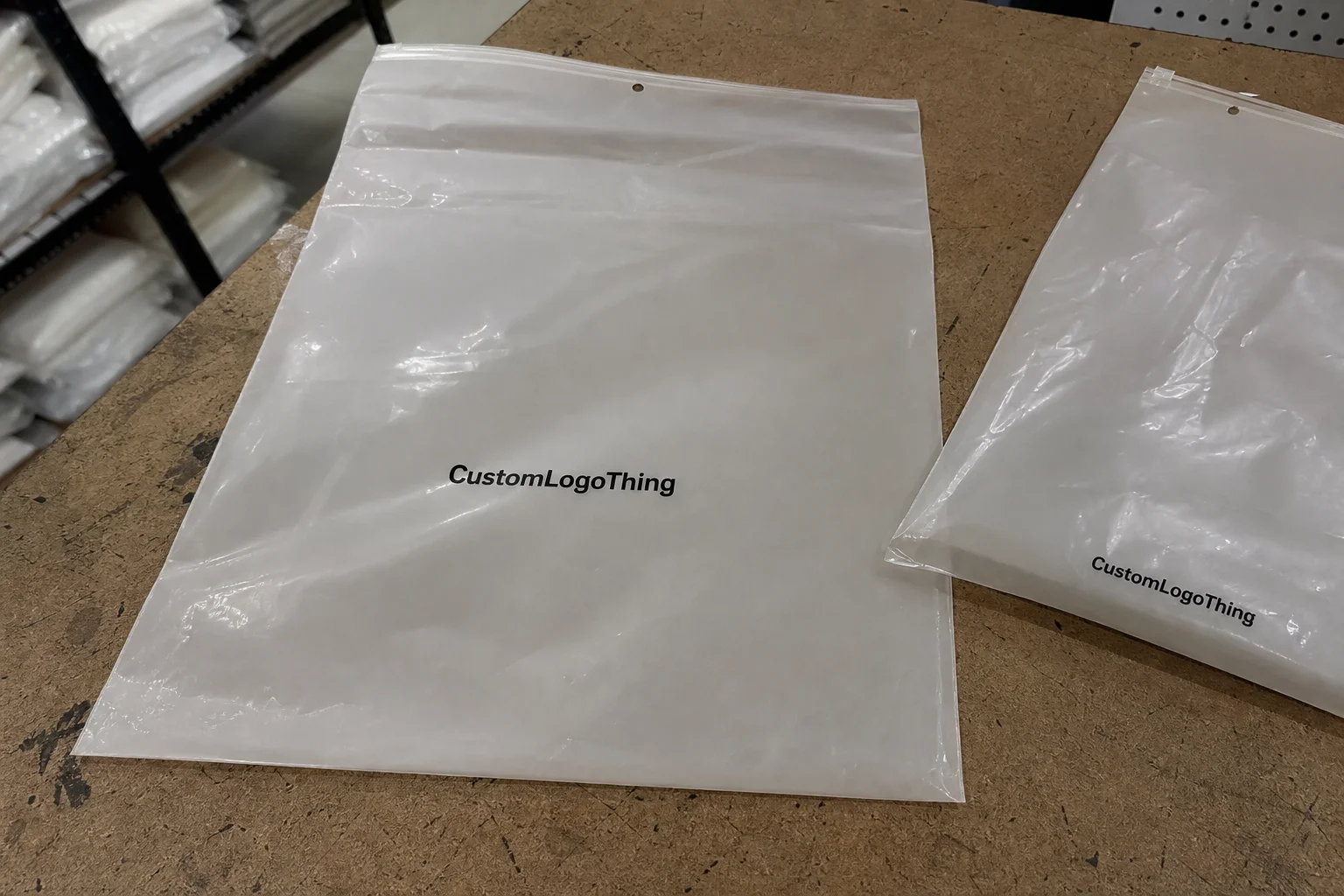
Apparel rarely sells in a straight line. Basics may move steadily, then jump during a promotion. Outerwear can sit through approvals and then spike with the first cold week. Holiday assortments may go quiet and then turn urgent fast. Packaging planning has to account for that uneven demand.
The risk is not only inventory. If the bag is too heavy, too large, or overprinted, you pay for material you do not need. If it is too light, the bag tears, scuffs, or forces repacking. Ecommerce magnifies the problem because packaging failures show up later as labor waste, customer complaints, and write-offs.
Warehouse speed matters too. Clear, correctly sized bags help teams verify size and color faster at pick and pack. Oversized bags add air and waste. Undersized bags create folds and pressure marks. Poor seals or bad clarity slow the line, and small friction compounds quickly in fulfillment.
A useful bag spec should protect the garment, move through fulfillment cleanly, and survive the trip from production to customer. If it only solves one of those problems, the spec is probably wrong.
Seasonal timing is where many programs fail. A forecast miss can turn into pallet waste, expensive freight, or a rushed purchase order. A disciplined buying plan reduces that risk by tying order timing to sell-through instead of a single annual volume number.
Choosing the right poly bag construction for apparel SKUs
Not every garment should use the same bag. Tees, folded knits, denim, intimates, outerwear, and multi-piece sets all behave differently in transit and on the packing bench. Layflat bags work for many folded items. Gusseted bags fit bulkier pieces. Resealable closures help with returns or retail presentation. Hanger holes matter for omnichannel programs. Suffocation warnings should be specified early, not added later.
Gauge matters as much as format. A 1.5 mil or 2 mil film may be fine for lightweight tops. Heavier garments or more handling steps may justify thicker film. There is no universal number that works everywhere; the right gauge depends on the handling path and the amount of protection needed before the bag reaches the customer.
Clear film remains the default because it supports quick visual checks. Frosted film can look more premium and hide fold lines. Printed bags add branding and compliance copy, but they reduce usable visual space and add complexity. If the print is crowded or the registration drifts, the bag can look worse, not better.
| Bag Type | Typical Use | Indicative Cost Range | Practical Tradeoff |
|---|---|---|---|
| Stock layflat clear bag | Basic tees, folded knits, quick replenishment | $0.03-$0.06 per unit | Lowest upfront cost, limited branding, fastest availability |
| Custom printed clear bag | Hero SKUs, brand presentation, compliance copy | $0.08-$0.18 per unit | Better presentation, longer lead time, proof required |
| Heavier-gauge gusseted bag | Denim, sweaters, bulkier folded apparel | $0.10-$0.22 per unit | More durable, higher resin use, better handling margin |
| Resealable bag with hanger hole | Omnichannel, retail-ready, return-friendly packs | $0.12-$0.28 per unit | Flexible across channels, usually higher MOQ and complexity |
Those ranges are directional. Resin movement, dimensions, print coverage, and quantity all change the quote. The useful comparison is not just cost per unit, but how the bag performs in the warehouse and whether it avoids repacking or damage.
If shipping validation matters, ask for it early. The ISTA test framework is a practical reference for brands dealing with carrier changes, higher return rates, or longer distribution routes than expected.
A dual-spec approach often works well: printed bags for hero items and stock bags for test launches or smaller replenishment buys. That keeps merchandising flexible without forcing every SKU into the highest-cost format.
Size, print, and compliance details that prevent rework
Bag sizing should start with the folded garment, not the carton. Measure the folded width and length, then add room for inserts, tissue, or a hang tag if those are part of the packout. If the item ships flat, the fit requirement is different from a bag that needs breathing room to avoid deep creasing.
Print and compliance details belong on the spec sheet before artwork proofing starts. Barcode placement, suffocation warnings, recycled-content language, and brand marks all compete for space. If the printable area is smaller than expected because of seal margins, the artwork has to change. That is a dimensional issue, not a design issue.
Proofing matters. Even a simple two-color print can shift when the film stretches or press registration moves slightly. A preproduction sample is far cheaper than a full reprint. Most packaging mistakes are specification failures that were never written down clearly enough.
For sustainability claims, keep the language precise and backed by documentation. If recycled content or fiber sourcing matters, align the claim with the actual material and supplier records, and refer to authoritative guidance like the EPA recycling resources or FSC chain-of-custody rules where paper components are involved.
A clean spec sheet usually includes the following:
- Width and length, plus any gusset depth
- Film gauge and resin type
- Closure style and hanger hole requirement
- Print colors, ink coverage, and panel location
- Carton pack, master carton size, and pallet pattern
- Approved tolerance range for dimensions and gauge
That level of detail makes quoting easier, comparison cleaner, and replenishment faster. Buyers who write specs this way usually spend less time resolving mistakes later.
Pricing, MOQ, and unit cost drivers to model early
Price depends on a few controllable variables. Resin movement matters, but so do gauge, dimensions, print colors, carton configuration, freight mode, and whether the run needs tooling or plates. Buyers often focus on the lowest visible line item and ignore the hidden drivers. That is how a cheap quote turns into a higher landed cost.
MOQ reflects production efficiency. Stock items can often run in smaller quantities because the setup already exists. Custom printed orders usually need larger runs to justify press setup, material changeover, and quality checks. Asking where the cost breaks by quantity is more useful than asking for one best price.
The number that matters is landed cost, not sticker price. If one quote is lower but adds lead time, wider tolerances, or a higher defect rate, it can become more expensive once freight and rework are included. That is especially true in seasonal programs, where a delay can force a backup order at a premium.
| Quote Factor | Why It Moves Cost | What Buyers Should Ask |
|---|---|---|
| Film gauge | Thicker film uses more resin | What gauge is required for this garment weight and handling path? |
| Print colors | More colors usually mean more setup and ink coverage | Can the artwork be simplified without losing clarity? |
| Bag dimensions | Larger bags use more material and affect carton cube | Are the dimensions based on actual folded product measurements? |
| MOQ | Lower volumes raise setup cost per unit | What is the cost break at the next quantity tier? |
| Freight mode | Air, ocean, and domestic truck rates differ sharply | Can the in-hands date support a slower, cheaper mode? |
Request tiered pricing every time. A quote at 5,000, 10,000, and 25,000 pieces shows where the scale break sits and whether the supplier is pricing rationally. Strong buyers use that data to decide whether to consolidate SKUs, split orders by launch phase, or hold back reserve inventory for replenishment.
The most expensive packaging mistake is often the emergency order placed after stock runs low and the calendar is already tight. A Garment Poly Bags for ecommerce brands seasonal buying plan should reduce that risk by forcing the cost model to include timing, not just quantity.
Production steps and lead time for seasonal replenishment
Seasonal planning starts with the production timeline, not the PO date. The process usually runs from brief to quote, spec confirmation, artwork review, sample approval, production, quality control, packing, transit, and receiving. Each stage can add time. If the brand waits until stock is nearly gone, there is no buffer left for corrections.
Lead time is not one number. Custom film, print setup, transit mode, and peak-season congestion can all add weeks. If the artwork changes after the first proof, the schedule stretches again. Work backward from the selling date, and include warehouse intake and marketing launch dates in the calendar.
Good seasonal programs leave contingency time for compliance copy changes, artwork corrections, and the occasional material substitution if a resin grade shifts. That buffer also helps when a shipment has to be split because warehouse receiving capacity is limited.
For testing and acceptance, ask for a sample before full production. If the shipment path is demanding, validate the pack against a recognized transit protocol. A small amount of testing usually costs less than one claims problem.
Reorder planning should be based on sell-through or stock cover, not panic. If a collection outperforms forecast, the second buy should use the same approved spec and contact path. That keeps replenishment clean and avoids small changes that create inconsistent packaging across the season.
How to judge a supplier beyond the first quote
Price is only one signal. A supplier can be competitive and still be a poor operational fit. The stronger test is process: documentation, sample consistency, response speed, and a realistic capacity view. If the first quote is fast but the technical answers are vague, that is a warning sign.
Quality control matters. Ask how the supplier checks film gauge, seal integrity, print registration, carton labeling, and change control. The goal is consistency, not perfection theater. A bag that looks right in one lot and drifts in the next can create confusion in fulfillment, especially when multiple SKUs move through the same building.
Seasonal brands also need flexibility. Ask whether the supplier can support staggered releases, partial shipments, emergency replenishment, and short-term storage if your warehouse is full. That capability can be the difference between protecting a launch and missing it.
Communication style reveals a lot. A strong account team translates the merchandising calendar into a packaging plan that can actually run. They understand that a bag spec is a production instruction, not just a number on paper.
Use performance criteria that reflect ecommerce reality:
- On-time delivery against the agreed in-hands date
- Low defect rates on sample and production lots
- Fast correction when artwork or copy changes
- Clear labeling and carton traceability
- Support for multiple SKUs without spec confusion
For a broader view of execution, the examples in our Case Studies library are usually more useful than a polished sales sheet. A supplier can talk about quality all day; the paperwork and outcomes tell the real story.
Next steps to turn the seasonal buying plan into a PO
Start with a SKU audit. List each garment style, forecast quantity, launch window, folded dimensions, and any packaging requirement that affects the quote. Then request apples-to-apples pricing from at least two suppliers using the same bag size, gauge, print details, carton pack, and delivery destination.
Approve one physical sample before full production, especially for custom print or tight fulfillment windows. A sample shows whether the artwork fits, whether the bag closes properly, and whether the packout team can handle it without slowing down. One sample approval is usually cheaper than one production mistake.
Set reorder triggers now. Pick the inventory level or sell-through percentage that will trigger the next order, and assign one owner to watch it weekly. That keeps the brand from drifting into panic buying and makes the next seasonal cycle easier because the team already knows what good looks like.
Then lock the spec, the calendar, and the supplier contact path. Keep those documents in one place and use them as the operating file for the season. That is how Garment Poly Bags for Ecommerce brands seasonal buying plan becomes a real purchasing system: consistent, documented, and tied to demand instead of impulse.
FAQ
How far ahead should ecommerce brands order garment poly bags for seasonal launches?
Plan 8 to 12 weeks ahead for standard custom programs, and add time if artwork changes are likely or if the shipment needs export transit. Work backward from warehouse intake and launch dates so there is room for proof revisions, sample approval, and production variance.
What MOQ is normal for seasonal garment poly bag orders?
MOQ depends on the spec. Stock bags usually allow smaller quantities, while custom printed bags and specialty gauges often need larger runs to make setup efficient. Ask for multiple price breaks so you can see where the cost per unit improves.
Should I use printed or unprinted garment poly bags for ecommerce?
Use printed bags when branding, handling instructions, or compliance messaging matter. Use unprinted stock bags when speed and lower initial spend are the priority. Many brands do both: printed bags for hero SKUs and stock bags for replenishment or test launches.
What information do I need to get an accurate quote?
Provide bag dimensions, film gauge, closure type, print requirements, expected quantity by SKU, delivery location, and the required in-hands date. If you have artwork or a dieline, share it early so the supplier can confirm usable print area and compliance text placement.
How do I avoid overbuying after the season ends?
Base the order on sell-through and forecasted replenishment, not on the largest possible demand scenario. Set a reorder trigger before launch so you can make one controlled second buy instead of an emergency overstock purchase. Keep a fallback spec that works across multiple SKUs.