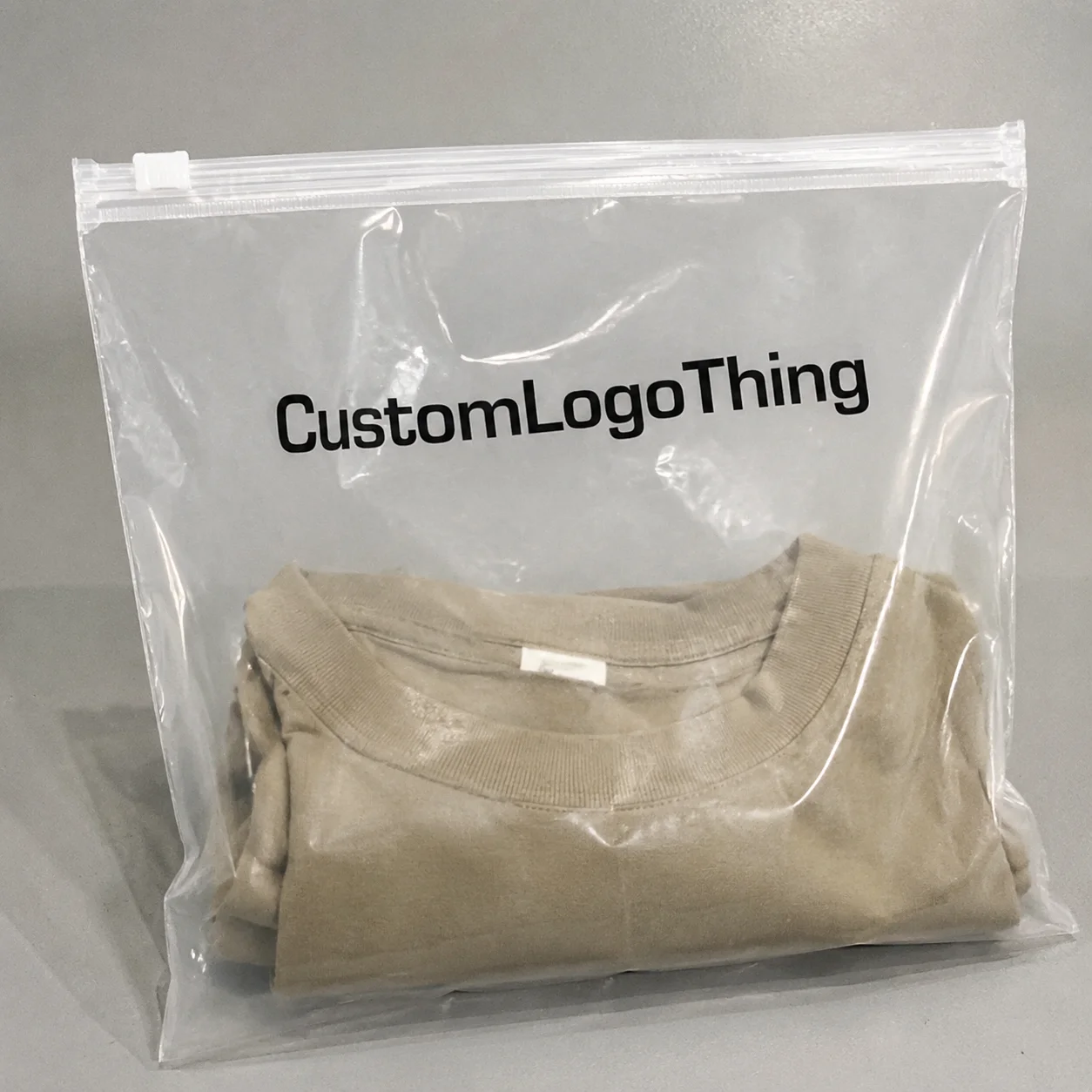
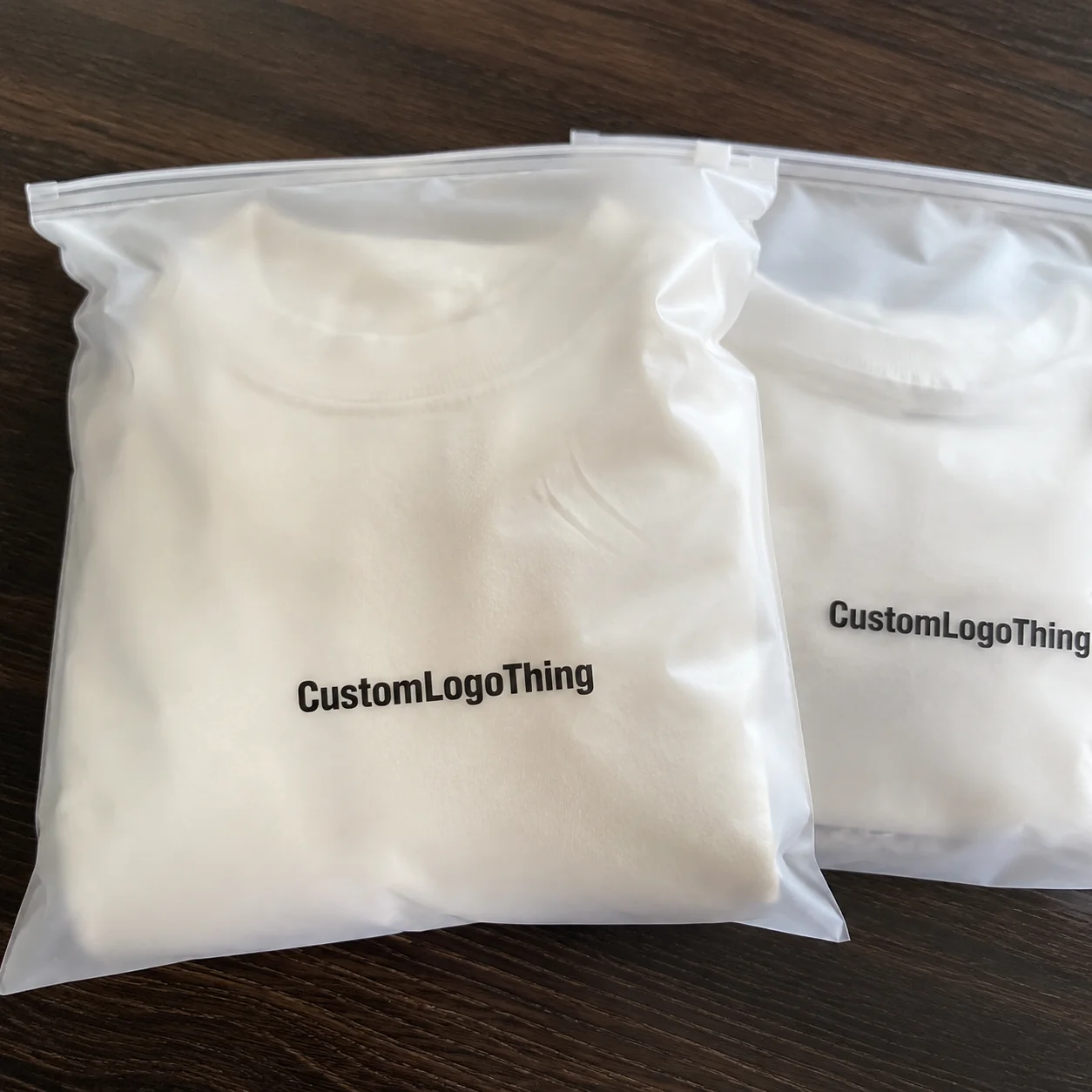
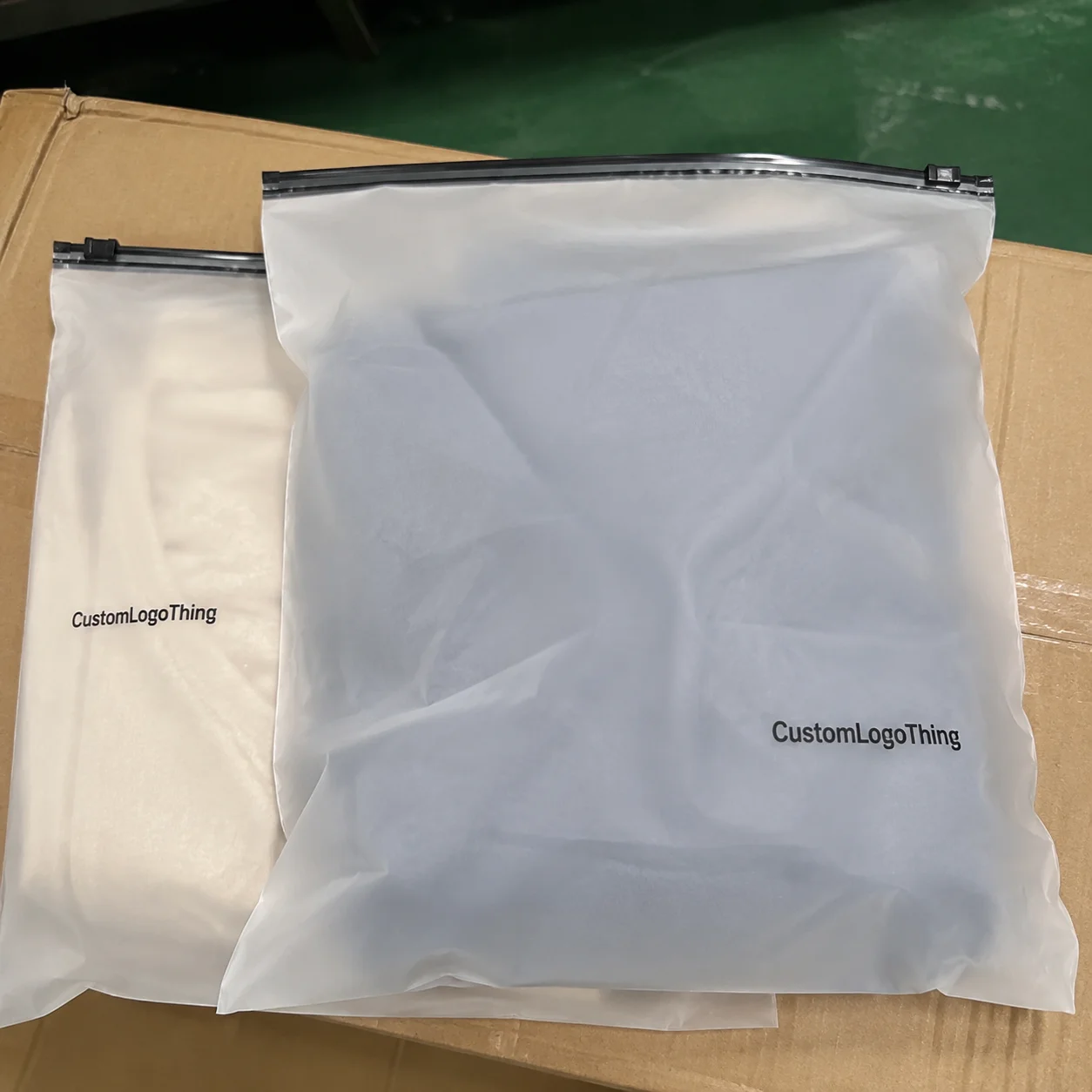
Garment Poly Bags for Ecommerce brands retail launch checklist is a long phrase for a simple truth: the bag is not just packaging, it is part of the product experience. Folded apparel can look polished or messy before anyone sees the shirt itself. If the film is too thin, the fit is wrong, or the closure fails, the damage shows up immediately in packing speed, shelf appearance, and customer perception.
That is why the spec matters early. Teams often focus on print and skip the part that actually controls performance: film gauge, folded dimensions, closure style, compliance text, and how the bag behaves during packing and transit. Get those wrong and the launch gets more expensive in ways that are hard to spot on a quote sheet.
The cheapest poly bag is usually the one that costs the most after rework, replacements, and complaints.
Garment poly bags for ecommerce brands retail launch checklist
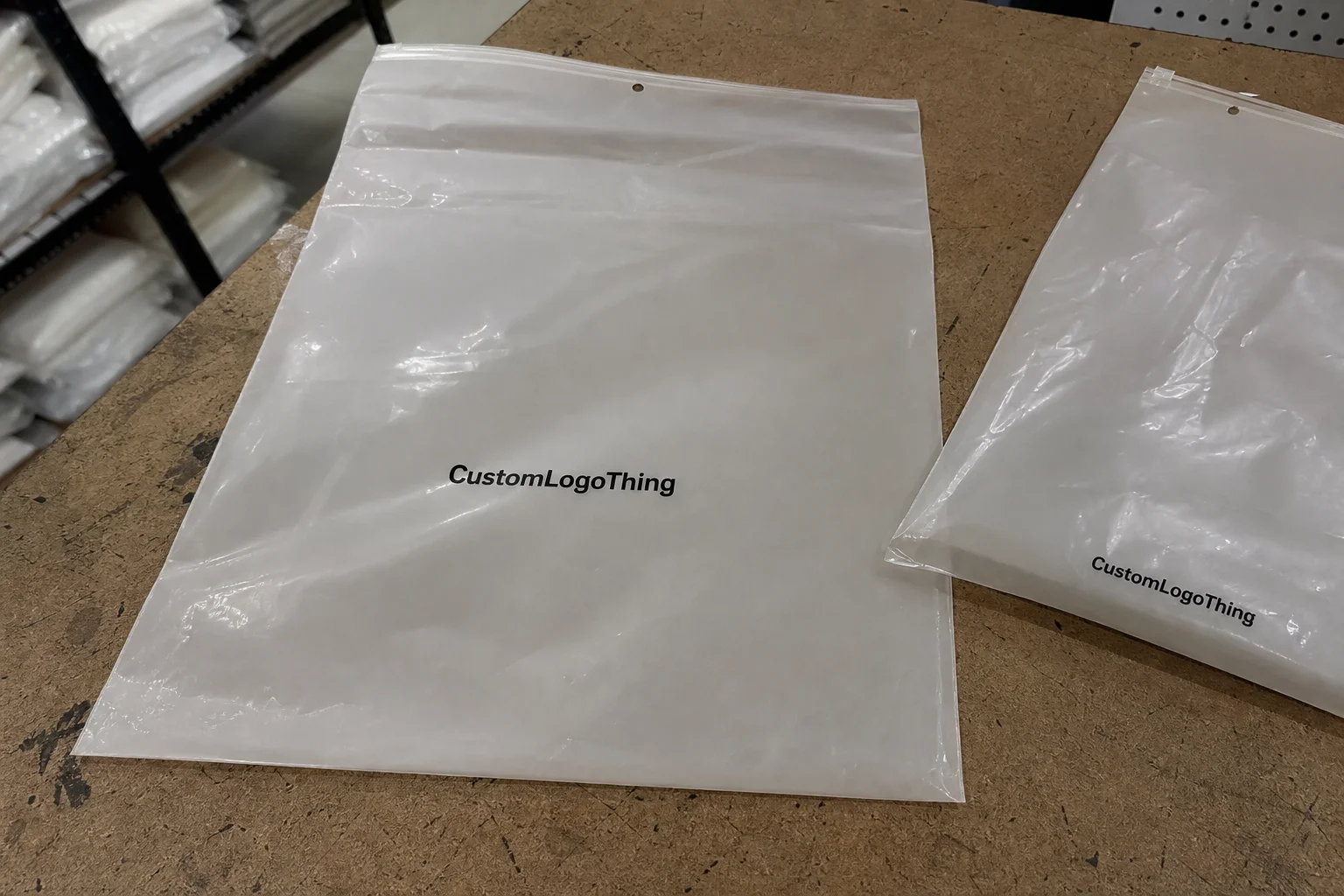
Garment Poly Bags are there to protect folded apparel from dust, light handling, moisture, and scuffing while also keeping it visually presentable. That sounds basic because it is. The real challenge is that the bag has to do two jobs at once: preserve the garment and make it look ready for retail or direct-to-consumer delivery.
For ecommerce brands, the packaging experience starts before the box is opened. Buyers see the garment in a sleeve, not as a loose item tossed into a carton. For retail launches, the bag becomes even more visible. It influences how the product stacks, how clean the shelf looks, and how much time store teams spend fixing presentation issues.
The practical value is bigger than most teams expect. Better bags reduce dust pickup, limit friction during packing, and cut the odds of returns tied to a product that arrived technically fine but visually tired. That middle ground matters. A tee with no defect can still look weak if the packaging lets the fold shift or the film wrinkles badly.
For launch planning, treat the bag as part of the SKU spec, not an afterthought. The best results come when the bag is chosen alongside the garment fold, label placement, and fulfillment workflow. Once the product is in motion, changing the packaging is rarely simple.
- Confirm which SKUs need sleeves and which can ship without them.
- Measure the folded packed garment, not the flat pattern.
- Choose one spec for ecommerce, retail, or both, depending on the channel.
- Set the visual standard before sample approval, not after production starts.
That last item saves time. “Looks fine” is not a launch standard. It is a shrug. The difference shows up when the first carton is opened and the team realizes the bag is too loose, too cloudy, or too fragile for the job.
How the bag format protects product and presentation
A good bag keeps the folded garment in place from pack-out to final delivery. It should hold the item tight enough to avoid sliding, but not so tight that the seams strain or the edges curl. That balance affects how the product feels on the line and how it looks to the buyer.
Clear film is popular because it puts the garment front and center, but clarity alone does not make a bag look good. Film can haze, wrinkle, or yellow under lighting. A bag that clouds in bright retail conditions can make a clean garment look like it sat in storage too long. Buyers notice that. So do store teams.
Closure style changes the outcome more than many brands realize. Adhesive flaps are common for launch orders because they are cheap and quick to pack. Heat seals can look cleaner, but they require the right equipment and more process discipline. Open-top sleeves are fine in some internal workflows, but they do not always deliver the crispest retail presentation.
The format also affects how well the item survives handling. Bags reduce friction between stacked garments, keep dust off during warehouse movement, and make carton repacking easier. If the apparel is going through multiple touchpoints, that matters. If the product is going straight from folding to a display-ready stack, the bag still needs to keep the presentation consistent.
Think about the bag in three separate ways:
- Protection: dust, light moisture exposure, and handling marks.
- Presentation: flat edges, clean visibility, and a consistent retail look.
- Operations: packing speed, stacking stability, and fewer reworks.
That separation helps teams avoid vague decisions. If the goal is retail presentation, a flimsy sleeve is a bad choice even if it is cheap. If the goal is only to keep shirts clean inside a carton, the spec can be simpler. The channel should decide the bag, not the other way around.
Key specs that change fit, finish, and compliance
Film thickness is the first spec that changes the feel of the package. Thin film lowers unit cost, but it tears more easily and tends to look soft or cheap in hand. For light tees or innerwear, a lean spec can work. For hoodies, heavier knits, or anything that will be handled a lot, a thicker film usually gives better results.
Size is just as important. The bag needs enough room for the folded stack and the closure, but not so much space that the garment shifts around. Too much excess width creates bowing and sloppy corners. Too little creates stress, makes insertion harder, and can distort the package. Measure the folded packed size. Do not guess from the flat garment.
Material choice matters too. Low-density polyethylene is common because it is flexible, affordable, and easy to convert. Recycled-content options can work for brands with sustainability targets, but the film quality has to be checked carefully. Clarity, strength, and consistency can vary, and not every recycled-content film is equal in performance.
Compliance is where packaging mistakes get expensive. Depending on the market and the retailer, you may need suffocation warnings, approved claim language, and correct label placement. If the bags are part of a supply chain that includes parcel shipping, transit testing may be relevant. For example, ASTM or ISTA-based testing can help validate how the finished pack behaves in transport. If you are using recycled or sourced paper inserts alongside the bag, any sourcing claim should match recognized standards such as FSC.
Printing should stay functional. A logo, a size indicator, a barcode window, or a warning line can make the bag easier to use without crowding the design. Too much print coverage raises cost and can make the package feel busy. The cleanest-looking bags usually have one clear message and not much else.
| Option | Best For | Typical Notes | Rough Launch Cost at 5,000 Units |
|---|---|---|---|
| Clear LDPE, light gauge | Tees, innerwear, light basics | Lowest material cost, simple packing, lighter hand feel | $0.05-$0.09 each |
| Clear LDPE, medium gauge | Tees, sweats, general retail use | Better structure, fewer tears, stronger stack stability | $0.08-$0.14 each |
| Printed poly bag | Branded retail presentation | Setup adds cost, but the package looks more intentional on shelf | $0.12-$0.22 each |
| Recycled-content film | Brands with sustainability claims | Check clarity, approval language, and consistency before committing | $0.09-$0.18 each |
Those numbers are launch-range realities, not quotes. Size, print coverage, thickness, order quantity, and closure style move the price more than most teams expect. If a supplier gives a single low number without spelling out the spec, something is missing.
Cost, MOQ, and unit pricing for launch orders
Pricing is driven by a few plain variables: film type, dimensions, thickness, print colors, closure style, and quantity. There is no mystery here. Small runs cost more per unit because setup is spread across fewer pieces. More print colors means more setup work. Bigger bags use more material. The math is boring and unavoidable.
MOQ is where launch teams get caught. A low-volume order can look affordable until the unit price is divided by the actual quantity needed for the launch. Then the number jumps. That is normal. What is not normal is approving a run that is too small, then having to reorder because the first batch was undersized, under-printed, or wrong for the folded garment.
For a new apparel launch, it usually makes more sense to pay for a stronger, cleaner bag than to chase the absolute cheapest unit cost. The packaging needs to survive packing, transit, and display. If it cannot do that, the savings disappear quickly. Returns, repacking, and rush freight erase cheap packaging faster than most procurement decks admit.
Hidden costs matter more than the piece price. Sample revisions. Rush shipping. Artwork corrections. Warehouse slowdowns because the bags are awkward to use. Any one of those can turn a low quote into the expensive option. Ask for landed cost if you want a real comparison.
A usable quote should include:
- Exact bag size and thickness.
- Closure type and whether it is adhesive, heat seal, or open top.
- Print colors, coverage, and warning text.
- MOQ and pricing at more than one quantity break.
- Sample cost, lead time, and freight estimate.
If a supplier will not provide that level of detail, the quote is incomplete. It is not better because it looks lower.
Production steps and lead time from proof to delivery
The normal path is straightforward: confirm the spec, review the artwork proof, approve a sample, run production, inspect the order, then ship. The problem is not the sequence. The problem is the number of chances for a launch team to make small changes after the clock has already started.
Most delays come from the same few issues. Teams send the wrong fold measurements. They approve a proof before checking the retailer’s label requirements. They change the logo placement after the sample is already approved. Or they lock a marketing date before they know the packaging schedule can support it. None of that is rare.
Simple clear bags usually move faster than custom printed ones because the prepress work is lighter. But freight can become the schedule risk even when production goes smoothly. A finished order is not useful if it misses the shipping window or the warehouse receiving slot. Packaging calendars need buffer just like product calendars do.
A practical launch sequence looks like this:
- Lock the folded packed dimensions for each SKU.
- Select one or two bag specs to sample.
- Approve artwork only after checking the warning text, barcode zone, and size placement.
- Confirm production timing and freight method before the launch date is announced.
- Hold a small contingency quantity for damaged units or last-minute retailer requests.
Lead time usually feels short until revisions begin. A clean proof approval can save a week. A late artwork correction can cost one. If the packaging timeline is tied to a campaign, every delay gets amplified. That is why the best launch plans are boring. They leave room for the parts that go wrong.
Common mistakes that cause reorders or launch delays
The first mistake is sizing to the flat garment instead of the folded package. Those measurements are not interchangeable. A tee may look simple laid flat, but once it is folded it has depth, edges, and some variation from fold consistency. Using the wrong dimension creates bags that are too tight or too loose.
The second mistake is choosing film that is too thin for the use case. Thin film can be fine for internal packing. It is less convincing for retail-facing presentation. If the bag tears in packing or wrinkles badly under bright lights, the savings are gone. Nobody remembers the unit price after the order gets repacked.
The third mistake is missing compliance text. Retailers can reject a shipment for incorrect warning language, bad placement, or missing labeling even when the garments themselves are perfect. Packaging approval is not a design formality. It is part of the fulfillment process.
The fourth mistake is sloppy artwork setup. Logos get placed too low. Barcode areas get ignored. Bleed and safe margins are skipped. The proof gets approved too fast. Then the “final” file becomes another revision, and the launch date starts to slip.
The fifth mistake is treating approval as a purchase order. A quote is not a schedule. A sample is not reserved production capacity. If the launch date matters, confirm sample timing, production timing, and freight timing on the same line before you say yes.
There is a quieter problem too: packaging that does not match the channel. A sleeve that works for ecommerce may not satisfy a retail buyer’s presentation standard. A heavier retail bag may be overbuilt for a mailer-based fulfillment flow. The right bag depends on where the product is going and who handles it on the way there.
Expert tips and next steps before you request samples
Start with actual folded garments. Not spec sheets. Not “close enough.” Pack one tee, one hoodie, and one heavier knit if those are in the line. Measure width, height, and thickness after folding. That gives you a real target for sample requests and keeps the first round of quotes grounded.
Ask for more than one direction if the launch matters. A clear bag, a thicker version, and a printed version can reveal tradeoffs quickly. Then check those samples in the conditions they will actually face. Put them on a packing table. Stack them. Open and close them. Hold them under retail lighting. If your warehouse uses gloves, test with gloves. A bag that looks fine in isolation can still be awkward in a real workflow.
For comparison, the quote should include the basics that affect both cost and performance: MOQ, size, thickness, closure, print setup, sample turnaround, freight estimate, and any compliance notes. If you are launching multiple SKUs, ask whether the same spec can be used across sizes. That simplifies reordering and reduces errors later.
It also helps to compare related packaging formats before locking the sleeve. Our Custom Packaging Products page is a useful place to review options side by side, and our Case Studies can show how different launch specs are structured without copying them outright. If the garments will ship in mailers instead of cartons, compare the fit and handling of Custom Poly Mailers against the bagged workflow.
One last check: if a supplier cannot explain how the bag supports the product, the retail presentation, and the packing process in plain language, keep looking. Good packaging decisions tend to sound unexciting because they are built on dimensions, timing, and handling rather than sales language. That is the practical core of a Garment Poly Bags for Ecommerce brands retail launch checklist: size it correctly, specify it cleanly, and get it approved before production starts.
What size garment poly bags for ecommerce brands should I order for folded tees?
Measure the folded tee width and height first, then add a little room for seal overlap and easy insertion. The garment should sit flat without ballooning inside the sleeve, since that keeps the presentation cleaner. If you are between sizes, test the smaller and larger option with actual packed garments before placing the full order.
What thickness works best for garment poly bags for ecommerce brands at retail launch?
For light tees and innerwear, a thinner film can work if it still resists tearing during packing. For hoodies, heavier knits, or retail-facing presentation, a thicker bag usually performs better and looks more deliberate. Choose thickness based on handling and display, not just price, because flimsy film creates repacking work and weak shelf appeal.
Do garment poly bags for ecommerce brands need suffocation warnings?
If the bag is large enough to create a suffocation risk, warning text is often required by retailer or market rules. Placement matters, because the warning should remain visible and not be hidden by the fold, label, or adhesive flap. Confirm the exact wording with your buyer, retailer, or compliance team before artwork is finalized.
How long does a garment poly bags for ecommerce brands order usually take?
Simple clear bags generally move faster than custom printed bags because there is less prepress and setup work. Sample approval, artwork changes, and freight method often affect the total schedule more than the bag itself. Build buffer time into the launch plan so a late proof or shipping delay does not disrupt the rollout.
What should I ask for in a quote for garment poly bags for ecommerce brands?
Ask for size, thickness, closure type, print details, and exact MOQ so the quotes are comparable. Request sample cost, production lead time, and landed freight estimate, not just the piece price. If you are launching multiple SKUs, ask whether the supplier can keep the same spec across sizes to simplify ordering. That keeps Garment Poly Bags for ecommerce brands retail launch checklist decisions from turning into a mess.