Garment Poly Bags for Event teams reorder timing memo sounds bureaucratic until the wrong size runs out. That is usually how the problem starts. The shelf still looks usable, cartons are still stacked in the back room, and then packing slows because the exact bag needed for hoodies, volunteer kits, or sponsor bundles is gone. The point of the memo is simple: turn a loose replenishment habit into a reorder rule based on actual consumption, lead time, and the next event block.
From a packaging buyer’s angle, the best reorder is rarely the biggest one. It is the one that lands before kit assembly starts, before the press queue backs up, and before the team begins repacking apparel into a bag that only partly fits. For event crews that move between venues or ship on a recurring schedule, Garment Poly Bags are not filler inventory. They control presentation, protection, and packing speed.
Most event teams reorder for one of three reasons. The visual buffer is gone. The next shipment is already committed. Or the bag spec no longer matches the product mix. That last one causes more cost drift than people expect. A clear 2 mil bag that works for folded tees may be too light for jacket bundles, and a flat bag that looked fine for one show may slow down packing at the next. A disciplined reorder memo prevents last-minute substitutions, rush freight, and the awkward chain reaction that follows.
Garment poly bags for event teams reorder timing memo: why the bin looks full before the buffer is gone
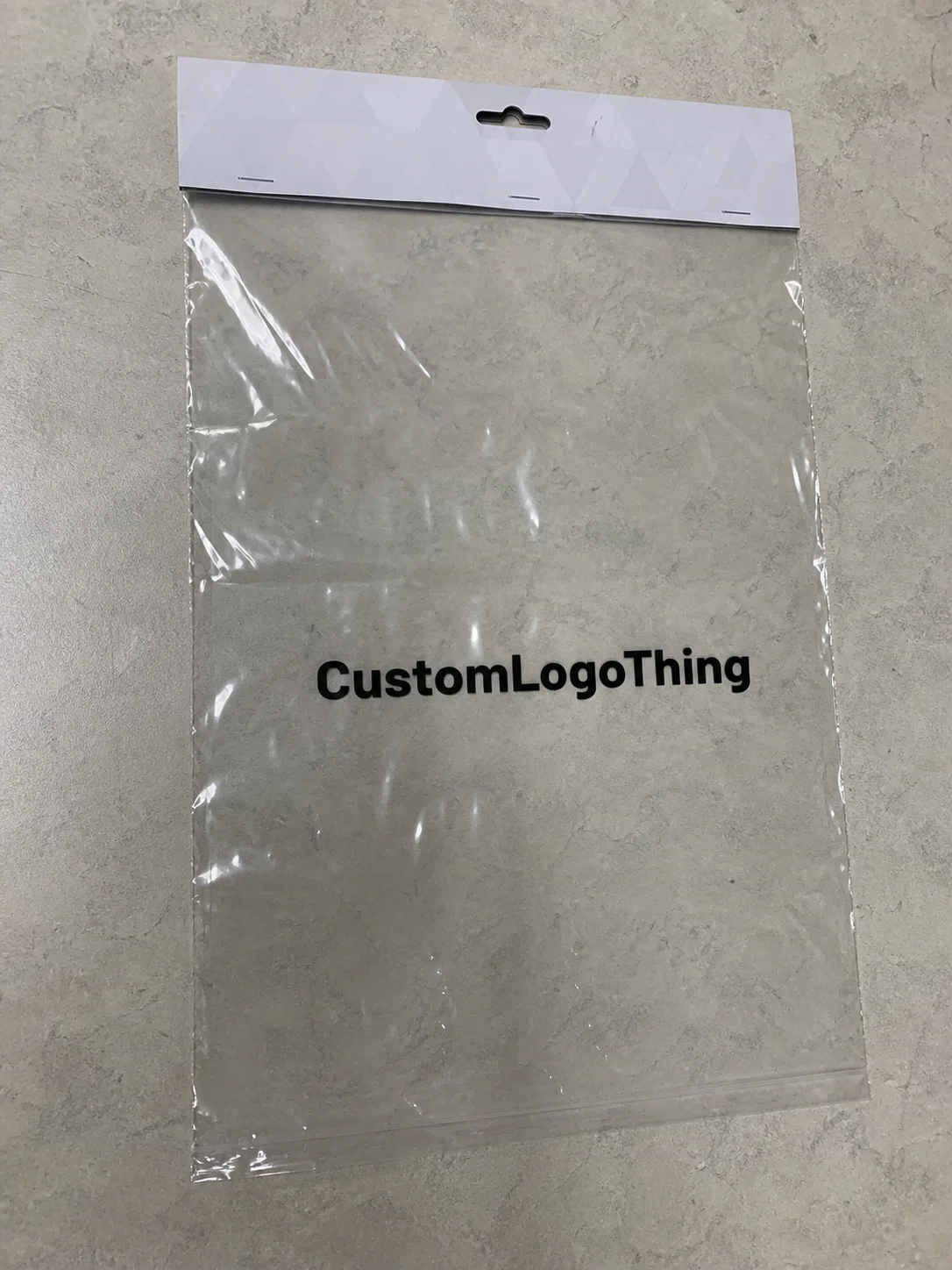
Shortages start quietly. Small cartons disappear first because they are used for premium merch, staff uniforms, or packed sets that need a cleaner presentation. Larger sizes last longer. By the time the inventory count looks low, the exact format that keeps the next shipment moving may already be gone. That is why reorder timing should be tied to usage rate, not the visual height of the stack.
Event packing does not drain packaging evenly. Volunteer kits may need one size. Retail merch may need another. Rain gear, wardrobe changes, and sponsor bundles often need heavier film or a wider gusset. Back-of-house work adds waste that never shows up in a simple piece count: damaged items, rechecks, split kits, and repacks. The demand curve is lumpy, and the stock number on paper does not always reflect that.
The right bag specification keeps three things under control. It protects apparel from dust and moisture during transit. It keeps the branded look consistent across venues. It also cuts repacking, which is where labor gets burned without adding value. A good bag is not just packaging. It is part of the operating system for the event floor.
“We do not wait until the shelf is bare. We reorder when the next confirmed block of events would leave no cushion for a damaged carton or a size change.”
That logic is plain, but it is easy to ignore under schedule pressure. Teams that document the reorder trigger early usually avoid emergency freight, proof shortcuts, and size substitutions that create downstream friction. The memo becomes a buying rule: reorder before the buffer is thin, not after the bin is empty.
The same discipline helps with other packaging lines too, including Custom Poly Mailers and broader sourcing through Custom Packaging Products. Different item, same problem: define the spec, define the trigger, then reorder on purpose.
Product details that matter for event-kit garment poly bags
Buyers usually start with clarity, but that is only one piece of the spec. Clear film helps crews confirm contents at a glance, which speeds pick-and-pack work. Tinted or frosted film can make presentation look cleaner or reduce visual clutter, but it can also hide barcode labels, folded inserts, or small warning copy if the artwork is too busy. That tradeoff should be deliberate, not accidental.
Thickness matters next. A 1.5 mil bag may be fine for light tees. A 2 mil or 2.5 mil bag is usually safer for heavier folded apparel, multi-item kits, or repeated handling. Once the load gets bulky, side gussets become important because they reduce seam stress and make loading cleaner. If the kit includes a hoodie, jacket, pouch, or insert card, the bag should be spec’d for the full packed shape, not the garment tag size.
Closure style affects both packing speed and the final look. Open-end bags are useful for internal transport and fast-line packing. Adhesive strip closures are more common when the team wants a neater retail-ready finish or a bag that stays closed during transit. If the bag needs a hang hole for display, that should be written into the spec sheet. If it needs venting or static control for dry environments, that should be listed too. Assuming those details during reorder is how a “simple” order becomes a production correction.
Print should be treated as functional labeling, not decoration. A one-color logo is often enough for event use, and it is usually easier to keep in register than a full-panel design. If the bag needs warning text, barcode space, batch labeling, or a brand lockup that has to sit in a fixed panel, the artwork should be reviewed against the bag dimensions before approval. Artwork that crowds the adhesive lip or folds over the seal turns into a usability problem, not a design success.
Handling details matter more than most buyers expect. Tear resistance matters when kits are pulled quickly. Static reduction matters in dry storage rooms. Perforation or lip width changes how the bag separates on the line and how it behaves after closure. None of these details sounds dramatic on paper. In the packing room, they show up immediately.
The practical question is not which bag is best in the abstract. It is which bag fits this load, this packing speed, and this event format. That answer changes the next reorder from a redesign into a repeat purchase.
Specifications buyers should confirm before they request a quote
A repeat order gets easier when the spec is complete. The first item is film thickness, usually listed in mils or microns. The second is size: width and length should reflect the folded load, not just the garment label. A medium hoodie often occupies more space than a flat large tee. Add a zipper pouch, an insert card, or a sticker sheet and the footprint changes again. If the bag is being squeezed to the point of bulging, the spec is too small.
Gusset depth, closure style, and print coverage drive both performance and price. A shallow flat bag may work for internal distribution, but a gusseted format is usually better for bulkier apparel. Open-top, adhesive strip, and hang-ready styles each serve a different workflow. On print, a small logo at the top is very different from a full-width graphic with caution text and barcode fields. If the bag has to keep a label in a fixed position, that should be stated before the quote is issued.
- Thickness: 1.5 mil, 2 mil, 2.5 mil, or heavier depending on garment weight
- Width and length: sized to the folded load, not just the tag size
- Gusset depth: critical for bulkier apparel and multi-item kits
- Seal style: open-end, adhesive strip, or hang-ready format
- Print file: final artwork, font conversions, and logo placement notes
- Carton pack count: affects storage, handling, and landed cost
Finishing details are where reorder mistakes hide. Perforation pattern changes how fast bags separate on the line. Adhesive strip strength affects whether the seal survives transit. Lip width matters if the bag will be opened for inspection and closed again before shipping. If the team has a prior approved sample, that sample number should be included in the request. It saves time and cuts down on “close enough” substitutions.
The paperwork that speeds approval is usually basic: dieline, logo file, last purchase order number, and a photo of the current bag in use. Those four items remove a lot of back-and-forth. They also help keep multi-venue orders aligned when one event team reorders through different departments or schedules.
For quality control and transit confidence, it helps to know the standards environment. If bags move as part of a larger distribution flow, a buyer should be able to discuss relevant testing references such as ISTA methods for distribution testing and packaging guidance from Packaging School and related industry resources. That does not mean every garment bag needs lab testing. It means the buyer should know where the spec sits if the goods are moving repeatedly and the route is rough.
Cost, pricing, MOQ, and unit cost drivers for repeat orders
Unit price moves for reasons that are more predictable than most buyers expect. Size is the obvious one. Film gauge is next. Print coverage can move the price more than the logo itself, especially if the artwork fills a large panel. Bag color, carton count, and special handling also affect cost. A heavier bag with more print and a small run will price very differently from a standard clear stock format.
MOQ, or minimum order quantity, usually depends on whether the bag is stock or custom printed. Stock sizes can often be bought in smaller quantities. Custom printed runs usually need a higher minimum because setup, press time, and material allocation have to be justified. Smaller runs almost always carry a higher per-bag price. That is not a trick. It is the cost structure of converting film into a made-to-order SKU.
| Option | Typical MOQ | Common Use | Indicative Unit Cost |
|---|---|---|---|
| Stock clear 2 mil flat bag | 1,000 to 2,500 | Basic tee packing, internal transport | $0.05 to $0.08 |
| Custom printed 2 mil bag | 5,000+ | Branded event kits, merch bundles | $0.11 to $0.19 |
| Heavy-gauge gusseted bag | 5,000+ | Hoodies, jackets, multi-item sets | $0.18 to $0.32 |
| Special format with hang hole or venting | 10,000+ in many cases | Retail-ready display, structured presentation | $0.22 to $0.38 |
Those ranges are not universal. Resin cost, artwork complexity, and freight move them. Even so, they are realistic enough for a buyer to benchmark a quote. The landed cost often tells the real story. Freight, carton configuration, and split shipments can add more than a few pennies per unit, especially if the team is distributing to multiple locations. A quote can look fine while the total order budget quietly climbs.
Savings usually come from standardization. Pick one or two approved sizes. Lock the artwork early. Order before the schedule turns urgent. If the same bag can serve multiple event types with only a label change, the economics improve fast. For teams managing recurring volume, the structure behind Wholesale Programs can also make repeat buying more predictable without changing the spec every cycle.
The fastest way to overspend is to treat every event as a fresh project. The better move is to treat garment packaging as a controlled SKU family and reuse the same spec wherever possible. That cuts error risk and makes the next reorder simpler.
Process and timeline for reorder approval, production, and delivery
A clean reorder flow usually has five steps: confirm the current spec, approve artwork or the prior sample, lock the quantity, release production, then schedule freight. Teams that skip the first step pay for it later. A missing detail on seal style or bag thickness can delay the quote. A missing artwork approval can delay the press. Those are different bottlenecks, and they do not move at the same pace.
Timing checkpoints should be explicit. Proof approval is the first one. Material availability comes next. Then press scheduling. Then packing. Then freight booking. If a buyer wants delivery by a fixed event date, the schedule should be back-planned from dock arrival, not from factory start date. That distinction sounds basic. It is also where many reorder problems begin.
Standard lead time and rushed turnaround are not the same thing. A standard run for printed garment bags often sits in the 12 to 15 business day range after proof approval, depending on volume and spec. A rush can compress the production slot, but it does not erase art checks, curing time, or freight constraints. A two-day delay in artwork approval can add more calendar time than a week of manufacturing once the queue is set.
That is why the reorder memo should include a cushion. If the bags are required for a show or distribution window, the target should be set well before the first pack date. The safest trigger is the point where the remaining stock covers the next confirmed event block plus a small reserve for damaged cartons or a sudden kit change. Waiting for a “low stock” alert is too late for anything with artwork or custom dimensions.
If the bags ship with parcel or mixed freight, transit quality matters. The best proxy is the real distribution path, not a one-off ideal condition. Standards like ISTA methods are useful because they force better questions about drop risk, vibration, stacking, and handling abuse. That matters more once the bags are going through multiple hands before they reach the event floor.
In practice, the process works best when one person owns replenishment, one person owns artwork approval, and one calendar reminder is tied to the next campaign or show date. That is not flashy. It is just how orders stop slipping through cracks.
What repeat buyers should expect from a packaging partner that supports events
A good packaging partner stores more than a quote. They keep prior specs, approved artwork, carton preferences, and the last successful ship method. That is what repeat accuracy looks like. If a supplier has to ask the same basic questions every time, the buyer is doing hidden administrative work that should have disappeared after the first order.
Consistency matters because event crews work faster when the bag quality does not drift. If one batch is stiffer, another is softer, and a third seals differently, packing behavior changes. Supervisors start checking bags more often. Branding looks uneven across seasons. Labor increases in small increments that are easy to miss on a spreadsheet and obvious on the floor.
Support shows up early. A competent partner will flag under-specified thickness, oversized print coverage, or a reorder quantity that falls below economic production. They should say what needs to change, why it matters, and what it will do to cost or timing. That is the difference between a supplier and a sourcing partner. One takes the order. The other protects the result.
Documentation quality matters too. A clear quote, a clean proof, and a direct reference to the prior order number save time. So does the ability to connect the bag order to other packaging activity in the account, whether that means a merch mailer, an apparel mailer, or another branded transport item. A buyer should not have to rebuild the file trail every season.
Strong repeat support also includes quality-control checks before the shipment leaves. That usually means verifying film gauge, confirming print registration, checking adhesive strength, counting carton pack quantities, and comparing the finished sample against the approved reference. If a partner cannot describe those checks in plain language, the risk does not disappear just because the quote is low.
The best fit is not always the cheapest line item. It is the vendor that makes the next reorder easier than the last one. That includes response speed, proof accuracy, and a willingness to standardize a spec instead of reworking it every cycle.
If a team needs a broader sourcing hub, the same buyer logic used for garment poly bags can carry over into Custom Packaging Products and the support material available through FAQ. Reorder discipline scales better than ad hoc buying.
Reorder checklist and next-step handoff before the next event cycle
Before the next event cycle starts, confirm four things: the current bag size, the print files, the remaining stock count, and the reorder trigger date. If any one of those is unclear, the next purchase request will slow down. A buyer who has to re-ask for the same facts loses time before the quote even starts.
- Record the exact SKU, dimensions, thickness, and closure style from the last successful order.
- Check whether the current artwork still matches the brand system and any venue-specific copy.
- Count usable cartons, not just total cartons, and note any damaged packaging.
- Set the next reorder date based on event demand and freight time, not a guess.
- Assign one owner to request replenishment and one approver to sign off on proofs.
That last point matters more than people think. Reorders get stuck when ownership is vague. If no one is responsible for the next step, stock drains while the team assumes someone else is watching it. A small process note prevents a large operational mess.
For repeat purchasing, the memo should also preserve the language the team uses internally. Keep the exact quantity, the approved carton pack count, the supplier reference, and the delivery target tied to the event. That way the next request can move without extra back-and-forth. If someone has to search for the same document later, the phrase Garment Poly Bags for Event teams reorder timing memo should be easy to find and easy to reuse.
My recommendation is straightforward: standardize the bag, standardize the trigger, and standardize the handoff. That is how event teams keep apparel protected, branded, and ready without paying for panic buying.
How early should event teams reorder garment poly bags before a busy season?
Reorder when remaining stock only covers the next confirmed event block plus a safety margin. Build in proof time, freight time, and one cushion for damaged cartons or late kit changes. If the team waits until the shelf looks empty, it is already behind.
What details should be in a garment poly bag reorder memo for event teams?
Include size, film thickness, closure style, print requirements, quantity, carton pack count, and the last purchase order number or sample reference. Add the delivery date tied to the event, not just the ship date. That is the fastest way to keep the next request aligned with the last approved spec.
Does MOQ change for printed garment poly bags on repeat orders?
Yes. MOQ usually changes with bag size, print coverage, and whether the order is stock or custom. Repeat buyers can often reduce risk by standardizing one or two approved specs and asking for pricing at several quantities to see the step between tiers.
What causes garment poly bag pricing to move up on a reorder?
Higher film thickness, larger dimensions, more print colors, and specialty formats usually raise unit price. Rush production, split shipments, and packaging changes can also add hidden cost. Freight and carton configuration may shift the landed cost even if the per-bag quote looks stable.
How do we avoid last-minute shortages of garment poly bags at events?
Track usage by event type and set a reorder point before the next campaign starts. Keep a small approved buffer for peak periods, damaged cartons, and surprise kit additions. Use a standard reorder form so the next request does not depend on someone remembering old specs.


