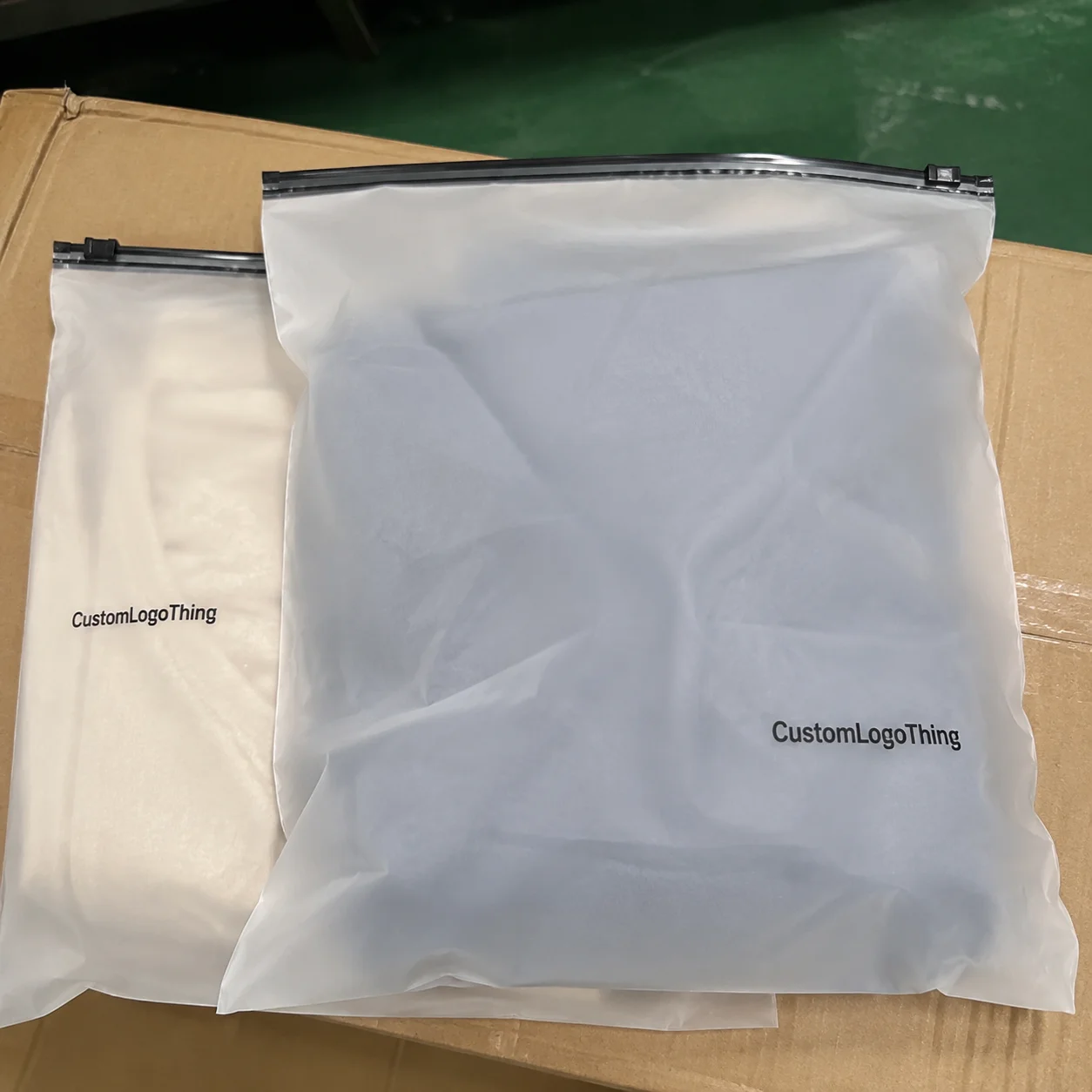
Garment Poly Bags for event teams seasonal buying plan sounds like a narrow topic until the season starts moving. Then it becomes obvious how much is riding on a cheap, ordinary-looking bag. Uniforms, promo tees, volunteer kits, backup sizes, and sponsor items do not arrive in neat little drips. They land together, usually with a deadline attached.
That is where packaging either helps or gets in the way. The wrong film thickness, the wrong size, or the wrong print can slow receiving, force repacking, and create extra freight when a top-up order is needed too late. A better plan is less about chasing the lowest unit price and more about keeping the whole distribution workflow stable through the busy months.
A bag that saves two cents but adds a day of handling is not a saving. It is labor with a nicer invoice.
Why the cheapest carton usually costs more
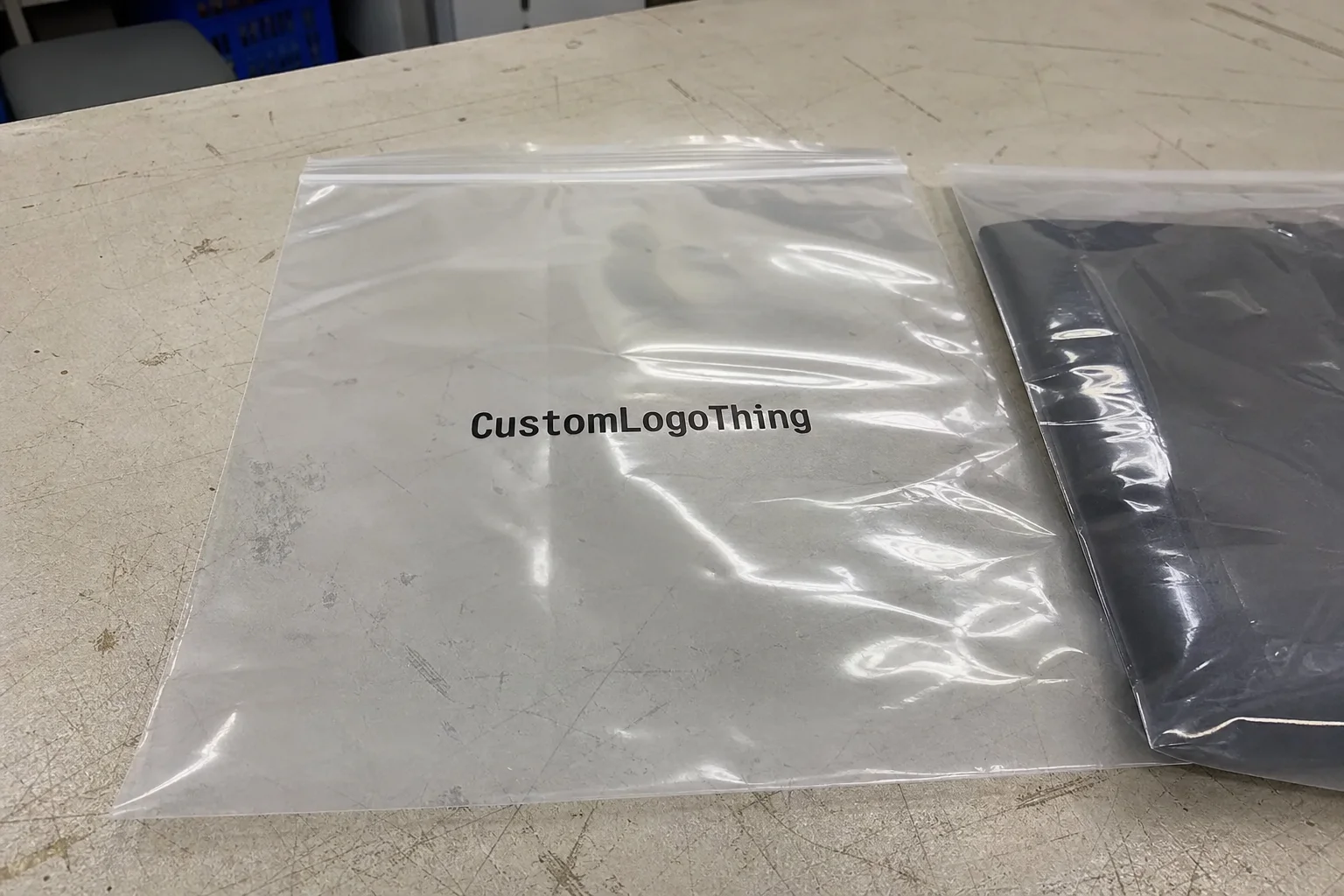
Seasonal event buying is never linear. One week the warehouse is calm. The next week apparel, inserts, and replacement sizes all show up at once. If the bag spec is too light, too small, or too slow to replenish, the “cheap” order starts collecting hidden costs: rush freight, split shipments, extra receiving appointments, and staff time spent opening bags that should have been ready to use.
That is why a Garment Poly Bags for event teams seasonal buying plan should start with volume timing, not with the quoted case price. The better question is not “What is the cheapest carton?” It is “Which spec keeps the team moving without creating work later?”
A stock bag can win on speed and price when the program is simple. A custom printed bag can make sense when sorting errors are expensive or when multiple departments need clear identification. The difference shows up in the landed cost, not the unit price alone. If an order looks great on paper but arrives two days after the first distribution window, it is already too expensive.
The calendar matters too. Custom color runs, print changes, and unusual dimensions take longer than most buyers expect. When the season is still open, there is room to compare options. When the first event is close, there is only room for what can ship on time.
For teams managing apparel plus other packaging, a single source can help keep specs aligned across different products, including Custom Packaging Products and related distribution materials. Not because one vendor is magically superior, but because fewer handoffs usually means fewer mistakes.
What matters in back-of-house storage
Back-of-house storage is where a lot of packaging assumptions break. A bag that looks fine on approval can become cloudy in heat. A seal that seems adequate can split after a pallet gets moved twice. If the bags will sit before use, the material has to survive handling, not just approval photos.
Lay-flat bags are usually the simplest choice for folded tees, polos, and light uniforms. They stack well and load quickly. Gusseted bags work better for hoodies, jackets, and mixed kits because they give the garment room without crushing the fold. Wicketed or perforated formats can save time in high-volume check-in setups. Resealable adhesive flaps make sense when garments may be issued, returned, and re-bagged between events.
Clarity matters more than most people expect. Clear film lets staff verify size, color, and fold quality without opening the bag. Slight tinting can still work if labels do the heavy lifting, but once the film gets too hazy, the visual check is gone. That turns a quick sort into a manual audit.
For seasonal programs, film thickness deserves real attention. As a rough planning range, 0.75 mil to 1.0 mil works for short distribution cycles and lighter handling. 1.25 mil to 1.5 mil gives more margin when bags are moved repeatedly, stored longer, or packed into bins with tight edges. If the bags will travel with kitted cartons, it is worth asking whether the outer shipper has been tested using common distribution methods such as ISTA distribution testing protocols.
One practical point: teams often try to standardize every garment bag size down to the last inch. That usually creates more inventory than it solves. A small set of standard sizes is easier to manage. Too many variants turn a warehouse shelf into a puzzle.
Size, gauge, and print specs that hold up in use
Size mistakes are the fastest way to waste a seasonal order. Buyers often start from garment type instead of the actual folded footprint. That is how a jacket ends up too tight in the bag, the corners snag, and somebody has to refold everything right before load-in.
The better approach is simple: measure the finished fold, then add clearance for labels, easy insertion, and any inserts that ride with the garment. Mixed kits need even more space because a size card, barcode, and folded apparel can compete for the same volume.
| Garment type | Typical folded footprint | Practical bag size | Notes |
|---|---|---|---|
| Tees and light polos | 9 x 12 in. to 10 x 13 in. | 12 x 15 in. or 12 x 16 in. | Good for flat stacking and fast visual checks |
| Hoodies and midweight pullovers | 11 x 14 in. to 12 x 15 in. | 14 x 18 in. or 14 x 20 in. | Use heavier film if bags will be moved repeatedly |
| Light jackets and outerwear | 12 x 16 in. to 14 x 18 in. | 16 x 20 in. or 18 x 24 in. | Gusseted styles usually reduce compression |
| Mixed kits with inserts | Varies by kit contents | Custom size based on the largest folded item | Leave room for barcode labels and paperwork |
Gauge should match the handling environment. Lighter film costs less, but it is easier to snag, tear, or split when it is packed tight in bins. Heavier film adds protection, especially when bags are handled multiple times or palletized for later distribution. The question is not whether heavier is better. The question is whether the extra cost is cheaper than repacking, damage, or replacement freight.
Print should solve a sorting problem. Department names, event dates, sponsor marks, and SKUs can all be useful, but only if the print helps staff move faster. Too much ink makes the bag harder to inspect. In many cases, a clean one-color label on clear film does more work than a full-coverage print with a lot of visual noise.
There are two common failures here. First, bags that are too short for folded sleeves. Second, bags that are so opaque nobody can verify contents without opening them. Both issues sound minor until they hit a busy distribution table.
Material checks should be part of the quote, not an afterthought. Ask for tensile and impact data where available, and use standard references such as ASTM D882 for tensile strength and ASTM D1709 for impact resistance when comparing heavier film options. Those numbers do not tell the whole story, but they help separate a real spec from a guess.
If the packaging plan also includes shipping envelopes for non-apparel items, it can help to keep the procurement structure consistent across products like Custom Poly Mailers. Less variation in ordering logic means fewer errors when the season gets busy.
Pricing, MOQ, and unit cost when seasonal volume shifts
Unit price matters, but it does not decide the deal by itself. Freight, storage, split shipments, and rush production can wipe out a small savings quickly. Buyers should ask for landed cost, not just a clean line-item price that ignores the rest of the trip.
MOQ is a bigger issue than it looks. Event teams often need several bag sizes in one season. A supplier may offer attractive pricing at 10,000 pieces for a single size, but the real requirement might be 3,000 of one size, 2,000 of another, and a small reserve for a third. If MOQ is too high, cash gets tied up in inventory that may never move. If MOQ is too low, the price per unit climbs and the team spends more time reordering.
These pricing bands are useful for planning, not for pretending every spec behaves the same way.
| Option | Typical use | Typical unit cost | Usual lead time after proof approval | Notes |
|---|---|---|---|---|
| Stock clear lay-flat bag | Short distribution runs, simple folding programs | $0.02-$0.06 | 3-5 business days | Best for speed and repeat ordering |
| Stock gusseted bag | Bulkier garments, jackets, mixed kits | $0.04-$0.09 | 3-7 business days | More room, slightly higher material cost |
| Custom printed bag | Department IDs, sponsor marks, event labeling | $0.08-$0.22 | 12-15 business days | Simple one-color print usually prices best |
| Heavy-gauge custom bag | Warehouse storage, repeated handling, kit prep | $0.12-$0.30 | 15-25 business days | Worth it when damage or rework is costly |
The cleanest seasonal model is to split demand into three buckets: base inventory, reserve inventory, and urgent replacement. Base inventory covers confirmed needs. Reserve inventory absorbs additions, spoilage, and size errors. Urgent replacement should sit in a separate budget because it will almost always cost more.
That split also makes the budget easier to defend. If the season runs long or the event calendar changes, the reserve can be deployed without rebuilding the whole purchase order. If the season stays on plan, the base order carries the program and the reserve remains untouched.
Tiered pricing is worth asking for, especially when multiple sizes are in play. Sometimes a larger one-time buy beats several smaller replenishment orders simply because it cuts freight events and receiving touches. Sometimes it does not. The deciding factor is consumption speed and storage stability, not hope.
Lead time and order flow before the calendar clogs
The fastest way to get a useful quote is to send complete information the first time. Final dimensions, film gauge, quantity tiers, print requirements, destination, and the in-hand date all need to be on the table. Leave one of those out and the quote will usually come back with assumptions. Assumptions are where event schedules get hurt.
The proof step is worth real attention. A digital proof is fine for a simple one-color label or a stock bag order. A physical sample becomes more valuable when the garment fold is tight, the dimensions are close, or the team needs to see how a label sits on the film. If the bags are being used for VIP kits or sponsor-facing items, the sample stage can save an expensive correction later.
- Confirm the folded footprint of the largest garment in the kit.
- Choose bag style, gauge, and closure method.
- Send copy, logo files, labels, and any barcode requirements.
- Approve the proof or sample before production starts.
- Build freight and receiving time into the calendar before the first distribution date.
Lead time depends on order type. Stock replenishment is the fastest. Simple custom print usually sits in the middle. Fully custom dimensions, heavier film, or multi-color print can extend the schedule further. A quote that shows only production time is incomplete. The bag does not help anyone if it lands after the warehouse appointment has passed.
Freight planning is part of the job, not an optional extra. If the bags are shipping with cartons of apparel, ask how the outer cartons will be packed to reduce crush and scuff risk. The better approach is to validate the packaging as a system, not as separate pieces that happen to share a truck.
For compressed calendars, the safest move is to place the base order first and leave room for a controlled top-up. That is usually more reliable than trying to predict every last-minute change months ahead of time. Event schedules drift. They always do.
Why one packaging spec set beats five last-minute versions
Buying from one packaging partner is not about convenience. It reduces variation. In event operations, variation is the enemy because every new spec creates another chance for a delay, a mismatch, or a receiving error. One supplier can keep film clarity, print quality, and sizing logic aligned across the season.
It also makes reordering faster. When a supplier already knows the apparel mix, the expected volume swings, and the delivery pattern, the next quote is usually cleaner. That matters when a sponsor adds a late activation or a venue changes the distribution schedule. A partner with the spec history can react faster than a new vendor reading the order from scratch.
There is a quality-control benefit too. Spec retention prevents drift between departments. The volunteer team should not be using a bag that is visibly different from the staff uniform bag unless there is a reason for it. Consistent packaging supports consistent sorting, and consistent sorting lowers the chance of a mis-pick.
The best programs keep the purchasing conversation simple. If the same account handles garment bags, insert bags, and other apparel packaging, the team can compare options without rebuilding the supplier list every season. That makes spec approval, repeat ordering, and inventory forecasting easier to manage.
Reliability is the real value here. Fewer handoffs mean fewer opportunities for a typo, a wrong gauge, or a missed ship date. In event work, that matters more than a slightly lower line price from a one-off quote.
How to lock the seasonal order
The cleanest seasonal plan starts with a stock audit. Count what is already on the shelf, identify what sizes move fastest, and separate must-have inventory from backup inventory. If the shelf mix is messy, fix the count before buying anything else. Bad inventory data turns into bad purchasing fast.
Next, map projected garment volume by event type. A conference week does not behave like a volunteer-heavy outdoor activation. One may need more small and medium bags. The other may skew larger because of jackets and layered apparel. Use prior consumption by event type, not just annual totals, to estimate the next order.
Then send one complete quote request. Include the bag size mix, film thickness, print requirements, quantity tiers, destination, and delivery window. That lets the supplier price the actual plan instead of a guessed version of it. It also makes the comparison between stock, custom, and heavy-duty options much cleaner.
After that, set a reorder trigger based on upcoming event volume, not just warehouse balance. A bag count can look healthy right up until the busiest week hits. A trigger tied to actual use is more dependable and keeps the team out of rush-buy mode.
For teams building a Garment Poly Bags for event teams seasonal buying plan, the sequence is straightforward: confirm the spec, approve the proof, place the base order, and schedule a top-up review before peak weeks begin. That protects budget, protects labor, and keeps the distribution table from becoming a repacking station.
Frequently Asked Questions
What size garment poly bags work best for event teams with mixed apparel?
Pick sizes from the folded footprint of the largest item in the kit, not from the apparel category name. One or two standardized sizes is usually enough for most teams, and that keeps reorder planning manageable. Leave room for labels, inserts, and easy loading so the film does not need to stretch to do its job.
How should event teams estimate seasonal usage without overbuying?
Start with confirmed headcount, then add a reserve for last-minute additions and replacements. Separate base usage from peak-week usage so top-up quantity is easier to forecast. Prior season consumption by event type is more useful than a single annual total because demand is rarely flat across the calendar.
What MOQ should I expect for custom garment poly bags for events?
MOQ depends on film type, size, and print complexity, so the exact spec sheet matters. Larger runs usually improve unit pricing, but they only make sense if the bags will be consumed within the season. Ask for tiered pricing so you can compare one larger run against multiple replenishment orders.
How early should we place a seasonal order to protect lead time?
Start the quote process before the event calendar fills, especially if custom print or multiple sizes are involved. Build in time for proof review, production, freight, and receiving at the warehouse or venue. If the season is compressed, place the base quantity first and leave room for a controlled top-up.
Can garment poly bags be printed for sponsor or department labeling?
Yes. Printed bags can carry department names, sponsor marks, event names, or simple SKU identifiers. Keep the print simple if turnaround matters, because fewer colors and less coverage usually reduce production risk. Use print only where it improves sorting or check-in speed. Overprinting adds cost fast and rarely helps the workflow.