Get Matte Zipper Bags Unit Material Comparison Guide
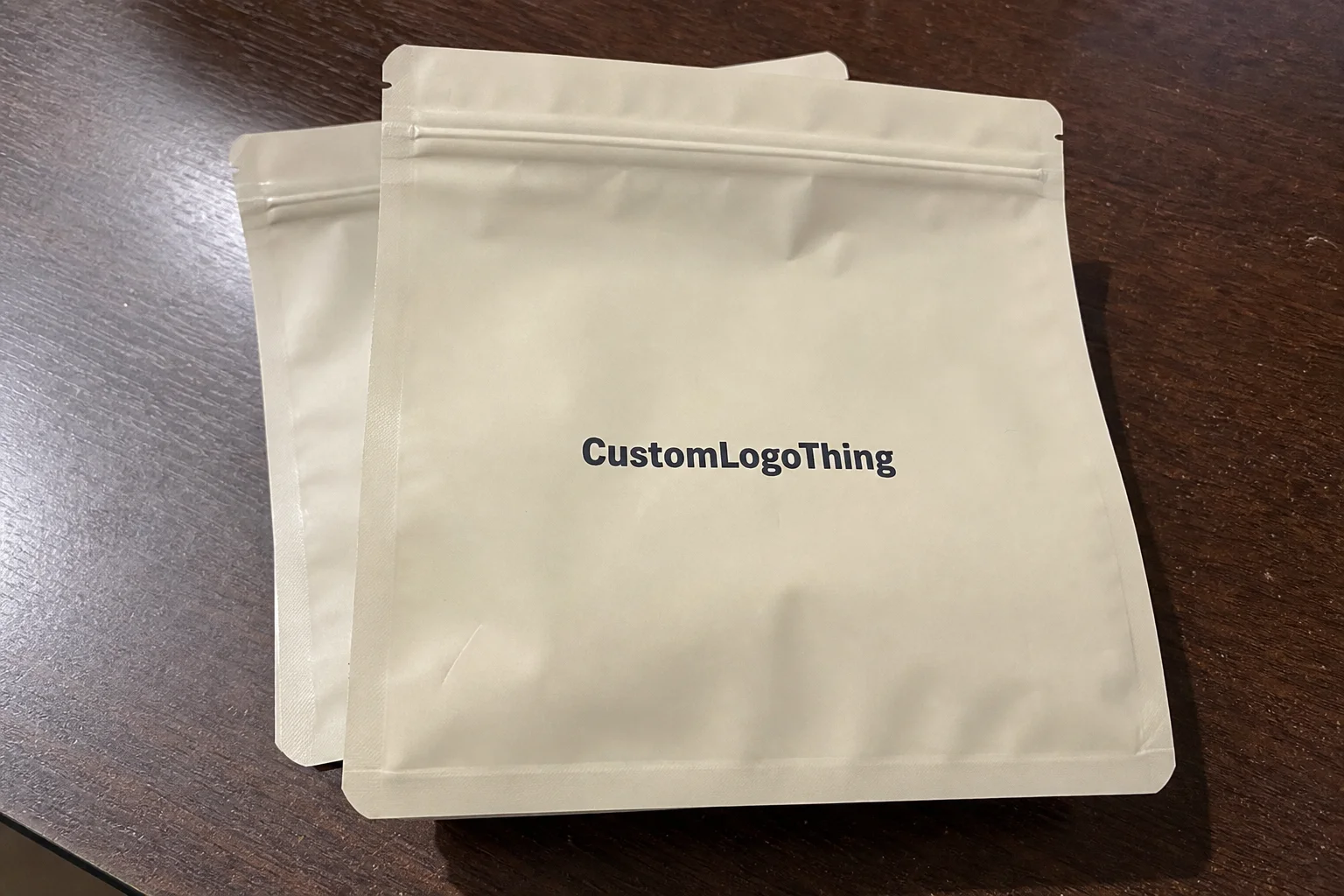
Two Matte Zipper Bags can look nearly identical on a sample table. One scuffs during case packing. One seals poorly near the zipper corners. One costs several cents more per unit once film, finish, gauge, zipper, print method, packing count, and freight are specified properly.
That is the point of a Get Matte Zipper Bags Unit material comparison guide: compare the finished bag as a working package, not as a nice-looking surface. Pretty samples are useful. They are not a specification.
A matte zipper bag is usually a resealable flexible pouch or bag with a soft, low-glare exterior. You see it in dry foods, supplements, apparel accessories, cosmetics, small hardware kits, craft refills, product samples, and retail refill packs. The zipper gives repeat access. The matte finish gives the pack a quieter shelf presence than high-gloss film.
The word unit matters. A quote is shaped by finished size, film structure, total thickness, zipper track, gusset style, print process, carton packing, inspection expectations, and shipping method. A 6 x 9 inch flat zipper bag and a 6 x 9 inch stand-up pouch are not the same buying decision. They use film differently, fill differently, ship differently, and present differently once product is inside.
Most buying mistakes start the same way: the buyer compares appearance first and structure later. Backwards. Start with the product. What is the fill weight? Is it oily, dusty, aromatic, sharp-edged, fragile, moisture-sensitive, or light-sensitive? How long should it sit before purchase? Will the customer open it once or reclose it twenty times?
Once those answers are clear, the material choice gets a lot less mysterious.
How Matte Zipper Bag Materials Actually Work
Most custom matte zipper bags are not made from one simple sheet of plastic. They are usually laminated film structures, with two or more layers bonded together so each layer does a job. One layer supports print. One adds stiffness or heat resistance. One seals. Another may slow oxygen, moisture vapor, aroma loss, grease migration, or light exposure.
Basic material language helps. PE, or polyethylene, is flexible and heat-seals well, so it is common on the inside of zipper bags. PP and BOPP can add clarity, crisp print, and a snappier hand-feel. PET adds strength, dimensional stability, and better heat resistance during converting. Metallized films and aluminum foil layers increase barrier, especially for coffee, spices, powdered mixes, and aroma-heavy goods.
Matte appearance can be made several ways. The outer web may be a matte film. A matte varnish may be printed over the graphics. A matte coating may be applied during finishing. Soft-touch effects are another option; they feel velvety, but they can show fingerprints, rub marks, or carton scuffing differently than standard matte film. The spec should say how the matte effect is created, not just “matte.” That single word covers too much.
Matte also changes print behavior. Dense black can look rich or slightly smoky, depending on ink laydown and coating. Bright colors may lose some pop. Metallic effects often look more restrained. Fine text, especially reversed white text on dark panels, needs careful proofing at actual size. A design that looks sharp on a backlit screen can get muddy fast on a low-glare surface. Shocking, I know. Screens lie.
The zipper is its own performance part. It is commonly PE-based and must bond properly into the bag during converting. Track strength, alignment, opening force, reseal feel, and zipper position affect the customer experience. A zipper that is too tight feels secure once, then irritating. A zipper that is too loose makes the whole pack feel cheap, even if the film structure is excellent.
Practical rule: choose the film structure around the product first, then choose the matte finish that supports the brand. Reverse the order and you usually get either an overbuilt pouch or a beautiful bag that does not protect what is inside.
Use case makes the structure easier to judge. A dry snack may need strong moisture protection. Coffee may need oxygen, aroma, and sometimes light control. Apparel packaging may prioritize hand-feel, shelf presentation, and carton efficiency. Cosmetics may need a premium finish, clean print, and resistance to powders or oils rubbing near the seals.
Key Material Factors to Compare Before Ordering
Film thickness is the easiest spec to see, which is why people over-focus on it. Thicker is not automatically better. A 3 mil bag may be right for lightweight apparel accessories or sample kits. A 4 to 5 mil pouch may suit heavier dry goods or sharper contents. Stand-up pouch structures often land around 90 to 160 microns, depending on format, barrier level, gusset design, and product weight.
The best gauge protects the product, runs cleanly through packing, and feels right in the customer’s hand. Too light and the bag wrinkles, punctures, or feels flimsy. Too heavy and it may cost more, pack poorly, or feel stiff in a way that does not match the product.
Barrier performance should be split into separate questions. Do you need oxygen resistance? Moisture vapor resistance? Aroma retention? Grease resistance? Light protection? A protein powder has different needs than a sticker refill kit. A roasted coffee sample has different needs than a cotton accessory packed in a resealable matte bag. Overbuying barrier adds cost. Underbuying barrier leads to stale product, odor loss, clumping, seepage, or returns.
Seal strength deserves the same attention as barrier. The inner layer must heat-seal cleanly around side seams, the bottom gusset if present, and the zipper area. Weak spots near the zipper are common because more material bulk gathers there. Poor heat-seal compatibility can show up as tunneling, edge curl, warping, or a pouch that looks fine empty but fails after filling and transit vibration.
Stiffness versus flexibility should be compared with filled samples, not empty swatches. A stiffer pouch may stand better and feel more premium on shelf. A more flexible bag may pack tighter in cartons and work better for soft goods, refill programs, or mailer shipments. If the bag later ships inside corrugated cases, carton fit and compression behavior belong in the sample review. Not after the first pallet shows up.
Print compatibility changes with matte surfaces. Fine reversed text, light gray copy, gradients, dark solids, and photography should be proofed carefully. If metallic effects are planned, ask whether the matte finish will mute the shine. If labels are applied to stock matte bags, test label adhesion. Some low-energy matte surfaces need different adhesives, especially if bags will face cold storage, oily handling, or long warehouse time.
Compliance should be confirmed before production. For food, supplements, or anything touching the product directly, request food-contact documentation for the intended structure. For sustainability claims, be specific. Multilayer laminates can perform beautifully but may be hard to recycle through standard streams. The EPA recycling guidance is useful background for understanding why “recyclable,” “recycled-content,” “compostable,” and “biodegradable” cannot be tossed around as interchangeable labels.
Pricing, MOQ, and Unit Cost Tradeoffs
Unit cost is built from more than the bag. Film structure, zipper type, print setup, ink coverage, matte coating, waste allowance, production setup, packing method, freight terms, and order quantity all feed into the final quote. If two suppliers quote different assumptions, the lower number may not be cheaper. It may just be less complete.
For planning, custom Printed Matte Zipper Bags often fall in broad ranges such as $0.18 to $0.45 per unit for moderate-size runs. Small runs, specialty finishes, or high-barrier structures can land higher. Large stand-up pouches with premium print, foil or metallized barrier, valves, hang holes, or complex gussets can move well past that range. Stock matte bags with labels may reduce setup cost, but they limit control over size, barrier, finish, and brand presentation.
| Option | Typical Use | Common Material Direction | Relative Unit Cost | Buyer Watchout |
|---|---|---|---|---|
| Low-barrier matte zipper bag | Apparel accessories, samples, dry non-food items | PE, PP, or simple laminated film | Lower | May not protect aroma, moisture-sensitive, or oily products |
| Mid-barrier matte pouch | Snacks, powders, supplements, refills | PET/PE, BOPP/PE, or similar laminate | Medium | Confirm seal strength and shelf-life needs before scaling |
| High-barrier matte pouch | Coffee, spices, aroma-heavy goods, premium food | Metallized film, foil layer, or high-barrier laminate | Higher | Better protection can reduce spoilage, but recyclability may be limited |
MOQ depends on the level of customization. Fully custom printed matte zipper bags usually need enough volume to justify setup, material sourcing, print preparation, and production waste. For many projects, that means several thousand units rather than a few hundred. Low-MOQ paths may include stock matte pouches, labels, limited digital print, kraft paper-look pouches, or a narrow range of existing sizes.
Those shortcuts are not bad. They are tradeoffs. A launch brand may choose labels on stock matte bags to avoid tying up cash in inventory. A food brand with strict shelf-life requirements may need a custom structure from the start. The right decision depends on risk, budget, and how much control the package needs.
Size has a quiet effect on cost. Add half an inch to width or height and you may increase film use, carton cube, freight cost, warehouse space, and the number of master cartons. A bag that looks only slightly larger on screen can become meaningfully more expensive across 10,000 units.
Ask for tiered pricing. A practical request might compare 2,500, 5,000, and 10,000 units, or a launch quantity, reorder quantity, and growth quantity. Unit cost usually improves as setup spreads across more bags, but cash flow and storage still matter. The cheapest unit price is not always the smartest first buy. Sometimes it is just a very efficient way to own too much packaging.
Process and Timeline from Sample to Production
A clean buying process follows a steady order: define product needs, choose the bag format, confirm finished size, compare material structures, select zipper and matte finish, submit artwork, review proof, approve sample or production proof, manufacture, inspect, pack, and ship. Skipping steps can feel faster until the correction cycle starts.
Different samples answer different questions. A digital mockup shows graphic placement, not hand-feel. A blank physical sample shows size, zipper feel, gusset stance, and fill volume, not final print color. A printed proof helps with color and finish, though it may not be produced on the exact final line. A pre-production sample is closer to the finished unit, but it adds time and may add cost.
Timelines vary because the moving parts are real. Material availability, artwork revisions, print method, zipper inventory, matte coating complexity, production queue, inspection schedule, and freight mode all affect the calendar. A reorder can move faster than a first-time custom structure. A new high-barrier matte pouch with special print effects needs more review.
As a planning range, simple custom printed runs may need roughly 12 to 20 business days after proof approval. More involved laminated pouch projects can take several weeks before shipping, especially with a custom film structure, specialty zipper, or pre-production sample. Freight may add a few days by express service or several weeks by ocean. These are planning ranges, not promises carved into stone.
Matte surfaces deserve careful proofing. Colors can look more muted than on glossy film, and heavy ink coverage can change the perceived texture of the pack. Dense black, deep blue, metallic accents, warm neutrals, and fine type should be reviewed at actual size. If the product will sit under bright retail lighting, check a filled sample under similar light before approving the run.
- Dieline: confirms size, zipper placement, gusset, hang hole, tear notch, and safe print zones.
- Artwork file: should include vector logos, outlined fonts, proper bleed, and color references.
- Material spec: lists structure, thickness, matte finish, zipper type, and compliance notes.
- Proof approval: records the exact version approved for production.
- Packing details: confirm units per inner pack, units per carton, carton markings, and ship-to instructions.
Inspection should be more specific than “looks good.” Check finished dimensions, zipper alignment, seal width, seal integrity, print registration, color consistency, scuffing, odor, carton count, and packaging cleanliness. For food or supplement packs, keep documentation tied to the actual film structure quoted and produced.
For distribution testing, especially if cartons will be stacked, dropped, or shipped through parcel networks, buyers can review protocols from ISTA. Flexible packaging is often judged by shelf appearance, but the shipping path can be just as rough on the finished unit.
Step-by-Step Material Comparison Method
The best comparison starts with the product, not the bag. Write down fill weight, texture, oil content, aroma strength, moisture sensitivity, shelf-life target, fill temperature, and shipping conditions. A 3 ounce snack, a 12 ounce powder, and a small apparel accessory may all use matte zipper bags. They should not be specified the same way.
Next, separate must-have performance from nice-to-have upgrades. Moisture protection may be mandatory for a crisp snack. Aroma retention may be mandatory for coffee. A soft-touch finish may be desirable for a premium cosmetic sample, but it may not justify a higher unit cost for a short promotion. That distinction keeps the quote practical.
Then shortlist two or three material structures. Compare thickness, barrier level, stiffness, heat-seal performance, zipper feel, print appearance, recyclability considerations, estimated unit cost, and lead time. A material comparison guide works best as a side-by-side worksheet, not a single quote floating in an inbox.
- Confirm finished size with real fill volume, not only flat artwork dimensions.
- Choose the barrier level based on product risk: moisture, oxygen, aroma, grease, light, or puncture.
- Compare at least two film structures and one alternate finish if budget allows.
- Fill samples with real product and leave them packed for several days.
- Open and reclose the zipper repeatedly to judge track feel and alignment.
- Check scuffing, shelf stance, odor transfer, label adhesion, and carton fit.
Before approving the quote, lock down production details. Confirm finished size tolerance, zipper placement, tear notch location, hang hole diameter if needed, bottom gusset depth, carton pack count, food-contact documentation, and special labeling requirements. If the bag uses recycled content, post-consumer waste claims, or an FSC certified paper-based component such as a header card, documentation should support the exact claim. Flexible plastic laminates and paper claims should not be blended into vague sustainability language.
The decision rule is simple: choose the lowest-cost structure that reliably protects the product, supports the brand presentation, runs cleanly in packing, and gives the customer a satisfying open-and-close experience. Anything beyond that needs a reason.
Common Mistakes When Choosing Matte Zipper Bags
The first mistake is choosing a matte bag because it looks premium in photos. Photos rarely show seal strength, zipper alignment, corner durability, or how the surface handles friction during filling and shipping. A sample rubbed against other bags in a carton tells you more than a perfect studio image.
The second mistake is over-specifying barrier. Not every product needs foil or metallized film. If the product is not oxygen-sensitive, aroma-heavy, greasy, or moisture-sensitive, a high-barrier laminate may raise cost and complicate recycling discussions without improving customer experience.
The third mistake is under-specifying the bag. Aromatic products can lose character. Oily products can challenge seals. Sharp-edged contents can puncture lighter films. Moisture-sensitive powders can clump. A cheaper unit becomes expensive quickly if it creates returns, repacking, spoilage, or customer complaints.
Artwork errors are common on matte packaging. Fine reversed text can fill in. Low-contrast color combinations can look dull. Heavy ink coverage near seals can create converting risk. Colors that matched a glossy package may look flatter on matte film. If a brand uses kraft paper textures or natural-color graphics, proofing is especially useful because warm neutrals can shift under matte varnish.
Zipper placement deserves more attention than it usually gets. A zipper too close to the fill line can make packing harder. Too little header space can make the bag awkward to open. A track with high opening force may feel secure, then become annoying with repeated use. Zipper performance should be measured alongside film and finish, not treated as a minor accessory.
Do not skip physical sampling. A spec sheet cannot fully show hand-feel, scuff behavior, zipper sound, shelf stance, or how the pack feels when filled. If the product ships through parcel networks, place filled samples in the intended shipper or corrugated carton and handle them roughly enough to learn something useful.
Another quiet mistake: approving the empty bag and forgetting the filled shape. Powders settle. Snacks trap air. Soft goods bulge in odd places. Small hardware can collect in corners and stress the seals. The finished unit is the filled unit. Judge that version.
Actionable Next Steps Before You Request a Quote
Before requesting pricing, gather the information that affects the finished unit: product type, target fill weight or volume, preferred finished size, desired matte look, required barrier, zipper preference, print quantity, artwork status, launch date, shipping destination, and compliance needs. If food contact is involved, say that early. If the bag must hang on a peg, stand on a shelf, or fit inside a mailer, include that too.
Send photos or physical examples of bags you like, but treat them as references. Point out the finish, stiffness, zipper feel, gusset style, shelf presence, or proportions you prefer. Do not copy another brand’s artwork, trade dress, or protected design elements. A capable supplier can translate functional preferences into a structure that fits your product and budget.
Ask for two or three material options instead of one quote. A useful request might ask for a budget structure, recommended structure, and premium barrier structure. Each option should show MOQ, unit cost, lead time, thickness, zipper type, print method, matte finish, packing count, and freight assumptions. That format makes the tradeoffs visible.
Request samples close to the final structure, then fill them with real product. Check how the zipper closes after powder dust, crumbs, fabric fibers, or oily residue touch the track. Look at the matte surface after handling. Put filled units in cartons. Leave them for a short trial period. Small tests prevent large surprises.
A tighter quote comes from tighter inputs. Define the product, identify must-have protection, compare material structures, test realistic samples, and ask for MOQ, timeline, and unit cost by option. The best matte zipper bag is not the fanciest one. It is the one that protects the product, survives the supply chain, looks right, and makes financial sense per finished unit.
FAQ
What should I compare first in a matte zipper bags material guide?
Start with the product’s protection needs: moisture, oxygen, aroma, puncture risk, fill weight, and shelf life. After that, compare film thickness, laminate structure, zipper quality, matte finish method, print compatibility, and unit cost. Appearance matters, but it should not lead the decision.
How does material choice affect the unit cost of matte zipper bags?
Higher-barrier laminates, thicker films, specialty matte coatings, complex print coverage, and premium zipper tracks usually increase unit cost. Larger quantities can reduce unit cost because setup and production waste spread across more bags. Compare quotes using the same size, structure, thickness, zipper, print method, packing count, and freight terms.
Are matte zipper bags good for food products?
They can be suitable for food when the selected material structure is food-contact appropriate and matched to the product’s barrier needs. Dry snacks, powders, coffee, candy, and supplements may all need different oxygen, moisture, aroma, or light protection. Buyers should request food-contact documentation and test filled samples before approving full production.
What is the usual lead time for custom matte zipper bags?
Lead time depends on material availability, artwork approval, print method, matte finish, zipper specification, production queue, inspection, and shipping method. Simple custom printed runs may take roughly 12 to 20 business days after proof approval, while more complex laminated pouch projects can take several weeks before shipping.
Can I get matte zipper bags with a low MOQ?
Low-MOQ options may be possible with stock matte bags, labels, simple digital printing, or limited sizes and materials. Fully custom printed matte zipper bags often require higher MOQs because setup, film sourcing, and production waste must be covered. Ask for tiered pricing so you can compare a launch quantity against a more economical reorder quantity.


