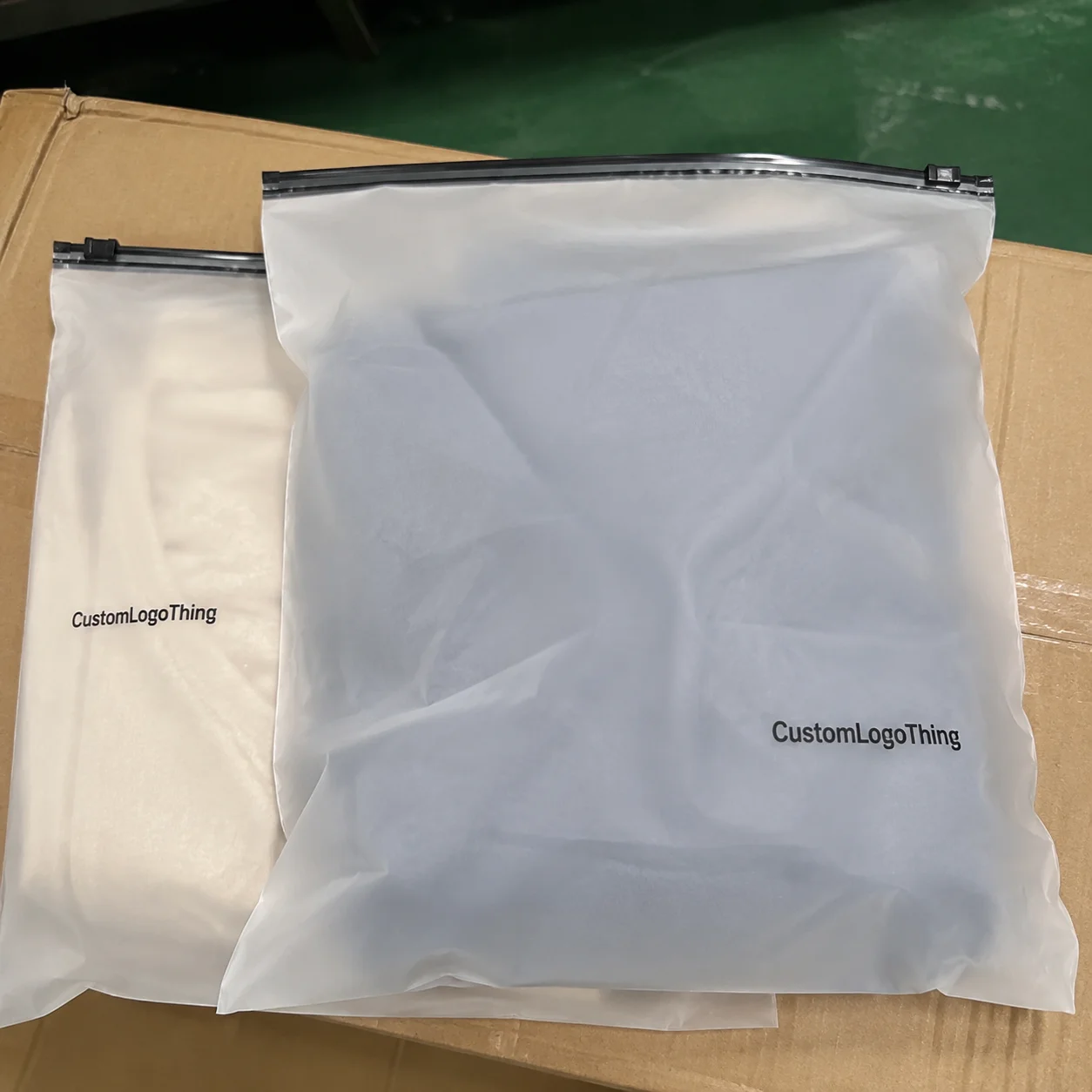
Get Matte Zipper Bags Unit MOQ Pricing Plan Before You Order
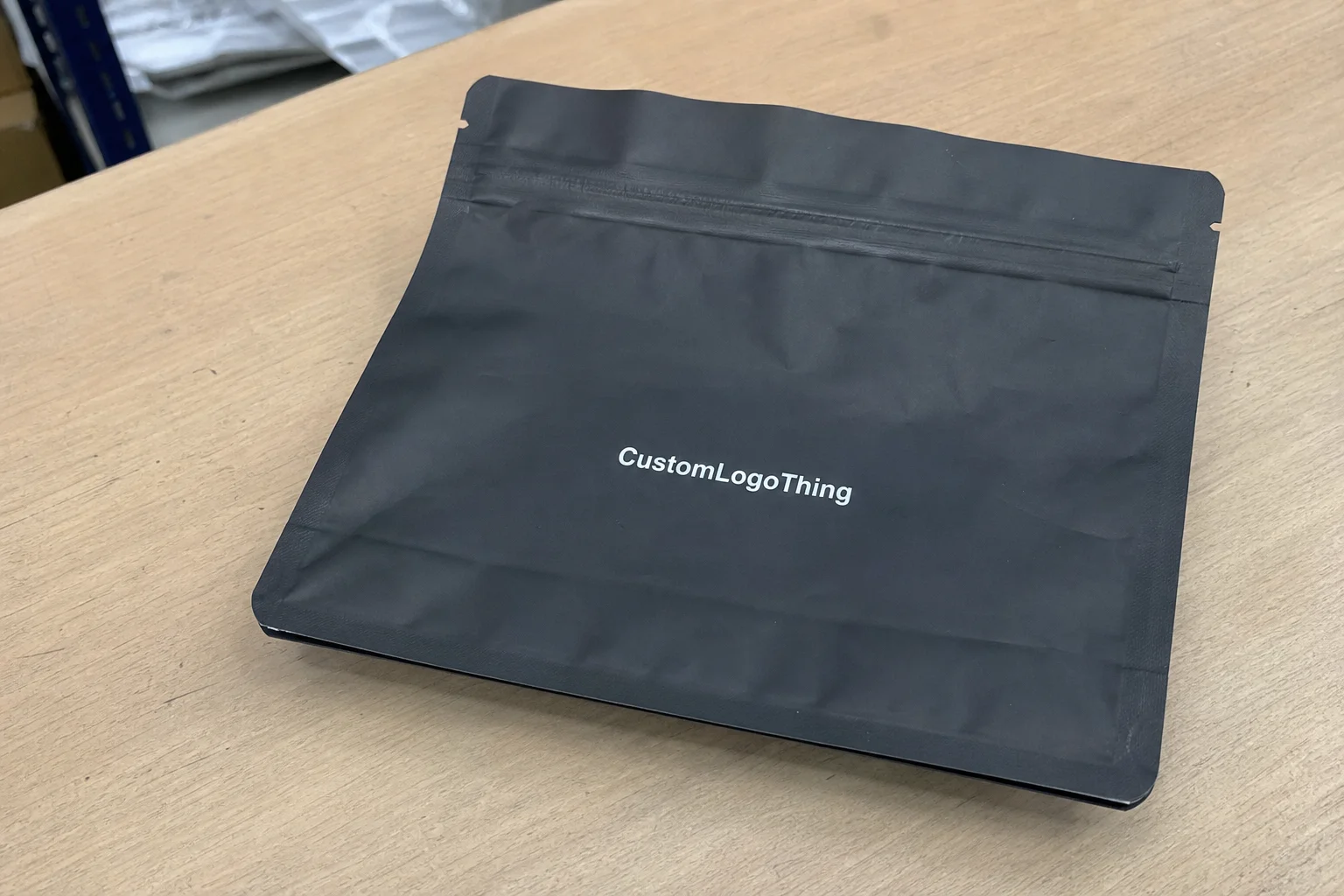
Two Matte Zipper Bags can look almost identical in a product mockup. One may be a thin PE bag with a basic press zipper. The other may use a PET/PE laminate, stronger seals, better moisture resistance, cleaner print registration, and a zipper track that survives real use. If you want to Get Matte Zipper bags unit MOQ Pricing Plan details before production, those differences decide the price.
Matte zipper bags are popular because they handle three jobs at once: they present well, reseal after opening, and pack flat before filling. Empty flexible bags usually take less warehouse space than rigid jars, tins, or cartons. They can also reduce inbound freight volume. That does not make every pouch cheap. It means the landed cost can be attractive once storage, packing efficiency, and fulfillment handling are included.
The category fits snacks, supplements, cosmetics, apparel accessories, craft supplies, hardware kits, bath products, and regulated-adjacent retail items where shelf appearance and reseal function both matter. A muted matte finish can make a simple logo look sharper. A weak zipper can kill that impression immediately. Customers notice closures. They may not know the film structure, but they know when a bag will not close.
Good quoting starts with real variables: size, film, thickness, finish, zipper style, print coverage, quantity, number of SKUs, delivery destination, and schedule. Custom Logo Things prices custom matte zipper bags from those details, not from a generic catalog guess. That is the only practical way to compare MOQ, unit Cost, and Production options without accidentally comparing three different bags.
Matte Zipper Bag Product Details That Affect Performance
A matte zipper bag is a flexible pouch or flat bag with a non-gloss surface and a resealable closure. The zipper usually sits below the top seal or header area, so the customer can tear open the bag, use part of the product, and close it again. Simple concept. Plenty of ways to get it wrong.
Common formats include stand-up pouches, three-side seal zipper bags, flat zipper bags, bottom-gusset bags, and hang-hole retail zipper bags. Stand-up pouches are common for products from small sample fills up to larger retail weights, depending on density and gusset size. Flat zipper bags work well for samples, small kits, apparel trims, lightweight accessories, and items that do not need shelf-standing structure. Hang-hole versions need enough header strength to survive peg display without tearing at the slot.
Matte finish is not the same thing as barrier performance. A surface coating changes appearance and hand feel. The film structure controls stiffness, puncture resistance, oxygen transmission, moisture vapor transmission, and heat-seal strength. A matte bag can look expensive and still protect poorly if the laminate is wrong for the product.
Zipper selection matters too. Standard press-to-close zippers suit many dry goods and accessories. Powder-resistant zippers are better for protein powders, drink mixes, bath salts, and other fine products that can collect in the track. Child-resistant zippers may be required for sensitive or regulated categories. Heavy-duty tracks make sense for larger fills, repeated opening, or products that push against the closure during shipping.
The product should drive the specification. Coffee samples, granola, dried fruit, pet treats, bath salts, cosmetic refills, craft supplies, screws, apparel hardware, and small retail kits do not stress a bag in the same way. Before quoting, confirm fill weight, texture, oil content, sharp edges, shelf-life target, shipping environment, filling process, and whether the bag must stand upright on a shelf.
Buyer reality: a matte zipper bag is not one product. It is a format, finish, film structure, zipper, print method, and packing plan working together.
Specifications Buyers Should Confirm Before Quoting
Accurate quotes start with dimensions. Confirm width, height, bottom gusset if used, usable fill area, zipper placement, tear notch location, and header space. A 6 in × 9 in stand-up pouch with a 3 in gusset is not priced like a flat 6 in × 9 in zipper bag. Same front dimensions. Different construction, film use, packing behavior, and cost.
Thickness is usually discussed in mils or microns. One mil equals 25.4 microns. Many retail zipper bags sit around 3 mil to 6 mil total thickness, but that range is only a starting point. Heavier is not automatically better. A thick film that does not match the filling temperature, fold pattern, or seal design can cost more without improving shelf life.
Material options include PE, PET/PE laminates, metallized film structures, kraft-look laminates with plastic barrier layers, clear windows, and recyclable-ready mono-material options where feasible. PET/PE laminates are common because PET supports print quality and stiffness while PE supports sealing. Metallized structures can improve light and barrier performance for certain foods, powders, and aroma-sensitive products. Kraft-look pouches give a natural retail appearance, but the paper look does not prove anything about barrier. Ask what the actual structure is.
Finish and decoration choices include full matte, soft-touch matte, matte with spot gloss, clear window panels, transparent backs, metallic ink, white ink base layers, and edge-to-edge printing. White ink is easy to overlook. On clear or metallized films, it controls opacity and color brightness. Without a proper white layer, brand colors can look weak, muddy, or shifted by the product behind the film.
Print method affects MOQ and unit cost. Digital print often suits smaller custom runs, frequent artwork changes, test launches, or multi-SKU projects because setup costs are usually lower and plates are not required. Plate-based printing, such as flexographic or rotogravure production, can make more sense at higher quantities because tooling costs are spread across more bags. Cheaper per piece, but less forgiving if artwork changes after approval.
- Functional add-ons: tear notches, hang holes, euro slots, rounded corners, coffee valves, degassing features, tamper-evident details, and reseal testing.
- Artwork controls: dielines, bleed, safe zones, seal zones, fold lines, barcode placement, nutrition panels, QR codes, and compliance copy.
- Testing references: transport testing may follow guidance from ISTA, while material and packaging test methods may reference ASTM procedures where appropriate.
Request a dieline or production template before final artwork submission. It keeps logos away from zipper interference, holds barcodes off curved or sealed areas, and prevents required text from drifting into heat-seal zones. For regulated labels, that single step can save days of revision work.
MOQ, Pricing, and Unit Cost Variables for Matte Bags
MOQ is shaped by bag size, print method, material availability, number of SKUs, color coverage, zipper type, and whether the order uses standard tooling or custom construction. A standard-size digitally printed pouch may support a lower entry quantity. A custom laminated matte pouch with multiple SKUs, specialty zipper tracks, and full-coverage print usually needs a higher minimum.
Pricing only means something when the assumptions match. Same structure. Same thickness. Same zipper. Same finish. Same delivery term. Otherwise, the lowest number in a spreadsheet may simply be a cheaper bag wearing a similar mockup. Packaging quotes are great at hiding that little trap.
Practical cost drivers include raw film, lamination, zipper components, printing setup, ink coverage, finishing, quality checks, packing, freight, and any special compliance requirements. Setup charges and tooling fees are fixed or semi-fixed costs. Small runs carry those costs across fewer bags, so the unit cost rises. Larger runs spread the setup burden, but they require more cash, more storage, and more confidence that the artwork will stay valid.
| Order Scenario | Typical Fit | Pricing Impact | Buyer Watchpoint |
|---|---|---|---|
| Lower MOQ digital run | Test launches, seasonal SKUs, small batches | Higher unit cost, lower setup burden | Confirm color tolerance and reorder consistency |
| Mid-volume custom run | Growing retail products with stable artwork | Better bulk pricing and steadier unit cost | Check carton quantity and storage space |
| High-volume plate-based run | Established SKUs with repeat demand | Lower cost per piece after setup is spread out | Account for tooling fees and artwork lock-in |
| Multi-SKU split order | Flavor, scent, color, or product-line variations | Can raise proofing and setup complexity | Keep size and structure consistent where possible |
Actual price ranges depend on structure, size, quantity, printing route, and freight. A small digitally printed custom pouch may land at a higher test-run unit cost, while a repeat order at several times the quantity may drop enough to justify carrying inventory. That decision should be tied to sell-through speed. Packaging that sits for six months is not a bargain; it is cash wearing a matte finish.
The lowest unit price can also create waste. If a high MOQ forces excess inventory, money gets tied up in bags instead of product, ads, replenishment, or payroll. Then ingredients change. A barcode changes. A compliance line moves. A promotional claim expires. Suddenly the cheap order is not cheap.
A better purchasing plan compares two or three quantity levels. Buyers can see the entry MOQ, the next price break, and the bulk option side by side. Custom Logo Things can quote matte zipper bag orders this way so the decision reflects real tradeoffs: unit cost, cash outlay, storage, reorder timing, and risk.
Process, Timeline, and Lead Time From Quote to Delivery
The buying process is usually straightforward: inquiry, spec confirmation, artwork review, quote approval, sample or proof approval, production scheduling, printing, converting, quality control, packing, and shipment. Skipping one step rarely saves time. It usually moves the problem later, where errors cost more.
Timeline depends on artwork readiness, material selection, order size, print method, sampling needs, and whether the bag uses existing dimensions or custom tooling. Digital proofs can move quickly because they confirm layout, copy, logo placement, and general appearance. Blank physical samples help check size, feel, stiffness, zipper function, and product fit. Pre-production samples are more specific and may be needed when structure, barrier, or retail presentation carries higher risk.
Keep proof types separate. A digital proof is not a shelf-life test. A blank sample is not a color approval. A pre-production sample is not the same as full production. Each one answers a different question, and pretending otherwise is how bad orders happen.
Common delays are painfully predictable: missing dielines, low-resolution logos, unclear material requirements, late barcode changes, conflicting compliance copy, and unconfirmed shipping addresses. Vector artwork helps. So does a written specification sheet listing dimensions, quantity, number of designs, zipper type, finish, and target deadline.
Quality-control checks should match the product risk. Typical checks may include dimensions, print alignment, color tolerance, seal integrity, zipper engagement, tear notch position, surface scuffing, carton count, and packing condition. For products sensitive to moisture, oxygen, odor, or light, confirm the intended film structure before treating the bag as shelf-life protection. Packaging cannot fix a product requirement nobody disclosed.
To shorten turnaround without gambling on quality, approve specs in writing, consolidate SKUs, use standard sizes where possible, send vector artwork, and confirm carton labeling needs early. If the order is tied to a retail delivery, subscription-box drop, trade show, or seasonal inventory window, say so during the quote stage. Production planning runs on dates and details, not optimism.
Useful checkpoints include quote review, artwork lock, material booking, production slot, QC release, and tracking information. Custom Logo Things provides timeline visibility early so buyers can compare pricing against schedule pressure before placing the order.
Common Ordering Mistakes That Raise Bag Costs
The first mistake is quoting before the fill weight and product dimensions are known. A bag can look right on a screen and still fail during filling, sealing, packing, or retail display. Product density matters. A 250 g powder and a 250 g snack mix may need very different gusset space.
Another mistake is choosing matte finish only for appearance. Matte surfaces can scuff if the coating, ink system, or carton packing is poorly matched to the shipping route. Ask about surface durability, ink rub resistance, and carton packing method. Long freight moves can create more abrasion than buyers expect, especially when bags shift inside loose cartons.
Too many SKUs at low quantity also raise the unit cost. Splitting one order across eight flavors, colors, or scents may push each design below efficient production levels. If the bag size and structure stay consistent, the order is easier to manage. If every SKU changes size, window shape, finish, and copy, setup work multiplies. So does the chance of proofing errors.
- Artwork errors: low-resolution images, missing bleed, unoutlined fonts, RGB colors, and barcodes placed on curved or sealed areas.
- Over-specification: excessive thickness, unnecessary barrier layers, or premium zipper styles that the product does not require.
- Under-specification: weak seals, poor puncture resistance, insufficient moisture control, or zipper failure that creates returns.
- Quote gaps: missing ship-to location, unclear delivery term, unknown carton quantity, or no deadline.
Sustainability claims need discipline. Recyclable-ready film structures may be possible in some cases, but availability, performance, and local recycling acceptance vary. Do not put recyclability language on packaging just because the bag looks simple. Check current guidance from the EPA and avoid claims the package cannot support.
A short pre-quote checklist prevents most cost creep. Confirm fill weight, target dimensions, number of SKUs, artwork status, material preference, matte finish type, zipper needs, shelf-life expectations, and deadline. Boring? Yes. Cheaper than reprinting 20,000 bags? Also yes.
How Custom Logo Things Supports Matte Bag Orders
Buyers do not need another vague “premium packaging” claim. They need a bag structure that fits the product, filling process, branding, budget, and reorder path. Custom Logo Things supports custom sizing, logo printing, finish selection, material guidance, zipper options, and order planning for matte zipper bags across retail categories.
The support is tied to production variables that actually affect the quote: material structure, quantity, print coverage, timeline, and destination. A snack brand testing three flavors has a different risk profile than a supplement company preparing a repeat retail order. One may need lower MOQ flexibility. The other may need bulk pricing, tighter color consistency, and carton planning.
Buyer control is the point. You can compare quantities, adjust specifications, approve artwork, and choose a production route that balances MOQ with unit cost. Repeat orders can preserve dielines, print standards, and structural details, so a growing brand does not have to rebuild the same packaging decision every quarter.
There is a commercial reason to get the bag right. Better shelf presentation helps the product look intentional. Reliable reseal function improves customer use. Reduced storage volume can simplify inventory handling. A predictable reorder path lowers last-minute purchasing pressure. Custom Logo Things helps buyers build matte zipper bag pricing options around those practical outcomes, not decorative language.
If you are comparing packaging options beyond zipper bags, the Custom Logo Things FAQ can help clarify artwork, ordering, and production questions before the quote stage.
Next Steps to Prepare a Quote-Ready Bag Request
A strong quote request is short, specific, and complete. Start with the bag style: stand-up pouch, flat zipper bag, three-side seal zipper bag, bottom-gusset bag, or hang-hole retail bag. Then estimate width, height, gusset, and target fill weight. If the size is uncertain, send the product dimensions and the amount packed per bag.
Next, define the finish and zipper requirement. Full matte, soft-touch matte, matte with a clear window, matte front with transparent back, or matte with spot gloss all change production planning. Standard zipper, powder-resistant zipper, child-resistant zipper, or heavy-duty zipper tracks should be selected based on product behavior, not guesswork.
Prepare artwork files in vector format when possible. Include the logo, color references, mandatory label copy, barcode, nutrition or ingredient panels, regulatory marks, and QR codes. If artwork is not ready, say that early. A quote can still be prepared from size, structure, quantity, and design count, but final production cannot move until artwork is approved.
Send product photos or samples if the item has an unusual shape, oil content, sharp edges, powder behavior, strong aroma, or shelf-life requirements. A bath salt, metal hardware kit, gummy supplement, and coffee sample may all fit in matte zipper bags. They do not stress the film, seal, and zipper the same way.
- Choose the bag format and estimated size.
- Confirm fill weight and product behavior.
- Select matte finish preference and zipper type.
- Count SKUs and artwork versions.
- Request two or three quantity levels for pricing comparison.
- Confirm proof, sample, carton packing, shipping, and reorder expectations.
Asking for multiple quantity levels is often the smartest move. It shows MOQ pressure, cash outlay, and unit-cost savings side by side. It also makes reorder planning less chaotic. If ordering details are still unclear, review the FAQ before issuing a purchase order.
Send Custom Logo Things the size, quantity, artwork status, product details, ship-to location, and deadline to Get Matte Zipper Bags Unit MOQ pricing plan options based on the actual order.
FAQ
What details do I need to get matte zipper bags unit MOQ pricing plan options?
Send bag size, style, target quantity, number of designs, material preference, matte finish type, zipper requirement, artwork status, ship-to location, and deadline. If size or film structure is not final, provide product dimensions, fill weight, shelf-life needs, and use case so the quote can be built from practical requirements.
What is the typical MOQ for custom matte zipper bags?
MOQ depends on size, printing method, material, number of SKUs, and customization level. Standard-size digital print orders may allow lower minimums than fully custom laminated production. Request pricing at multiple quantities so you can compare the entry MOQ against a more efficient reorder volume.
How does matte finish affect the unit cost of zipper bags?
Matte finish can affect cost through film choice, coating, lamination, ink handling, and quality-control requirements. The impact is usually evaluated alongside thickness, print coverage, zipper type, setup charges, tooling fees, and order volume rather than as a standalone line item.
Can I order several designs under one matte zipper bag quote?
Yes, but each design or SKU can affect MOQ, proofing, setup, and unit cost, especially when artwork changes require separate print preparation. Keeping size, structure, and material consistent across designs helps control cost while still allowing flavor, scent, or product-line variations.
How long does custom matte zipper bag production take after approval?
Lead time depends on artwork approval, material availability, print method, order quantity, sampling needs, and shipping method. To reduce delays, approve dielines quickly, submit print-ready artwork, confirm shipping details early, and avoid late copy or barcode changes.