A finished product sitting in a warehouse cannot generate revenue if the bag it ships in is missing. Buyers who need to Get Printed Clear Zipper Bags bulk reorder plan support are usually dealing with three connected problems: margin control, timeline risk, and inventory reliability.
Packaging is often treated as a low-cost component. Fair enough. A clear zipper bag may cost a few cents to a few dimes depending on size, thickness, print, and volume. Then that same “cheap” component shuts down fulfillment because production is complete, retail delivery windows are fixed, labor is scheduled, and the printed bag count hits zero.
Get Printed Clear Zipper Bags Bulk Reorder Plan: The Inventory Move That Prevents Stockouts
Clear zipper bags earn repeat orders because they solve plain operational problems. They show the product. They reseal. They store flat before filling. Warehouse teams can identify SKUs without opening cartons or depending on tiny labels that may or may not face the right direction.
For apparel accessories, small hardware, cosmetics, stationery, supplements, dry sample goods, and kit components, visibility matters. It reduces handling friction. It also cuts down on the dull little mistakes that create returns, rework, and customer service tickets.
Bulk reordering is not just buying a larger quantity. That is buying more boxes. A reorder plan is a purchasing system that connects usage, supplier lead time, safety stock, artwork control, and landed cost into a repeatable process.
Packaging buyer reality: the emergency shipment is rarely caused by the bag price. It is caused by the absence of a reorder trigger.
The goal is not only to save $0.01 per bag, although nobody complains when that happens. The real goal is to avoid rush production, emergency air freight, mismatched print color, and last-minute substitutions that make a product line look inconsistent. A brand using 20,000 bags per month has a different risk profile than a brand using 2,000, even if both use the same 4 mil LDPE zipper pouch.
Custom Logo Things can help buyers price Printed Clear Zipper Bags for repeat ordering by working through the details that actually affect production: bag size, material thickness, artwork, print coverage, MOQ, proofing needs, lead time, freight, and reorder point. The cleaner those inputs are, the faster the quote becomes useful.
Expect the conversation to cover specifications, quantity tiers, minimum order quantity, setup charges, proofing, production timing, carton packing, shipping method, and the trigger for the next order. The best reorder plan is boring. Boring prevents surprises.
What Printed Clear Zipper Bags Are Best For
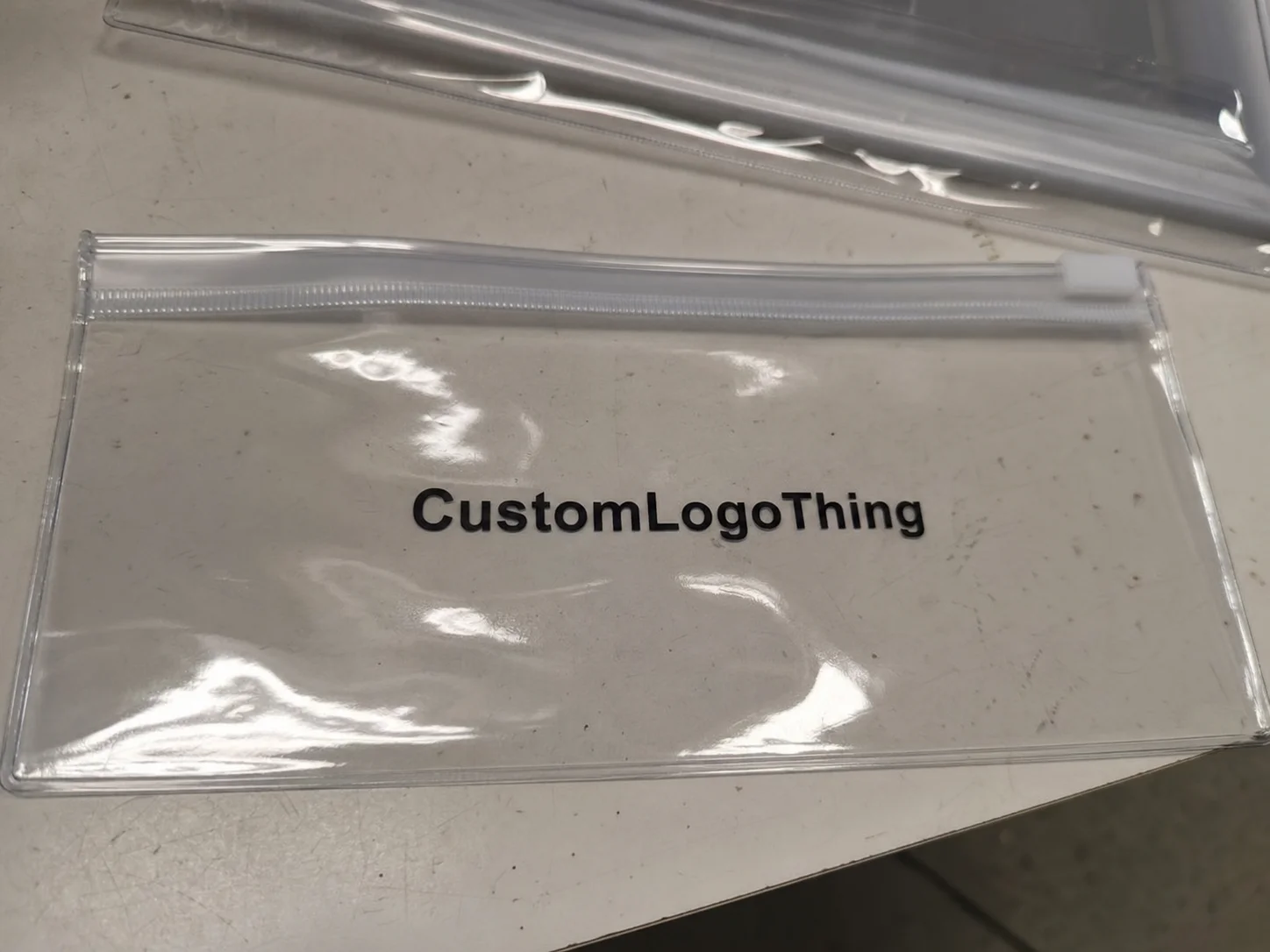
Printed Clear Zipper bags are transparent or semi-transparent plastic pouches with a press-to-close zipper and Custom Printed Branding, product information, warnings, barcodes, or handling instructions. Common materials include LDPE, HDPE, CPP, and blended clear plastic structures. The right choice depends on clarity, flexibility, stiffness, seal strength, and product handling.
They work especially well for products that benefit from inspection before opening. A buyer, warehouse associate, or end customer can see color, quantity, texture, and condition immediately. That matters for multi-color accessories, craft pieces, sample packs, small replacement parts, and subscription box components.
Common commercial uses include:
- Apparel accessories such as socks, patches, trims, tags, and small textile items
- Cosmetic samples, applicators, lashes, tools, and refill components
- Supplement scoops, inserts, sample sachet bundles, and non-liquid wellness kits
- Hardware kits, screws, washers, fasteners, and repair parts
- Craft supplies, beads, thread, stickers, and stationery sets
- Food-adjacent dry goods where the selected film and compliance requirements fit the product
- Subscription box add-ons and promotional sample packs
The zipper is more than a convenience feature. It keeps the bag in use. Customers often retain the pouch when it protects small parts, refill items, repeat-use products, or accessories that would otherwise scatter in a drawer. That extended use can give the printed logo more exposure than a disposable insert card.
Clear zipper bags also beat boxes in several practical areas: freight weight, warehouse storage, pick-and-pack speed, and SKU visibility. A carton of flat pouches takes up far less space than formed paperboard boxes. Pickers can see the product through the film, which helps reduce mis-picks for small SKUs and variant-heavy assortments.
They are not right for everything. Fragile products may need crush protection. Premium launches may call for rigid boxes, 350 gsm C1S artboard sleeves, molded pulp, or fitted inserts. Products requiring oxygen, moisture, aroma, grease, or UV barrier protection may need specialized laminated films rather than standard polyethylene.
Match the bag to the handling environment. Not just the lowest quoted unit price. That shortcut usually finds a way to become expensive later.
Bag Specifications That Control Fit, Print, and Durability
A reliable quote starts with dimensions. Not vibes. Real measurements.
Buyers should provide width, height, usable fill area, zipper placement, bottom allowance, header area, and material thickness. If the product is thick or oddly shaped, send fill volume or a physical sample instead of copying the size from an old purchase order. Old specs are not sacred. Sometimes they are just old mistakes with a reorder history.
Mil thickness is one of the first cost and performance decisions. A 2 mil bag can reduce material cost for light, flat items. A 3 mil to 4 mil bag usually improves hand feel and durability for retail or repeated use. Heavier gauges, such as 5 mil or 6 mil, may be useful for hardware, sharp-edged components, or products moving through rougher fulfillment environments. Product weight and edge profile should drive that decision.
Material choice changes the feel and performance. LDPE zipper bags are flexible and common for clear retail packaging. HDPE can feel crisper and may be selected for certain strength or stiffness needs. CPP can offer good clarity and a smoother surface depending on the structure. Some buyers may also need recycled content targets, recyclable packaging claims, or compliance review. The U.S. Environmental Protection Agency has useful background on packaging waste and materials at epa.gov.
Print specifications need the same discipline. A one-color front logo is not the same job as a two-sided, multi-color layout with flood coverage, warning copy, barcode space, and white ink. White ink matters because transparent film can weaken printed colors once a product is inside the bag. A red logo printed directly on clear film may look different over a black item than over a white one.
Typical print and construction options include:
- One-color logo printing for simple branded packaging
- Multi-color branding using Pantone or CMYK references
- Front-only print or two-sided print
- White ink underlay for stronger color visibility
- Warning text, suffocation notices, lot fields, and legal copy
- Barcode windows or unprinted scan areas
- Hang holes, tear notches, vent holes, header designs, and write-on panels
Tolerance should be built into artwork. Flexible packaging can have slight variation in dimensions, zipper alignment, and print registration. Safe zones are not decoration; they protect against trimmed-off logos, crowded warning text, and barcodes placed too close to seals. For barcodes, leave enough quiet zone and test scan readability before committing to a large run.
Many reorder problems start with missing spec sheets. Every SKU should have a basic file listing size, film type, gauge, zipper style, print colors, artwork version, carton pack count, and approved sample reference. That file makes the next bulk reorder conversation faster and less dependent on guesswork.
Pricing, MOQ, and Unit Cost Variables Buyers Should Check
Pricing depends on bag size, film thickness, print coverage, number of colors, finishing features, order quantity, and shipping destination. A small 3 inch by 5 inch one-color clear zipper bag will not price like a 10 inch by 13 inch two-sided pouch with heavy ink coverage and a hang hole. Freight can also shift the final cost, especially for bulky cartons moving long distances.
MOQ is not a random hurdle suppliers invent to annoy procurement. It reflects setup, plates or screens, ink preparation, press time, waste allowance, inspection, packing labor, and carton handling. Those costs have to be spread across enough units to make production efficient. That is why the first 1,000 bags can feel expensive while 10,000 or 25,000 bags may show a much better cost curve.
| Order scenario | Best use | Typical cost behavior | Buyer risk |
|---|---|---|---|
| Small test run | Fit validation, artwork review, launch testing | Higher unit cost because setup is spread across fewer bags | Lower inventory exposure, but weaker reorder economics |
| Mid-volume reorder | Regular monthly or quarterly usage | Better unit price if artwork and specs repeat | Requires a realistic demand forecast |
| Bulk reorder | Stable SKUs with predictable usage | Often strongest unit-cost position before warehousing becomes expensive | Cash tied in inventory if demand slows |
For a practical range, simple custom Printed Clear Zipper bags can land in the low cents per unit at high volume. Larger, thicker, multi-color bags may move into higher per-unit pricing. A useful quote should show unit price, setup charges, plate charges if applicable, proof costs, freight estimate, carton count, and estimated production time.
Compare full delivered cost. If one quote excludes freight or plates and another includes them, the cheaper headline number may not be cheaper. That sounds obvious. It still causes bad purchasing decisions every day.
Ask for price breaks at two or three quantities. For example, compare 5,000, 10,000, and 25,000 units. Procurement can then weigh cash flow against unit-cost savings. A slightly higher MOQ may reduce the per-bag cost enough to justify the inventory, especially if usage is steady and the artwork will not change.
A strong reorder plan uses numbers, not instinct. Average monthly usage multiplied by total lead time, plus safety stock, gives a practical reorder point. If a brand uses 20,000 bags per month and total lead time plus safety stock equals six weeks, the reorder trigger should be around 30,000 bags. That is the difference between planned purchasing and panic buying.
Custom Logo Things can support reorder quoting through quantity tiers, saved artwork, and order history details. Buyers sourcing multiple branded items or repeat promotional packaging can also review broader purchasing options through Wholesale Programs.
Production Steps, Proofing, and Lead Time for Reorders
The basic production path is straightforward: submit dimensions and artwork, confirm material and thickness, receive a quote, approve the proof, produce the bags, inspect them, pack cartons, and ship. The complications usually hide inside the details.
First orders require more checking. Artwork has to be reviewed. Bag fit may need confirmation. Print position, zipper placement, and warning copy must be approved. Reorders can move faster if files, proofs, color references, and production notes are already archived.
Proofing can mean several things. A digital proof confirms layout, print size, and positioning. A production proof or pre-production sample may be needed for color-sensitive work. A physical bag sample is useful if fit is uncertain, especially for products with thickness, flexible contents, or irregular shapes. For retail-facing packaging, skipping fit checks can be expensive.
Artwork checkpoints should include vector logo files, Pantone or CMYK references, barcode readability, legal copy, suffocation warnings where applicable, and print-safe margins. If bags are intended for shipping or retail distribution, packaging performance expectations may connect to broader test standards. For transport testing context, the International Safe Transit Association is a recognized resource at ista.org.
Lead time is controlled by order size, print complexity, material availability, seasonal production load, proof approval speed, and freight method. Some reorders are simple because the same artwork, same size, same gauge, and same carton pack are being repeated. Others slow down because a buyer changes the logo, adds a barcode, requests thicker film, or asks for a new header layout.
The buyer controls more of the timeline than many teams realize. Approve proofs quickly. Keep specs unchanged unless there is a real performance reason to revise them. Send usable artwork, not a screenshot pulled from a website. Confirm whether the delivery date refers to ship date or arrival date. Those are different dates, and fulfillment teams care about the difference.
A practical reorder calendar starts before inventory reaches panic level. If monthly usage is 20,000 bags, total landed lead time is four weeks, and safety stock is two weeks, reorder before inventory falls below 30,000 bags. If demand spikes during a promotional period, raise the safety stock. If the bag is shared across several SKUs, calculate total combined usage rather than one product line.
The best lead-time question is not “How fast can you make these?” A better question is: “What reorder point keeps us from needing rush production or air freight?” That question changes the economics.
Quality Controls That Make Repeat Orders Match the First Run
Consistency matters because customers notice small differences. A zipper that feels weaker. A logo that shifts. Film that looks slightly hazier. Ink that reads darker over one product color and lighter over another. Flexible packaging is not rigid tooling, so sensible tolerances apply, but repeat orders should still be controlled tightly.
Archived specifications are a quality advantage. Size, gauge, material type, print files, ink references, carton pack counts, and previous production notes should be retained. The prior purchase order or approved sample should be referenced on every reorder. That reduces ambiguity and prevents the buyer from rebuilding the project from memory.
Inspection points should include:
- Zipper alignment and open-close function
- Side seal and bottom seal strength
- Bag clarity and film consistency
- Print legibility and registration
- Ink adhesion and rub resistance
- Dimension tolerance against the approved specification
- Carton labeling, quantity, and pack count accuracy
One-off sourcing can look cheaper on a spreadsheet. The hidden cost is variation. Switching suppliers may change film feel, zipper grip, print density, and carton packing method. Sometimes switching is necessary, especially if the current source misses deadlines or quality expectations. But if the only driver is a small headline saving, the purchasing team should calculate the risk of complaints, internal rework, and delayed fulfillment.
Custom Logo Things supports repeatability by saving artwork and reorder details, so buyers do not have to restart the job each time. That is not a flashy benefit. It is operational insurance because it reduces the number of variables between inventory planning and outbound shipping.
Keep one approved production sample on file. Not a photo. A physical bag. Use it for internal comparison when the next shipment arrives: zipper feel, print placement, gauge, and clarity. If a change is intentional, document it. If it is not, raise it before the bags are distributed across multiple warehouses.
Next Steps to Build a Bulk Reorder Plan That Works
A working reorder plan starts with basic facts. Confirm the current bag size, monthly usage, target reorder quantity, desired safety stock, artwork status, and deadline. If the old bag was too tight, too loose, too thin, or hard to scan through, do not blindly reorder the same specification. Fix the problem while the job is being quoted.
Before requesting a quote, gather product measurements or samples. Measure width, height, depth, and bulky corners. For flexible or soft goods, test how the product settles inside the bag. A pouch that looks adequate on a flat table may become tight once the zipper area and bottom allowance are considered.
Use a simple formula:
- Calculate average monthly usage.
- Convert supplier lead time and freight time into months or weeks.
- Add safety stock for demand spikes, delays, or retail deadlines.
- Set the reorder point before inventory drops below that number.
For example, if average usage is 12,000 bags per month, landed lead time is five weeks, and desired safety stock is three weeks, the reorder point is roughly 24,000 bags. If promotional demand can double for a month, increase the safety stock. Numbers beat optimism.
Ask for two or three quantity breaks instead of only one price. A 10,000-unit order might protect cash flow. A 25,000-unit order might reduce unit cost. A 50,000-unit order may be attractive only if warehouse space, demand, and artwork stability justify it. Procurement should see the cost curve before deciding.
Consolidate SKUs where it makes sense. One bag size may cover several small accessories, reducing inventory complexity and print setup duplication. Do not consolidate so aggressively that products look sloppy, shift around too much, or confuse customers. Poor fit is also a cost.
If your team still has questions about artwork formats, shipping, proofs, or ordering details, the FAQ can help clarify common purchasing steps before quote submission.
To build a reliable printed clear zipper bag reorder plan, send Custom Logo Things the bag size, thickness target, print requirements, annual or monthly usage, current inventory count, and preferred delivery date. Request reorder pricing, proofing expectations, and a timeline estimate before inventory falls below the calculated reorder point. That is the practical move. Not dramatic. Just effective.
FAQ
How do I get printed clear zipper bags with a bulk reorder plan?
Send bag dimensions, material thickness, print colors, artwork files, estimated monthly usage, current inventory count, and preferred reorder quantity. Ask for quantity price breaks, production lead time, and a recommended reorder point based on your usage. If you have a previous bag, provide photos or a physical sample so the specifications can be matched more accurately.
What MOQ should I expect for custom printed clear zipper bags?
MOQ depends on size, film type, print method, color count, and finishing features. Bulk reorders often price better than first-time small runs because setup costs are spread across more units. Request multiple quantity tiers so you can compare cash commitment against unit-cost savings.
Can my reorder use the same artwork and print colors as my last order?
Yes, if the original artwork files, approved proof, color references, and production specifications are available. Referencing the prior order number or approved sample helps maintain consistency. Minor variation can occur in flexible packaging, so keep safe margins and approved color standards on file.
How long does it take to produce printed clear zipper bags in bulk?
Lead time depends on order volume, material availability, print complexity, proof approval speed, and shipping method. Reorders can move faster when specifications and artwork are already confirmed. Build your plan around total landed timing, not only production time.
What details affect the unit cost of printed clear zipper bag reorders?
Main cost drivers include bag size, plastic thickness, print coverage, number of ink colors, zipper style, add-ons, order quantity, and freight. Setup or plate charges may apply, so compare full delivered cost rather than only the unit price. A consistent reorder plan can reduce rush fees and make purchasing quantities more predictable.