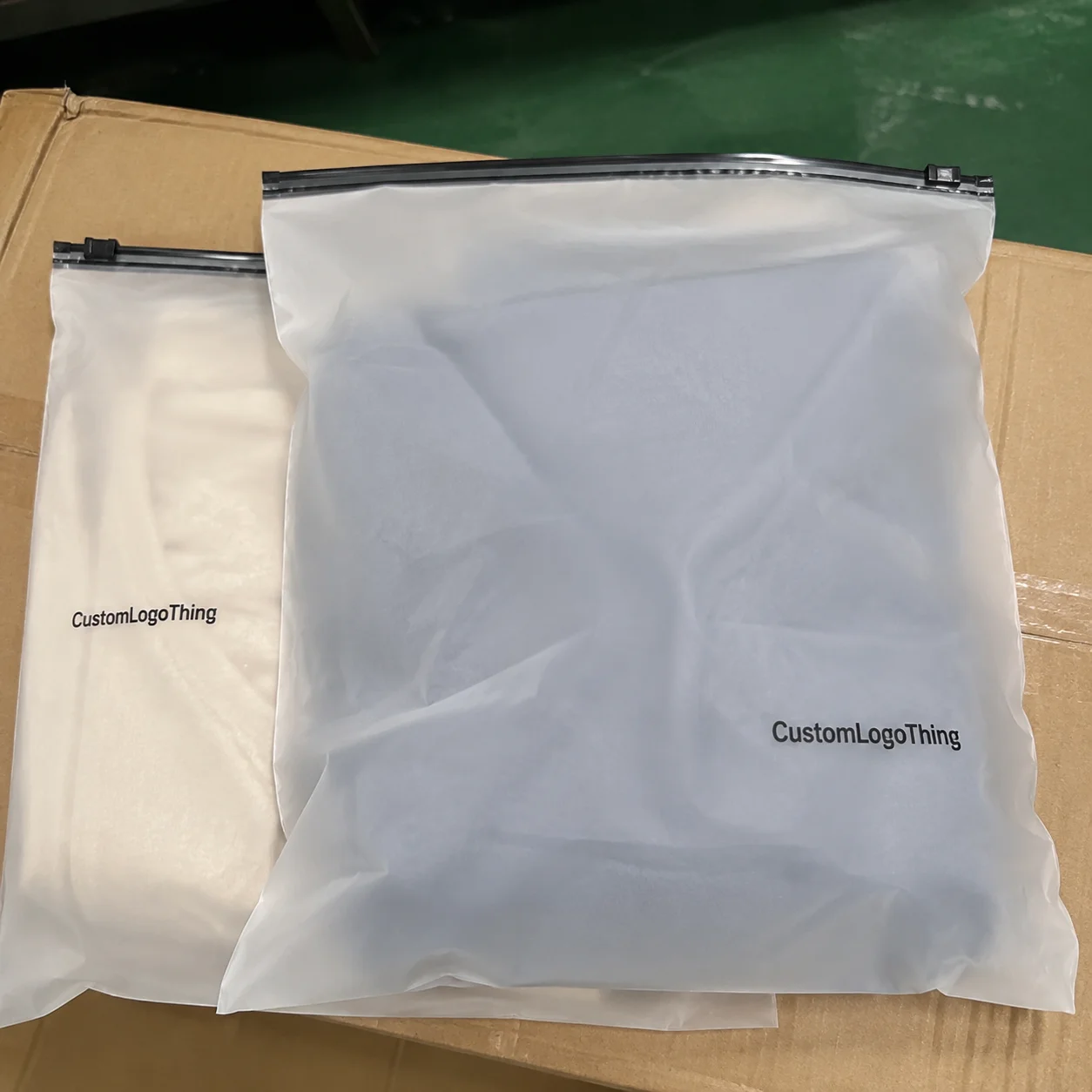
Get Your Printed Matte Zipper Packaging Insert Checklist
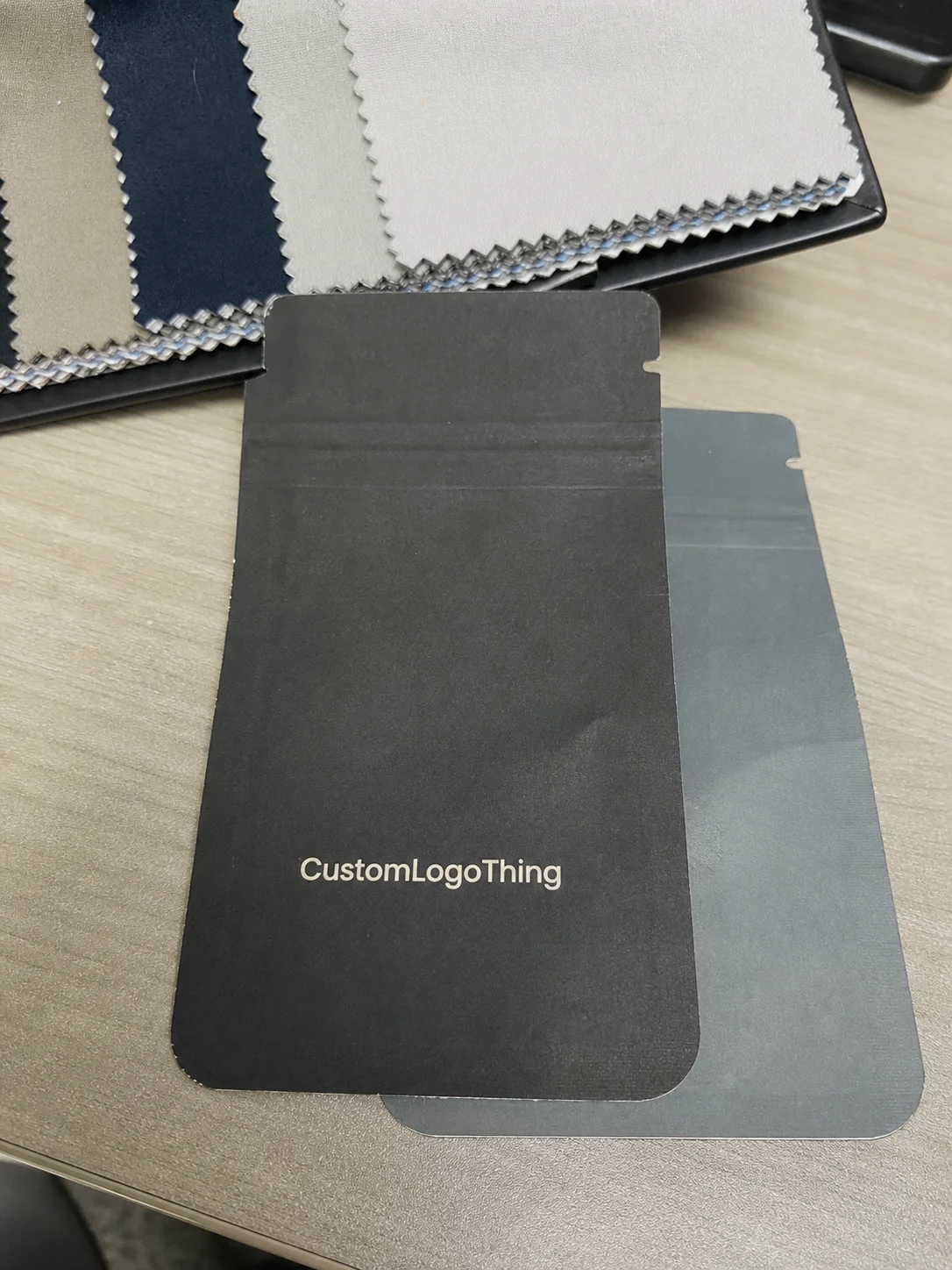
Two matte zipper bags can look almost identical on a product page. Filled, sealed, and packed into a carton, they may behave nothing alike. One stands upright, closes cleanly, protects the card inside, and gives the brand that quiet premium look. The other curls at the mouth, shows rub marks before it reaches the shelf, or fights the zipper because the insert was never included in the size discussion.
That is why it pays to get your printed matte zipper Packaging Insert Checklist organized before asking for pricing.
This checklist is not meant to turn a buyer into a film engineer. It is a practical planning tool for Printed Matte Zipper plastic bags that may include instruction sheets, warning cards, setup diagrams, coupons, desiccants, warranty slips, product cards, or small promotional inserts.
Matte zipper packaging needs more upfront detail than a plain poly bag. The surface finish changes how ink looks. Zipper placement changes usable fill space. Inserts add stiffness, thickness, and pressure points that can affect bag size, sealing, carton packing, and the packing-line sequence. Charming little detail, right? The “just paper” insert is often what exposes a weak package spec.
The category is broad. You may be looking at stand-up pouches, flat zipper bags, three-side seal zipper bags, or laminated matte pouches with bottom gussets. Some use simple mono-material polyethylene structures. Others use PET/PE, BOPP/PE, metallized films, or barrier laminates for moisture and oxygen control.
Practical rule: quote the package as a filled system, not as an empty bag. Product, insert, zipper, matte finish, and carton pack all affect one another.
For buyers comparing flexible bags with Custom Packaging Products such as printed boxes, sleeves, mailers, or labels, the appeal of a zipper pouch is obvious. It can combine display, protection, and reclosability in one compact format. The catch: every millimeter around the zipper and seal areas matters.
How Matte Zipper Bags Work With Printed Inserts
A Printed Matte Zipper bag usually starts with printed film layers, an outer matte film or matte coating, a sealant layer, a zipper profile, side or bottom heat seals, and optional features such as a tear notch, euro slot, round hang hole, rounded corners, or bottom gusset. On a stand-up pouch, the bottom gusset gives the bag its shelf posture. On a three-side seal bag, the flatter shape may suit kits, refills, apparel accessories, or light retail components.
The bag and insert do different jobs. The exterior bag carries the package branding: logo, product name, color block, barcode, claims, and shelf cues. The insert handles the copy that needs more room or a different material, such as compliance language, assembly steps, care instructions, QR codes, warranty terms, coupon codes, or product support content.
Inside the bag, inserts sit in several ways. A paper card may rest loose behind the product. A folded instruction sheet may be nested under the item. A coupon may face forward for visibility. A desiccant may sit behind the product but still needs enough clearance to avoid pressing into the zipper. These choices look minor during design review. They are not minor during filling.
Thickness matters more than many teams expect. A 0.3 mm paper card sounds harmless until it is folded twice, stacked with a product, and pushed into a 90-micron matte pouch. A folded card can widen the bag requirement by 5-10 mm, create a visible bulge in matte film, or push product edges toward the heat seal. If the zipper is set too low, the insert can also make the bag hard to reseal after the first opening.
Matte surfaces create a subdued, premium look, but they can show abrasion more readily than glossy film. That does not mean matte is fragile. It means the supplier needs to understand carton count, bag orientation, and rubbing conditions during freight. For higher-value retail packaging, basic rub checks, drop handling reviews, or transit testing based on standards from groups like ISTA can help prevent ugly surprises.
Zipper usability needs space on the dieline. The zipper should sit high enough for easy access but low enough to leave room for a tear notch, header copy, hang hole, top seal, and seal integrity. A typical top seal may run 8-15 mm. Safe zones around the zipper often need another 3-5 mm, depending on the converting method and zipper profile.
Key Specs to Gather Before Artwork or Sampling
Before artwork starts, gather physical specifications. At minimum, collect finished bag width and height, product length, product width, packed thickness, product weight, insert flat size, folded insert size, insert paper weight, required headspace, zipper location, bottom gusset depth, and seal width. If the product is bundled, measure it after bundling. If the insert is folded, measure it after folding. Guessing from a PDF is how rework gets invited in.
Film structure is easier to judge by function. Mono-layer polyethylene may suit simple dust protection or lightweight non-food items. Laminated PET/PE or BOPP/PE structures can improve stiffness, print appearance, and puncture resistance. Barrier structures may be needed for moisture control, odor control, oxygen sensitivity, or light protection. A common retail pouch might fall around 90-140 microns total thickness. Heavier contents, sharper edges, or repeated handling may need more.
Matte can be produced in several ways. Matte varnish over printed film can be efficient for certain graphics. Matte BOPP or matte PET gives a different hand feel and can improve the premium look. Soft-touch coatings feel rich, but they may be more sensitive to scuffing and oils from handling. Each option can affect scratch resistance, color density, sealing temperature, production speed, and cost.
Print specs need the same discipline. Confirm the number of colors, full-bleed requirements, white ink needs, barcode position, spot colors, registration tolerance, and whether the design wraps across gussets or side seals. Matte film often mutes bright colors, especially reds, oranges, and deep blues. White ink behind graphics can improve opacity on clear or metallized structures, but it adds cost and another production control point.
Choose functional add-ons early. A euro slot needs headspace. A round hang hole needs reinforcement and clearance from the zipper. A child-resistant zipper changes both user experience and filling behavior. Vent holes may be needed for air release. Anti-static requirements may matter for electronics, powders, or light plastic components. Tamper-evident features can change the opening path and the top-seal layout.
Compliance copy belongs in the first planning pass, not the final proof scramble. Warning labels, country-of-origin language, recycling marks, choking hazard text, lot-code space, and QR code readability should be reviewed before plates or cylinders are made. For paper-based inserts, buyers sometimes ask about responsible sourcing; the FSC site is a useful reference if certified paper claims are part of the insert plan.
| Specification Area | Typical Detail to Confirm | Why It Changes the Quote |
|---|---|---|
| Film structure | PE, PET/PE, BOPP/PE, barrier laminate, 80-160 microns | Material cost, stiffness, shelf life, print quality, seal settings |
| Matte finish | Matte varnish, matte BOPP, matte PET, soft-touch coating | Scuff resistance, color appearance, processing speed, handling care |
| Zipper type | Standard press-to-close, heavy-duty, child-resistant | Profile cost, filling speed, opening force, headspace needs |
| Insert | Card, folded sheet, coupon, desiccant, instruction leaflet | Bag size, labor, carton weight, insertion method, inspection criteria |
| Print coverage | 1-8 colors, full bleed, spot color, white ink | Setup cost, plate or cylinder cost, ink use, proofing time |
Put those details into one brief before sampling. A supplier can catch sizing conflicts early instead of discovering them after artwork has been built around the wrong dieline.
Process, Timeline, and Lead Time From Quote to Delivery
A clean project usually moves through discovery, spec confirmation, quote, artwork review, dieline setup, proof approval, material preparation, printing, lamination or coating, curing if required, bag making, insert coordination, inspection, packing, and shipping. That sounds like a lot because it is. Each stage protects the final package from a different failure point.
Lead time depends on film structure, finish method, zipper style, print complexity, quantity, proof revisions, and whether inserts are produced by the same supplier or shipped in from a separate printer. A repeat order may move faster. A new printed matte pouch with custom insert handling usually needs more planning time, especially if physical proofs or production samples are requested.
For many custom printed flexible bags, allow several business days for quote clarification and dieline setup, then more time for artwork review and proof approval. Production after proof approval may range from roughly 12-25 business days for some common runs. Custom barrier structures, special zippers, heavy ink coverage, supplier capacity, or overseas freight can stretch that window. No one loves that answer. It is still the honest one.
Artwork timing deserves respect. Leave room for dieline adjustments, barcode checks, safe zones near zipper and seals, and approval of digital or physical proofs. Digital proofs are good for layout, copy, and position. Physical proofs or printed samples are better for color, matte feel, scuff behavior, and insert visibility.
Sampling should match the decision. A blank structural sample helps confirm fit, headspace, zipper access, and insert placement. A printed sample helps confirm finish, color, logo contrast, and barcode performance. A production sample is the strongest validation because it reflects actual material, actual print, actual zipper, and actual conversion.
On the production side, matte laminated rolls may need curing before bag making, especially where adhesives are involved. Zipper alignment also needs attention during conversion. If the zipper wanders, the bag may still look acceptable while empty. The problem shows up later during filling, closing, or retail display.
A basic packaging calendar should include product availability, insert print date, bag production date, proof approval date, freight method, fulfillment appointment, and buffer days for inspection or repacking. The buffer is where many schedules are saved. Three to five extra business days can keep a small proof correction from becoming a launch problem.
Cost, MOQ, and Quote Details That Change Unit Price
Pricing is driven by film type, bag size, zipper style, matte finish method, print coverage, color count, order quantity, tooling, plate or cylinder charges, insert handling, and freight. A 4 x 6 inch flat zipper bag and an 8 x 10 inch stand-up pouch with a bottom gusset are not close in material usage, even if both use matte printing and the same logo.
MOQs are often tied to film roll length, press setup, zipper feed setup, and the practical economics of changeover waste. Short runs can be produced in some formats, but the unit price may be high because setup time is spread across fewer bags. As a rough planning range, a simple custom matte zipper bag may land around $0.18-$0.45 per unit at moderate quantities. More complex laminated stand-up pouches with barrier film, heavy ink coverage, and special zipper profiles may run higher. Tooling, plates, proofs, inserts, and freight can sit outside that number.
Unit cost and landed cost are not the same. A low per-bag quote can look less impressive once plate charges, proofing, insert printing, folding, collation, carton packing, duty, or freight are included. Ask for the cost structure clearly: unit price, setup cost, print tooling, sample cost, insert cost, packing cost, and delivered freight estimate.
Matte finishes can cost more because they may require specialty film, controlled varnish laydown, slower handling, additional cure time, or extra scuff testing. Heavy black or dark matte designs can look excellent, but rub marks usually show more than they would on a light beige, white, or low-coverage design.
Inserts add separate cost points. Insert printing, folding, collation, hand insertion, automated insertion compatibility, and extra carton weight all matter. If the insert must face forward in every bag, expect manual placement or tighter inspection. If the insert is a desiccant, storage conditions and shelf life may need to be controlled before packing.
For a cleaner quote, send the target quantity, annual volume, reorder pattern, artwork files, product fill weight, insert specs, shipping destination, and any retail or compliance requirements at the same time. A complete printed matte zipper packaging insert checklist usually means fewer assumptions and fewer “to be confirmed” lines in the quote.
Step-by-Step Checklist for a Cleaner First Quote
The best quoting packets are not fancy. They are complete. Use this sequence before sending files to a packaging supplier.
- Measure the actual product. Do not rely only on the retail target size. Measure length, width, thickness, and weight after stacking, folding, bundling, or wrapping. Add photos with a ruler if the shape is irregular.
- Mock up the insert. Use paper or card stock at the intended thickness and fold style. Place it with the product and see how the bag fills. A 14 pt card behaves differently than a 70 gsm folded sheet.
- Choose the bag format. Pick a stand-up pouch, flat zipper bag, three-side seal zipper bag, or gusseted option based on shelf display, packing method, product thickness, and shipping carton layout.
- Confirm protection needs. List moisture sensitivity, odor concerns, puncture risk, light exposure, grease resistance, anti-static needs, or simple dust protection. Protection requirements drive film choice.
- Define the matte appearance. Decide whether you want soft-touch feel, low-glare retail presence, muted color, high-contrast logo work, or a premium cosmetic-style finish.
- Mark functional zones. On the dieline, identify the zipper, tear notch, hang hole, heat seals, gusset folds, barcode, lot-code area, and insert viewing area.
- Send everything together. Specifications, artwork, product dimensions, insert details, quantity, and delivery target should travel as one package. Piecemeal quoting slows engineering review.
A good checklist also helps compare packaging formats. If you are deciding between pouches, sleeves, labels, or custom packaging product options, the same measurements can guide the discussion instead of forcing each supplier to guess.
Here is what most people get wrong: they treat the insert as an afterthought because it is “just paper.” In a zipper pouch, that paper can change fill behavior, zipper closure, outward appearance, and carton efficiency. Build the checklist around the filled package, not the empty bag, and both artwork and pricing become more reliable.
Common Mistakes That Cause Rework, Delays, or Weak Seals
Mistake 1: Treating matte finish as only a design choice. Matte affects rub resistance, color brightness, and handling. Dark full-coverage matte designs may need more careful carton packing or slip sheets during transit testing.
Mistake 2: Forgetting the insert during bag sizing. A folded sheet can push the product into the zipper path or seal area. That can lead to weak seals, poor reseal feel, or a bag that looks overstuffed.
Mistake 3: Placing artwork too close to functional areas. Logos, claims, QR codes, and warning copy should stay clear of the zipper, tear notch, side seals, top seal, gusset fold, and trim. Safe zones are not decoration. They keep information intact.
Mistake 4: Assuming every zipper feels the same. Zipper profiles vary in opening force, closing feedback, and compatibility with thicker contents. For powders, kits, refills, or bulky parts, the wrong zipper can frustrate users.
Mistake 5: Choosing the lowest film gauge without testing. Thin film may save pennies but fail around product edges, insert corners, or shipping compression. A small gauge increase can sometimes prevent returns, especially for retail packaging that will be handled repeatedly.
Mistake 6: Ignoring barcode and QR code placement. Matte surfaces can scan well, but contrast matters. Avoid placing codes over curves, gussets, heavy ink, or textured areas. Many teams use barcode verification aligned with common retail expectations before final production.
Mistake 7: Approving color from a screen only. Matte film can mute color, and white ink strategy can change the final look dramatically. Screen proofs are useful for layout. They are not a substitute for material-based review when color is critical.
Mistake 8: Waiting too long to confirm carton count and orientation. Bag direction in the carton affects scuffing, zipper pressure, and fulfillment speed. If a retailer or fulfillment center requires a specific pack-out, include that requirement early.
These mistakes are common because flexible packaging looks simple after it is finished. The converting process is not simple. Film tension, heat, pressure, ink, adhesive, zipper alignment, and handling all have to work together.
Next Steps Before You Send Files to a Supplier
Create a one-page packaging brief before sending artwork. Include bag style, finished dimensions, product weight, insert dimensions, insert thickness, material preference, matte finish preference, print coverage, quantity, ship-to destination, and requested delivery window. Add retail requirements if the bag must hang, stand, scan, stack, or fit into a specific display tray.
Photograph or sketch the product and insert together. A supplier can learn a lot from a simple top view and side view, especially if the product has sharp corners, springy material, or uneven thickness. If possible, include a photo of the product inside a rough paper mockup so the intended orientation is clear.
Ask for a dieline before finalizing packaging design. Keep critical copy and logos away from zipper, seal, notch, gusset, and trim zones. The prettiest pouch layout can still fail if the barcode lands on a gusset fold or the tear notch cuts through a claim.
Request the right sample for the decision in front of you. Use a structural sample for fit. Use a printed proof for color and finish. Use a production sample for full validation when the launch risk is high or the product has compliance, retail, or performance requirements.
Build a simple approval chain. One person owns specifications. One person owns artwork. One person owns purchasing. Basic, yes. Also the difference between a clean approval and the classic mess where purchasing approves a cheaper gauge while design still expects a premium matte structure and operations plans a different insert placement.
If you are comparing pouches with labels, mailers, cartons, or Custom Packaging Products, keep the same brief format across all options. It makes cost, lead time, shelf presence, and fulfillment labor easier to compare.
The cleanest jobs are rarely the ones with the fanciest artwork. They are the ones where the physical package was understood before the press ever ran. Get the insert, zipper, film, finish, and pack-out details in order before quoting, and you reduce guesswork, protect the schedule, and give production the information needed to make a clean, functional bag.
FAQs
What should I include when I get a printed matte zipper packaging insert checklist ready?
Include finished bag size, product dimensions, fill weight, insert size and thickness, desired matte finish, film structure, zipper type, print coverage, order quantity, shipping destination, and any compliance or retail requirements. If the insert must face forward, stay flat, or remain visible, note that early because it can affect bag size, packing method, and inspection standards.
Does a matte finish change the cost of custom zipper bags?
Yes. Matte film, matte varnish, soft-touch coatings, and laminated matte structures may add material cost or processing steps compared with standard glossy packaging. Final cost still depends heavily on bag size, print coverage, quantity, zipper style, barrier needs, tooling, and freight.
How do I know what size matte zipper bag I need for a product and insert?
Measure the product and insert together in their packed position, including thickness, folds, corners, and any compression limits. Allow room for the zipper to close without stress, keep contents out of the seal area, and request a blank structural sample before approving final artwork.
Can the printed insert be produced separately from the zipper bag?
Yes. Inserts are often produced separately, especially if they are paper cards, folded instructions, coupons, or compliance sheets. The key is coordination: the supplier needs insert dimensions, thickness, fold style, quantity, arrival timing, and whether insertion is manual or automated.
What artwork mistakes are most common on matte zipper packaging?
Common issues include placing logos too close to the zipper or seals, using colors that become muted on matte film, failing to add white ink where needed, and putting barcodes over curves or gussets. Approve artwork on the correct dieline and confirm safe zones, bleed, barcode contrast, and any lot-code or label space before production.