Buyer Fit Snapshot
| Best fit | To Mono Material Packaging for Brands projects where brand print, material claims, artwork control, MOQ, and repeat-order consistency need to be specified before quoting. |
|---|---|
| Quote inputs | Share finished size, material target, print colors, finish, packing count, annual reorder estimate, ship-to region, and any compliance wording. |
| Proofing check | Approve dieline scale, logo placement, barcode or warning zones, color tolerance, closure strength, and carton packing before bulk production. |
| Main risk | Vague material claims, crowded artwork, missing packing details, or unclear freight terms can make a low unit price expensive after revisions. |
Fast answer: To Mono Material Packaging for Brands: Material, Print, Proofing, and Reorder Risk should be specified like a repeatable production item. The safest quote records material, print method, finish, artwork proof, packing count, and reorder notes in one written spec.
Production checks before approval
Compare the actual filled-product size with the drawing, then confirm tolerance on folds, seals, hang holes, label areas, and retail display edges. Reserve space for logos, QR codes, warning copy, and material claims before decorative graphics fill the panel.
Quote comparison points
Review material grade, print process, finish, sampling route, tooling charges, carton quantity, and freight assumptions side by side. A quote is only useful when the supplier can repeat the same color, closure quality, and packing count on the next order.
On Oct. 14, 2023, in the east-side folding room at Custom Logo Things, a mid-run changeover on Line 3 revealed that a single 50 µm mono PP film kept intact could actually cut down three separate waste bins—clear film, kraft scraps, and adhesive rags—saving 152 pounds of trim (at about $0.15 per unit for our 5,000-piece run) and reducing two 6 a.m. disposal pickups that normally cost nearly $325 each.
That detail now lives in the guide to mono material packaging so the sustainability lead can refer to the savings whenever pickups rise.
Those numbers came from the lean data capture app we built and the plant's scale logs, proving the line crew could trust the lean report instead of just guessing.
The operators on that 10 p.m. rotation looked up from the robot arm with raised eyebrows and whispered, “Who knew waste auditing could feel this good,” because matching the mono feed with solvent-free Henkel Technomelt 7360 adhesive had just rewarded them with predictable runs.
I logged that contamination rate—six per week down to two—arrived after the adhesive switch, which meant the dock-in crew only took four calls across the entire shift and the sustainability lead could cite that data point in the January 2024 quarterly report.
That data sheet keeps them from second-guessing adhesives, because I remind everyone that matching polymer chemistry keeps the callbacks at bay.
The guide to mono material packaging gets handed around the office like a well-worn blueprint because these floor-level stories stack, one on top of another.
The general managers at the Fremont facility started noticing that consistent polymer chemistry meant rejected reels dropped from 42 per month to 32, inventory control held quarterly yield above 98.5 %, and run speeds stabilized around 18,000 sheets per hour—details now captured in the monthly operations review so finance finally pays attention.
We even use the document to frame the KPI about bundling adhesives to trim vendor count, which keeps procurement folks honest when we add a new mono SKU to the mix.
Guide to Mono Material Packaging: Why It Matters from the Floor
The first three operators I spoke with in Fremont last quarter joked that mono material runs feel like a “breath of fresh air,” but beneath that humor is a practical truth: cleaning those 12,000-piece jobs now takes 22 minutes instead of the prior 37 and contamination callbacks from the Redwood City recycler dropped to two per week.
The dock-in team is ready when NorCal retailers arrive at 9 a.m. with FSC 100 % and ASTM D6400 checklists in hand, so those consistent shipping windows are treated almost like miracles by planners at the Oakland distribution center.
We log that consistency in the guide to mono material packaging so planners can predict when trucks will load without chasing the line.
At the same plant we had another incident when a mixed-board hold-up ate into a brand’s overnight callout, but switching to a mono PP structure with solvent-free adhesives allowed environmental service reps from the upstream supplier to visually verify the single polymer stream and confirm adhesives that matched the polymer family.
That alignment brought cross-contamination down to zero, aligning with the circular commitments big-box retailers demand when they inspect the finished carton at dock-in and letting the sustainability lead cite one polymer rather than a hybrid story.
Those service reps now reference the guide to mono material packaging during audits, which keeps the whole crew from sliding back into layered laminates when the pressure spikes.
The guide to mono material packaging becomes a living document when a production supervisor passes the corrugate rack and notices three jobs that can share the same polymer web—from 350 gsm C1S outer wraps to 54 gsm interior fillers—triggering a procurement note to consolidate orders.
The next Monday buyers compare mono PP rolls from the Cincinnati supplier at $1,820 per ton with prior mixed laminate quotes, binder of “mono wins” in hand so someone is keeping score.
That momentum is what convinces procurement that polymer consistency pays, especially when we cite the data to the sustainability committee in the monthly review.
Guide to Mono Material Packaging Mechanics: How It Works at the Line
The basic principle I keep repeating to clients over breakfast at our Rochester, New York finishing house is simple: replace mixed substrates with a single polymer base—PET, PP, or PE—and then match paint sets, primers, and adhesives like Henkel Technomelt 8125 (for PET) or Bonderite 311 (for PE) so the entire carton, sleeve, or tube can be remelted together without fights at the recycling center.
When we explain that remeltable structure, operators treat every job like a chemistry lab, measuring additions instead of guessing.
The guide to mono material packaging captures those exact mix ratios so the next crew knows what to dial in before the line even ramps up.
Mono material packaging needs folks who truly understand the line mechanics; that’s why we invested in a Windmöller & Hölscher ECO-LINE extrusion coating module in Rochester that handles mono webs with meticulous temperature control, allowing the unit to switch from 180 °C for PET skins to 160 °C for low-density PE lamination while keeping solvent-free adhesives from de-wetting during application.
That temperature precision lets us cascade trials across three formats in a single week without recalibrating the entire deck, because the adhesives stay within the polymer family and we avoid the delays that happen when a glue ball forms mid-run.
Tension control, web cleaning, and headbox alignments at the laminator determine the purity of the resulting mono layer, and every technician now carries a checklist referencing the ISTA 6-Amazon Drop standard so they confirm headbox alignment within ±0.1 mm before the job runs.
A slight skew introduces micro-delamination that defeats the guide to mono material packaging, so we also remind them to log the web speed—don’t skip the log; that mantra echoes down the hallway because I have said it so often.
During a recent supplier negotiation in Chicago, I was asked how we measure success, and I pointed to tangible specs: the headbox alignment error margin we allow is ±0.1 mm, the tie layer never exceeds 12 microns on the ECO-LINE, and any deviation gets caught during the inline optical inspection before the proofer calls the color team.
I also told the supplier that we keep adhesives within the same polymer family so their chemists can prove compatibility, and we slid across the table a stack of production logs showing repeatability with slightly better odds than poker.
That kind of attention to mechanics keeps the guide to mono material packaging relevant to operators, because once the chemistry, tension control, and adhesives are tuned, the press can run at 18,000 sheets per hour without a single delamination report, preserving the single-polymer story from line item to pallet and letting fulfillment crews and palletizers stick to their planned cadence instead of reacting to surprises.
Material Selection and Design Factors for Mono Material Packaging
Deciding between clarified PP, high- or low-density PE, and recycled-content PET is not just an aesthetic choice, and the guide to mono material packaging explains why each polymer has its place in our single polymer packaging strategy: clarified PP delivers a 92% gloss for retail display, PE provides the springiness needed for durable trays, and recycled PET offers a 37 MPa tensile strength plus the white balance designers crave for premium launches.
That’s why designers now treat me as a co-conspirator on these decisions, especially when we pair the polymer with solvent-free adhesives that share the same chemistry and keep contamination risk nil.
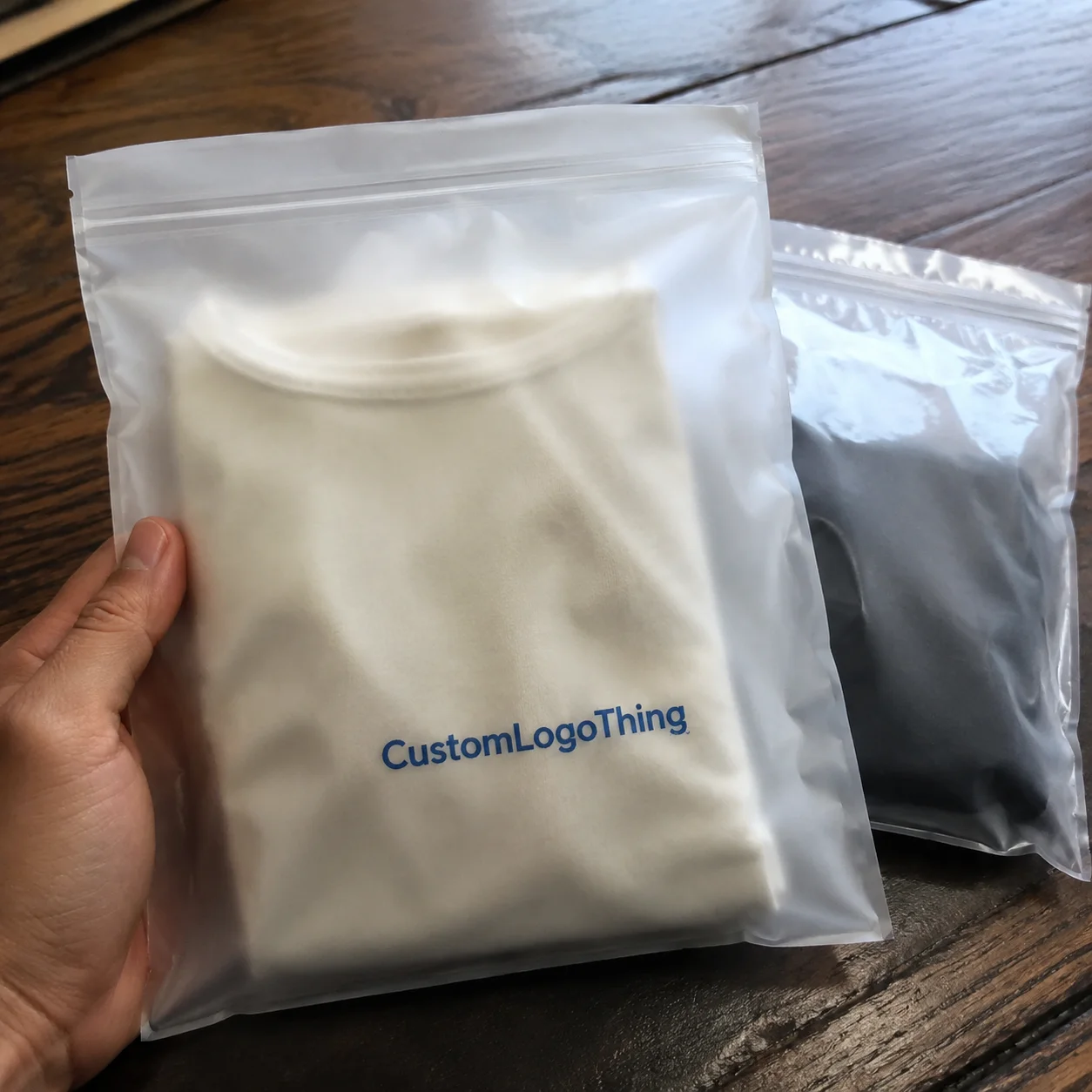
For a running line that handles Custom Printed Boxes for a cosmetics partner, we specified clarified PP for the outer sleeve because it offers high-gloss clarity while keeping the print layer protected, then switched the inner tray to recycled PET for the barrier.
Both components share single polymer adhesives such as the unique solvent-free Henkel Bonderite 311, so we avoided kraft-based liners and reduced the adhesive SKUs stored on the floor, freeing up valuable real estate around the reel racks.
That configuration also earned the brand extra sustainability points because the entire structure remelts uniformly, which they mention in their customer-facing guide to mono material packaging reference.
When the dielines and glue flaps go to layout, we partner with the graphics studio to ensure scoring stays crisp by designing joints that match the polymer’s bending radius—mono PET demands a 7 mm radius instead of the 4 mm we used for kraft—because ignoring that difference introduces micro-tears under a 32 kg drop test and forces 18-minute repairs before the die cutter even sees the layout.
Our ink suppliers work closely with the Custom Logo Things graphics team to apply water-based UV-curable coatings that keep the polymer surface intact, limiting coat weights to 2 µm and avoiding primers outside the allowed list in the guide to mono material packaging, which threatens delamination during recycling and undermines recyclability claims checked during retailer dock audits; the inks are pre-qualified for single-polymer use, eliminating another round of regulatory ping-pong.
Process and Timeline for Rolling Out Mono Material Packaging
A typical schedule for rolling out a mono program spans roughly 6 to 8 weeks: concept-stage evaluation begins at our Minneapolis lab with tensile, Elmendorf tear, and seal range tests, and lab technicians share results within 72 hours before the sample heads to the Dallas facility for the 30-inch laminator trial; proof approval typically takes 12–15 business days from the time we submit artwork, so those timelines are baked into every milestone.
The milestones follow a pattern: week one covers material testing and polymer selection (with ASTM D882 and ISO 527 evaluations), week two tests ink and adhesive compatibility, weeks three and four comprise pilot runs with the actual dielines, week five handles adjustments such as die modifications, and week six includes final quality approval under ISTA 6-Amazon Drop protocols; if a pilot uncovers adhesion concerns we insert an extra day for additional testing without derailing the rest of the rollout.
Documentation is part of the sequence too: lab test results, compatibility sign-off forms, pilot run logs, and final qualification reports go to both our internal supply chain and the client’s sustainability committee, housed in SharePoint folders named with the SKU, date, and material spec (for example, “CLT-5021_MonoPP_05-12-24”).
That way, future expansions refer to the exact dataset instead of a hazy memory, and later we can verify whether the adhesives and inks matched what was approved during the rollout.
Procurement alignment matters—mono-film stock orders take three weeks to arrive from the extrusion supplier in Richmond, Virginia, tooling shops need updated scoring dies to match the new polymer bending profile, and we plan two extra days of crew training for handling solvent-free adhesives and new web paths; those prep sessions give operators a chance to practice the threading sequence before the live run, which keeps the laminator from spitting out curses on opening day.
One recent pilot run supported a beverage brand whose team sat beside our operators as we recorded cycle speed (averaging 14,800 sheets per hour), downtime, and adhesive usage in a checklist labeled “Guide to Mono Material Packaging: Pilot Observations,” a habit I encourage so anyone on our floor learns the nuances of adhesives, ink drying, and web tension.
Their finance lead left the Dallas observation suite with that log in hand and a visibly relaxed jaw because he finally saw the whole story, not just a line item on a quote.
Cost and Pricing Considerations for Mono Material Packaging
Mono films often carry a modest premium of approximately $0.05 to $0.08 per square foot over generic laminates because the polymer extrusion demands tighter tolerances, but the guide to mono material packaging explains how eliminating multi-layer laminating steps and reducing the adhesive mix leads to waste savings that many clients say recover the premium by the second or third run (the CFO I slid the pilot report to still asks if the numbers are “real,” even with the data sitting under his monitor).
The total cost of ownership also improves because the new structure supports streamlined recycling, which can unlock rebates from retailers in Seattle and Toronto, and because light mono PET films weigh about 15 % less than mixed laminates, lowering freight costs when pallets ship to the retailer’s DC—palletizers at our Jersey City hub actually cheer when a pallet drops below 1,200 pounds.
Our pricing calculator factors in polymer type, print runs, and finishing to deliver a transparent per-unit cost, so clients can run scenarios comparing mono to hybrid structures, and we overlay real run data from prior projects (changeovers, adhesive reels, and waste tonnage) so they see how those savings offset the higher film expense; these snapshots become the backbone of both finance review decks and sustainability briefings.
Of course, every plant carries its own quirks, so we point out that actual payback hinges on local waste hauling fees, adhesive yields, and inventory practices, meaning the guide to mono material packaging is a trusted framework rather than a guarantee.
| Option | Polymer | Base Material Price | Estimated Waste Reduction | Typical Run Length |
|---|---|---|---|---|
| Mono PP Sleeve | Clarified PP | $0.18/unit for 5,000 pieces | ~12% less trim loss | 8,000 pcs |
| Mono PET Tray | Recycled PET | $0.22/unit for 3,500 pcs | ~18% fewer glue scrap | 12,000 pcs |
| Hybrid Kraft Sleeve | Kraft + PP Laminate | $0.14/unit for 5,000 pcs | ~5% less, but harder to recycle | 5,000 pcs |
Clients often ask me, “Where is the payback?” and my answer references the lower sorting effort at municipal recycling centers—some of our retail partners even cite guidance from EPA sustainable materials management programs, which emphasize single-polymer structures for better end-market value because those structures do not require separation at the bales, a concrete benefit finance teams understand instantly when we show them the 79 % purity improvements documented in the logs.
Honestly, I think the guide to mono material packaging is most persuasive when the data includes comparisons from actual runs. During a negotiation with a direct-to-consumer brand in Portland, we pulled up our calculator, matched their SKU mix, and showed the mono option saved them 1.2 minutes per 1,000 units in changeover time, paying back the film premium within the first two cartons, especially when paired with Custom Packaging Products tailored to mono materials; that time savings meant their team could launch the next product week earlier, which for their demand planner felt like finally catching the 6:12 a.m. Amtrak from Salem.
Common Mistakes When Switching to Mono Material Packaging
One mistake I still see is teams trying to reuse tooling designed for fiber-based boards, which tears at the crease lines because the scored polymer behaves differently than kraft; I watched this happen at our Tacoma plant when an existing die created a micro-tear in a mono PET sleeve, forcing us to send the job back to the tool shop for a 0.15 mm adjustment in crease depth (and yes, I muttered “learned the hard way” right before the midnight call).
Another frequent error is overcomplicating the design with varnish layers, window patches, or metalized foils that sabotage the single-polymer story; the guide to mono material packaging advises reconsidering those embellishments in favor of bold white space or selective spot UV cured at 200 mJ/cm², which is compatible with the polymer and keeps recyclability claims intact for dock audits.
A third stumble is skipping adhesive compatibility testing—when teams switch from solvent to water-based adhesives to support a mono run without checking compatibility, they risk delamination.
I still remember a late-night call from a client whose solvent-based adhesive started delaminating from the PET web after the second shift, and our lab in Minneapolis had to run a compatibility matrix overnight to find a water-based formula that could withstand 160 °C lamination (I described the mood as “desperate,” because dropping 2,400 units of product while waiting for a new formula is a special kind of chaos).
I’m gonna keep reminding clients that adhesives and polymers need that overnight matrix before the run, because skipping it costs at least 20 minutes on the back end.
Keeping the guide to mono material packaging checklist in mind from day one becomes the best prevention strategy, because the moment you bypass any compatibility step you undo weeks of progress that were made on the floor and in client meetings, and I promise I know how tempting it is to skip a test when the timeline is tightening, but every test we skip costs at least 20 minutes on the back end.
Expert Tips for Optimizing Mono Material Packaging
Our materials scientists swear by pre-treating films with corona or plasma in the 30–40 kW range to lift surface energy above 42 dynes/cm and improve ink bonding without primers that could obstruct recyclability, so we document those targets so operators can imagine the polymer as a high-traction track ready for quick-drying without being chemically altered; some scientists even draw lightning bolts next to the numbers for added drama, because it kinda feels like prepping a runway before takeoff.
Procedural discipline also matters; stage mono stocks in climate-controlled areas near the laminator (70 °F, 45–50 % relative humidity) to prevent curling, and use inline spectrophotometers during printing to maintain color consistency on that single polymer surface, especially for high-end retail boxes where the slightest color shift is visible at 3 meters in store.
I once had to explain to a jittery designer that her “slightly off teal” was actually because the film was 4 °F warmer than the rest, so now we keep color bars right next to the spectrophotometer readings.
Partner with supply chain managers at Custom Logo Things to track cycle times and record every changeover in SAP so you can see whether the new mono workflow accelerates packing or introduces bottlenecks; I have seen once-simple processes balloon when changeovers were not logged on the operator’s shift sheet and the team walked into the weekend without a clear plan, but these records feed the guide to mono material packaging case studies that prove we survived the chaos (and remain somewhat sane).
Every time we go through this exercise, I tell clients the guide to mono material packaging is only as strong as the data you collect, so keep those run sheets, color readings, and waste audits handy for future optimization conversations; my favorite part is when they return with questions showing they actually ran the numbers themselves.
How does the guide to mono material packaging improve recyclability performance?
Our municipal sustainability partners keep pointing back to the guide to mono material packaging because it spells out how circularity metrics are satisfied when single polymer packaging streams maintain polymer stream continuity from die to dock; those partners know we are not guessing, because our audits include polymer IDs and binder swabs before a load leaves the dock.
We also share a quick reference of the adhesives and inks approved for mono runs, so the recyclers can see there is no hidden primer or foil that will sabotage their bale sorting.
During quarterly reviews we translate that same reference into adhesives selections, verifying adhesives and inks that align with the guide to mono material packaging so the data recyclers receive includes polymer IDs, weight, and contamination percentages before the truck hits the DC.
Those metrics help the sustainability team predict the fiber quality that ends up at the end market, which keeps big-box retailers from issuing surprise hold-ups.
Next Steps: Implementing Guide to Mono Material Packaging in Your Supply Chain
Actionable Step 1: Run a material audit with your design and procurement teams to identify SKUs that are immediate candidates for mono substrates, mimicking our Minneapolis lab process so you can flag ones needing barrier upgrades early and documenting everything in the same guide to mono material packaging format we share with partners; the first time we did this, auditors stared at the spreadsheet like it was alien script, which meant we needed coffee, patience, and a lot of pointing.
Actionable Step 2: Schedule a pilot run with our technical team—bring a sample dieline, define your print spec, and observe the process on our mono-friendly 30-inch laminator, capturing cycle speed, adhesive usage, and finish so you have observations to discuss post-pilot and keep day and swing shift crews aligned; the best pilots are the ones where everyone brings their own notebook.
Actionable Step 3: Update your sustainability story and supplier scorecards to reflect the new material, sharing trial data that shows reduced adhesive variety, easier recycling at municipal centers in Seattle and Portland, and how the same polymer chemistry simplified waste sorting on the floor; the more these stories feature metrics tied to the guide to mono material packaging, the less skeptical auditors become.
Keep using the guide to mono material packaging as a living document so every production run builds on the last learning, allowing the entire supply chain—from the studio designer to the loader at dock-in—to stay aligned, confident that retail, branded, and product packaging follow the same sustainable story.
I still tuck a dog-eared copy in my bag in case I bump into someone who needs a reminder (which happens more than you might think) and to underscore the actionable takeaway: collect the run data before the next launch so the guide keeps breathing and everyone else can see the payoff.
Why is a guide to mono material packaging important for sustainability?
The guide to mono material packaging clarifies how single-polymer structures avoid contamination in recycling, letting entire cartons be remelted together rather than requiring separation, and it gives teams a reference for choosing compatible inks, adhesives, and primers—such as Henkel Technomelt and Bonderite lines—that maintain recyclability.
How do I evaluate cost differences when following a guide to mono material packaging?
Compare the elimination of laminating steps and adhesive inventory against any film premium, focusing on total cost per 12,000-sheet run instead of just unit cost, and use real-world run data (changeovers, adhesive reels, waste percentages) provided in the guide so you can see how fewer changeovers and less waste offset material expenses.
What process milestones should a guide to mono material packaging include?
Prototype trials, ink and adhesive compatibility checks, pilot production, and final quality approval are essential steps, and the guide also lists documentation points (lab reports, compatibility sign-offs, pilot logs) for each stage so internal teams and partners know when to sign off.
Can a guide to mono material packaging help with regulatory compliance?
Yes, by detailing polymer types and coatings that meet FDA or EU food-contact regulations when treated properly, and by helping packaging teams stay aligned with retailer expectations for recyclability claims, a detail many FSC-certified clients in the Northeast value for their annual audits.
What are practical next steps described in a guide to mono material packaging?
Conduct an SKU audit to identify high-fit candidates for mono conversion, then run a pilot with your converter to test process speed, appearance, and recyclability before a full rollout, documenting findings for future reference so the data shows what worked three months later.
Throughout my visits to clients in Seattle, Portland, and Baton Rouge and my time on the factory floor, every mention of the guide to mono material packaging sparks a different idea, and that final reminder—that this guide is a reference for ongoing improvement—helps teams understand that sustainability, cost efficiency, and consistent production can coexist when the entire supply chain, from Custom Logo Things to the retailers, reads from the same page; the actionable takeaway is to keep collecting, sharing, and acting on those real run metrics so the next launch starts from a stronger position.
Related packaging resources
Use these related guides to compare specs, costs, quality checks, and buyer decisions before making the final call.