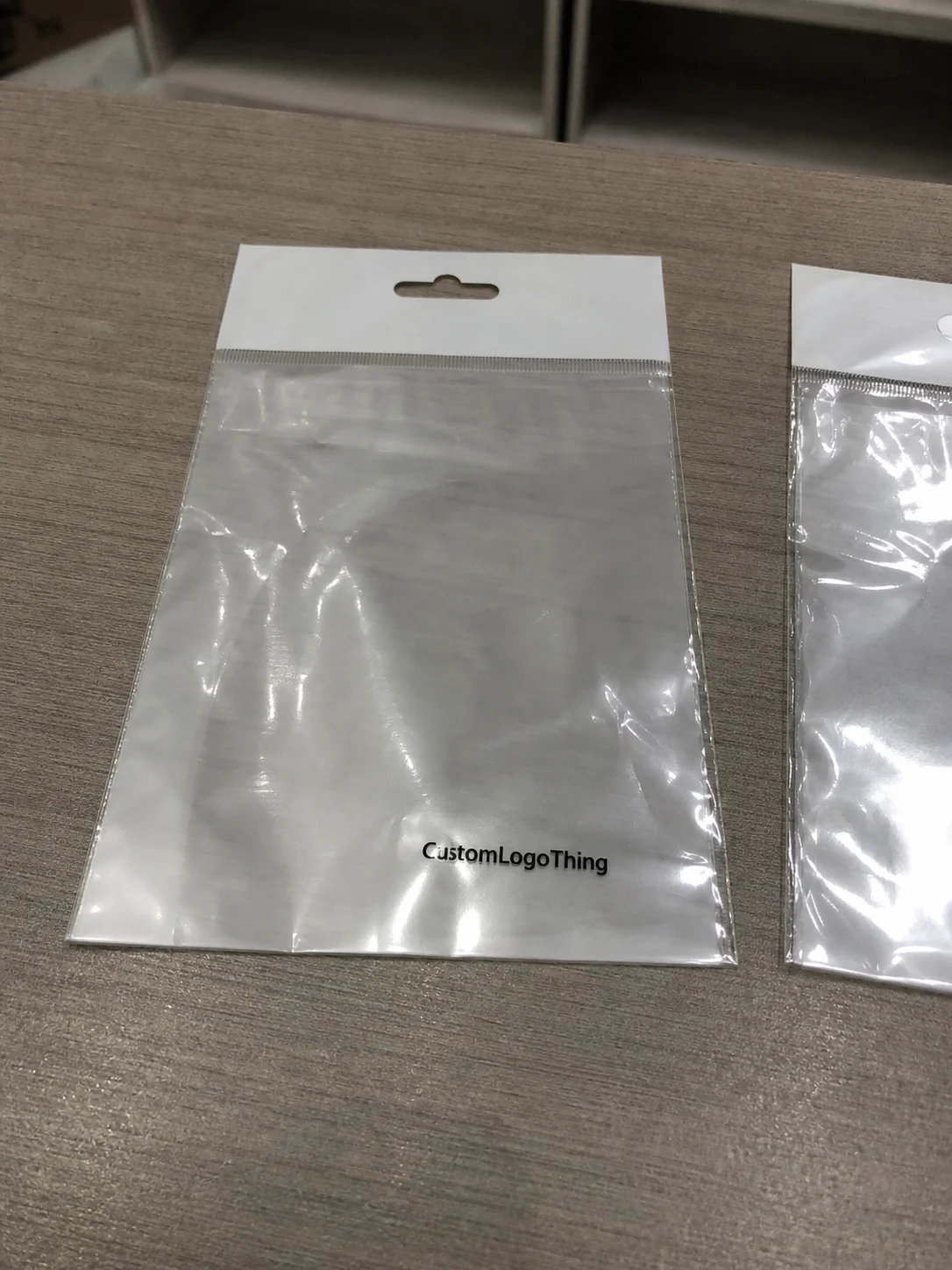
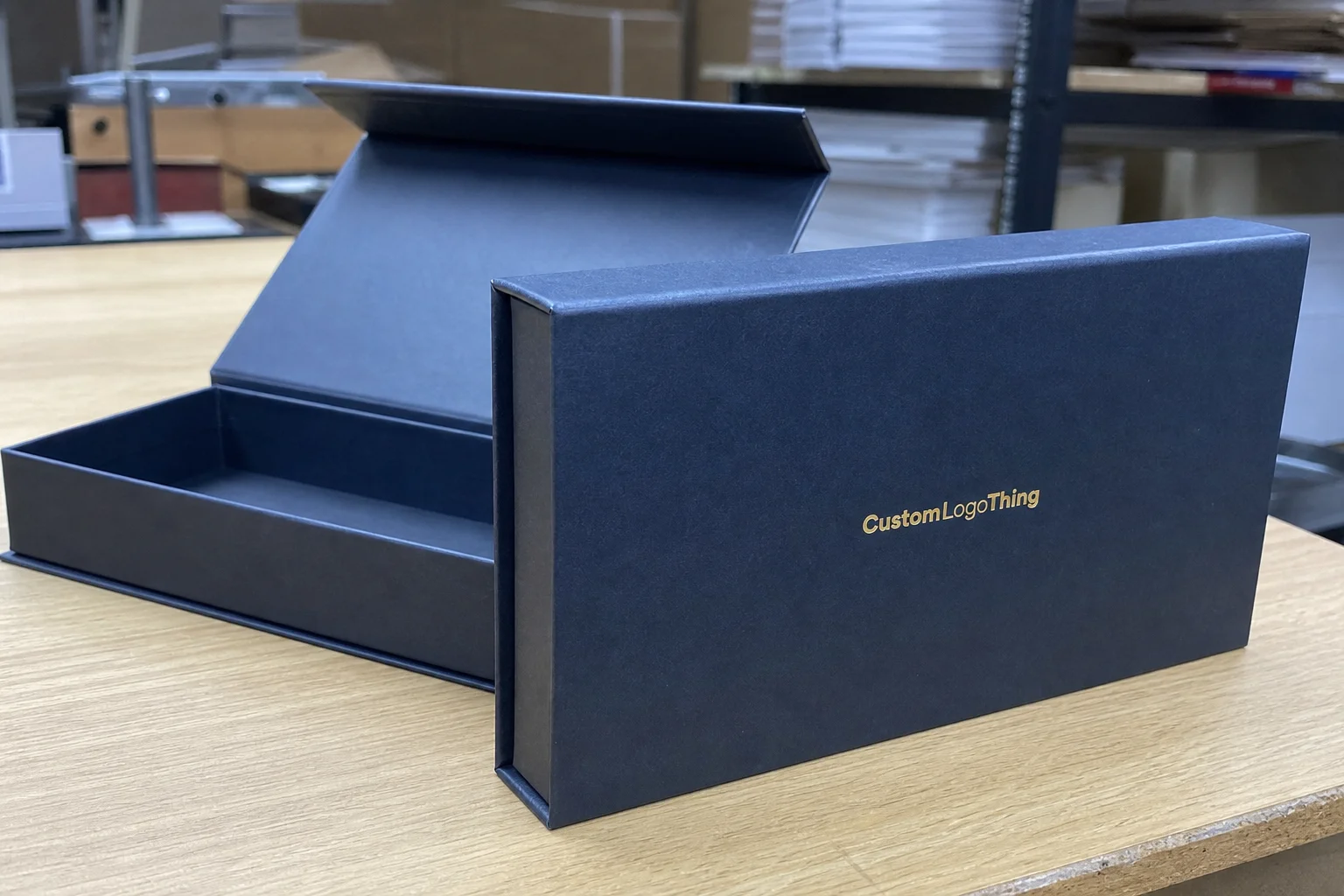
If you are comparing Hang Tags Unit Cost for cosmetics brands, the first thing that usually surprises people is how quickly a small tag becomes a real packaging budget item. A simple paper tag can look inexpensive on a spec sheet, then jump once premium stock, foil, die cutting, stringing, and low quantities enter the quote. That is normal in cosmetics packaging, where the tag has to do more than identify a product; it also has to support shelf appeal, barcode scanning, legal copy, and a polished brand presentation.
From a buyer’s perspective, the real question is not “What is the cheapest tag?” It is “What is the best cost per piece after setup, waste, and revisions are counted?” That shift usually saves money, because a tag that prints cleanly and packs correctly often beats a cheaper quote that creates rework, delays, or visible quality issues on the shelf.
Cosmetics teams also tend to ask for more information on one small piece of cardboard than they would for a larger carton insert. The tag may need to carry ingredients, usage claims, shade or scent identifiers, a barcode, and brand storytelling without looking crowded. That puts pressure on layout, paper choice, and press control. Small format work exposes weak production faster than large-format packaging does.
Why hang tag unit cost changes fast in cosmetics packaging
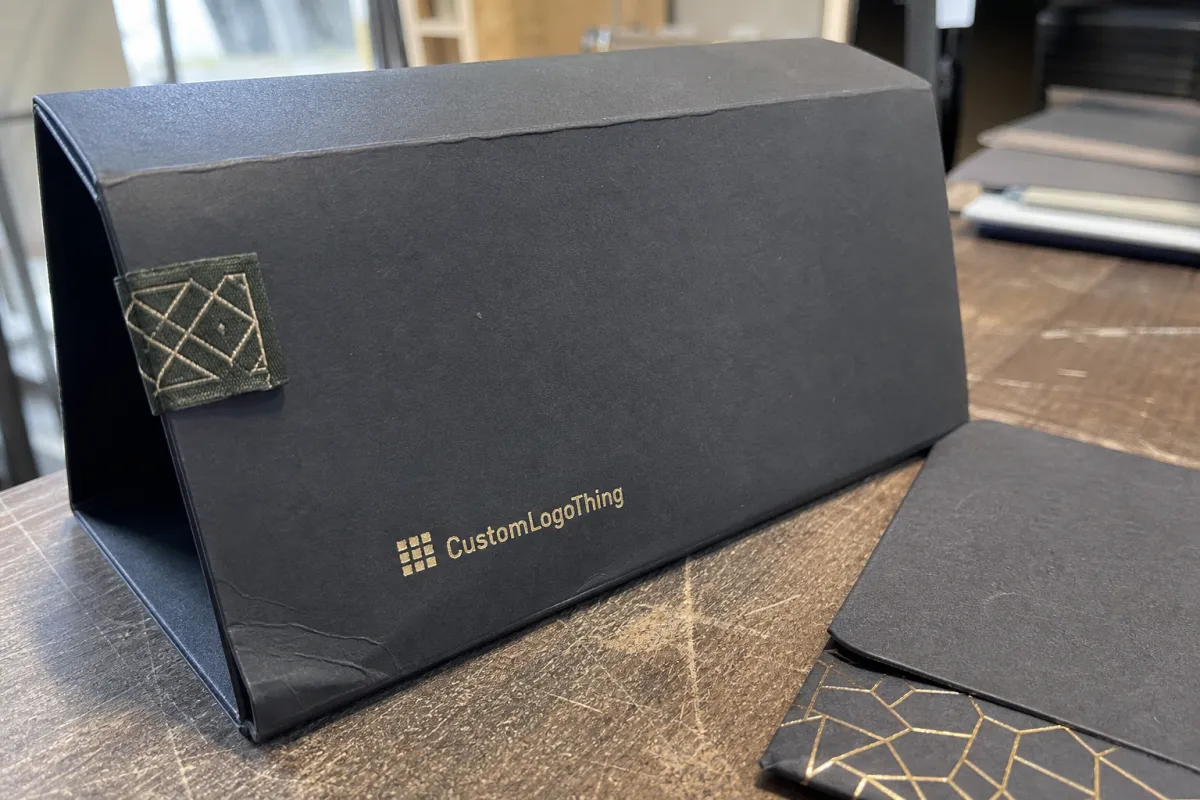
Cosmetics hang tags sit in a tricky part of the packaging mix. They are small enough that buyers expect low pricing, but detailed enough that production can become expensive very quickly. A tag for a fragrance box, skin care bottle, or gift set may need premium paper, sharp four-color graphics, exact trim, a clean punch, and a branded string or fastener. Each of those choices affects unit cost, and not always in a linear way.
The biggest reason Hang Tags Unit Cost for cosmetics brands changes so fast is that setup charges are spread across the order. A run of 1,000 tags may carry the same prepress work, cutting setup, and inspection steps as a run of 10,000, so the smaller order ends up with a much higher price per tag. Add foil stamping or a custom shape, and tooling fees can become a material part of the quote rather than a minor detail.
Cosmetics buyers also tend to expect a more refined finish than buyers in many other categories. A skincare line aimed at minimalist retail shelves may want muted paper texture and precise typography. A fragrance gift set may need metallic accents and heavier board. A body care range sold through multiple channels may need the same tag to look good under bright retail lighting and in e-commerce photography. The tag becomes a small test of how controlled the whole packaging system really is.
“If the tag affects the buying decision, it belongs in the packaging budget. A clean, durable tag in the right quantity is usually better than a flashy quote that hides waste and rework.”
Attachment method matters too. Stringing by hand, using elastic loops, or adding a custom fastener changes labor and packing time. Even the hole style affects speed on press. A reinforced hole or a special punch can improve appearance and durability, but it adds another step that should be priced honestly. For buyers comparing Hang Tags Unit Cost for cosmetics brands, the only fair comparison is the same spec, the same finish, and the same attachment method.
There is also a practical supply-side issue: the tighter the schedule, the more expensive the job tends to become. If a tag needs to be matched to product photography, retailer requirements, or a launch window that does not move, the quote usually reflects added attention. Rush work is possible, but it rarely behaves like standard production.
If you are building a broader packaging program, it helps to review Case Studies and compare tag specifications against other branded pieces such as Custom Labels & Tags. Pricing is easier to understand when you see how one print house handles several formats, not just a single quote.
Cosmetics hang tag materials, finishes, and functional details
The substrate sets the tone. Coated paper stocks print very cleanly, which is why they are common for cosmetics tags with crisp photography or fine type. Uncoated stock has a softer, more natural feel and works well for clean beauty, apothecary, and wellness positioning. Kraft can signal earthiness, though it needs careful design discipline so the brand does not look underfinished. Textured papers and thicker boards raise perceived value, but they usually come with a higher cost per piece and more careful handling on press.
For premium lines, 300gsm to 450gsm board is common, depending on the size and whether the tag needs to stay flat after punching. A 350gsm C1S artboard with a matte or soft-touch lamination often gives a good balance between stiffness and print quality. If the tag is small, too much thickness can make stringing and folding awkward. That is one of those practical details buyers usually learn after comparing samples from more than one run.
Finishes change both appearance and pricing. Matte lamination gives a calm, modern look and helps protect against scuffing. Gloss can make color pop, especially on bright cosmetic branding. Soft-touch feels premium in hand, though it needs careful ink and rub testing because dark solid areas can show marks. Aqueous coating is often a sensible middle ground when you want basic protection without the higher labor of film lamination.
Then there are decorative finishes. Foil stamping adds brightness and luxury cues, especially on logo marks or accents. Embossing creates tactile depth. Spot UV can highlight a logo or pattern, but alignment has to be controlled closely on small tags. These effects are effective, yet they all add time, complexity, and sometimes extra spoilage. That is why Hang Tags Unit Cost for cosmetics brands can vary sharply even when two quotes appear to describe “the same tag.”
Functional content matters just as much as decoration. Cosmetics tags often need room for claims, shade or scent identifiers, barcode space, and legal copy. A buyer should also think about blank areas for pricing stickers or batch information if the tag will be reused across SKUs. If too much information is pushed onto too small a format, the tag starts to look crowded, and the brand message loses clarity.
Attachment details are easy to overlook. A standard punched hole is simple and economical. Reinforced holes help with heavier stocks or repeated handling. Stringing with cotton cord, elastic loop, or custom fastener changes both the final look and the labor plan. If the tag needs a particular direction when attached, confirm that early, because hole placement and orientation can influence efficient production.
One more detail that affects both appearance and price is ink coverage. Large solid black or deep brand-color areas can look rich, but they also show scratches faster and may require more careful packing. Light, open layouts tend to be easier to keep clean through shipping. That does not mean every cosmetic tag should be minimal; it means the finish has to match how the tag will actually be handled.
Size, shape, and print specifications that affect cost
Size is one of the most direct cost drivers. A larger tag uses more paper, more ink, and more finishing time. It also increases packout volume, which matters if you are shipping thousands of tags to multiple warehouses or fulfillment centers. For cosmetic products, common tag sizes often fall somewhere around 1.5 x 2.5 inches up to 3 x 5 inches, though specialty gift sets can run larger. The bigger the format, the more room you have for storytelling, but the price tends to rise with it.
Shape matters even more than many buyers expect. A simple rectangle is the most production-friendly choice. Rounded corners add polish without much complication. Custom die-cut shapes can make a tag memorable, but they introduce tooling and handling considerations. If your logo uses an unusual contour or a silhouette shape, make sure the benefit is strong enough to justify the extra tooling fees and longer setup path.
Multi-panel and folded tags offer more space for instructions, ingredients, or promotional copy. They are useful when the brand wants a compact outer footprint but more internal real estate. The tradeoff is that folding adds another process, and that usually means a higher quote. On small cosmetic tags, even a slight adjustment in fold line or bleed can affect trim quality, so the printer needs accurate artwork before estimating.
Color count is another major factor. Full-color process printing is common, but it is not always the cheapest route if your artwork is simple. A one- or two-color design on a strong paper stock can look elegant and keep bulk pricing more favorable. Double-sided printing raises value, yet it also raises press time and inspection requirements. Variable data, like different SKUs or batch fields, can push pricing higher because each version has to be tracked carefully.
| Spec choice | Typical cost impact | Best use case |
|---|---|---|
| Standard rectangle, coated paper, 1-color print | Lowest setup and cost per piece | High-volume skincare or body care lines |
| Rounded corners, double-sided print, matte lamination | Moderate increase in unit cost | Mid-tier cosmetics and retail gift sets |
| Custom die-cut shape, foil, embossing, soft-touch | Highest unit cost and longer lead time | Hero products and premium launches |
A simple spec checklist saves time on both sides of the quote. Include dimensions, bleed, safe area, stock choice, finish, hole placement, attachment method, and any barcode or legal copy requirements. If the tag will carry certification marks, ingredient warnings, or retail compliance text, send that information early. The quote becomes much more accurate, and the production team can spot problems before they become expensive.
It also helps to confirm whether the tag will be attached to the product during packaging or supplied loose for later use. That one operational choice can change carton packout, labor, and the risk of damage in transit. A tag that is fine in a carton may not be fine once it is threaded, knotted, or clipped to a bottle neck.
Hang tags unit cost for cosmetics brands: pricing, MOQ, and quote factors
Here is the part most buyers really want answered: what drives the price? For hang tags unit cost for cosmetics brands, the main variables are quantity, stock, print complexity, finishing, shape, labor, and packout. If you change even one of those, the quote can move more than expected. That is why two projects that look similar on paper may still land in very different price bands.
Quantity is usually the biggest lever. The lower the order, the higher the unit cost, because the fixed work has to be recovered over fewer pieces. That includes prepress, proofing, press setup, die preparation, and any inspection or packing steps. In many cases, the first 1,000 pieces cost far more per unit than the next 4,000. Once buyers understand that, MOQ stops looking arbitrary and starts looking like simple production math.
Typical MOQ depends on the print method and finishing. Digital printing may support lower quantities, especially on simpler tags, while offset and specialty finishing often need higher volumes to make sense. If you want foil stamping, embossing, or custom die cutting, the minimums are often higher because those processes need more setup and closer control. The best quote is not the lowest MOQ in isolation; it is the one that matches your launch volume and your reorder plan.
To compare pricing fairly, make sure the quotes are truly the same. A 3 x 5 inch matte tag is not equivalent to a 3 x 5 inch tag with foil, a reinforced hole, and stringing. Even small changes in paper brightness or lamination can shift the feel of the piece. Buyers sometimes think a supplier is overcharging when, in reality, they are comparing two different production builds.
For planning purposes, these are common pricing patterns:
- Simple stock, basic print, standard shape: often the best route for strong bulk pricing.
- Mid-tier stock with matte or gloss finish: usually a balanced option for mainstream cosmetics.
- Premium board with foil or embossing: best reserved for hero SKUs or seasonal launches.
Cost control does not mean flattening the brand. It means choosing where the money actually shows. Standardize tag sizes across several SKUs if possible. Use one strong stock across a product family. Keep the shape simple unless the silhouette truly adds value. Reserve premium effects for the front-facing logo area instead of covering the whole tag in decoration. Those choices help maintain quality while improving hang tags unit cost for cosmetics brands.
A good supplier will also separate quote lines clearly, so you can see stock, print, finish, tooling, setup charges, and packout. That transparency matters. If a quote only shows a single lump sum, it is harder to tell whether you are paying for material, labor, or design complexity. Honest breakdowns make future reorders easier too, because you can see exactly where the pricing pressure sits.
For environmental expectations or paper sourcing questions, many cosmetics teams also want to know whether the paper can be FSC-certified or aligned with recycled content goals. If sustainability is part of the brand story, you can review current standards at FSC and general packaging guidance through EPA. Those references do not decide your quote by themselves, but they help you ask better questions.
Production steps and lead time from proof to packed cartons
The production flow is straightforward, but every step depends on clean input. It usually starts with a quote review, followed by artwork checks, proof approval, plate or die preparation, printing, finishing, cutting, inspection, and final packing. On a clean job, that process moves predictably. On a messy job, the delays stack up quickly.
Most delays start before press time. Missing barcode files, unclear finish instructions, low-resolution images, or late copy changes all create revisions. If the client is still debating the tag shape after proofing has begun, the schedule will slip. That is especially true for cosmetic brands with multiple stakeholders, where legal, marketing, and sales may each want a final say. Everyone understands the pressure, but the press room still needs a final file.
For standard jobs, a simple hang tag can often move through production in about 12 to 15 business days from proof approval, depending on workload and material availability. Specialty finishes, custom shapes, and extra QC steps usually extend that timeline. If there is foil, embossing, or hand-stringing, add buffer time. A rush order is possible in some cases, but the price usually reflects the extra attention and scheduling pressure.
Buyer discipline helps more than most people expect. Approve final art early. Confirm all copy before printing. Decide attachment method before the quote is locked. If the line includes several SKUs, make sure the files are named clearly and that every barcode is checked before production starts. These small habits protect both lead time and hang tags unit cost for cosmetics brands.
From a quality control standpoint, the final carton pack matters too. Tags should be counted accurately, edges protected, and corners kept from scuffing. If the tag face is decorated with soft-touch, foil, or dark solids, packaging should prevent rub marks during transit. Good carton packing is not a luxury; it is part of delivering usable product.
One overlooked QC check is hole alignment. Even a neat print run can feel off if the punch sits too close to the edge or lands slightly crooked. Another is ink rub. Soft-touch and matte finishes can look premium, but they need to survive handling from the press to the carton and from the carton to the line. A sample that looks good in a folder is not enough; it has to survive normal warehouse motion.
For buyers who want a broader reference point on packaging standards, the ISTA testing framework is useful when evaluating how printed components travel through distribution. Not every hang tag requires formal distribution testing, of course, but the same mindset applies: if the packaging arrives scuffed, bent, or unreadable, the cost is higher than the invoice suggests.
How to choose a hang tag supplier for cosmetics packaging
Supplier choice should start with manufacturing capability, not just price. Can the team hold trim accuracy on small-format work? Can they keep register stable on fine type, foil accents, or dense legal text? Can they show samples of clean punching and neat edge quality? Those are the questions that tell you whether the supplier can actually support cosmetic packaging, not just print a pretty mockup.
Clear communication is just as valuable. You want a supplier who explains materials, proofing, revision limits, and any added costs before the job starts. If the quote looks low but every small change becomes a new charge, your real unit cost may end up higher than expected. Honest quoting is usually the best sign that the process will stay under control.
Repeatability matters for cosmetics brands, especially when a line has multiple shades, scents, or seasonal variants. The supplier should be able to match prior production runs closely, so a reorder does not look slightly different from the original launch batch. A good partner also understands that brand consistency across SKUs can be just as important as the tag itself.
Watch for practical signs of competence. Clean cutting and punching should leave edges that feel intentional, not torn. Proof files should show bleed, safe area, and hole placement clearly. Carton packing should protect printed surfaces from rub. If a vendor cannot explain how they count, bundle, and label cartons, they may be less prepared for reorder work than they appear on the quote.
- Look for clean cutting and punching: the edge finish should feel intentional, not rough.
- Ask about proofing and revisions: one clear proofing process avoids expensive confusion.
- Check carton packing standards: corners, faces, and print surfaces should be protected.
- Confirm reorder support: the supplier should track prior specs for future jobs.
If you are comparing more than one vendor, ask them to quote the same spec sheet and the same artwork conditions. That is the only fair way to judge hang tags unit cost for cosmetics brands. Samples help too, because they reveal more than a polished sales sheet ever will. Small details like hole alignment, lamination smoothness, and print density often show how the supplier really runs production.
Best next steps for quoting hang tags and launching production
The fastest way to get a usable quote is to send a complete spec sheet. Include dimensions, quantity, stock preference, finish, print sides, hole type, attachment method, and any barcode or legal text needs. If you can, add a reference sample or a simple notes file that shows what matters most: price, premium appearance, durability, or speed. That saves a lot of back-and-forth.
Send artwork in editable or press-ready form. The printer needs enough detail to check layout, copy spacing, barcode placement, and the safe area around the trim. A rough image may be fine for a concept review, but it is not enough for final costing. The cleaner the file, the more accurate the quote and timeline will be.
It also helps to request two or three comparable builds. For example, ask for a value version, a mid-tier version, and a premium version. That makes the tradeoffs visible immediately. One option may use a standard coated paper with no special finish. Another may add matte lamination. A third may include foil or embossing. Seeing all three side by side usually makes the budget conversation much easier.
Before placing the order, confirm MOQ, proof timing, production lead time, and packout details. Ask how the tags will be counted, bundled, or carton-packed. If the launch is tied to a retail deadline or a product ship date, build a little buffer into the schedule. That buffer costs less than a missed launch.
For cosmetics teams that want a better handle on hang tags unit cost for cosmetics brands, the practical path is simple: define the spec clearly, compare like with like, and spend premium dollars where the customer actually sees them. That approach keeps the brand polished, protects the budget, and reduces waste.
There is a second payoff too. Once one tag is spec’d correctly, the next reorder becomes faster and easier. The team already knows the paper, finish, attachment, and carton pack that work. In packaging, that kind of repeatability is often worth more than chasing the lowest starting quote.
What affects hang tags unit cost for cosmetics brands the most?
Quantity is usually the biggest driver because setup costs are spread across fewer or more pieces. Premium finishes, custom die cuts, and thicker stocks raise the unit cost quickly. Artwork complexity, double-sided print, and tight registration on small tags can also increase pricing.
What MOQ is typical for cosmetic hang tags?
MOQ depends on print method, size, and finishing, but smaller custom runs usually cost more per tag. Digital or simpler offset runs may support lower quantities, while specialty finishes often need higher minimums. The best quote is the one that matches your actual launch volume and reorder plan.
How can I lower my hang tag pricing without making the tag look cheap?
Use a standard size, keep the shape simple, and limit expensive finishes to the most visible side. Choose a quality stock with a clean matte or gloss finish instead of stacking several premium effects. Standardizing one tag format across multiple SKUs can reduce setup cost and simplify ordering.
How long does production usually take for cosmetic hang tags?
Simple jobs can move quickly once artwork is approved and materials are confirmed. Custom shapes, foil, embossing, and extra proofing usually extend the schedule. Fast approvals from your team are one of the easiest ways to protect the lead time.
What file details should I send to get an accurate quote?
Send final dimensions, quantity, print sides, stock preference, finish, hole placement, and attachment method. Include press-ready artwork or editable files, plus barcode and legal copy if needed. The more complete the spec sheet, the more accurate the quote and timeline will be.