A serum bottle can look polished on its own. A hang tag is often the part that makes the package feel complete. It gives the product another surface for the brand story, usage details, ingredient highlights, or a subtle premium cue. For buyers comparing Hang Tags Unit Cost for skincare brands, the real decision is rarely about price alone. It is about whether the tag helps the product look more credible, easier to shop, and easier to gift.
That matters because skincare packaging has a narrow margin for error. A label that is too crowded looks cheap. A carton can be overkill for a low-AOV item. A hang tag sits in a useful middle ground: visible, flexible, and usually cheaper than a full custom box. That is why Hang Tags Unit Cost for skincare brands should be reviewed with the same care as stock choice, closure systems, and print finish.
Why hang tags can change the shelf value of skincare packaging
Skincare is a visual category, but it is also an information category. The buyer wants to know what the product does, what is in it, how to use it, and why it is worth paying for. The package has to carry all of that without becoming cluttered. A hang tag gives the brand another place to tell the story without compressing the primary label into a block of tiny type.
That second surface is more valuable than it sounds. A small bottle with a strong label still reads as a commodity if the presentation is flat. Add a well-built tag and the same product can feel more intentional, more giftable, and more aligned with a retail environment. The difference is especially noticeable on shelves where many products share similar bottle shapes and similar claims. A tag becomes a visual separator.
There is also a practical side. A hang tag can carry a short brand statement, batch space, QR code, scent note, ingredient highlight, or instructions that would otherwise crowd the main label. For sets, samples, spa retail items, and limited editions, it can hold together a design system that would otherwise feel fragmented. On a shelf, that coherence matters. In e-commerce, it matters even more, because the unboxing image is often the first physical-looking proof of quality.
A useful tag behaves like a second label, a mini product sheet, and a quality signal at the same time. If it only decorates, it is easy to cut. If it adds clarity and value, it earns its place quickly.
That is the practical lens buyers should use when reviewing Hang Tags Unit Cost for skincare brands. A cheap tag that curls, smears, or looks out of register can drag the whole package down. A slightly more expensive tag that matches the bottle, survives handling, and communicates cleanly usually saves money in a broader sense because it supports the product’s perceived value.
Product details that affect hang tag performance and appearance
Not all skincare tags behave the same way. The product format changes the spec. A hang tag on a shampoo bar, a jar of cream, a serum bottle, and a gift set will not face the same handling conditions, and the material needs to reflect that.
Stock choice is the first decision that moves both look and cost. Coated paper gives sharper print and richer color. Uncoated stock feels softer and more natural. Kraft is useful for earthy or minimalist positioning. Cotton or textured specialty stock can lift a premium line, though it is not always the best option if the design depends on very fine detail. Many brands also choose FSC-certified paper when they want a documented sourcing story, but the claim should always match what the supplier can actually certify. If sustainability is part of the packaging brief, check the standard rather than relying on broad wording; the FSC framework is a useful reference point.
Thickness matters more than many first-time buyers expect. A light tag can look fine on screen and collapse in hand. On a bathroom shelf, near humidity, or around oils and lotions, that same tag can curl at the corners or pick up marks. Heavier stock typically resists wear better and gives a more stable feel. A 14pt or 16pt paperboard tag is common for straightforward work; premium presentations may move up from there if the design and budget justify it. The right answer depends on the size of the tag, the finish, and how the product will be handled.
Finishing changes the character of the piece almost as much as the artwork does. Matte lamination creates a calm, understated finish. Gloss can make color look brighter. Soft-touch adds a tactile layer that reads as luxury, but it also adds cost and can show scuffs differently. Foil stamping, embossing, and spot UV can all strengthen the presentation, yet each one adds setup and inspection points. A lot of budget surprises come from stacking several effects on a small tag and assuming the increase will be modest. It usually is not.
Common attachments and structural choices
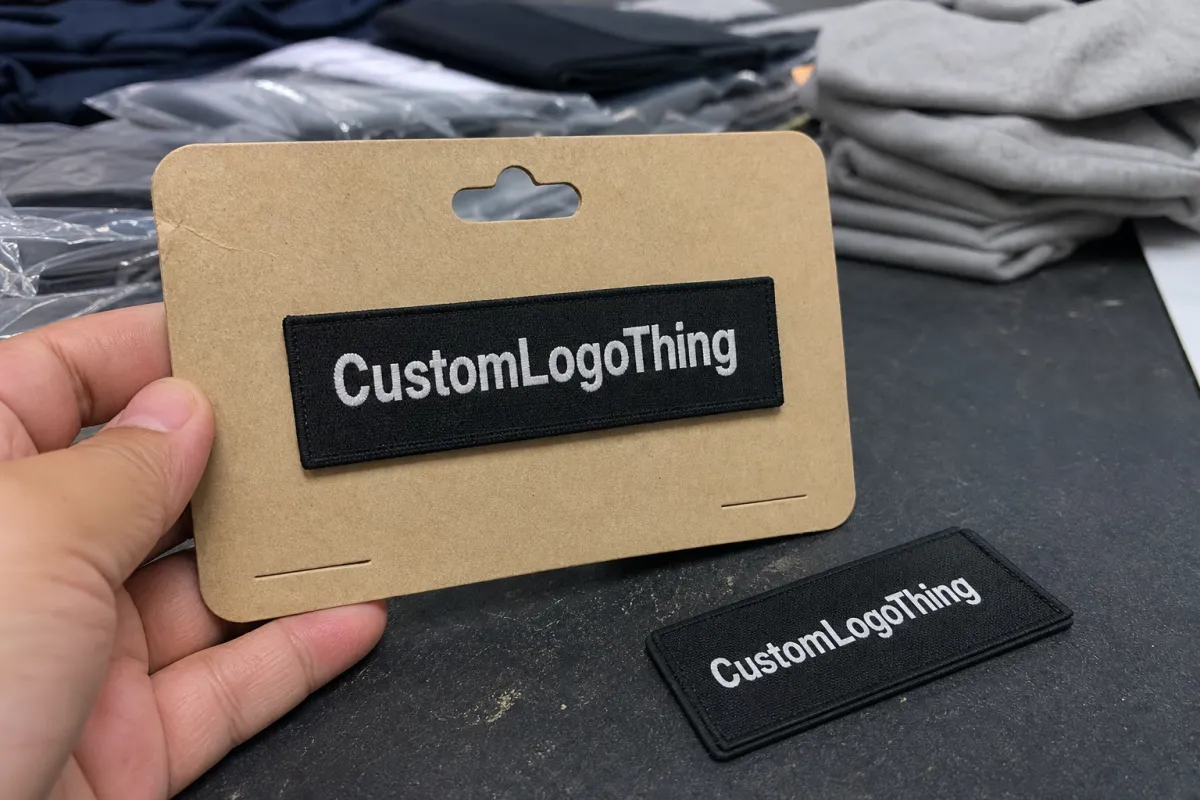
Attachment method is not a minor detail. Cotton cord gives a natural feel. Ribbon feels more gift-oriented. Twine can support a rustic or handmade image. Simple string is usually the most economical. The hole itself matters too: size, placement, and reinforcement all affect how the tag hangs and how cleanly it travels through production.
Some tags are flat and straightforward. Others are folded or multi-panel because the copy block has to carry ingredients, warnings, directions, a barcode, and sometimes multilingual text. That choice changes the economics. A folded tag needs more planning, more artwork discipline, and more care around fold lines and safe zones. If the text is long, a multi-panel tag is often better than trying to force everything onto one side and shrinking the typography until it becomes unreadable.
There is also the handling environment. Tags used on products that sit near sinks, in spa rooms, or in retail areas with high touch traffic need better resistance to moisture, oils, and abrasion. A beautiful sample board is not enough. The tag has to survive real handling, not just a photo shoot. That is where material testing, corner durability, and print rub resistance start to matter.
The best-looking tag is not always the most expensive one. In many cases, a clean uncoated stock, precise color, and a well-sized hole outperform a heavily finished piece that tries to do too much. Buyers comparing Hang Tags Unit Cost for skincare brands should compare feel, durability, and shelf behavior alongside the quoted price. A low-cost tag that fails in the hand is not cheap.
Specifications buyers should confirm before requesting a quote
A useful quote starts with a usable spec. “Custom skincare tags” is too vague to price accurately. Suppliers need the finished size, stock type, print sides, number of colors, coating or lamination, hole size and placement, attachment method, quantity, and any special finish before they can give a number that holds up after proofing.
Artwork format matters as well. A clean PDF or AI file with proper bleed and safe margins saves time. If the tag shape is custom, a dieline should be part of the conversation early. If brand colors are strict, spot colors need to be called out instead of implied. If the tag carries a barcode, QR code, or batch area, those elements need enough quiet space around them to scan and print cleanly.
Skincare packaging often brings its own copy burden. Ingredient statements, warnings, usage instructions, country-of-origin lines, and compliance copy can all eat space quickly. That is why a flat one-panel tag is sometimes the wrong format. Folded and multi-panel structures are not decorative extras; they are often the only realistic way to fit the information without turning the tag into a wall of small type.
A product photo is one of the most useful things a buyer can send. A bottle, jar, tube, or outer wrap changes the scale of the tag. A tag that feels balanced on a square carton may look oversized on a slim dropper bottle. The supplier should be able to use that photo to recommend proportions that do not interfere with caps, necks, pump tops, or existing label areas.
Before requesting pricing, it helps to confirm these points internally:
- Finished size and whether the design is flat, folded, or multi-panel.
- Stock preference, thickness range, and whether FSC-certified paper is required.
- Print method, number of colors, and whether color matching is strict.
- Coating, lamination, or special finish requirements.
- Hole size, hole position, and string or ribbon choice.
- Quantity by SKU, not just the total order size.
- Packaging photo and the deadline for approved art.
The cleaner the brief, the cleaner the quote. That is one of the easiest ways to keep hang tags unit cost for skincare brands from drifting upward after the project starts.
Hang tags unit cost, pricing tiers, and MOQ considerations
Unit cost falls as volume rises. That is simple manufacturing economics: setup, cutting, plate work, proofing, and finishing are spread over more pieces. The shape of the curve depends on the spec, but the direction does not. A 1,000-piece run and a 10,000-piece run are rarely priced the same way, even if the artwork is identical.
Several choices move the price more than buyers expect. Stock choice matters. Size matters. Print coverage matters. Specialty finishes matter. Manual assembly matters. A simple one-color tag on coated paper with no stringing will sit at the low end. Add soft-touch coating, foil, embossing, or a folded structure and the number climbs quickly. That climb is not arbitrary; it reflects extra materials, extra machine passes, and extra inspection time.
The most useful way to think about hang tags unit cost for skincare brands is in tiers, not as a single number. The bands below are practical planning ranges, not fixed quotes, and freight is separate.
| Option | Typical use | Typical unit cost at mid to higher volumes | Notes |
|---|---|---|---|
| Simple printed tag on coated paper | Entry-level skincare, promotions, sample kits | Low cents per piece | Usually the strongest choice for budget control and faster production |
| Mid-range tag with matte or soft-touch finish | Mainline skincare and premium retail items | Moderate cents per piece | Better hand feel and shelf presence, especially on giftable items |
| Specialty tag with foil, embossing, or spot UV | Prestige launches and display-ready sets | Several times the base tag cost | Best reserved for lines where visual impact justifies the extra cost |
| Folded or multi-panel informational tag | Products with ingredients, directions, or compliance copy | Mid to higher cents per piece | More space, but more print and finishing complexity |
MOQ, or minimum order quantity, changes the math again. Smaller runs help launch testing, seasonal drops, and limited editions. Larger runs reduce the cost per piece, but they also increase total spend and inventory risk. For a brand still refining its packaging system, a lower MOQ can be worth paying for. For a product line with stable demand, the economics of a larger run usually win.
Fixed charges are easy to miss in a headline quote. Proofing, tooling, die cutting, plates, stringing, assembly, and freight can all sit outside the unit price. That is why a quote that looks lower on paper can cost more in practice once all the line items are included. The best comparison is a full landed estimate, not a single per-piece number stripped of context.
There are a few ways to reduce cost without flattening the brand. Standard shapes are usually cheaper than custom contours. A slightly smaller tag can trim material usage and make the layout more efficient. Limiting finishes to one strong effect often saves more than layering several small upgrades. If multiple SKUs use the same structure with variable text, production becomes simpler and the quote becomes easier to hold.
Production steps, proofing, and lead time expectations
A good production process is predictable. The normal sequence is inquiry, spec review, quote confirmation, artwork check, digital proof, sample or press proof if needed, production, finishing, quality inspection, and shipment. Each step has a purpose. The job becomes slow when one of those steps is skipped or rushed without a clear decision.
Artwork is the most common source of delay. Missing bleed, last-minute copy changes, barcode corrections, and finish revisions can stop a job that was otherwise ready to print. If more than one person on the brand side is approving files, the schedule usually stretches. A single final approver is often the cleanest way to keep momentum.
Lead time depends on complexity. A simple printed tag usually moves faster than a custom shape with foil and stringing. A straightforward order can often be produced in roughly 10 to 15 business days after proof approval. More complex builds may need 15 to 25 business days or more, especially if they require multiple finishing steps, manual assembly, or a pre-production sample.
That schedule should be planned against the launch calendar, not only the print date. If the products are being filled, kitted, or staged for retail, the tags need to arrive before those downstream steps start. A late tag is not a minor delay. It can hold up the whole packaging line.
Quality control should be more than a visual scan. Useful checks include color consistency, trim accuracy, registration, hole placement, edge cleanliness, adhesion of coatings or laminations, and string attachment strength. If the tag has foil or embossing, the supplier should check for sharpness and alignment. If it is being shipped long distances or through mixed logistics environments, packaging and transit standards from groups such as ISTA are worth reviewing, even if the order itself is simple.
Approval speed matters because it affects both schedule and cost. A prompt proof response keeps the order moving and reduces the chance of rework. That is one of the quiet reasons hang tags unit cost for skincare brands can rise or stay stable: the same spec costs less when the approval process is clean.
What makes our hang tag production a good fit for skincare lines
Skincare packaging is unforgiving in a small way. Everything sits close together. The bottle, label, cap, string, and tag all sit in the same visual field, which means weak cutting or inconsistent color is easier to spot than it would be on a larger retail item. That proximity is why consistency matters more than dramatic claims.
A reliable production partner should be able to handle stock selection, color stability, finish choice, and structural recommendations without making the brief more complicated than it needs to be. If a line is clinical, the tag should feel precise. If the range is natural or spa-oriented, the stock and finish should support that language. If the product is prestige, the tag should look intentional instead of overloaded.
The most useful quality checkpoints are usually the least glamorous ones: clean edges, accurate registration, consistent coating, durable hole drilling, and secure string attachment. Those details decide whether the tag feels ready for shelf or looks like a prototype. Buyers do not need a factory tour to know the difference. They just need a finished piece that behaves the way the proof did.
That is also where clear quoting matters. A good quote should separate the base build from the extras so the buyer can see how much each decision adds. If the order is being compared against labels, cartons, or other branded accessories, a structure like the one on our Custom Labels & Tags page can help narrow which format fits the product and budget best.
The strongest results usually come from keeping the spec focused. Send the product photo, the target look, the deadline, and a realistic budget range. Then let the production side suggest the most practical stock and finish combination. That approach usually beats trying to force every premium idea onto a tiny tag.
Next steps to order the right hang tag for your skincare launch
Before asking for pricing, gather the essentials: finished size, quantity, material preference, finish preference, print sides, attachment method, artwork file, and delivery deadline. That information gives the supplier a real basis for quoting and makes it easier to compare hang tags unit cost for skincare brands across options that are actually comparable.
It also helps to send one reference image and one current packaging image. The reference image shows the style direction. The product photo shows the physical constraints. Those two assets often produce better recommendations than a long email thread full of adjectives.
If the line is still being refined, ask for two quote versions: a standard build and a premium build. The gap between those two numbers is often the clearest way to judge which finishes are worth the extra spend. A foil edge, a soft-touch coat, or a folded panel can be justified if it materially improves the package. If not, the simpler structure usually wins.
For small launches, a sample run or simplified spec can be a smart first step. It gives the brand a real read on color, feel, and fit before committing to a larger quantity. Once the structure is locked, the order becomes easier to scale and the quote becomes easier to trust.
The basic rule is straightforward. A good hang tag should fit the product, the budget, and the schedule without forcing the packaging system to bend around it. If you are comparing options, the real question is not only what the tag costs per piece. It is whether the tag does enough work to justify the spend.
FAQ
What affects hang tag unit cost for skincare brands the most?
The biggest drivers are quantity, stock choice, size, print coverage, and any premium finishing such as foil, embossing, spot UV, or soft-touch coating. Manual stringing, folded structures, and special die cuts also increase labor and can push the unit cost higher.
What MOQ should skincare brands expect for custom hang tags?
MOQ depends on the build. Simple printed tags usually have lower minimums than specialty tags with multiple finishes or assembly steps. If a launch is small, ask for a standard spec first; that often gives more room to control both MOQ and unit cost.
Can hang tags include ingredients, usage instructions, or QR codes?
Yes. Folded and multi-panel tags are often used when skincare brands need room for ingredients, warnings, directions, icons, or QR codes. The layout just needs enough safe space around folds, trim edges, and holes so the text stays legible and the code scans properly.
How long does hang tag production usually take?
Simple printed tags can move in roughly 10 to 15 business days after proof approval. More complex tags with custom shapes, multiple finishes, or stringing usually need more time. The fastest way to protect the schedule is to lock artwork before the quote is confirmed.
What should I send to get an accurate quote for skincare hang tags?
Send the finished size, quantity, stock preference, finish preference, print sides, artwork file, and any attachment requirements. A product photo is also useful because it helps the supplier recommend a tag size that fits the bottle, jar, tube, or box without crowding the rest of the packaging.