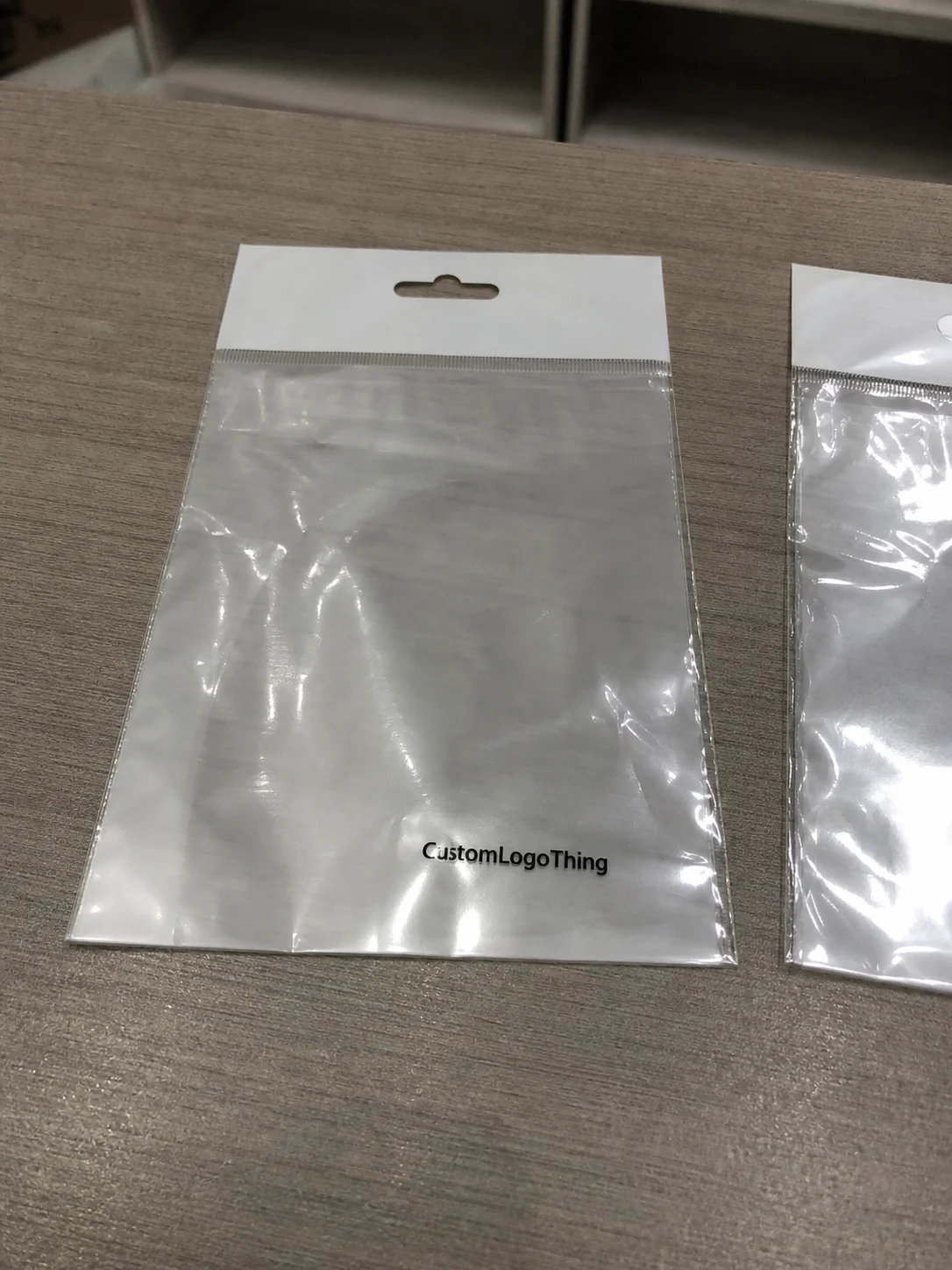
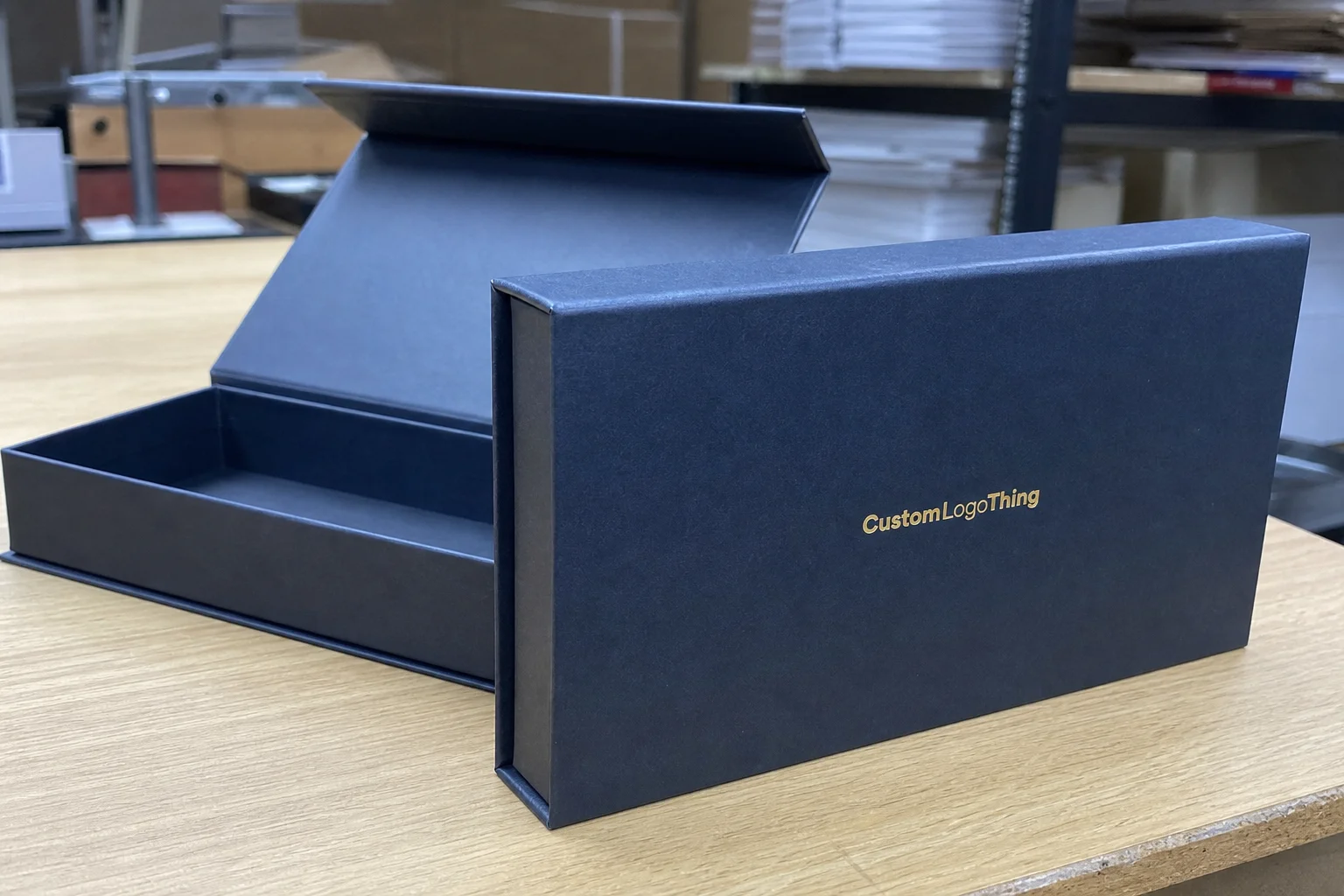
If you are pricing Hang Tags Unit Cost for ecommerce brands, the first mistake is treating a tag like a throwaway accessory. A well-built hang tag can make a basic product feel more considered, more organized, and more worth the asking price, while still costing only a small amount per piece when the specs are chosen with care.
That is why smart buyers do not just ask, “What is the cheapest tag?” They ask what the tag is doing for the money. A cleanly printed tag can carry size, SKU, barcode, care notes, brand story, and retail information in one compact item, which helps both packing teams and customers. For brands selling online, that can mean fewer questions, smoother fulfillment, and a presentation that feels more complete from the moment the parcel is opened.
From a packaging buyer’s point of view, the real decision is not only the Hang Tags Unit Cost for ecommerce brands, but whether the tag earns its keep through better branding, faster handling, and fewer mistakes in the pack-out process.
Why hang tags can lower perceived cost while raising perceived value
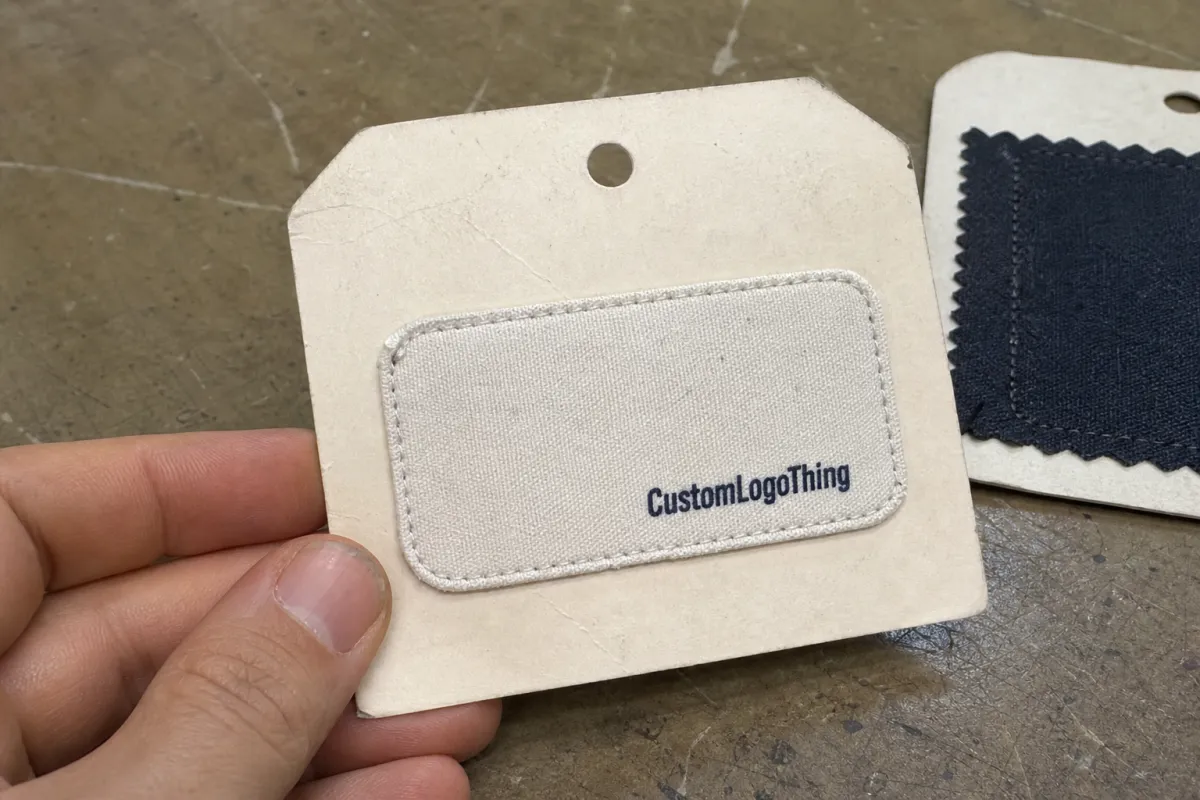
A modest product can look substantially more premium when it carries a good hang tag. In apparel, accessories, and giftable goods, the tag often becomes the first evidence of brand discipline. Buyers make quick judgments from typography, stock choice, edge quality, and how the tag sits on the item. That judgment happens before the product is touched.
The practical advantage is that hang tags do more than decorate. They hold the details that keep ecommerce operations moving: product name, variant, size, SKU, barcode, QR code, price, and care instructions. When all of that is handled on one compact piece, the brand does not need to rely on extra inserts or more expensive secondary packaging just to look organized.
There is also a trust effect. A tag that feels intentional can support confidence, especially for first-time buyers who cannot inspect the product in person before purchase. It will not rescue weak photography or confusing copy, but it does reinforce the message that the brand pays attention to details.
A hang tag should earn space in the package by doing useful work, not by adding visual noise.
For many ecommerce brands, the best result comes from a tag that feels clean and current rather than crowded. The money tends to go further when the layout is disciplined, the material is appropriate, and the finish is chosen for durability instead of flash. That is how Hang Tags Unit Cost for ecommerce brands can stay controlled while the product presentation improves.
If you want to see how tags fit into broader brand execution, it helps to review real packaging examples in our Case Studies and compare them with other Custom Labels & Tags solutions.
Material and print choices that change the finished tag
Material choice is one of the biggest levers in the quote. A coated paperboard tag usually prints crisp and bright, which suits fashion, lifestyle, and general retail presentation. Uncoated stock feels more natural and writable, which is useful when the tag needs signatures, stamps, or handwritten notes. Kraft sends a more earthy message and often works well for handmade, organic, or rustic brands, although print contrast needs to be planned carefully.
When a buyer asks about Hang Tags Unit Cost for ecommerce brands, the real question is often visual intent. If the goal is a premium feel, a thicker board in the 18pt to 24pt range can add stiffness and a more substantial handfeel. If the goal is efficient branding at scale, a standard board with strong print design may be the better choice. Specialty paper with texture or a linen-like finish can look excellent, but it usually adds cost and may limit fine-detail reproduction.
Print method matters just as much. Digital printing is usually the practical route for shorter runs, variable artwork, and faster turnaround. Offset printing tends to make more sense when quantities climb and color consistency matters across a larger batch. Spot colors can help maintain brand accuracy, but they may introduce extra setup charges if the job is more complex than a simple CMYK layout.
Finishing is where a tag can either feel polished or start getting expensive quickly. These are the most common choices:
- Matte coating for a soft, non-reflective look
- Gloss coating for brighter color and added surface protection
- Soft-touch lamination for a smoother premium feel, though it is usually priced higher
- Foil stamping for metallic accent, best used sparingly
- Embossing or debossing for tactile depth
- Round-corner die cutting for a refined edge and easier handling
Structural choices also affect cost and usability. A single-sided tag with minimal ink coverage is almost always more economical than a double-sided tag with heavy artwork. If the tag needs a drill hole, custom shape, barcode, or variable data, those details should be specified up front because they influence the production path. In practice, the more a tag asks the press and finishing department to do, the more likely the unit price will move upward.
That does not mean every premium detail is wasteful. It means the decoration should match the channel. A direct-to-consumer apparel brand may need a strong brand story on the back. A boutique wholesale line may need cleaner retail data and a tighter pack-out format. The smartest hang tags Unit Cost for Ecommerce Brands comes from matching the structure to the job, not from copying the most elaborate tag in the market.
Spec options buyers should confirm before requesting a quote
A quote is only as accurate as the spec sheet behind it. Before asking for pricing, confirm the finished size, shape, board thickness, print sides, quantity, and whether the tag is flat or folded. That one list will eliminate a surprising number of quote revisions later.
Hole placement is another detail people underestimate. A center hole, corner hole, or punched slot can affect both presentation and packing efficiency. If the tag will hang on apparel, a central drill hole may be fine. For accessories or small goods, a corner punch can look cleaner and reduce interference with product hangers or display hardware.
Also decide whether the tag needs practical data space. Some brands want a writable area for batch notes. Others need barcodes, QR codes, care icons, or legal copy. If the tag is being used on garments, think through the full information stack early so you do not end up squeezing important content into a space that is too small to read.
Artwork readiness matters too. Printers generally prefer vector files for logos and line work, with bleed and safe area clearly set. CMYK is standard for process color jobs, while Pantone matching may be necessary if the brand has strict color requirements. If the supplier is expected to check every detail from scratch, expect the quoting and proofing process to take longer. Clear files reduce friction, and that helps the hang tags unit cost for ecommerce brands stay closer to the original estimate.
Here is a practical spec checklist buyers should have ready:
- Finished size and shape
- Material preference and thickness
- Print side count
- Quantity and replenishment expectation
- Hole style and placement
- Attachment method, such as string, cord, or elastic loop
- Barcode, QR code, or variable data needs
- Any required compliance copy or care information
- Ship-to address and delivery window
Different product categories also need different thinking. Jewelry tags are usually smaller and need a lighter visual footprint. Apparel tags often need durability and clear data zones. Home goods may need more room for brand messaging or product instructions. The right spec is the one that fits the item without forcing excess material or unnecessary finishing into the job.
| Tag spec choice | Typical effect on unit cost | Best use case |
|---|---|---|
| Standard size, single-sided, coated stock | Lower | High-volume DTC basics, simple branding |
| Double-sided print, moderate coverage | Moderate | Apparel with story, care, and SKU data |
| Thicker board, soft-touch, foil accent | Higher | Premium launches, giftable goods, retail presentation |
| Custom die cut, variable data, specialty attachment | Highest | Highly branded campaigns or complex product lines |
That table is not a strict pricing sheet, because every factory calculates differently, but the pattern is consistent: cleaner specs usually produce better cost per piece, while special features raise the total. The buyer’s job is to decide which features are truly carrying value and which are just consuming margin.
Hang tags unit cost, MOQ, and quote drivers explained
This is where the commercial side gets real. Hang tags unit cost for ecommerce brands is shaped by a handful of variables that are easy to overlook if you only compare headline pricing. Material thickness, print coverage, finishing, quantity, packaging configuration, and attachment components all affect the final number.
MOQ, or minimum order quantity, is one of the biggest reasons unit cost changes. A smaller run usually carries a higher per-unit price because setup, prepress, die work, and finishing are spread over fewer pieces. A larger run often brings down the cost per piece, but only if the brand can actually use the quantity before the design changes or the season shifts.
That is why bulk pricing should be examined with caution. A low piece price on a large order can look attractive until you realize the design is likely to change in three months, or the tags include too much inventory risk. In practical terms, the “best” MOQ is the one that fits the sales cycle, not the lowest entry point a supplier can offer.
Tooling fees and setup charges deserve a direct conversation. A plain rectangular tag may not need much beyond print setup, while a custom shape, embossed detail, or special hole pattern can add tooling or die-cut expense. Some suppliers roll these into the quote; others list them separately. Either way, they are real costs, and they should not be a surprise during approval.
Here is a general pricing lens buyers can use. These are not universal numbers, because size and finish change everything, but they are realistic planning ranges for many standard hang tag jobs:
- Simple digital tag runs: often around $0.15-$0.35 per piece at smaller quantities
- Mid-volume standard tags: often around $0.08-$0.20 per piece as quantity rises
- Premium tags with special finishes: often around $0.25-$0.60+ per piece depending on foil, embossing, or custom die cuts
Those numbers can move quickly if the job needs custom strings, kitting, insertion, or separate packing instructions. Even shipping can alter the final landed cost, especially on small orders where freight makes up a meaningful part of the total. That is why buyers should ask for a quote that includes the full picture, not just print pricing.
Honestly, the cheapest quote is not always the best value. A tag that scuffs easily, prints poorly, or arrives with inconsistent cut quality can cost more in rework, replacements, and brand damage than a slightly better spec would have cost upfront. The smart buyer compares the quote against durability, legibility, and presentation, then decides which compromise is actually acceptable.
For ecommerce brands with tight margins, this is the sweet spot: simplify the tag enough to control setup charges, keep the design crisp, and reserve premium finishes for the products that genuinely benefit from them. That approach is how hang tags unit cost for ecommerce brands stays aligned with both budget and branding.
Production steps, proofing, and lead time from artwork to shipment
The production path is usually straightforward, but the timing depends on how ready the artwork and specs are. A typical job moves from quote request to file review, proof approval, production, finishing, quality check, packing, and shipment. When each stage is clear, the process stays predictable. When one piece is missing, the schedule starts slipping.
Delays most often come from incomplete files, unclear dimensions, late color changes, or a surprise request for special finishing after the quote has already been approved. If a barcode has not been tested, or the final copy is still changing, production can stall while the supplier waits for confirmation. That is especially common on launch projects where marketing and operations are not fully synchronized.
Lead time depends heavily on the print method. Digital runs are generally faster because they avoid some of the press setup associated with offset work. Offset printing can offer excellent consistency at higher volumes, but it usually takes more coordination. Foil stamping, embossing, custom cutting, and added assembly can extend the schedule because each step needs its own setup and inspection.
To keep the timeline moving, buyers should prepare these items early:
- Final dimensions and quantity
- Logo files in vector format
- Approved copy and product details
- Barcode or QR data
- Finish and attachment preferences
- Ship-to details and receiving requirements
A realistic turnaround for a standard job is often around 12-15 business days from proof approval, though that depends on quantity, finishes, and workload. Specialty jobs can take longer. If the order is tied to a seasonal launch or retail deadline, it is better to build in extra time than to plan too tightly and rush the finishing department.
Good communication helps here. Buyers should expect proof files, sample images if requested, and shipping updates once the order moves into packing. That level of visibility is not a luxury; it is part of reliable production management. For brands measuring hang tags unit cost for ecommerce brands, the schedule matters because a late tag can delay the launch of an entire SKU.
For broader packaging standards and sustainability context, industry references can help. The Packaging School and packaging industry resources are useful for general packaging education, and the ISTA testing framework is worth reviewing if tags are traveling with heavier or more delicate goods in transit.
How to choose a hang tag supplier that fits ecommerce operations
Price matters, but it should not be the only filter. A good supplier brings consistency in material, print accuracy, finishing control, and reordering. For ecommerce brands, the ability to repeat a color correctly and keep SKU information organized can be just as valuable as a low initial quote.
It also helps when the supplier can scale. A small pilot order may be the first step, but if the product performs well, the brand will want replenishment without rebuilding the spec from scratch. The best vendors can hold the same structure, revise quantities, and keep the packaging aligned from one run to the next.
Responsive proofing is another sign of a solid partner. If the supplier can point out a layout issue, recommend a simpler hole pattern, or suggest a stock change that improves the result without bloating the budget, that usually saves money in the long run. That kind of advice is especially useful when the design is overbuilt for its actual purpose.
Transparent line-item pricing is worth paying attention to. When quotes clearly separate print, finishing, tooling, and shipping, the buyer can see where the money is going and compare options more fairly. That reduces surprises and makes it easier to control bulk pricing decisions across multiple SKUs.
One more practical point: check whether the supplier can handle both branded presentation and operational data. A hang tag that looks beautiful but cannot accommodate barcodes, care instructions, or internal SKU logic can create more work for the warehouse than it saves in marketing. For ecommerce, presentation and function need to live on the same piece of board.
Also ask about paper sourcing if your brand has sustainability goals. If you need FSC-certified board, verify that the supplier can provide it and document it correctly. For environmental planning and materials guidance, the FSC site is a straightforward reference point. Sustainability claims should always be backed by real certification or material data, not loose wording.
Next steps to get an accurate hang tag quote fast
If you want a fast, useful quote, send the supplier enough detail to price the job correctly the first time. Gather your target quantity, finished size, material preference, print sides, finish request, attachment style, and shipping destination. That alone will remove a lot of back-and-forth.
Whenever possible, send existing artwork or a reference image. A supplier can often spot issues early, such as overly small type, weak contrast, or a shape that will be expensive to die cut. A good reference also helps the vendor understand whether you want a clean retail tag, a premium fashion tag, or a more functional informational card.
I also recommend asking for two versions of the quote: a value spec and a premium spec. That makes the upgrade decisions obvious. You may find that moving from a standard matte tag to a soft-touch finish barely changes the brand impression, while a custom foil accent adds cost without much benefit. Or the opposite may be true. The point is to compare, not guess.
If the tag needs to match a seasonal launch or a specific product line, request a mockup or proof. That extra step can catch proportion issues before production begins. It is a small amount of time compared with replacing a full batch that does not fit the product as intended.
For ecommerce buyers, the goal is simple: verify the final hang tags unit cost for ecommerce brands against both budget and brand impact, then approve the cleanest spec that meets the need. That is usually the smartest path to reliable presentation, controlled spend, and better pack-out consistency.
Frequently asked questions
What affects hang tag unit cost for ecommerce brands the most?
Quantity, material thickness, print method, and finishing choices usually have the biggest impact on unit cost. Smaller runs cost more per tag because setup and prepress are spread across fewer pieces. Foil, embossing, custom shapes, and specialty coatings can raise the price quickly.
What is a typical MOQ for custom hang tags?
MOQ depends on the material and print process, but smaller digital runs are usually more flexible than offset jobs. Special finishes and custom die cuts often require higher minimums. The best MOQ is the one that matches your sales velocity and replenishment cycle, not just the lowest entry point.
Can I lower price without making the tags look cheap?
Yes. Standard sizes, simpler layouts, fewer finishes, and efficient stock choices can lower cost without hurting presentation. Strong typography and a clean layout often look more premium than heavy decoration. You can also reduce cost by printing only the essential information on the tag.
How long does custom hang tag production usually take?
Lead time varies by quantity, print method, and finishing requirements. Digital jobs are generally faster, while foil, embossing, and custom cutting can extend production. Artwork readiness and prompt proof approval also have a major effect on turnaround, and many standard jobs are completed in about 12-15 business days after proof sign-off.
What files should I send for a hang tag quote?
Send vector artwork when possible, along with size, quantity, material preference, print sides, and finish notes. Include barcode data, copy, and any special placement instructions. A reference sample or photo helps the supplier quote more accurately and reduces the chance of spec changes later.