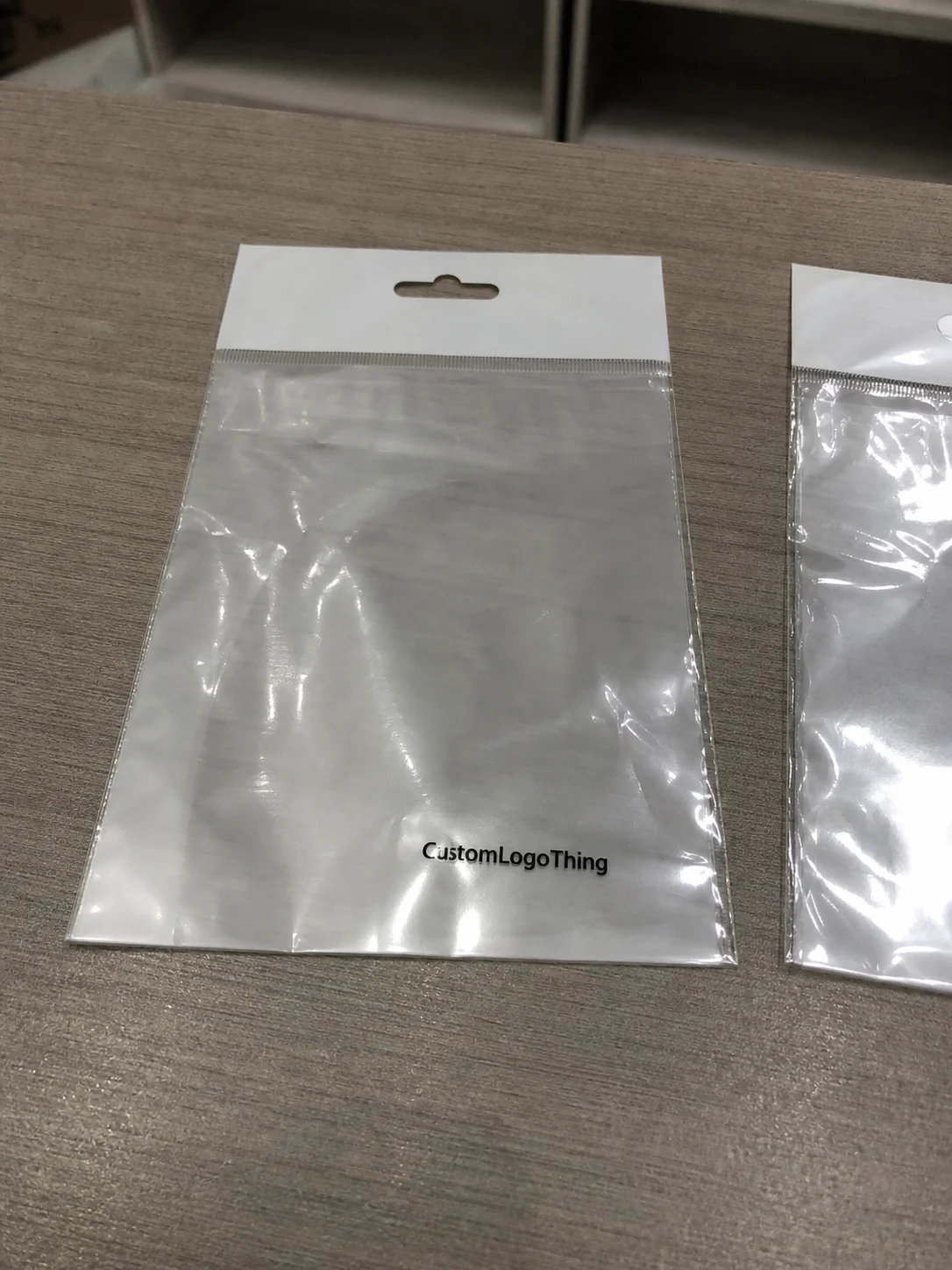
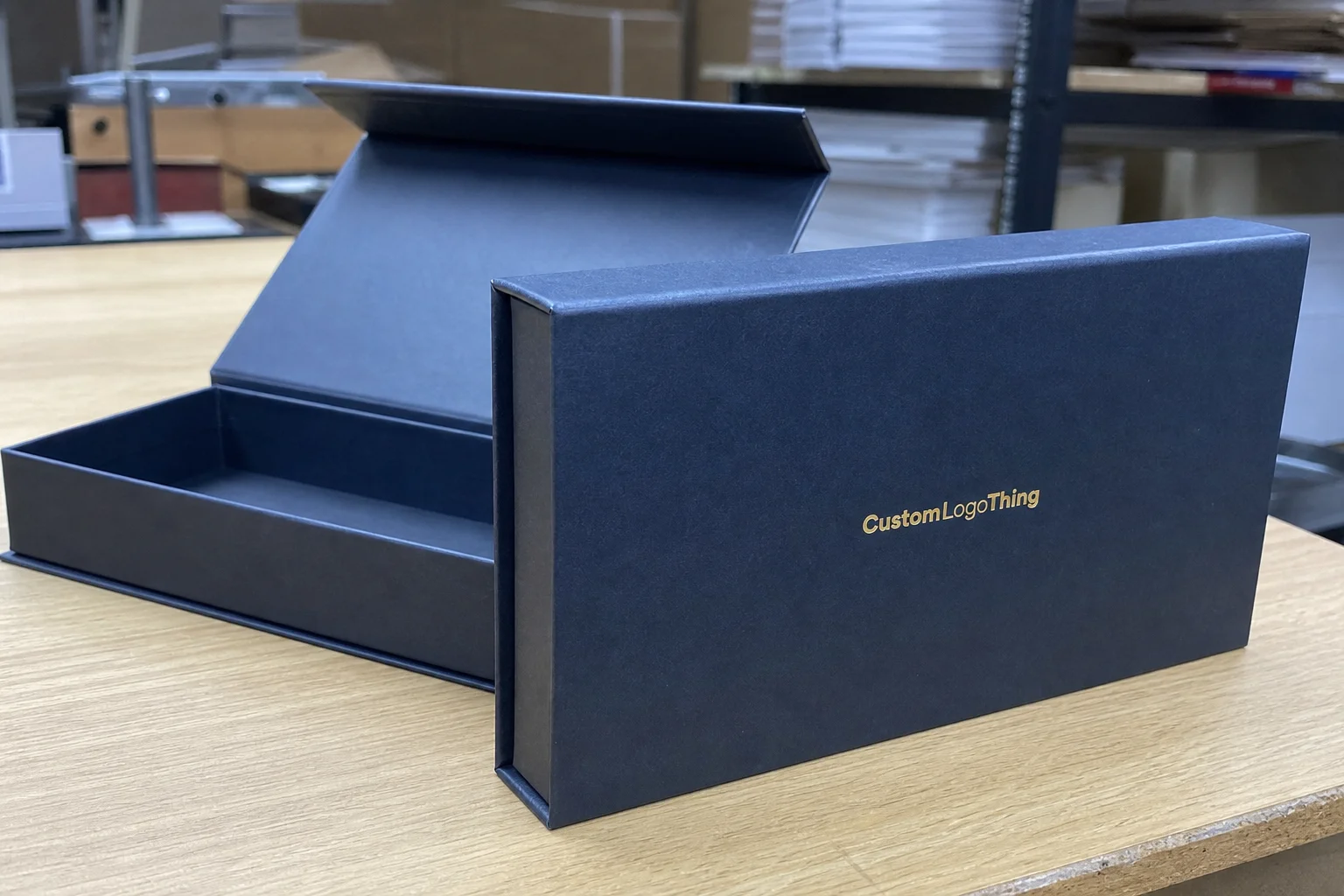
For jewelry brands, the Hang Tags Unit Cost for jewelry brands can look straightforward until the specification is finalized. A small printed tag may start as a low-cost item, then jump once the stock, finishing, hole reinforcement, and packing method are set. That shift is normal. Packaging quotes are built from the sum of many small decisions, not from size alone.
The better question is rarely “What is the cheapest tag?” It is usually, “What gives me the best unit cost for a tag that looks right, survives handling, and supports the product at retail?” The answer depends on the category, the brand position, and how the tag will be used after it leaves the printer.
If you want examples of how packaging decisions affect production outcomes, our Case Studies page shows how brands balance appearance, durability, and budget. For broader tag and packaging options, our Custom Labels & Tags page is also a useful reference.
Why jewelry hang tag pricing can swing more than expected
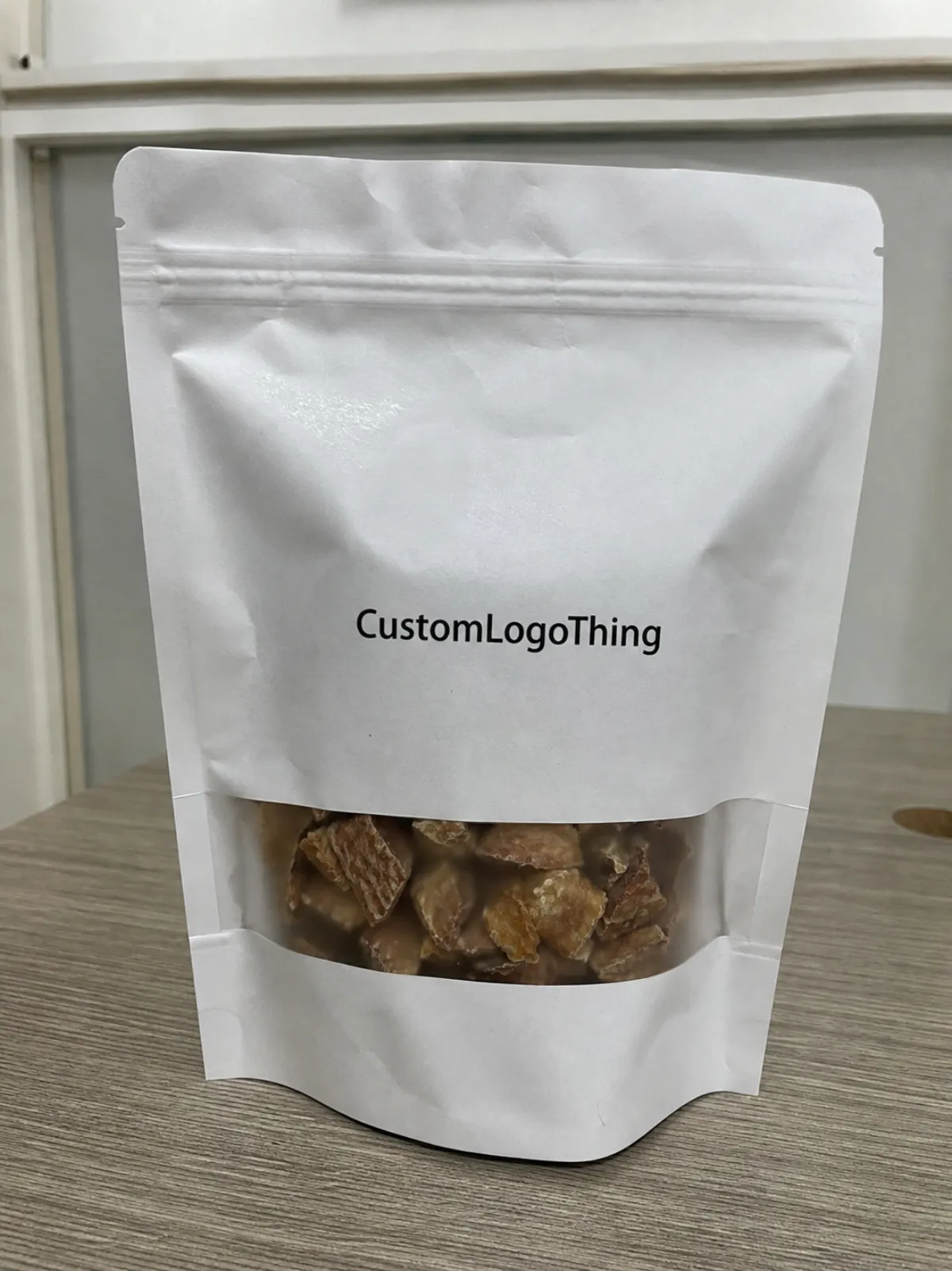
Jewelry tags are small, but they are not simple. A basic 2" x 3" tag on standard 14pt coated stock with one-side printing sits in a very different price band from a custom die-cut tag on textured paper with foil, embossing, and rounded corners. The dimensions may barely change, yet the production path changes completely.
That is the first surprise for many buyers. Premium presentation does not come from size alone; it comes from how the tag feels in hand, how sharp the print looks, how the cut edges are finished, and whether the attachment point stays intact during handling. A tag that looks fine in a PDF can still fail in a store if the hole tears, the finish scuffs, or the copy is too dense to read quickly.
For rings, earrings, necklaces, and bracelets, the tag often carries more than a price. It signals quality, supports product identification, and reinforces the brand’s visual system. A well-made tag can make sterling silver feel more polished or help a fashion jewelry collection look consistent across SKUs. In that sense, the tag is part of the product presentation, not an afterthought.
“The wrong assumption is that a tiny tag should always be cheap. In production, the details are what drive the quote: stock, finish, cut style, and whether the tag arrives ready to use or still needs labor.”
There are also hidden cost drivers that buyers miss on the first quote. Two-sided printing adds press time. Multiple SKUs can add setup time if each design needs separate artwork or variable data. Custom stringing, bundling, or boxed assortments can increase labor even when the printed piece is unchanged. None of those items looks dramatic on its own, but together they can move the Hang Tags Unit Cost for jewelry brands in a noticeable way.
The goal is not to chase the lowest line item. It is to get a tag with a predictable price structure, especially if the same spec will be reordered across seasonal collections. Repeatability matters more than a one-time bargain if the brand uses tags at scale.
Hang tag materials, finishes, and jewelry-friendly construction
Material choice is the first real pricing fork. Coated paperboard is usually the most economical option and gives clean image reproduction for logos, color blocks, and fine type. Kraft stock creates a warmer, more natural look, but its uncoated surface can soften color density and may need a stronger design approach to stay legible. Textured uncoated stock can support a premium feel, although the texture often reduces sharpness on very small text. Specialty papers look distinctive, but they usually raise unit price because the base material costs more and the finishing window is narrower.
For jewelry, the tag also has to be physically practical. A lightweight earring card or a delicate necklace tag should not feel flimsy, but it should not overpower the item either. In many runs, 14pt to 16pt stock is enough for standard retail tags, while 18pt and above begins to feel more rigid and premium. That extra stiffness can support a higher-end line, but it usually increases bulk pricing and may affect how neatly the tags pack.
Finishes matter more than many buyers expect. Matte keeps the look restrained and upscale. Gloss can make color pop, though it may look less refined on fine jewelry. Soft-touch lamination adds a velvety feel and can support a luxury presentation, but it is one of the more visible cost upgrades. Foil stamping, spot UV, and emboss/deboss all create strong brand impact, yet each adds setup and production time.
Construction details are just as important. Rounded corners can reduce scuffing and make a tag feel finished, especially on premium collections. Reinforced eyelets, laminated faces, or thicker stocks improve durability around the hole, which matters if the tags are strung tightly or handled repeatedly. If the product is sold in a boutique setting where shoppers pick pieces up often, those small structural choices help protect the packaging investment.
Most jewelry tags need a clean layout with space for the brand mark, size, SKU, metal type, stone information, or care notes. If the design becomes crowded, the tag loses readability quickly. A balanced layout usually performs better than trying to fit every possible detail onto a small card.
Print method also shapes cost and consistency. Digital printing works well for shorter runs, multiple versions, and faster proof cycles. Offset printing tends to make more sense when color consistency and larger quantities are priorities, because the setup gets spread across more units. The right choice depends on artwork complexity, order volume, and how exact the brand wants the color match to be.
Specifications that affect fit, branding, and shelf appeal
The cleanest quotes start with clear specifications. Before asking for pricing, define the finished size, shape, stock thickness, print sides, hole size, and attachment style. If those details are vague, the supplier has to make assumptions, and assumptions create quote noise, revision rounds, and delays.
Size should fit the jewelry category and the retail environment. Smaller tags often suit earrings and minimalist pieces, where the tag should not distract from the product. Slightly larger formats may be better for necklaces, bracelets, or collections that need product data, barcode space, and stronger shelf presence. A tag that looks elegant in a flat artwork proof can feel oversized once attached to a delicate chain, so scale matters more than many teams expect.
Legibility is non-negotiable. Critical copy should remain readable after trimming and finishing, with strong contrast between text and background. White space around the logo and product code helps the design breathe, and it also keeps the tag from looking crowded. If the brand uses tiny type for metal purity or stone details, those lines need to be checked carefully during proofing.
Barcode placement deserves separate planning. Retailers may want scannable codes, while direct-to-consumer packing teams may need SKU space or variable numbering. If a tag needs handwritten pricing, a blank area should be reserved early in the artwork process so the layout does not look improvised later. That is especially useful for multi-channel jewelry brands that sell through boutiques, pop-ups, and e-commerce fulfillment at the same time.
A practical spec sheet reduces friction and keeps the Hang Tags Unit Cost for jewelry brands steadier across repeat orders because the vendor can quote the same structure without rebuilding the job from scratch.
| Option | Typical look | Typical cost impact | Best use case |
|---|---|---|---|
| Standard rectangle on coated stock | Clean, simple, reliable | Lowest | High-volume basics, price-sensitive lines |
| Textured stock with matte finish | Soft, premium, brand-forward | Moderate | Boutique collections, elevated giftable jewelry |
| Custom die-cut with foil | Distinctive, decorative, high impact | Higher | Signature launches, limited editions |
| Soft-touch with emboss/deboss | Luxury feel, tactile depth | Highest | Premium lines, display-focused packaging |
Hang tags unit cost for jewelry brands: what drives pricing
The main pricing levers are easy to list, but they do not all behave the same way. Material grade affects the base cost. Print coverage affects ink usage and press time. Number of colors changes setup complexity, especially on offset work. Special finishes like foil or spot UV add tooling fees and extra operations. Die cutting becomes more expensive when the shape is unusual. And if the tags are strung, bundled, or packed in retail-ready sets, assembly labor starts to matter.
Order quantity is one of the strongest drivers. Higher quantities generally lower the unit cost because setup charges are spread across more pieces. A run of 500 tags may carry a much higher per-tag price than 5,000 tags, even if the design is identical. That is simply how print economics work. The setup, plate, or cutting preparation has to be recovered somewhere.
For simple printed tags, a buyer might see a broad range like $0.10 to $0.22 per unit depending on stock and quantity. Add soft-touch lamination or foil, and the range can move into $0.25 to $0.45 or more. Custom shapes, specialty papers, and hand assembly can push it higher. These are directional ranges, not guarantees, because the final quote depends on exact specs, but they help with budget planning and with early product-line decisions.
Minimum order quantity matters too. Some standard shapes and digitally printed tags allow flexible MOQ, while specialty papers or decorative finishes may require higher minimums. If the design calls for a custom silhouette or a layered construction, expect the MOQ to rise. That is not a supplier tactic; it is usually the result of how the material is sourced, cut, and finished.
Buyers should compare quotes on an apples-to-apples basis. Ask whether the quote includes proofing, plates, dies, freight, and packaging. If one supplier quotes a lower unit cost but leaves out stringing, the final spend may be higher once your team adds labor. A low line item is not a win if it shifts work back onto your staff.
Here is a practical way to think about the cost bands:
- Lowest cost: simple shape, standard stock, one-side print, no special finish
- Mid-range: better paper, two-side print, matte or soft-touch, rounded corners
- Premium: custom die cut, foil, embossing, specialty paper, assembly included
For many jewelry brands, the most efficient choice sits in the middle. It gives a refined presentation without stacking unnecessary operations onto the job. That is usually where the best balance appears between look, durability, and cost per piece.
Process, turnaround, and production steps for custom order planning
A clean production workflow helps protect both timing and budget. The normal path starts with the brief: size, quantity, substrate, finish, artwork, and any retail requirements such as barcode space or SKU numbering. From there, the supplier reviews the file, checks the dieline, and flags anything that could cause production issues. After proof approval, the job moves to sampling or direct production, then finishing, inspection, packing, and shipping.
Where do delays usually happen? Missing dielines are a common one. Low-resolution artwork is another. Late copy changes, especially after proof approval, can add days. Special finishes like foil, embossing, or custom die cuts often take longer because they require more steps and tighter alignment. If the job needs a sample sign-off, that also extends the schedule.
Simple printed tags often move faster than premium ones. A standard run may be ready in roughly 10 to 15 business days after proof approval, while a more decorative spec can stretch beyond that depending on quantity and finishing. That spread is normal. Complex work simply has more handoffs and more chances for rechecking.
Clear instructions save time. If a brand needs multiple SKUs or seasonal variants, it helps to organize the files in a consistent naming structure and keep the core layout stable. A supplier can work faster when the changes are only in copy fields, not in the whole design system.
Requesting a pre-production proof is especially useful when color fidelity, logo placement, or hole position matters. On jewelry tags, a few millimeters can change how the piece hangs on a display card or how the code sits next to the brand mark. A proof is small insurance against a larger reorder mistake.
“A good proof catches the problems that are cheap to fix. A bad proof turns into scrap, repackaging labor, and a higher effective unit cost.”
If your line uses multiple materials across collections, keep the production notes separate by SKU and by finish. That discipline helps preserve repeatability, which is one of the most underrated benefits in packaging procurement. It also makes future quotes cleaner because the supplier is not guessing at the last spec used.
How to choose a supplier that keeps costs controlled
The right supplier does more than quote a price. A strong packaging partner will ask the right questions, explain material tradeoffs, and show where you can save money without damaging the brand image. Transparent quoting is a good sign. So is a clear revision process and a willingness to explain why a certain finish or shape will increase the run cost.
One of the most useful traits is honest artwork feedback. If a supplier points out that your design needs a simpler stock, a cleaner shape, or a smaller print area to stay on budget, that is a better sign than a vague promise that everything will work out. Real production feedback keeps a job under control.
Look for in-house finishing capability or a tight production chain that can handle printing, die cutting, lamination, and packing without too many handoffs. More handoffs often mean more chances for variation. Jewelry brands, especially those with ongoing collections, need repeatability in color, cut, and finish. A reorder should look like the original, not like a close cousin.
Also ask about tolerances, packing method, and delivery expectations. If tags are packed loose, banded, or strung, that affects how quickly your team can use them. If the final carton count is unclear, receiving becomes harder. These details sound small until a launch is delayed because the tags are not actually ready for shelf use.
For suppliers who work well, the unit price is only part of the value. The real value is controlled variance. Fewer surprises mean fewer adjustments later, and fewer adjustments mean a healthier total project cost.
- Good sign: they ask for artwork and quantity before quoting
- Good sign: they explain MOQ and setup charges clearly
- Good sign: they suggest alternatives when a finish is overbuilt
- Good sign: they confirm repeatability for reorder runs
If sustainability matters to your brand, it is reasonable to ask about FSC-certified paper options and responsible sourcing. You can review FSC information at fsc.org, and for broader material and environmental context, the U.S. EPA is a useful reference at epa.gov. For general packaging industry standards and terminology, packaging.org is also worth keeping on hand.
Next steps to request an accurate quote and place an order
To get a useful quote, send the supplier a clean package of information. Include the finished size, quantity, artwork files, preferred stock, finish, attachment method, and any retail needs such as barcode space, SKU fields, or price areas. If you have a target budget, share that too. It helps guide the quote toward a realistic spec instead of a theoretical one.
Ask for two options if possible: one value-focused and one premium. That makes it easier to compare the visual effect against the Hang Tags Unit Cost for jewelry brands without guessing. A standard coated-stock tag with clean print gives one benchmark, while a textured or foiled version shows what the upgrade actually buys.
Before you approve the job, confirm the proof format, production timing, packing method, and freight terms. Many surprise charges happen because these items were assumed rather than stated. A good supplier will put the details in writing so both sides know what is included.
It also helps to explain the retail setting. A boutique display tag may need a more polished finish and stronger visual presence than a tag used mainly for fulfillment and inventory control. The audience changes the spec, and the spec changes the price.
Once the sample looks right, compare it directly to the jewelry line it will support. Check the size relationship, color, hole placement, and legibility under normal lighting. Then lock the final specification before repeat production. That is how you keep the hang tags unit cost for jewelry brands predictable across future orders, and it is how you avoid paying for corrections that should have been caught earlier.
FAQs
What affects hang tag unit cost for jewelry brands the most?
Material choice, print coverage, finish complexity, and order quantity usually have the biggest impact on pricing. Die-cut shapes, foil, embossing, and assembly can raise cost faster than size alone.
How can jewelry brands lower custom hang tag pricing without looking cheap?
Use a clean standard shape, limit special finishes, and keep the layout efficient. Choose a stock and thickness that feels premium but avoids unnecessary decoration.
What MOQ should I expect for custom jewelry hang tags?
MOQ depends on print method, material, and finishing, with specialty specs usually requiring higher minimums. Simple printed tags generally allow more flexibility than custom-shaped or heavily finished tags.
How long does production usually take for custom hang tags?
Turnaround depends on proof approval, finishing, and quantity, but complex specs take longer than standard printed tags. Artwork readiness and fast proof approval help reduce delays.
Should I include barcodes or SKU numbers on jewelry hang tags?
Yes, if your retail or inventory workflow needs them, but the design must reserve enough clear space for legibility. Variable numbering and barcode placement should be planned before artwork is finalized.