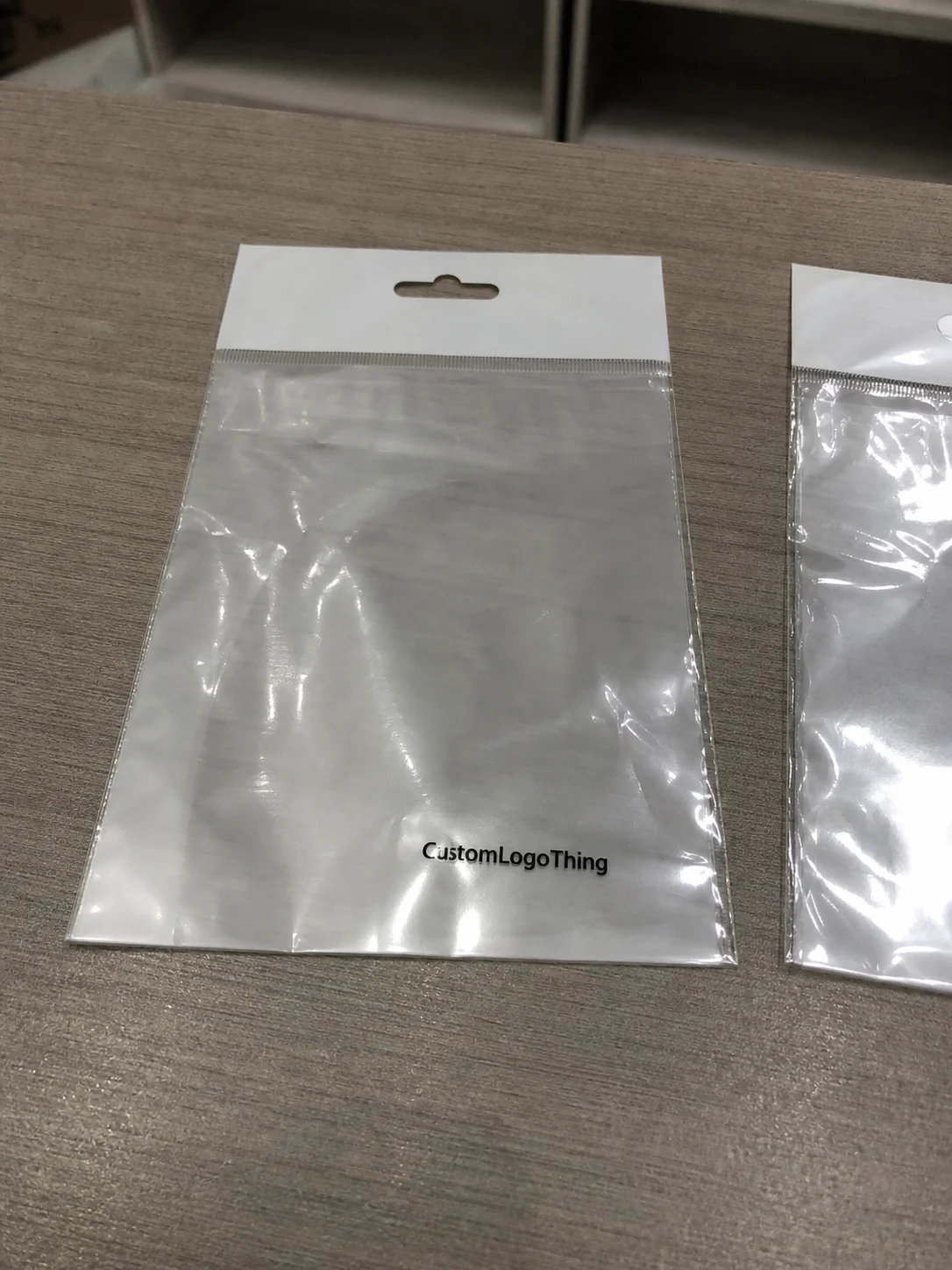
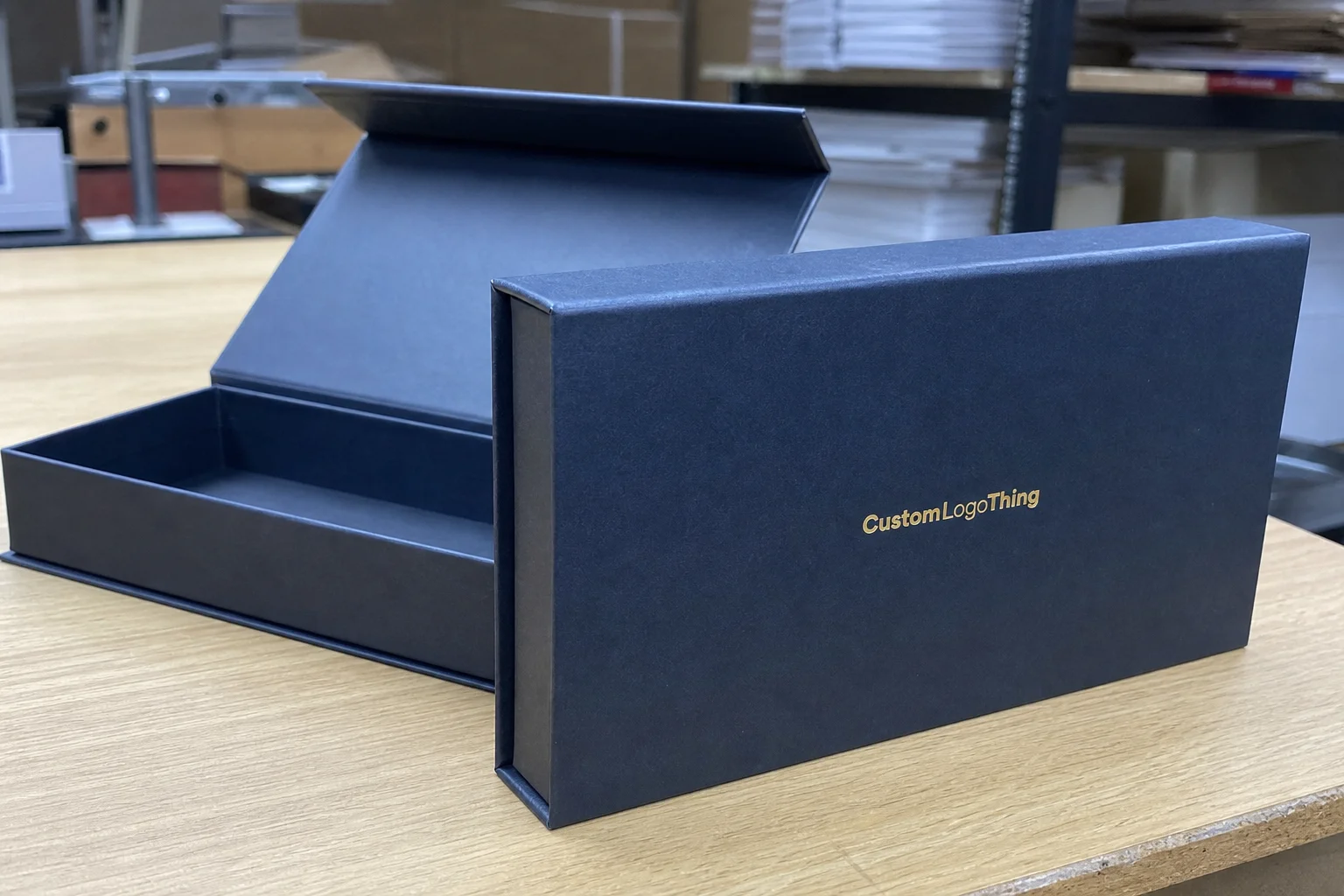
For supplement brands, hang tags Unit Cost for Supplement brands can look like a minor line item until the first quote lands and the numbers start shifting with stock, finish, and quantity. That is usually the moment packaging budgets get tested. A tag that seemed simple on paper can pick up setup charges, slower turnaround, or a unit price that feels out of step with the rest of the pack.
The practical job is not finding the cheapest tag. It is finding the lowest total cost that still gives the bottle a retail-ready look, supports the required copy, and fits the reorder plan. Teams that ask about hang tags Unit Cost for Supplement Brands early tend to avoid the classic trap: approving artwork first and discovering later that the spec belongs to a much more expensive run than expected.
How a Small Hang Tag Change Can Protect Margin on Supplement Packaging
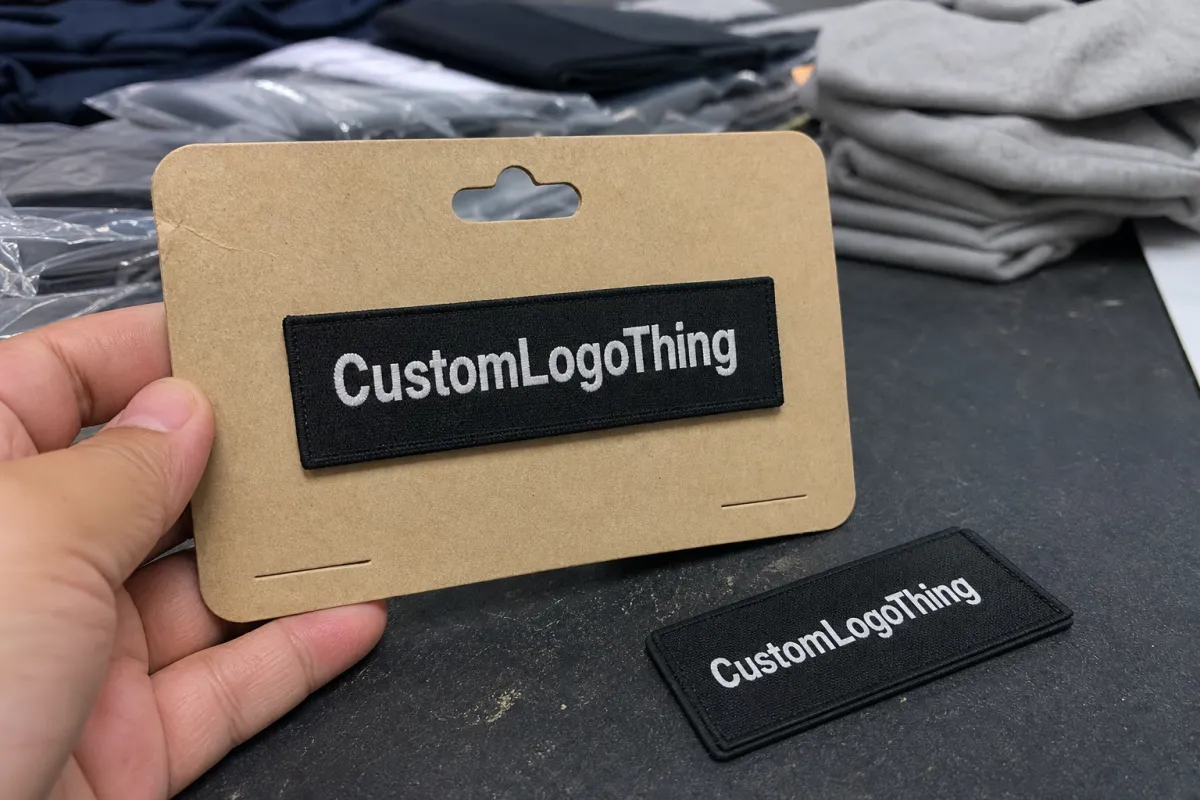
Hang tags are one of the smallest components in a supplement packout, yet they can change perceived value quickly. Put the same bottle on shelf with a thin, dull tag and it can feel like a commodity item. Switch to a heavier stock with crisp print and the whole package reads more confidently. That shift matters because the tag is often the first tactile signal a buyer or retailer sees, especially on bundles, club packs, and gift sets.
Many teams focus on the bottle and label while underestimating the tag. If the tag feels flimsy, the product can look cheaper than the formula deserves. If it is overbuilt, the brand may pay for texture, foil, or coating that the shopper barely notices. The right spec sits in the middle: enough structure to feel intentional, enough restraint to stay efficient.
For supplement packaging, the tag often carries practical information too. It may show dosage notes, key claims, bundle details, QR codes, warning copy, or barcodes for retail workflows. That means the tag has to do two jobs at once: support compliance and support sales. A buyer who understands Hang Tags Unit Cost for supplement brands can make better tradeoffs between visual impact and total packaging budget.
The smartest packaging decision is usually the one that protects margin without making the product look stripped down.
In practice, founders and procurement teams are usually trying to solve three things at once:
- Retail readiness without over-specifying materials.
- Reliable unit economics across the first order and future reorders.
- Launch timing that does not get derailed by artwork revisions or finishing delays.
If you are comparing vendors, review their Case Studies and look for recurring packaging programs, not just one-off print jobs. A strong supplier should be able to talk about quantities, waste, and repeat ordering in plain language.
What Supplement Hang Tags Are Made Of and Which Specs Actually Matter
The base material drives much of the feel and a fair amount of the price. Most supplement hang tags are made from coated cardstock, uncoated stock, or heavier cover weights, usually in the 14pt to 24pt range depending on the look and attachment method. Coated stocks generally give sharper print and richer color density. Uncoated stocks can feel more natural and premium in a quieter way, especially for wellness or herbal brands.
Size matters more than many buyers expect. A compact tag around 2" x 3.5" uses less paper and often ships more efficiently than an oversized format, but a larger card can improve visibility if the product sits behind a counter or needs room for ingredient messaging. Fold formats can add space without increasing the outer footprint very much, but folds add finishing steps and can raise the unit cost.
Print configuration is another lever. Single-sided printing is usually cheaper and faster; double-sided printing gives you more room for claims, usage notes, and barcodes. If the design requires full bleed on both sides, ink coverage and finishing attention usually increase. The same is true for heavier graphics. A clean design with controlled ink coverage often prints more efficiently than a saturated layout with dark backgrounds on every panel.
Finishing is where the price can move quickly. Matte lamination, gloss coating, soft-touch lamination, foil stamping, embossing, spot UV, rounded corners, and drilled holes all create different visual effects and different cost structures. The practical rule is simple: if the finish does not support the shelf story or handling needs, it may be an unnecessary expense. A matte varnish may be enough for a wellness brand, while a premium launch may justify soft-touch lamination with foil on the logo only.
Attachment style also matters. A pre-punched hole with string or an elastic loop is common, but the attachment component adds both material and labor. Some brands want tags delivered assembled; others prefer flat-packed tags and handle attachment during kitting. That choice changes quote structure, especially when the order includes manual assembly or packaging into sets.
Supplement-specific details that should be on the tag
Supplement hang tags are not just branding pieces. They may need ingredient highlights, dosage instructions, allergen notes, batch references, UPC or QR placement, and cautionary text. If the tag is carrying regulated copy, the layout should be reviewed carefully before approval. Small type can become unreadable after finishing if the designer ignores safe margins or prints too close to the edge.
For brands with retail distribution, barcode placement and scan contrast deserve attention. A beautiful tag is still a bad tag if the scanner cannot read it or if the hole punch cuts into critical copy. That is why buyers should send final text early and treat the tag like a controlled packaging component, not a decorative add-on.
If you need a broader materials starting point, our Custom Labels & Tags page is a useful reference for format options and finishing styles that can be adapted to supplement applications.
Hang Tags Unit Cost for Supplement Brands: What Changes the Price
The biggest driver of Hang Tags Unit Cost for supplement brands is still quantity. Setup costs, die cutting, prepress review, and finishing labor get spread across the run, so a 1,000-piece order almost always costs more per tag than a 10,000-piece order. That is not a sales trick; it is basic print economics. The press still has to be set, the sheets still need to be tuned, and the finishing line still needs to be loaded.
Material weight is next. A 14pt cardstock will usually price lower than a 24pt stock, especially when the design includes full-color coverage or a special finish. Heavy stocks feel more substantial, but they also add shipping weight and can sometimes slow down folding or drilling. Standard sizes tend to be less expensive than fully custom dimensions because they fit more efficiently on press sheets and reduce waste.
Special finishes can move the cost per piece fast. Foil, embossing, spot UV, and multi-pass varnish all introduce tooling fees or extra setup. On short runs, those extras can dominate the quote. A simple foil logo on one side may be manageable; an all-over metallic treatment usually is not the right choice if the order quantity is modest.
Design efficiency is one of the quietest ways to control price. When the dieline fits standard sheet sizes, uses a moderate amount of ink, and avoids unusually tight die cuts, production tends to run more predictably. In practical terms, that can save money without making the tag look plain. Clean spacing, fewer special effects, and smart use of the front and back panels often beat a crowded, overdesigned layout.
Then there is the difference between the quoted unit price and the real landed cost. Freight, split shipments, kitting, storage, and rush production can add up. A quote that looks lower on paper may end up more expensive if it excludes packing or requires a second ship date. Buyers comparing bulk pricing should ask what is included and what will be billed separately.
| Spec choice | Typical impact on unit cost | Best use case | Watch-outs |
|---|---|---|---|
| 14pt coated cardstock, single-sided print | Lower | Launch tests, basic retail tags | May feel light for premium positioning |
| 18pt-20pt stock, double-sided print | Moderate | Most supplement brands | More ink coverage can raise price |
| 24pt stock with matte or soft-touch finish | Higher | Premium product lines | Heavier material increases freight |
| Specialty finish with foil or embossing | Highest | Hero SKUs, limited editions | Setup charges and tooling fees matter most on short runs |
That table is useful shorthand, but the quote still depends on sheet efficiency, print coverage, and the finishing stack. Two tags with the same size can cost differently if one uses dense black backgrounds and the other keeps the artwork lighter. The same is true if one version needs string assembly and the other ships flat.
For teams wanting a technical benchmark, standards from organizations like the Packaging Machinery Manufacturers Institute and packaging industry resources help with terminology and general packaging practices, while transport and handling expectations may also tie into test procedures discussed by ISTA. Not every hang tag needs formal performance testing, but the language around shipping, packing, and handling should stay consistent.
Pricing, MOQ, and Quote Factors Buyers Should Confirm Before Ordering
MOQ is best understood as a production threshold, not a bargaining tactic. It reflects how much material the printer needs to load, how much spoilage is expected during setup, and how the finishing line runs most efficiently. A supplier may be willing to quote a lower quantity, but the hang tags unit cost for supplement brands usually climbs when the order falls below a practical run size.
Before asking for pricing, send the exact details that shape the quote. The clearest requests usually include finished size, stock preference, print sides, quantity, finish, hole or no hole, string or no string, and the delivery destination. If the artwork is already approved, include final files. If the tag includes compliance copy, send the final text so the proof can be checked against the approved wording.
- Finished size: standard or custom dimensions.
- Stock: coated, uncoated, or heavier cover weight.
- Print: one side or two sides, full color or limited color.
- Finish: matte, gloss, soft-touch, foil, embossing, or spot UV.
- Attachment: pre-punched only, string added, elastic loop, or assembled packs.
- Destination: so freight and transit time can be estimated accurately.
It also helps to ask whether the quote includes dieline support, proofing, inspection, and packing. Those details matter more than many first-time buyers realize. A quote without proofing may look cheaper until revisions pile up. A quote without packing may leave you with extra internal handling costs once the cartons arrive.
Here is a simple way to think about the price curve: lower quantities are good for testing demand and validating a launch, but once the SKU has traction, a larger order usually improves bulk pricing enough to justify the added inventory. That said, the right order size depends on sell-through rate, seasonality, and how often the supplement formula or label copy changes. A compliance update can wipe out the value of an oversized print run very quickly.
One more point: the lowest quote is not always the best value. If the supplier’s color consistency is shaky, the hole placement drifts, or the lead time is vague, the real cost rises after the order is placed. Packaging buyers should compare not only price, but also repeatability and response time.
Production Steps and Lead Time: From File Review to Finished Carton
Most hang tag orders follow a familiar path: artwork review, dieline confirmation, proof approval, material preparation, printing, finishing, cutting, inspection, and packing. The job moves quickly when the files are clean and the specs are settled. It slows down when dimensions change midstream or the copy needs regulatory review.
Artwork issues are the most common source of delay. Missing bleed, font substitutions, low-resolution images, and barcode problems can all hold the job. For supplement brands, copy review can be just as important as graphics. If a claim is not final, or if the dosage note still needs approval, the proof cannot be signed off confidently. That is why a responsive artwork team often saves more time than a slightly lower quote.
Lead time changes with quantity and finish complexity. A simple tag with standard coating can move faster than a tag that requires foil stamping, embossing, or manual stringing. Seasonal production load matters too. If the plant is packed with retail work, turnaround may stretch even if the order itself is straightforward.
In general, simple custom hang tag runs often land in the 12-15 business day range from proof approval, while more complex jobs can take longer. If a physical sample is needed, add time for sample production and review. That extra step is worth it when the launch is important, the finish is premium, or the brand wants to inspect color and tactile feel before committing to the full run.
Communication milestones should be clear from the start. Buyers Should Know when the proof will be issued, when production begins, when inspection is complete, and when shipment tracking is available. The best suppliers are specific about these steps because it keeps everyone aligned and reduces rework.
If your brand uses FSC-certified paper, ask for it early and verify the certification chain. FSC matters when sustainability claims are part of the packaging story, and documentation should be handled before the run begins. For broader material responsibility and waste reduction practices, the EPA’s packaging and waste resources are also worth reviewing: EPA recycling and materials guidance.
How to Evaluate a Hang Tag Supplier Beyond the Lowest Price
Price matters, but so does predictability. A supplier that gives clear specs, realistic timelines, and direct answers about waste rates is usually easier to work with over time than one that only talks about “premium quality.” Supplement brands tend to reorder, revise, and expand SKUs, so the relationship has to hold up beyond the first purchase order.
Good quality control shows up in the small things: clean die cuts, accurate hole placement, consistent trim, legible fine text, and colors that stay within an acceptable range across the run. On tags with dark backgrounds or small print, even a slight registration issue can make the piece look rough. That kind of defect is easy to miss in a digital proof and obvious on the finished carton.
A useful supplier should also be able to suggest ways to reduce unit cost without hurting function. That might mean shifting from a custom size to a standard one, reducing the amount of foil, simplifying the attachment method, or choosing a stock that prints better without needing extra coating. Those are practical recommendations, not upsells.
Reorder support is another sign of a strong partner. If the supplier keeps the dieline, knows the approved spec, and can quote a repeat run without starting from zero, your operations team saves time. That matters even more when multiple SKUs are moving at once and the packaging calendar is tight.
For buyers who want to compare formats across product lines, our Custom Labels & Tags page can help you think through where hang tags fit alongside other printed components. Some supplement brands combine tags with carton inserts or labels; others keep the system minimal and rely on the tag for retail messaging.
The cheapest quote is rarely the most economical if it costs you time, causes reprints, or pushes launch dates.
If you are evaluating suppliers, ask them directly how they handle setup charges, proofs, trimming tolerances, and packing. A supplier who can explain those points clearly is usually a better fit than one that avoids the details.
Next Steps to Lock in the Right Spec, Price, and Launch Schedule
The fastest way to get an accurate quote is to gather the finished tag size, artwork files, quantity target, preferred stock, finish, and delivery window before you contact a supplier. If the tag needs to match an existing label or carton, include those specs too. Matching print tone across packaging components is easier when the supplier can see the full system, not just one file.
It often pays to request two or three versions of the same project. For example, compare a standard coated stock against a premium soft-touch version, or a single-sided tag against a double-sided version with extra copy space. Those side-by-side quotes make the tradeoffs visible and usually reveal where the real value sits.
Also decide whether this is a launch run, a restock, or a multi-SKU rollout. The best MOQ is different for each. A test launch may justify a smaller run even with a higher unit cost; a stable product with steady sell-through usually benefits from a larger order and better bulk pricing. If the brand expects compliance changes, keep the run size conservative enough to avoid waste.
Before approval, verify barcode placement, hole location, and front-to-back alignment. Those are the details that create preventable errors. A clean proof is good, but a careful proof check is better. Supplement copy should be final, not “close enough,” especially if warnings or dosage text are included.
In the end, the right way to buy hang tags is to focus on total value: the price on the quote, the quality of the printed piece, the lead time, the supplier’s consistency, and the flexibility to reorder later without friction. That is how you protect shelf presentation and keep the packaging budget in line. If you approach the conversation with clear specs and a realistic quantity target, you will usually find the best hang tags unit cost for supplement brands without giving up the polish the product needs.
What affects hang tag unit cost most for supplement brands?
Quantity is usually the biggest driver because setup costs get spread across the order. Stock weight, print coverage, and specialty finishes such as foil or embossing also change the per-unit price. Custom sizes and complex cutting can raise cost more than a simple standard format.
What is a typical MOQ for supplement hang tags?
MOQ depends on the press setup, material, and finishing requirements. Shorter runs are possible, but they usually cost more per tag. The right MOQ is the lowest quantity that still supports efficient production and your reorder plan.
How can supplement brands reduce hang tag pricing without hurting quality?
Use a standard size, limit special finishes, and keep the design efficient on the sheet. Choose a stock that matches the brand look without over-specifying heavy paper or premium coating. Ask for quote options so you can compare a basic version against a more premium version.
How long does production usually take for custom supplement hang tags?
Lead time depends on quantity, finishing, proof approval, and current production load. Simple jobs move faster than tags with foil, embossing, or assembly. Fast approval of artwork and dielines is the best way to avoid delays.
What files do I need to get an accurate hang tag quote?
Provide artwork, finished size, quantity, stock preference, print sides, and any finishing requests. Include the shipping destination and whether you need assembly or string attachment. If your supplement label has regulated copy, send the final approved text so the proof can be checked correctly.