Buyers often assume a thicker beanie automatically carries a higher price. That is only part of the story. Heavyweight Winter Hats unit cost moves more with yarn choice, knit density, lining, and decoration than with the word "heavyweight" itself, which is why two hats that look close on a screen can land in very different quote bands once a factory prices them.
For sourcing teams, the useful quote is not the prettiest one. It is the one that shows the cost per piece, the MOQ, setup charges, sample fees, freight assumptions, and any decoration extras before approvals start. Without that breakdown, a low headline price can hide the parts that make a seasonal order expensive after the fact.
That matters because winter headwear is one of those categories where small build decisions have outsized effects. A tighter knit can raise labor time. A fleece lining adds comfort and warmth, but also another production step. Even a minor change in patch size can alter the cost structure if it requires different setup or slower sewing. The quote is really a map of those tradeoffs.
Why heavyweight winter hats unit cost drops with scale
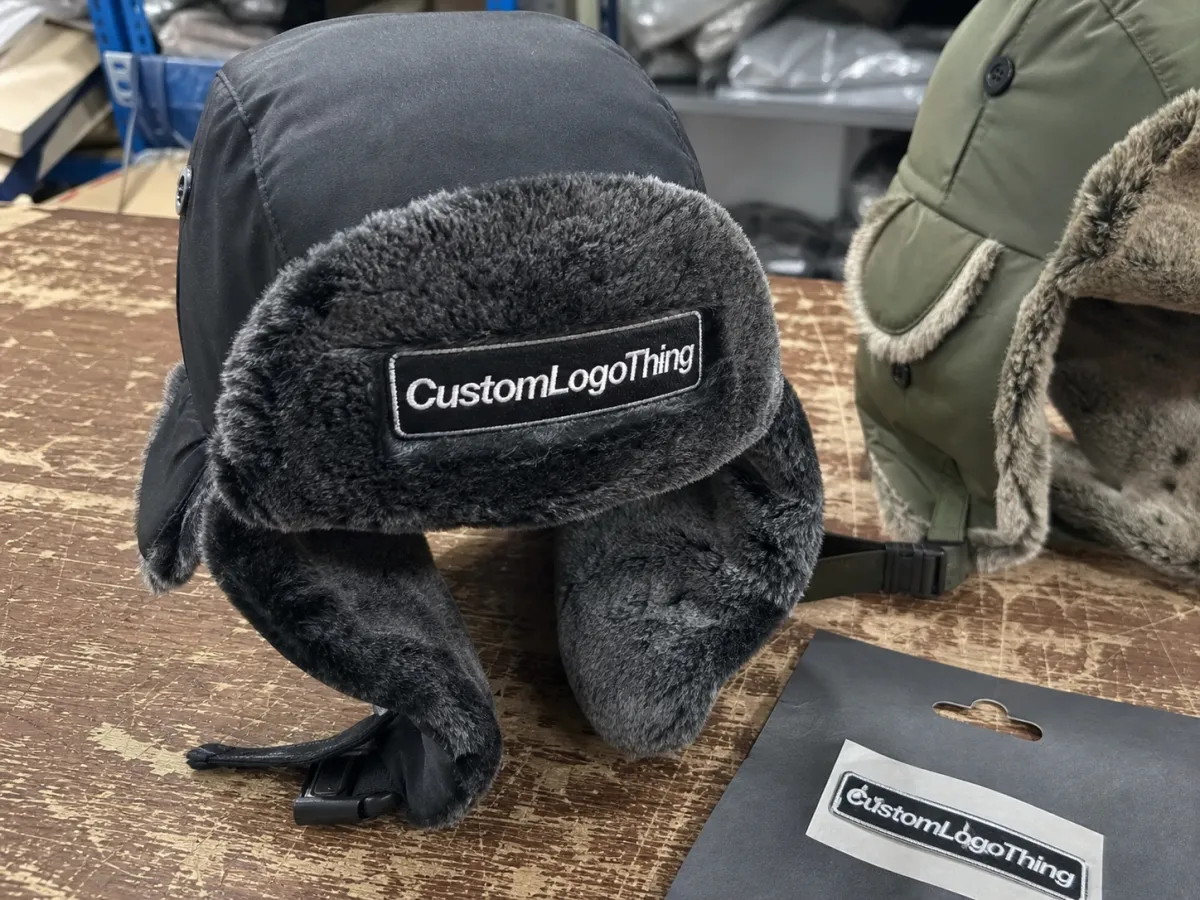
A heavier hat does not always cost more. If the knit is simple, the logo is small, and the order clears a better price tier, the unit cost can stay controlled even as the product feels more substantial in hand. Factories spread sampling, setup, and labor across more pieces, so the math improves quickly once you move beyond a small run.
Material usage is the most obvious driver. More yarn means more cost. Less obvious, but just as important, is machine time. A denser stitch or a thicker build takes longer to knit, and longer machine time is real money. Lining adds warmth, though it also adds labor. Decoration method matters too: a woven label, embroidery, rubber patch, and knit-in logo each create a different production burden.
That is why disciplined specs usually win. Fewer color changes. One logo position. One yarn family. Fewer revisions. Those choices sound plain because they are plain, and plain is often what keeps heavyweight winter Hats Unit Cost from drifting upward for no useful reason.
There is also a practical buyer lesson here. If the hat is meant for a cold warehouse, a road crew, or repeated winter use, a sturdier build often pays for itself in fewer complaints and less replacement volume. A thin beanie may look cheaper in the spreadsheet, but if it pills quickly or feels flimsy, the real cost shows up later in reorders and brand damage. The line item was lower. The program was not.
Keep the build honest. If the hat is a giveaway, do not spec a premium alpine-style beanie and expect a promotional price. If people will wear it through January, do not trim the yarn and cuff so aggressively that the product feels disposable.
Buyers also get better pricing when the request is clean. Quantity, material, decoration method, and destination should be obvious from the first message. Ambiguous briefs push suppliers to protect themselves with wider margins. That is not a markup mystery. It is what happens when the production risk is unclear.
Build choices that change warmth, weight, and hand feel
Acrylic remains the workhorse for controlled pricing. It holds color well, behaves predictably in bulk knitting, and usually keeps the quote in a sane range. Wool blends feel warmer and more premium, but they usually raise material cost and can increase the price if the yarn spec needs more careful handling. Recycled yarns can support sustainability goals without a dramatic price jump, provided the design stays straightforward.
Knit structure changes the product more than most first-time buyers expect. A standard rib knit stretches well and is generally efficient to produce. A double-layer cuff adds warmth and gives the front panel a better decoration zone. A tighter gauge creates a cleaner surface and a more refined hand feel, though it can slow output and push labor cost higher. Chunkier knits use more yarn and usually look richer, but they are not always the cheapest way to get a heavier feel.
Lining is where budgets often start to wobble. Fleece lining improves comfort and heat retention. Ear coverage helps in harsher climates, but it adds another construction step. Pom-poms are a style choice, not a free one. A woven label is usually easier to control than a large patch, while a stitched-on patch may look better but can bring additional setup or sewing time.
Decoration size is easy to underestimate. A small front mark is usually easier to price than a large panel treatment. Embroidery on a flat, stable surface is one thing; embroidery over a thick seam or curved crown is another. Buyers who want a cleaner quote should keep the decoration simple, especially if the order is not large enough to absorb extra handling without notice.
If the hats are for warehouse staff, outdoor crews, or delivery teams, warmth, durability, and easy branding matter most. If they are for retail or premium corporate gifting, presentation and finish quality rise in importance. Same product category. Different job. The spec should reflect that reality instead of trying to satisfy every use case at once.
For documentation-heavy programs, verify material claims before they are printed into packaging or hangtags. If a paper component needs chain-of-custody support, confirm the rules with the certifying body rather than assuming the wording is acceptable. Transit protection should also match the route and the carton count; a hat can be packed correctly and still arrive crushed if the outer packaging is too light for the shipment.
Spec sheet details buyers should lock before sampling
Sampling gets much cleaner when the spec is fixed before the first prototype. Crown height, cuff depth, stretch range, target head circumference, and logo placement should all be approved early. If those details drift after sampling, rework is almost guaranteed, and rework is one of the fastest ways to inflate Heavyweight Winter Hats unit cost without improving the product.
Color control deserves more attention than it usually gets. Fewer yarn colors mean fewer mistakes and better pricing. One artwork file is better than three versions of the same logo with small changes that nobody wants to own. Every extra adjustment increases the chance of a miss: a loose stitch count, a shade that reads differently under daylight, or a sample that needs another round before approval.
Performance expectations should be written down. Is the hat for commuting, cold storage, or field work? Does it need pilling resistance? Does the inside seam need to be softer? Does stretch recovery matter more than a plush hand feel? Those answers shift both the recommendation and the final quote. A supplier cannot price comfort, durability, and finish quality accurately if the brief only says "heavy winter hat."
The best spec sheet is usually the simplest one that still removes guesswork. Material, weight, color count, decoration method, packaging, and delivery location belong in one place. That gives the buyer a real apples-to-apples quote and saves time for both sides. It also makes it easier to spot where a price is changing because of the build, not because of the form the request took.
If you want a better read on quantity breakpoints, ask for the same spec at three levels: near MOQ, a mid-tier run, and a volume that reflects actual growth. That shows where the unit cost drops and where it flattens out. In many winter hat programs, the jump from a small run to a medium run matters more than the small changes inside a single tier.
Heavyweight winter hats pricing, MOQ, and quote math
The pricing curve is not subtle. Smaller runs carry a higher unit cost because setup, sampling, and labor get spread across fewer pieces. Once the order crosses a better volume break, the quote usually improves faster than buyers expect. That is why the jump from 100 to 300 pieces often matters more than the minor changes inside one order tier.
There is also a ceiling effect. At some point, adding more units does not create the same savings if the build is already complex. Extra color changes, unusual trims, oversized patches, and special packaging can keep the price from dropping as much as buyers hope. A large order only becomes efficient if the production steps stay efficient.
| Build type | Typical bulk price band | Best for | Watch-outs |
|---|---|---|---|
| Simple acrylic rib knit, one small logo | $2.10-$3.20 at 300-500 pcs | Promotions, crews, giveaways | Limited decoration area, few extras |
| Double-layer cuff, woven label, heavier yarn | $2.80-$4.40 at 300-500 pcs | Retail basics, winter programs | More knit time, more finish steps |
| Acrylic-wool blend with fleece lining | $4.50-$7.20 at 300-500 pcs | Cold weather, premium gifting | Higher material cost, more labor |
| Heavy gauge with patch, pom, and custom packaging | $5.20-$8.50 at 300-500 pcs | Retail and brand merch | Setup charges, extra decoration steps |
Those ranges are a working guide, not a promise. Yarn market swings, decoration size, packaging, and shipping destination can move the final number. A quote without freight, sample fees, or packaging details is incomplete. It may look attractive, but it is not a useful comparison.
Ask suppliers to separate product cost, decoration setup, sample charges, freight, and customs. That is the only fair way to compare offers. Otherwise, one supplier's bare product price gets measured against another supplier's landed total, and the comparison becomes misleading before the order even starts.
MOQ has a direct effect on heavyweight winter hats unit cost. Lower MOQ almost always raises the price per piece because the factory has less volume to absorb setup and labor. It can also limit colorways or logo versions before extra charges appear. For a small order, the smartest move is usually to simplify the spec rather than forcing a premium build through a low-volume run.
A buyer should also ask how many units are needed before the quote changes meaningfully. Some factories price in small jumps; others have wider breakpoints. That information is useful because it can show whether it is better to hold the order at one tier, push it into the next tier, or reduce the decoration complexity to stay inside budget.
Production steps and timeline from artwork to shipment
The production sequence should be plain: spec review, quote confirmation, artwork proof, sample approval, bulk production, inspection, packing, and shipment release. Skip one step and the schedule slips. Skip more than one, and the order starts collecting avoidable delays that nobody budgeted for.
Sample approval usually takes the longest because it is where small disagreements become visible. Maybe the logo is too small. Maybe the cuff sits differently than expected. Maybe the yarn reads warmer in daylight than it did on a screen. Those are normal issues, but they are still time-consuming if the spec was never locked in writing.
For a simple acrylic beanie, sample approval might take roughly 7 to 14 days, with bulk production often landing in the 15 to 30 day range after approval. Heavier builds, complex decoration, or special packaging can stretch that timeline. Seasonal congestion can add more pressure, especially if the order needs to ship during the first real cold snap instead of before it.
Once the spec is fixed, knitting and finishing usually move faster than the approval cycle. The usual problems are changed artwork, late color shifts, or missing sign-off on sample details. Lead time is not just manufacturing time. It is manufacturing time plus human decision time, and the second part is often the longer one.
A useful supplier should be able to state where quality control happens and what gets checked. Good programs review logo placement, seam comfort, size consistency, color matching, and finish quality before packing. If a supplier can describe that process clearly, the odds of a clean run go up. If they cannot, the price may be the least of the buyer's problems.
What repeat orders reveal about fit and consistency
Repeat orders are usually about consistency more than novelty. Buyers care whether the second run matches the first in sizing, color, stitch quality, and finish. If the first batch fits well and the next batch looks and feels the same, the program has a future. If the second batch drifts, the buyer notices immediately, even if the original quote was competitive.
Quality control matters in ways that do not show up in a glossy product photo. Logo placement should remain centered and consistent. Seams should not rub. The cuff should not twist after a few wears. A hat can look fine from six feet away and still be a weak product if the inside finish feels rough or the shape collapses too quickly.
Material consistency is another issue that affects winter programs. Yarn lots should be checked so one run does not look slightly duller than the next. Stitch density should be measured if the design uses a tighter gauge. Even small variations become visible across repeated orders, especially when the hats are packed together in the same colorway.
Fast communication helps, but only if it is accurate. Buyers do not need endless status updates. They need the right ones at the right time: sample approved, bulk started, inspection complete, cartons packed, shipment released. That is enough to keep a seasonal order moving without creating noise. A cluttered inbox does not improve production.
For programs that include cartons or retail packaging, packing method matters as much as the garment itself. The cheapest shipper is not always the cheapest outcome. A crushed carton can erase savings fast, especially if the order is for store shelves or client-facing distribution. The price of the hat is one line. The condition it arrives in is another.
What to send for an accurate bulk quote next
Send the quantity, target budget, preferred material, decoration method, and delivery location. That is the minimum useful brief. Without those five items, the first quote is usually a guess with formatting.
Attach the logo in vector format. Include size references, color targets, and packaging notes. If the artwork is fuzzy or the brand colors are not specified, pricing slows down because the supplier has to stop and ask questions before calculating setup charges and production time.
It also helps to request tiered pricing at a few volume breaks. You want to see where heavyweight winter hats unit cost improves and where the curve starts to flatten. That tells you whether the order should be held at one tier, pushed into the next, or simplified to protect margin.
If you are comparing suppliers, keep the comparison clean. Same yarn. Same stitch density. Same decoration size. Same packaging. Same delivery terms. That is how you get a real quote instead of a spreadsheet that flatters the cheapest number while hiding the rest of the landed cost.
FAQ
What is a normal heavyweight winter hats unit cost at 100 pieces?
It depends on yarn type, knit density, decoration method, and whether the order includes lining or special packaging. A simple acrylic beanie will usually start lower than a lined or heavily branded style, but 100 pieces almost always carries a higher unit cost than 300 or 500 because setup and sampling are spread across fewer units.
How does MOQ affect heavyweight winter hats pricing?
Lower MOQ usually raises the price per piece because the factory has less volume to absorb setup and labor. It can also limit how many colorways or logo versions can be run before extra charges appear. For small orders, a simpler spec is usually the better move.
Which materials keep heavyweight winter hats warm without pushing cost too far?
Acrylic is the most price-stable option and is often the easiest way to keep the program in range. Wool blends feel warmer and more premium, but they tend to increase cost. Fleece lining adds comfort and heat retention, though it also adds material and labor expense.
How long does bulk production take after sample approval?
Simple builds can move through bulk production in roughly 15 to 30 days after approval, while heavier or more complex styles take longer. Shipping time is separate from production time, so the full timeline should include freight, customs, and any buffer needed for seasonal congestion.
What details do I need to compare heavyweight winter hats quotes fairly?
Match the yarn, stitch density, lining, decoration size, packaging, and delivery terms across every quote. Check whether sample fees, freight, and setup are included. Use the same quantity break for each supplier so the comparison reflects the actual order, not just the sharpest-looking headline price.


