Bucket Hats Unit Cost Breakdown for Outdoor Event Sponsors
The bucket Hats Unit Cost Breakdown for outdoor event sponsors usually starts with the blank cap price, but that is only the first layer. Decoration, packaging, freight, and timing often move the final number more than buyers expect. A bucket hat is still one of the cleaner sponsor items to budget because one size can cover a crowd, which avoids the fit spread, returns, and leftover inventory that apparel often creates.
That simplicity is why bucket hats show up so often at festivals, charity runs, campus activations, beach events, and volunteer programs. They are easy to hand out, easy to wear, and easy to photograph. The catch is that two hats that look nearly identical in a mockup can land at very different cost per piece once fabric weight, embroidery size, stitch density, label finish, and packing method are finalized. The first quote rarely tells the whole story.
A clean spec sheet usually saves more money than a last-minute bargain hunt.
Why Bucket Hats Stretch Sponsor Budgets Further Than You Expect
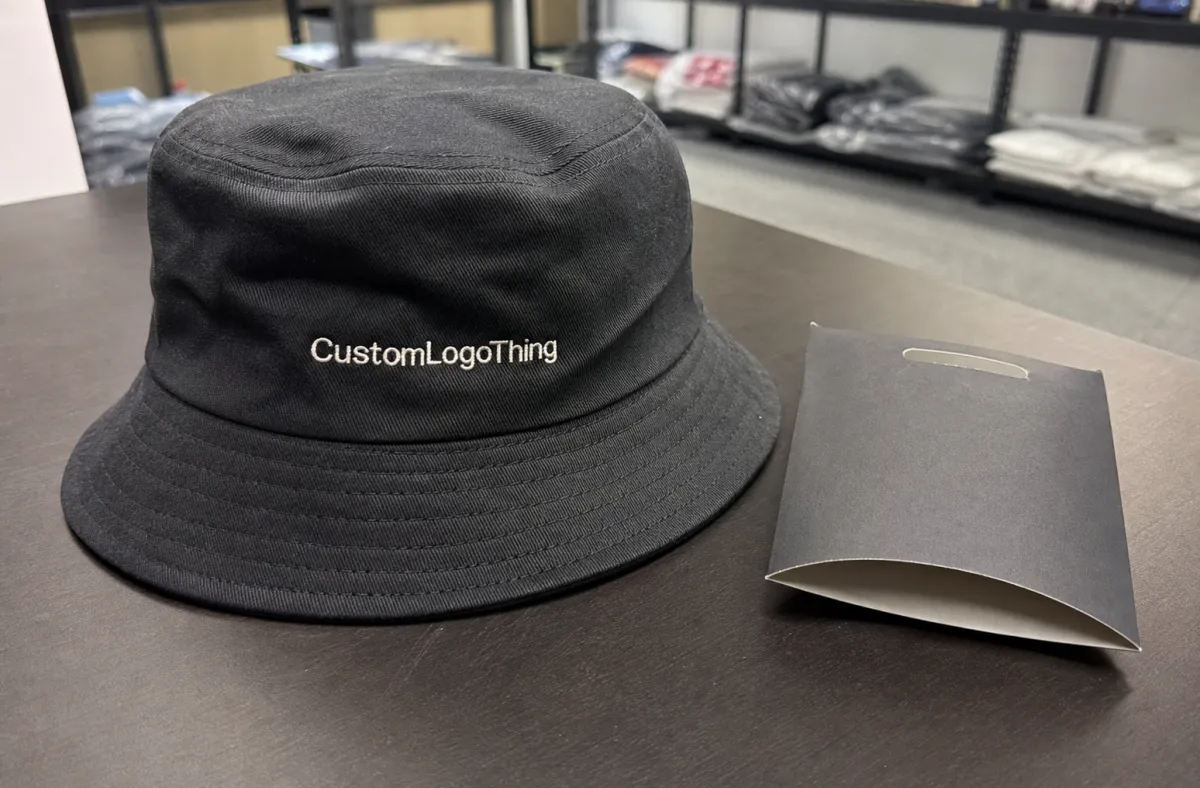
Bucket hats work well for sponsors because they deliver visibility without the inventory headaches that come with more size-sensitive merchandise. There is no size curve to manage, no exchange rate for the wrong fit, and no need to overbuy just to cover uncertainty. For outdoor event sponsors, that keeps the discussion centered on unit cost, artwork, and delivery timing instead of turning into a stock-control problem.
Picture a sponsor ordering 250 hats for a festival crew and volunteer team. A plain cotton twill build with a single embroidered logo may be all that is needed. Add a woven side label, contrast stitching, printed taping inside the crown, and a branded hang tag, and the price climbs quickly. The hat has not changed much from the outside, but the labor behind it has. That is why the bucket hats Unit Cost Breakdown for outdoor event sponsors should always begin with the exact spec rather than the hat category alone.
One useful advantage shows up at distribution. Bucket hats pack neatly, stack well in cartons, and move fast at check-in tables. If a few pieces are damaged in transit, they are easier to replace than a more complex apparel order because the fit issue is already solved. For short lead-time sponsor programs, that practicality has real value.
The best budget choice is usually the simplest version that still looks deliberate. That means selecting a fabric that suits the event, choosing one clear decoration location, and skipping features that do not change how the item will be used in the field.
Fabric, Crown, and Brim Options That Change the Base Product
Fabric choice is where the quote starts to move. Cotton twill remains common because it feels familiar, holds embroidery well, and wears comfortably during long event days. Polyester twill can be more economical in volume and usually keeps color consistency well. Ripstop adds durability and a more technical look, which suits field staff, safety programs, rain-prone events, or outdoor teams that need something less delicate. Canvas gives a firmer, heavier profile, while recycled blends help with sustainability goals if the sponsor can work within a narrower fabric and color range.
Each fabric behaves differently under decoration. Dense cotton supports crisp embroidery and holds shape without much trouble. Smoother polyester sometimes works better with patches or print, especially when the artwork is small and clean. A brushed or washed finish can make the hat softer, but softness can also reduce structure. If the sponsor wants the piece to look retail-grade, the factory may need to reinforce the crown or adjust the brim shape. That adds material use, sewing time, and sometimes separate patterning charges.
Crown height and brim width matter more than many buyers realize. A deeper crown uses more fabric. A wider brim adds cut-and-sew time and often needs extra topstitching to keep its shape. Lining, sweatbands, eyelets, binding, and contrast trim all add steps on the production line. Those steps are small in isolation, yet they add up fast in labor-heavy orders.
Color also affects the quote. Stock colors are easier to source, especially at lower quantities. Custom dye matching can push the order toward a higher MOQ or a longer production window because mills prefer full runs, not split lots. If the sponsor needs a precise brand shade, the price will reflect that choice. That is normal, and it should be visible in the quote rather than hidden in the fine print.
The right question is not which hat is cheapest. It is which combination of fabric, structure, and finish will hold up in the weather, look good in photos, and stay inside the approved budget.
Decoration Areas, Labels, and Spec Details Buyers Must Lock
Decoration usually decides whether a quote stays manageable or starts creeping upward. Embroidery remains a strong choice because it lasts, resists fading, and reads cleanly in outdoor light. Woven patches are useful when the logo has fine edges or more detail than stitches can carry well. PVC patches create a raised, molded effect and can fit sports or outdoor activity brands. Screen print works for simple graphics on flatter fabrics, while heat transfer often suits short runs, gradients, or artwork that does not translate cleanly into thread.
Placement matters just as much as method. A front-panel logo is the standard choice, but a side-panel mark can feel more premium and may fit a smaller imprint field. Brim-edge details, woven labels, and interior taping are helpful when the sponsor wants the piece to feel more finished. Each added location means more handling, more review time, and more chances for a proof to change.
The spec should also define stitch density, thread colors, artwork format, and exact placement dimensions. These details affect machine time and approval time. A two-color logo is not the same as a one-color mark. A compact logo on one panel is not the same as a large full-front embroidery field. The factory sees those differences immediately, even if the mockup looks close enough to a buyer at first glance.
Before a quote is finalized, these are the details that should be locked:
- Hat fabric, color, and finish
- Decoration method and placement
- Logo file format and color count
- Label, hang tag, or polybag needs
- Target quantity and delivery date
For simple sponsor giveaways, one clean logo in one place often gives the best mix of visibility and price control. That is especially true when the hats need to move quickly from carton to handout table without extra sorting.
Bucket Hats Unit Cost Breakdown for Outdoor Event Sponsors
The quote becomes easier to understand when it is broken into the parts that actually create the number: blank hat, decoration setup, labor, packaging, and freight. Once those pieces are separated, the sponsor can see which costs are fixed and which ones improve as quantity rises. That is the heart of the Bucket Hats Unit cost breakdown for outdoor event sponsors, and it is also the best way to compare quotes that might otherwise look similar but are built very differently.
Small orders carry a bigger share of setup work on each piece, which keeps the cost per piece higher. Larger orders spread the same setup across more units, which is why pricing usually improves sharply at 500 and 1,000 pieces. Tooling fees and setup charges might look modest in total, but they have a large impact on a 100-piece run. On a larger order, they matter less piece by piece.
| Quantity | Typical quoted unit cost | What usually drives the price | Buying note |
|---|---|---|---|
| 100 pieces | $4.25-$7.75 | Setup charges, small-run labor, and freight share | Best for testing a sponsor program or a tight guest list |
| 250 pieces | $3.05-$5.60 | Decoration method and fabric choice start to matter more | Common sweet spot for outdoor event sponsors |
| 500 pieces | $2.45-$4.30 | Better spread of setup, stronger bulk pricing | Often the most efficient balance of price and volume |
| 1,000 pieces | $1.95-$3.50 | Lowest fixed-cost share, but packaging and freight still matter | Best when the sponsor needs broad distribution |
Those ranges assume a standard build: one decoration location, normal packaging, and a typical production schedule. Add a woven patch, oversized embroidery, contrast trim, custom labels, or individual polybags, and the number moves upward. A multi-location order can also add labor because the piece has to be handled more than once.
Packaging is easy to ignore and costly to overlook. Individual polybags, paper inserts, and custom cartons each add a small amount that becomes more visible on larger counts. Split shipments also create hidden freight costs if the hats need to reach multiple venues. If printed inserts or hang tags are part of the order, FSC-certified paper is a sensible request, and the certification details are outlined at fsc.org. For shipment testing and distribution handling, ISTA is a useful reference point.
A good quote makes the cost drivers visible. A better quote shows which choices can be simplified if the budget needs to come down before approval.
There is also a quiet quality-control layer behind the number. Buyers should ask whether the supplier checks seam alignment, brim symmetry, color consistency, and logo placement before packing. A low price that skips inspection can cost more if a carton arrives with crooked brims or uneven stitch tension. Those mistakes are common enough that they should be discussed early, not after delivery.
Process, Sample Approval, and Lead Time Milestones
A tidy buying process protects both the budget and the event date. It usually begins with artwork review, then a digital mockup, then sampling if the build is custom enough to justify it. After sample approval, the order moves into cutting, stitching, decoration, finishing, and packing. Shipment is the last step, but it can become the hardest one if the calendar is already tight.
Changes are cheapest early. Shifting logo placement before sampling is usually manageable. Changing the mark after approval can mean a second proof, a new setup, and a delay that pushes the job into a faster lane. Once the event date is fixed, that kind of change tends to show up directly in the invoice.
Lead time depends on decoration method and quantity. A straightforward embroidered run may move from approval to shipment in about 12-15 business days. Patch builds and larger orders may need 15-20 business days. Custom dye work, more complex construction, or a rush request needs extra time. Sampling often adds 5-10 business days, though a stock-style sample can sometimes return faster if the factory already has the right materials.
Buyers usually get better results when the brief is complete the first time:
- Hat style and fabric preference
- Exact quantity and target delivery date
- Logo file in vector format if possible
- PMS color references, if brand matching matters
- Ship-to address and split-delivery needs
- Packaging requirements such as polybags or inserts
If the hats must survive a long transit chain, carton construction matters. Inner packing, carton marks, and outer case strength should be discussed before production starts, not after. That matters even more when hats travel with other sponsor merchandise in mixed event kits.
Common Sponsor Budget Mistakes That Inflate the Quote
The most common mistake is asking for too many options before the event goal is clear. One more colorway, one more decoration position, or one more finishing detail can seem harmless in a planning meeting. In the quote, those choices add review time, labor, and sometimes a second round of proofing. The budget does not usually break on one change; it breaks on several small ones stacked together.
Late artwork revisions cause a similar problem. A sponsor may approve a logo and then adjust the tagline or resize the mark after sampling begins. That sounds minor, but it can trigger a fresh approval cycle and a new decoration setup. If the event date is fixed, the order may need expedited production, and rush work almost never keeps the same per-piece price as normal work.
Choosing the wrong fabric for the weather is another recurring mistake. A heavy canvas hat can feel too warm for a summer activation. A very light hat may not hold structure well enough for a sponsor that wants a crisp, visible look. Rain, sun, crowd size, and how long the item will be worn all matter. A cheaper hat that sits in a box because it feels wrong on the head is not really cheap.
Comparing mismatched quotes creates false savings. If one supplier priced a cotton twill hat with one embroidery location and another priced a recycled blend with a patch, the numbers are not directly comparable. A proper review starts with the same fabric, same decoration method, same packaging, and same quantity. Anything less is a comparison of different products, not different prices.
Most buyers save more by narrowing the spec before requesting quotes than by chasing a slightly lower headline number. Once the product is defined, the budget becomes easier to trust.
- Keep decoration simple unless visibility truly demands more.
- Approve artwork early and hold the line on revisions.
- Match fabric to weather, not just to a sample photo.
- Compare like-for-like numbers only.
Why a Clear Supplier Brief Keeps Orders Predictable
Predictability is the real value in a sponsor order. A clear brief tells the supplier what matters most: price, decoration quality, delivery date, or presentation. Without that hierarchy, the quote often drifts toward a fancier build that looks good on paper but no longer matches the event plan.
A strong brief also helps when different people inside the sponsor team are reviewing the same item. Marketing may care about the visual finish, operations may care about on-time delivery, and finance may care about unit cost. If the spec is tidy, those conversations move faster. If the spec is loose, every approval round becomes a negotiation over details that should have been settled earlier.
The supplier should be able to explain where the price moves. If the logo is too large for a standard embroidery field, that should be said early. If a patch would hold detail better than direct stitch, that should be visible before sampling starts. If the simplest version is also the most practical one, the buyer should hear that plainly. That kind of guidance keeps the order aligned with the campaign instead of drifting into unnecessary extras.
What buyers usually need from the supplier side is straightforward:
- Clear spec guidance before sampling starts
- Honest advice on decoration method and placement
- Pricing that shows where cost moves with quantity
- Production discipline that supports the schedule
- Plain communication on packaging and freight
That is what keeps the order predictable. Not flashier language, not a bigger promise, just a spec that holds together from the first quote through final shipment.
How to Request a Quote and Lock Your Next Steps
If you want an accurate quote, send the details that change the build, not just the logo and a rough count. The more complete the brief, the less back-and-forth it takes to get to a usable number. For a bucket hat sponsor order, the minimum information should include style, quantity, logo file, decoration method, delivery date, shipping destination, and packaging needs. If there is a target budget, include that too. It helps shape the spec instead of forcing a quote that looks cheap but misses the brief.
Side-by-side options are often the smartest way to buy. Ask for one lower-cost version and one upgraded version so the sponsor can see how fabric, decoration, and finishing change the number. A basic embroidered hat may suit a giveaway program, while a patch or extra trim may fit a larger activation with more visual emphasis. Seeing both options makes the tradeoffs obvious.
Confirm the sample date, production start, and ship date in writing. That sounds basic, but it keeps internal approvals tied to a real calendar rather than a vague promise. If the event is close, the supplier should also show where the price changes: faster shipping, extra setup, or a more complex decoration path. Those costs are easier to manage before production starts than after.
Handled carefully, the bucket hats unit cost breakdown for outdoor event sponsors stays readable from the first inquiry through delivery. The winning formula is simple: define the spec early, keep decoration focused, match the fabric to the event, and do not pay for details that do not change the item’s job.
What changes the bucket hats unit cost breakdown most for sponsor orders?
The biggest drivers are fabric choice, decoration method, quantity, packaging, and freight. Multiple colors, larger artwork, and specialty patches usually increase the per-piece price.
How does MOQ affect bucket hats pricing for outdoor event sponsors?
MOQ matters because setup costs are spread across fewer pieces on small runs, which raises unit cost. Tiered pricing usually shows the break between 100, 250, 500, and 1,000 units.
Which decoration method keeps bucket hat pricing under control?
Simple embroidery or a single woven patch often gives the best balance of durability and cost. Avoid extra locations and oversized artwork unless the sponsor needs the added visibility.
How long does an outdoor sponsor bucket hat order usually take?
Lead time depends on artwork approval, sampling, decoration method, and order quantity. Simple builds move faster, while complex specs and rush requests need more schedule room.
What should I send to get an accurate bucket hats quote?
Send quantity, hat style, logo file, decoration method, delivery date, ship-to address, and packaging needs. If possible, include a target budget so the quote can be built around the right spec level.

