Heavyweight winter Hats Sample Checklist sounds like paperwork, but it is really the cheapest insurance in the buying process. A single sample can reveal whether the knit springs back, whether the cuff stays flat, whether the decoration survives stretch, and whether the hat still reads as a finished product instead of a rough approximation. Miss those checks, and bulk production becomes a very expensive place to discover the problem.
Heavy knit beanies behave differently from lighter styles. Thicker yarn changes silhouette, warmth, drape, and even how the logo sits on the surface. An embroidery file that looks clean on a screen can shrink into the ribs. A cuff that seems crisp in a flat photo can curl once it is worn. That is why the sample is not a formality. It is the approval gate that decides whether the spec is real.
The smartest buyers treat the sample as a working reference, not a trophy. They inspect it under daylight and indoor light, compare it against the tech pack, and check it on more than one head shape. The goal is not to admire it. The goal is to find the weak points before the order scales.
If the sample feels off in your hand, do not talk yourself into it because the unit price looks attractive. Cheap errors still cost real money.
Why one winter-hat sample can save a bad bulk order
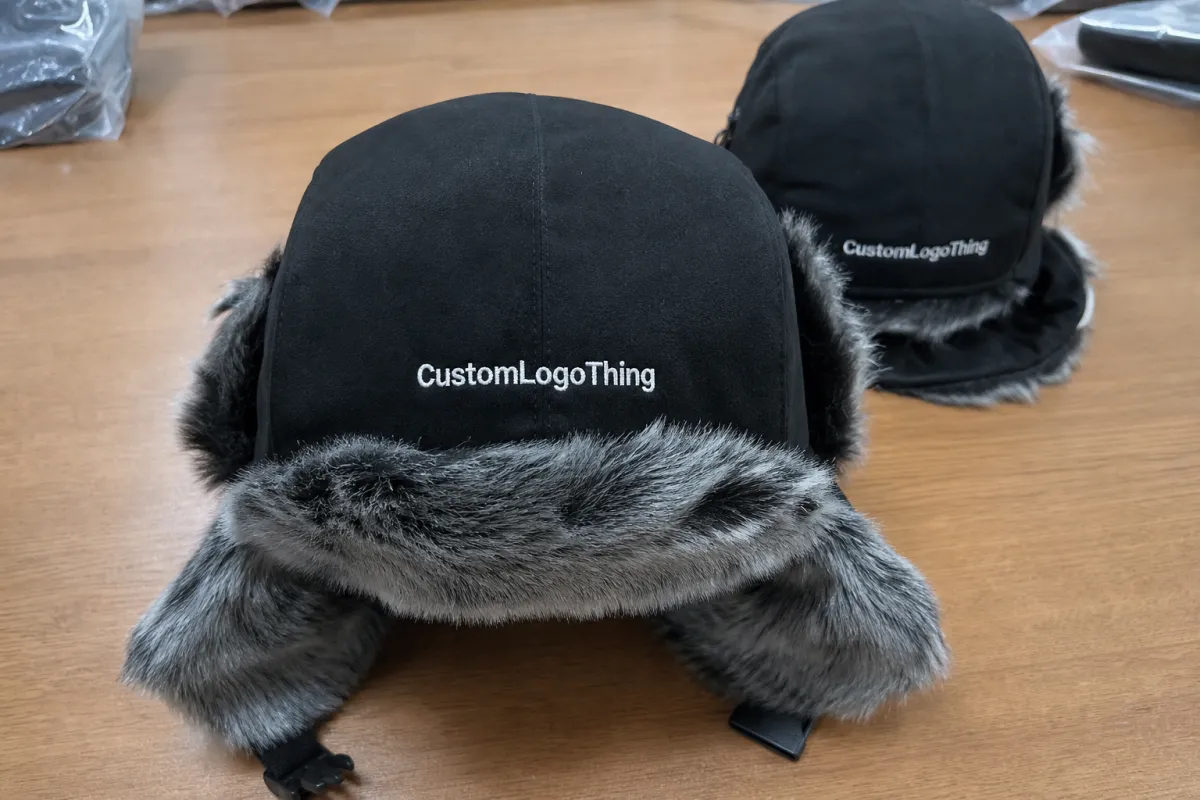
A heavyweight winter beanie looks simple until you actually handle it. Then the shortcuts surface quickly. The crown can sit too tall, the body can collapse after a few wears, and the logo can feel lost inside the knit structure. A physical sample exposes those issues in minutes, while a bulk order exposes them after payment.
The biggest reason to approve from a real sample is that heavier construction changes the product in ways drawings do not capture. Stretch recovery, edge stability, crown height, and fold behavior all shift once the yarn gets thicker. A hat that looks balanced in a mockup may feel bulky on the head or awkward once it is packed with a hang tag and polybag.
Sampling also creates a shared point of reference. Brand, sourcing, sales, and production should be looking at the same object, under the same conditions, and using the same measurement notes. If one person signs off from a photo and another signs off from a sample in a different light, the order now has two standards. That is how disagreements begin after production is already locked.
There is a second benefit that buyers sometimes overlook: a good sample gives you a baseline for quality control. Once you approve the hat, that piece becomes the control sample for future reorders and for any dispute about whether a later run drifted from the original. Without that reference, every conversation turns vague.
For winter retail, the approval question should be blunt. Does the hat hold shape, carry the branding cleanly, and fit the shelf story? If not, it is not ready. There is no reward for being optimistic at the wrong time.
How a heavyweight beanie sample should be tested
Start with fit on more than one head size. A thick knit can feel forgiving at first, then loosen after wear. Test the sample on a small head form, a medium head form, and at least one real person if possible. Check whether the stretch recovers cleanly or stays baggy around the temples and crown. That tells you more about yarn choice and stitch tension than any spec sheet alone.
Measure the hat flat, then compare those numbers to the on-head shape. Crown height, cuff depth, and overall body length all affect how the product looks in a store and on a customer. A beanie can meet the written size and still appear too short, too shallow, or oddly stretched once worn. Heavyweight Winter Hats need structure. If the cuff collapses or the crown balloons, the style reads as unfinished.
Inspect the decoration under daylight and indoor light. Thick yarn can distort embroidery, dull woven labels, and make prints appear smaller than expected. A logo that looks precise on a PDF may disappear into the knit if the stitch density is too low or the placement sits on a high-stretch zone. That is why the heavyweight winter Hats Sample Checklist should cover size, position, and legibility, not just artwork approval.
Then test the hat the way a buyer or customer would handle it. Fold it, pack it, remove it, and wear it for a few minutes. Does the cuff stay in place? Does the body recover shape after being compressed? Does the product still look clean after the material has been stretched and released a few times? That is the real test. A five-second glance under office lighting misses too much.
The sample should also be checked for consistency side to side. If one seam is tighter, one rib looks flatter, or the fold line wanders, bulk production will repeat that flaw hundreds of times. Small defects in a heavyweight knit are easy to dismiss in a single sample and very visible in a packed shipment.
Fit, fabric, and branding checks that matter most
The first thing to confirm is fiber content. Acrylic, wool blends, and recycled yarns all behave differently. Acrylic usually gives the most predictable softness and price stability. Wool blends can add warmth and a more premium hand feel, but shrinkage, itchiness, and odor retention need attention. Recycled yarns may support a sustainability story, yet they can vary more in texture and dye uptake. If the fiber content is still moving, you are comparing versions of the same idea, not the same product.
Weight matters, but heavier is not automatically better. A dense beanie feels substantial and warm, which is exactly why buyers ask for it, yet extra weight can also reduce stretch, increase shipping cost, and trap too much heat for some markets. For many programs, the best result sits in the middle: enough heft to feel winter-ready, but not so much that it turns into a stiff, expensive cap.
Gauge and stitch structure deserve attention. A 7-gauge knit and a finer 12-gauge knit do not read the same, even if the measurements match on paper. Coarser gauges show texture more clearly and often feel richer, while finer gauges can carry sharper details and a cleaner logo field. The sample should tell you whether the chosen structure supports the artwork or fights it.
Measure cuff height, body length, and fold depth with the same tape every time. Small differences change how the hat sits on shelf and on head. A cuff that is 1 cm too tall can hide the logo. A body that is 1.5 cm too short can make the beanie look skimpy. Buyers often focus on the decoration first, but fit is what customers notice before they even read the brand mark.
Brand placement should respect the knit. A flatter panel is usually safer than pushing artwork across a highly stretchy area. On a heavyweight hat, small linework tends to disappear faster than bold, simple shapes. If the design depends on fine detail, it should be simplified before production. Knit fabric is not paper, and it will not behave like it.
| Sample route | Typical cost | Best for | Main tradeoff |
|---|---|---|---|
| Standard knit sample | $40-$90 | Basic fit and construction checks | Limited decoration complexity |
| Custom decoration sample | $75-$180 | Embroidery, woven label, or patch approval | More setup time and higher prep cost |
| Rush sample | $120-$250 | Short lead times and tight launch windows | Higher price and fewer revision options |
Trims are not decorative extras. Review labels, hang tags, packaging inserts, and polybag size together. A well-made hat can still feel unfinished if the label is crooked or the bag crushes the cuff. If the product is going to sit in retail packaging, the presentation has to work as one system.
For paper hang tags or insert cards, FSC-certified stock is a sensible request when sustainability claims matter to the buyer. You can check the standard at FSC. If you need a reference for transit and parcel handling, ISTA test methods are useful for understanding how packed goods survive distribution.
Process and timeline from sample request to approval
Send a clean brief first. The factory needs a tech pack, target quantity, artwork files, color references, and a written approval standard before sampling starts. If the brief is vague, the sample will be vague too. That never surprises anyone on the factory side, but it still surprises buyers every season.
A practical sampling flow usually looks like this: setup, knitting, decoration, finishing, inspection, and freight. A straightforward beanie sample often takes 7-14 business days once the materials are ready. If the style uses custom yarn, special embroidery, or a new label structure, the schedule can stretch. Rush sampling exists, but it usually costs more and leaves less room for revision. Speed is a tradeoff, not a bonus.
Leave buffer time for yarn sourcing, factory workload, and courier delays. Winter product calendars compress fast because everyone remembers the season at the same time. If your launch depends on a specific retail window, build in one round of revision from the start. Production schedules are less forgiving than sales decks.
Written sign-off matters more than most teams admit. Measurements, color, logo size, packaging, and label placement should all be approved in one place. If one part changes after approval, treat it as a new decision. Otherwise, the paper trail says one thing and the factory floor makes another.
Never approve from photos alone. Photos help, but they do not show how the cuff flexes, how the yarn reflects light, or whether the logo sits correctly after the hat is worn and repacked. The sample stage exists to answer those questions while the order is still small enough to fix.
Cost, MOQ, and unit cost tradeoffs
Ask for pricing in pieces, not in one lump number. Sample cost, decoration setup, packaging, and freight should all be separate line items. A vague quote hides the part that bites later. If the supplier only gives one number, you do not have a real buying decision yet. You have a guess with a logo on it.
Sample pricing is higher than production pricing because the setup cost is spread over one piece instead of hundreds or thousands. That is normal. What is not normal is expecting the sample to cost the same as bulk production. It will not. The better question is whether the sample price is fair for the knit complexity, decoration method, and number of revisions required.
MOQ changes the math fast. A lower minimum order quantity often means a higher unit price, fewer color options, or tighter limits on trim choices. That can still be a good trade if the launch is small or the style is new. If the beanie has clear sell-through potential, compare pricing at 100, 250, 500, and 1,000 units. That is usually where the meaningful breaks show up.
Compare landed cost, not just factory cost. Shipping, duties, and repeat sampling can turn a cheap quote into a costly lesson. Buyers sometimes celebrate a low unit price and then lose the margin in freight or last-minute revisions. The Heavyweight Winter Hats sample checklist should include cost control because the sample is where the financial shape of the order starts to show.
A practical buying question helps here: what changes if you alter decoration, yarn, or packaging? Ask for the sample fee, the estimated production price at your target volume, and the cost delta for each adjustment. That gives you a real picture of the order instead of a polished estimate that leaves out the hard parts.
Common sample mistakes that create expensive rework
Color is the first trap. People approve from a monitor and assume the knit will match the screen. It will not. Thick yarn absorbs and reflects color differently than flat fabric, so the same shade can look darker, warmer, or flatter once it is knitted. Review color under daylight and indoor light, then compare it to the actual reference, not a JPEG sent in a group chat.
Stretch recovery is the second trap. A heavyweight hat that loosens after one wear will look tired before it reaches the shelf. Pull the sample on, let it rest, and inspect the shape again. If the crown sags or the cuff rolls out of control, fix the knit or the construction. Hoping customers will not notice is not a quality plan.
Logo scale causes trouble too. Thick yarn changes the visual size of artwork, especially embroidery and woven patches. What looks balanced in a flat mockup can read tiny or crowded on the final knit. If the artwork is too detailed, reduce the complexity or enlarge the badge. The hat is already carrying warmth and structure. It should not also do impossible things for microscopic linework.
Packaging and label placement often get ignored until the end. That is backwards. If the fold does not sit properly in the bag, or the hang tag pulls the cuff sideways, the presentation becomes messy. A good beanie with sloppy pack-out still looks sloppy. Customers rarely separate the product from the way it arrives.
The first sample is usually a proof of concept, not a finish line. Treating it like production-ready is how teams end up reworking the order after the quote is already approved. That is not efficient. It is just expensive with better stationery.
Expert tips for cleaner approvals and better margins
Use a simple scorecard. Fit, hand feel, decoration, packaging, and cost should each get a pass-fail note with a short comment. A scorecard keeps the conversation concrete. “Looks nice” does not help production. “Logo too small by 15%” does.
Take photos from three angles: on a head, flat on a table, and under two light sources. That gives you a better record than memory, and memory tends to lose details after a week of other meetings. If you are approving remotely, photos and a measured spec sheet are the minimum. A sample without documentation becomes a story nobody can agree on later.
Keep one person accountable for final approval. A committee can be useful for feedback, but not for ownership. Too many opinions turn a sample review into a group project with no end. Someone has to say yes, someone has to say no, and someone has to carry the result.
Test the hat in context. Put it next to the outerwear it will sell with. Check it with gloves, with a scarf, and on the same shelf packaging it will ship in. The product does not live in a vacuum. It lives in a retail environment where the customer is moving quickly and comparing options with very little patience.
Ask the supplier which step they consider most risky before production starts. Their answer usually points to the thing that deserves one more check. Yarn dyeing, stitch tension, label placement, and final pack-out are common trouble spots. Direct answers are useful here. Evasive ones are also useful, because they tell you where the uncertainty sits.
From a packaging buyer’s point of view, this is where margin gets protected. A cleaner approval means fewer revisions, fewer freight charges, and fewer relabeling headaches. That is the real value of the Heavyweight Winter Hats sample checklist: it keeps you from paying twice for the same mistake.
Next steps to turn the sample into production
Once the sample is approved, turn the review into action. Record every pass, every fail, and every tolerance before the next round starts. Lock the final spec sheet, artwork file, and packaging reference so production is not guessing what you meant. “Close enough” is where disputes start.
Confirm the quote, timeline, and shipping method together. A good sample means very little if the bulk order misses the selling window. If the launch depends on cold-weather retail, timing is part of the product spec. That is not dramatic. It is just how seasonal buying works.
Save the approved sample as your control piece. It becomes the reference for future reorders, quality checks, and any discussion about whether a later run drifted from the original. Keep it clean, labeled, and stored where it will not be crushed by whatever else is in the sample drawer.
Run the checklist one more time before releasing the PO. Check fit, stretch, crown shape, cuff depth, logo placement, packaging, freight, and price. If something feels soft, stretched, or skipped, fix it now. The sample stage is the cheapest place to be picky. Bulk production is a terrible place to discover you should have been.
What should a heavyweight winter hats sample checklist include before approval?
Include fit, stretch recovery, cuff depth, crown shape, and overall hand feel. Add decoration size, logo placement, label position, packaging fit, and color accuracy under real lighting. The sample should be judged like a product that will ship, not like a render that only needs to look good once.
How many sample rounds are normal for heavyweight winter beanies?
One round is ideal, but two is common when the first sample needs knit, color, or logo adjustments. More than two rounds usually means the brief was incomplete or the approval standard was not clear enough at the start. Extra rounds are possible, but they add time and usually add cost.
What affects heavyweight winter hat sample pricing the most?
Yarn type, decoration method, label or packaging setup, and any custom color work push pricing up fast. Rush timing and repeated revisions can add more cost than the base sample itself. That is why clean instructions matter: they reduce setup waste before production starts.
How long does the sample process take for custom beanies?
A simple sample can come back in about 7-14 business days once materials are ready. Custom yarn, complex embroidery, or extra revisions can extend that schedule. Factory workload and courier delays also matter, especially during peak cold-weather buying periods.
What is the best way to check fit on a heavyweight winter hat sample?
Test it on multiple head sizes and check stretch recovery after wear, not just when it is fresh off the needle. Measure crown height and cuff depth on a person and on a head form so you catch shape issues early. One sample can look acceptable flat and still fail once worn.


