Home Fragrance Frosted Zipper Bags Sample Checklist A home fragrance frosted zipper bags physical sample checklist matters because frosted film can look soft and expensive in a rendering, then turn hazy, muted, or uneven once it is under retail lighting and sitting beside other scented products. A flat proof only tells part of the story. The physical sample shows how the bag opens, seals, fills, and presents the product inside.
What the Checklist Actually Covers
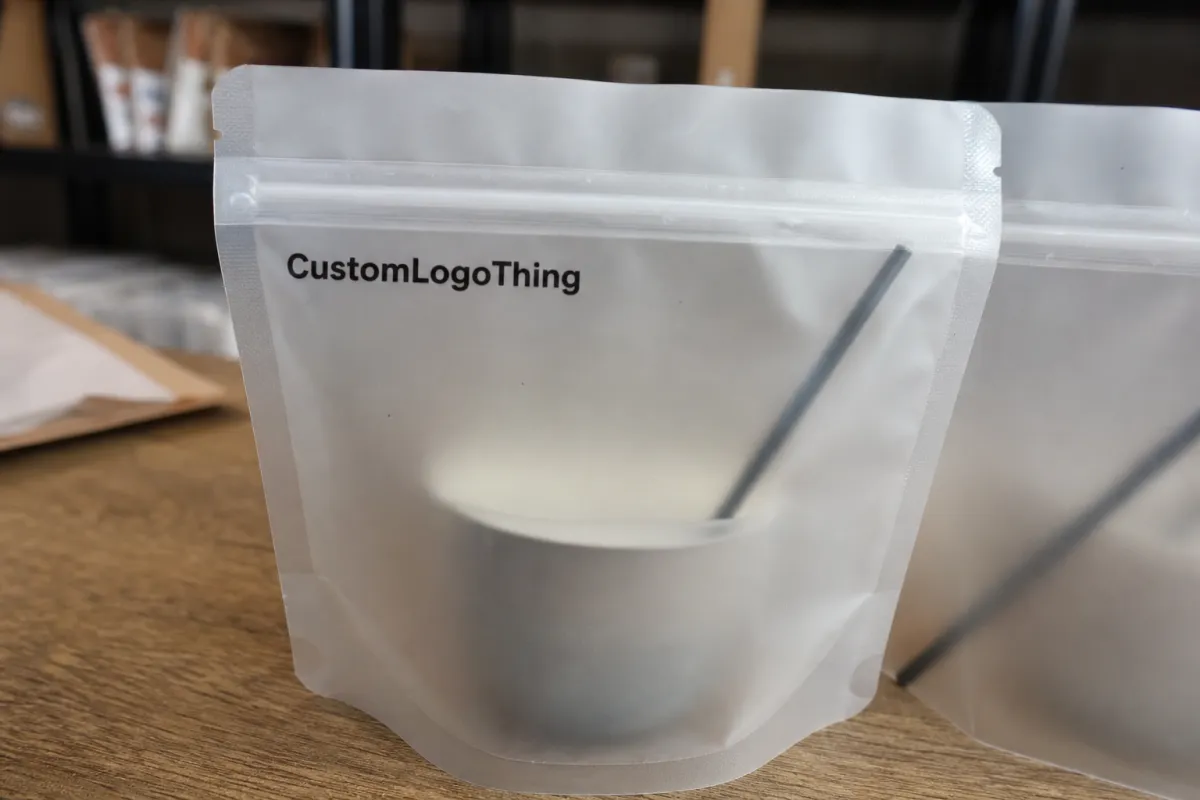
The checklist is not just an artwork signoff form. It is a working tool for structure, appearance, and function, which matters a great deal with scented packaging because the pouch may sit beside candles, wax melts, sachets, reed refills, or small gift sets and still need to look finished after handling, shipping, and shelf stacking. A home fragrance Frosted Zipper Bags physical sample checklist helps catch the issues that never show up in a clean PDF.
The biggest surprise is often the finish itself. Frosted film usually reads premium in hand, but the same surface can look flat under harsh LED lighting if the opacity is too low or the printed contrast is weak. That is why the sample should be inspected in real light, not only under desk lighting, and compared against the actual product it will hold.
This applies across fragrance packaging formats: wax melt pouches, sachet bags, room spray accessory kits, sample sets, and compact retail packs. The checklist should cover size, zipper action, seal integrity, print clarity, fill behavior, and shelf readability. If one of those fails, the package may still “work” on paper but fail at the counter.
There is a practical reason buyers keep coming back to physical samples. Spec sheets can describe film thickness, but they cannot tell you whether the top rail feels flimsy, whether the zipper tracks straight after repeated opening, or whether a pale logo disappears once the pouch is filled. Those are tactile details, and tactile details are where packaging budgets are won or wasted.
Sample Review Flow From File to Hand Sample
A reliable sample process starts with the right inputs. Before a supplier makes anything, they need the final dimensions, product weight, closure style, artwork files, barcode placement, and any notes about scent protection, inserts, or display needs. If the fragrance item is oddly shaped, heavier than a typical sachet, or designed for a counter display, say that early. The first prototype should reflect the actual use case, not an idealized version of it.
Most converters turn that brief into a dieline or prototype layout, then build a hand sample for physical review. That sample should be checked against the actual fragrance product, not just against the file proof. Look at how the fill settles, whether the zipper closes cleanly, whether the top area buckles, and whether the bag still sits square once it is sealed. Small differences of a few millimeters matter more than most teams expect, especially when a pouch is displayed beside competing SKUs.
A review sequence keeps comments from drifting:
- Confirm the structure and dimensions first.
- Insert the actual product and check the fit.
- Open and close the zipper several times.
- Inspect print, opacity, and logo placement.
- Record changes before approval.
If a revision is needed, route the comments through one channel and keep design, operations, and purchasing aligned. Mixed feedback is where sample cycles start to wander. A revised physical sample should be compared side by side with the first version so the team can see exactly what changed and whether the change solved the problem.
One more point: sample review should happen with the actual fill quantity, not a guessed amount. A pouch that looks balanced when half full can crease, balloon, or tilt once the proper weight is inside. That is especially true for scented products, where the buyer may care as much about the presentation of the bag as the product itself.
Material, Seal, and Barrier Details That Shape Performance
Frosted film is not a single material. Thickness, stiffness, and surface texture all change how the bag feels in hand and how it reads on shelf. A lighter film may feel flexible and economical, while a slightly heavier structure can sit flatter, hold its shape better, and give the logo more visual weight. For many home fragrance packs, buyers look at film in the 4 mil to 6 mil range, though the right choice depends on product weight and how the pouch will be displayed.
Seal quality matters just as much. A weak top seal or inconsistent zipper profile can create dust intrusion, a soft closure feel, or a pouch that slowly opens during handling. If the fragrance product is sensitive to air exposure or has a strong scent profile, ask how the structure handles barrier needs and whether the closure keeps odor transfer under control during storage and transport. The bag does not need laboratory-grade performance for every application, but it should feel dependable in real use.
Print behavior is also different on frosted surfaces than many teams expect. White ink, opacity, and color density all affect whether the logo stays legible against the translucent film. A pale mark that looks elegant on screen may disappear once the bag is filled, especially if the product behind it is light colored. On the other hand, too much ink can make the pouch feel heavy and visually crowded. The right balance usually comes from a sample, not from guessing.
Fit checks should cover inserts, labels, sample cards, and filling lines. If a pouch needs to hold a small wax melt tray plus an instruction card, the physical sample should prove that both pieces fit without crushing the seal area. If the closure sits too close to the product edge, the line may become slow and messy during packing. That is a production issue, not just a design issue.
For broader packaging validation, the International Safe Transit Association has useful guidance on distribution testing at ista.org. That matters most when a pouch will survive shipping, store handling, and seasonal merchandising rather than simple countertop display. If the outer carton or insert board is part of the pack, FSC-certified paper stock is worth asking about as well; the FSC site at fsc.org is a practical reference when certification claims need checking before artwork goes to print.
A few material details are easy to overlook. A low-slip frosted surface may feel refined but can scuff more visibly during packing. A stiffer film can hold a square silhouette, but it may resist folding if the pack needs to lie flat. Even zipper type matters: some closures give a crisp snap, while others feel looser and need more pressure to engage. Those are the kinds of differences a sample reveals immediately.
Cost, Pricing, and MOQ Checks Before Quoting
The cleanest way to evaluate pricing is to separate the sample from the full production run. A simple unprinted physical sample may cost far less than a printed prototype, and both are different from a short production order. That distinction matters because some teams ask for a price and assume it covers everything, then discover that artwork setup, sample freight, revisions, or tooling were never included in the first number.
For a small custom pouch program, typical cost drivers include bag dimensions, film grade, zipper style, print colors, white ink coverage, special finishes, and any inserts or labels. MOQ changes with complexity too. A plain sample might be built with little commitment, while a printed prototype or short run usually needs more setup work and a larger minimum. If a supplier gives you a unit price, ask what happens to that price at 1,000, 3,000, and 5,000 pieces so the quote reflects reality, not just the best-case volume.
| Option | Typical sample or order cost | Typical turnaround | Best use |
|---|---|---|---|
| Unprinted hand sample | $35-$85 plus freight | 3-7 business days | Size, zipper, and fit checks |
| Printed prototype | $120-$300 plus freight | 7-15 business days | Artwork, opacity, and shelf review |
| Pilot production lot | Varies by MOQ and print coverage | 10-20 business days after approval | Launch readiness and real packing trials |
The table forces the conversation toward total landed value, not just the lowest unit cost. A bag that looks cheap on paper can become expensive if the zipper is weak, the print needs a second pass, or the sample cycle drags on. A good home fragrance frosted zipper bags Physical Sample Checklist keeps those hidden costs visible before the order is released.
There is also a timing cost that rarely appears in the quote. If the sample needs a second revision, even a modest change can add freight, another approval round, and a few lost days on the schedule. For seasonal fragrance launches, those days are rarely recoverable.
Production Steps, Lead Time, and Turnaround
The normal sequence is straightforward, but each step needs clear ownership. First comes artwork review and material confirmation. Then the supplier builds the sample, the buyer inspects it, revisions are made if needed, and the final approval triggers production release. If anything changes after approval, even something as small as a barcode move or a color adjustment, the schedule can slip.
Lead time depends on workload, revision count, and material availability, but buyers usually get better results when milestone dates are written down early. For a retail reset or a seasonal fragrance launch, the packaging date often matters as much as the product date. If the bag needs to be on shelves in time for a trade show, allow time for sample shipping, internal review, rework, and final production. A rushed approval usually costs more than the time it saves.
Some delays are predictable. Missing vector artwork, unclear responsibility for signoff, late changes to zipper style, or a shift in artwork after sampling all create avoidable churn. It also helps to confirm whether the supplier needs a revised dieline after any structural change. That one detail is easy to miss and can quietly reset the whole schedule.
For fragrance packaging, a practical benchmark is to document each milestone in plain language: sample ordered, sample received, sample approved, production released, and production complete. That way nobody is guessing which version is current. The checklist becomes more useful when it is tied to dates and version control, not just comments on a spreadsheet.
If a line is going through several fragrances or scent families, keep the sample record by SKU rather than by project. A reed diffuser refill pouch and a wax melt pouch may use similar structures, but they often need different fit, different artwork density, and different handling notes. Treating them as interchangeable is a fast way to create production noise.
Sample Mistakes That Create Rework
The first mistake is approving from screen images instead of holding the physical sample in real light. A laptop proof can make the frosted surface look cleaner than it truly is, and it can hide weak contrast, light print, or a zipper that feels sticky after a few openings. Physical inspection matters because packaging is a tactile product.
Another common miss is fit. A fragrance item may be slightly larger, heavier, or more irregular than the team expected, especially if it includes a tray, label card, or shrink-wrapped insert. If the bag is just barely large enough on paper, it can become frustrating on the packing line. Bags that look fine in isolation often fail as soon as the actual product is inserted and the top seal has to sit flat.
A pretty sample is not the same thing as a usable one. If the zipper feels stiff, the gusset collapses, or the print disappears once the pouch is filled, the sample still needs work.
Good print quality does not guarantee good function. A pouch can look sharp and still be awkward to pack if the opening is tight, the seal feels weak, or the panel shape creates handling marks during filling. Before approval, record the color tolerance, barcode placement, scuff resistance, and any marks that appear when the bag is handled with bare hands or gloves. Those details save rework later.
Another source of waste is inconsistent sample language. One reviewer may write “slightly off,” while another calls the same issue a color shift, and a third thinks the problem is simply lighting. Specific notes reduce the back-and-forth. Measure it, mark it, photograph it, and send one decision through the chain. Vague comments are expensive.
It also helps to compare the approved sample against the actual product, not just against the artwork proof. The checklist should capture whether the package is protecting the scent, presenting the brand, and holding up during normal handling. That is the core purpose of a home fragrance Frosted Zipper Bags physical sample checklist.
Practical Tips for Cleaner Approvals
Review the sample with the final product inside it. That sounds simple, but it changes the whole conversation. Once the fragrance item is in the pouch, you can judge branding, transparency, shape retention, and shelf presence together instead of as separate questions. A pouch that looked elegant empty may need a stronger logo, a darker print, or a slightly different size once the product is inside.
A short scorecard helps. Four lines are enough: fit, finish, scent protection, and retail impact. Assigning a quick note to each one keeps feedback from drifting into vague opinions. Buyers and designers may disagree on style, but they usually align faster when they are looking at the same four criteria.
If a revision is needed, ask for side-by-side photos and measurements along with the new sample. That is especially useful when the first version is close but not quite right. A change of 2-3 mm in width or a slightly different zipper profile can solve the problem without forcing a full redesign. The sample cycle moves faster when comments are specific.
It also helps to have one final decision-maker. Too many approval voices can stall a simple pouch order for days, especially when one person cares about shelf readability, another is focused on price, and a third is worried about packing speed. One clear approver can gather input, then make the call and keep the schedule moving.
For teams that reorder often, keep a photo of the approved sample next to the measurements and the print file version. That small archive becomes surprisingly valuable six months later, when someone asks whether the zipper changed or whether the logo was meant to sit higher on the panel. Memory fades. A clean record does not.
What to Lock Before Production
Before release, lock the size, artwork, and material notes into one approval document. That document should include the approved sample photo, measured dimensions, print version, zipper style, and any special notes about inserts or scent-related handling. Once those details are together, there is far less room for confusion in production.
Confirm the quote, MOQ, and turnaround one last time. This is the moment to ask whether sample fees, freight, setup, and any revision charges were already captured. If a preproduction proof is available and anything changed after sample approval, ask for it. Even a minor change can affect placement, opacity, or the way the pouch closes.
Keep the approved sample, photos, and measurements in one place for the next reorder. That single habit saves time every time the same fragrance line comes back around. It is also the best safeguard when a team member changes or the pack gets revised six months later. A good archive turns the checklist into a repeatable control tool instead of a one-time task.
For buyers managing home fragrance packaging, the goal is not perfection for its own sake. It is a pouch that opens cleanly, looks right under store lighting, and survives the normal friction of packing, shipping, and display. The sample stage is where that gets proved.
What should a home fragrance frosted zipper bags physical sample checklist include?
At minimum, it should cover size, fill weight, how the product sits inside the bag, film thickness, frosted finish, zipper action, seal quality, print clarity, and label or barcode placement. If the pouch carries inserts or a scent card, that needs to be checked too.
How many physical samples should I review before approving frosted zipper bags?
Review at least one fully built sample with the actual product inside. Ask for a second sample if artwork, fit, or closure performance needs adjustment, and use more than one when different scents, inserts, or retail sizes are involved.
What affects home fragrance frosted zipper bag pricing the most?
Bag dimensions, material grade, zipper style, print complexity, setup work, and special finishes usually drive cost. MOQ, sample count, freight, and revision charges can also change the final landed price quite a bit.
How long does a frosted zipper bag sample usually take to turn around?
Simple unprinted samples usually move faster than printed prototypes. Lead time depends on current workload, revision rounds, and material availability, and clear artwork is still the fastest way to keep the schedule moving.
What if the physical sample does not match the artwork proof?
Compare the sample against the approved dieline and file version, then check ink limits, opacity, and color expectations before asking for a rework. Do not approve until the corrected sample matches both the structure and the print intent.

