Home Fragrance Logo Patch Beanies Material Sample Guide
What a Material Sample Guide Really Solves
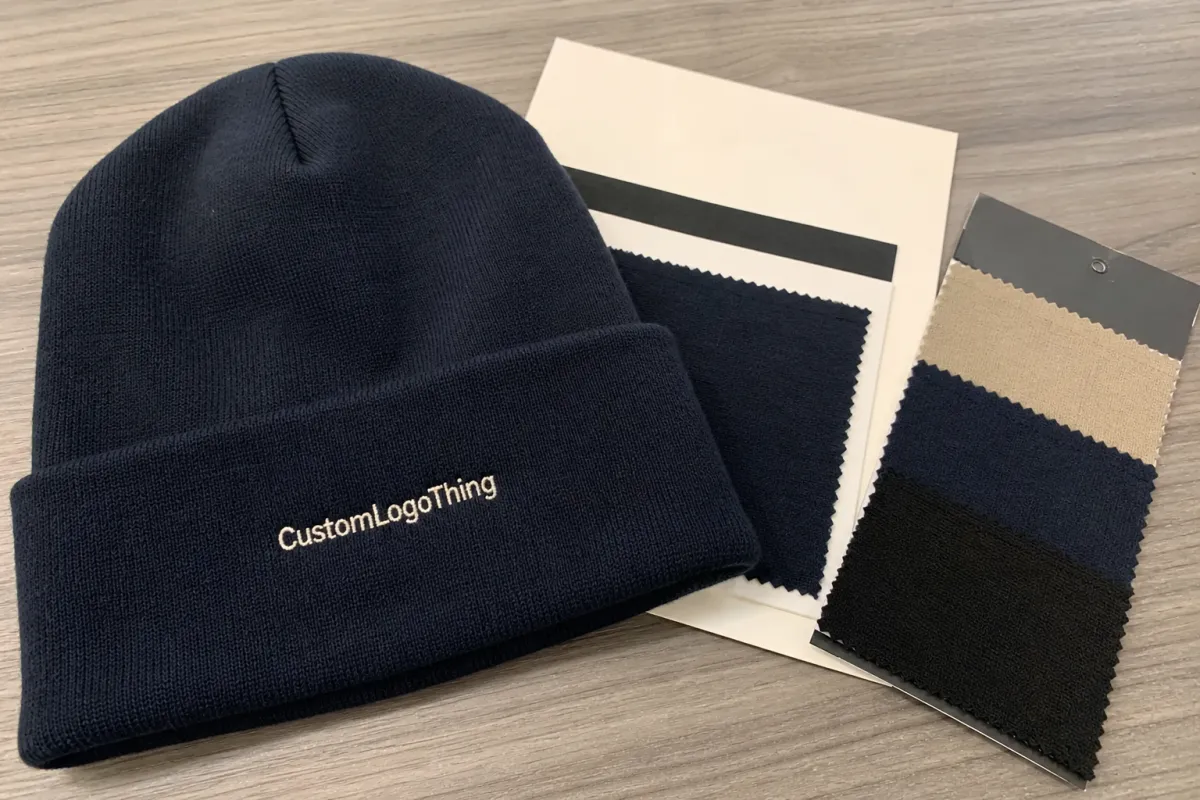
A beanie for a candle, diffuser, or room spray brand is not just merch. It is a wearable extension of the scent story. A home fragrance Logo Patch Beanies material sample guide helps buyers judge knit hand-feel, patch finish, color accuracy, stretch, and packaging fit before production money is committed.
That may sound overstated until a scratchy acrylic beanie sits beside a 12 oz amber glass candle with a textured label, rigid gift box, and kraft paper wrap. One piece says “considered.” The other says “leftover giveaway.” Customers notice the gap, even if they cannot explain it.
Home fragrance has unusually high tactile standards. The category trains shoppers to touch, lift, open, smell, and compare. They evaluate wax surface, vessel weight, reed diffuser cartons, label stock, tissue paper, ribbon, and shipping protection. A logo patch beanie has to survive the same sensory audit. If the cuff feels harsh or the patch curls at the corners, the whole bundle feels cheaper.
A sample is evidence, not decoration.
A yarn swatch shows whether the knit stretches cleanly. A patch mockup reveals whether fine serif type survives at 1.75 inches wide. A pre-production beanie proves whether the logo sits flat across ribs, whether the fold height hides stitching, and whether muted sage still reads as sage under warm retail lighting.
Use cases vary more than many buyers expect: seasonal gift sets, spa retail uniforms, influencer drops, employee welcome kits, trade show giveaways, subscription-box add-ons, hotel retail, and limited holiday bundles. Each has a different threshold for softness, cost, packaging, and logo visibility. A staff gift can tolerate a simpler patch. A premium candle bundle cannot.
The practical lens is simple: treat sampling as a buying tool, not a mood board. Compare materials, decoration methods, unit-cost drivers, timeline risks, and approval criteria before anyone gets attached to a clean digital mockup.
Sampling rule: if a buyer cannot evaluate feel, stretch, logo clarity, packaging fit, and color under real lighting, the sample is not doing its job.
How Logo Patch Beanies Work for Home Fragrance Brands
The basic build is straightforward: a knit beanie body, usually cuffed or uncuffed, decorated with a branded patch sewn, heat-applied, or otherwise attached to the front cuff or side panel. The difficult part is making that small patch carry the same brand weight as a candle label.
Think of the patch as a miniature label system. It has to express brand name, symbol, texture, color, and price position in a space often smaller than a business card. A 2 x 1.5 inch faux leather patch can feel boutique and warm. A woven patch can hold thin botanical linework. A silicone patch may suit a clean refillable-fragrance brand, but it can feel too sporty beside cotton paper labels and cream cartons.
Patch choice should follow logo complexity. Woven patches are usually best for fine detail and small type. Embroidered patches add dimension but can swallow thin lines. Faux leather patches bring a handcrafted feel, especially in tan, espresso, black, or debossed cream. Rubber or silicone patches offer durability and sharp molded edges. Printed patches are useful for gradients, tiny typography, or artwork too dense for thread.
The knit structure matters just as much. Rib knits stretch visibly, so straight patch edges can look slightly bowed once worn. Chunky knits signal warmth and winter gifting but are less stable under a crisp rectangle. Fine-gauge beanies usually create the cleanest platform for small logos, especially for spa-minimal, apothecary, luxury hotel, or botanical fragrance brands.
Packaging adds another constraint. If the beanie is bundled with a candle, diffuser, or room spray, thickness changes carton dimensions, insert design, freight cube, and closure pressure. A plush cuff may look excellent on a table display but make a gift box lid sit 4 mm proud. That tiny gap can cause scuffing in transit or make stacked cartons look uneven on a retail shelf.
The sample is the point where all systems meet: logo scale, patch stiffness, yarn softness, fold height, hangtag placement, carton fit, and presentation. A useful guide forces those decisions into the open before the bulk run starts.
Material Choices That Change Feel, Fit, and Brand Perception
Material is where buyers often make the first expensive mistake. A beanie can look right in a flat photo and still fail on the wrist, jawline, or forehead. For fragrance brands, that matters. The customer already expects softness, calm, and detail.
Acrylic is the common budget-friendly option. It offers broad color availability, consistent supply, and manageable pricing at promotional quantities. Better acrylic beanies can feel plush and stable; poor ones pill early or recover badly after stretching. For a giveaway run, acrylic may be sensible. For a $95 Candle Gift Set, it needs careful sampling.
Recycled polyester blends support sustainability messaging, especially when documentation confirms recycled content. Avoid vague claims. Ask whether the yarn contains post-consumer waste, pre-consumer recycled material, or both. If the packaging also uses recycled board or kraft paper, the story becomes more coherent. If only the beanie carries the claim, the hangtag copy should stay precise.
Cotton blends feel breathable and natural, though they may lack the spring and warmth of acrylic or wool. Wool blends create elevated positioning and better insulation, but they can introduce itch concerns, odor retention questions, and higher unit costs. Cashmere-style synthetics, often acrylic or nylon-based, can deliver a premium hand-feel without true cashmere pricing. Test recovery and pilling before trusting the first touch.
Hand-feel testing should be physical and slightly ruthless. Rub the sample along the wrist or jawline for 10 seconds. Stretch it over a hand, release it, and check recovery. Fold the cuff twice and feel the bulk. Turn it inside out and inspect seams. If the brand sells relaxation, a scratchy interior is not a minor flaw.
Color deserves its own test. Neutrals dominate home fragrance merchandising, but off-white, oatmeal, charcoal, sage, clay, terracotta, and mushroom can shift dramatically beside amber glass, frosted vessels, matte cartons, or cream labels. Warm boutique lighting can yellow an ivory knit. Phone cameras can flatten soft green into gray. A color that looks expensive in a supplier photo can look tired beside a warmer paper stock.
| Material Direction | Typical Brand Fit | Sample Checks | Cost Position |
|---|---|---|---|
| Acrylic knit | Seasonal promos, staff gifts, accessible candle lines | Pilling, cuff bulk, color consistency, recovery | Lower to mid |
| Recycled polyester blend | Sustainability-led fragrance brands and refill concepts | Documentation, softness, dye accuracy, claim support | Mid |
| Cotton blend | Spa, wellness, botanical, warm-weather retail | Breathability, stretch recovery, shrink behavior | Mid |
| Wool blend | Luxury, alpine, hotel, premium winter gifting | Itch, laundering instructions, density, odor retention | Mid to high |
| Cashmere-style synthetic | Premium tactile cue without luxury fiber pricing | Softness, pilling, shape retention, label honesty | Mid to high |
Patch compatibility follows the same logic. Faux leather looks rich on charcoal, espresso, forest, or oat knits. Woven patches suit detailed botanical marks. Silicone can work for a modern refillable fragrance line but may feel cold beside deckled labels, FSC certified cartons, or textured paper wraps. For a premium retail bundle, request at least two yarn options and two patch types.
Care labeling is another overlooked detail. A wool blend may require more cautious washing language than a synthetic knit. Faux leather can react differently to heat than woven or embroidered patches. If the beanie is sold rather than gifted, fiber content and care information should be accurate and consistent with local labeling requirements.
Cost, Pricing, MOQ, and Unit Cost Variables to Compare
Beanie pricing is rarely one number. Unit cost is shaped by yarn, knit complexity, patch material, stitch count, patch size, color count, packaging, quantity, freight method, inspection needs, and timing. A quote that looks 18% cheaper can become more expensive after setup fees, rush freight, and carton changes.
For planning, stock acrylic beanies with a standard sewn patch usually sit in the lower promotional range. Premium blends, custom-dyed yarn, specialty patches, private labels, and retail packaging push the project upward. A small domestic-style promotional run may price very differently from a larger import program. Supplier model, location, quantity, and shipping route all matter, so treat early pricing as directional.
The biggest levers are predictable. Acrylic is usually more economical than wool blends. Woven and printed patches often cost less than highly dimensional embroidery. Custom-dyed yarn can add cost and time because dye lots, minimums, and approvals enter the schedule. Private-label hangtags, printed belly bands, insert cards, or gift-box adjustments may appear as separate line items rather than inside the unit price.
MOQ needs a blunt conversation. Stock beanie blanks with custom patches may support lower minimums. Fully custom knit colors, custom labels, custom patch molds, and retail-ready packaging usually require higher order quantities because the supplier has to set up more components. If a buyer wants 150 pieces with custom-dyed yarn, a molded rubber patch, and a printed rigid box, the economics may fight the concept.
Compare the beanie against its use case. A low-cost trade show giveaway needs recognizable branding, decent comfort, and fast replenishment. A fragrance gift-box beanie has to survive side-by-side comparison with embossed candle labels, glass vessels, corrugated cardboard shippers, tissue, ribbon, and insert cards. Different bar. Different budget.
Ask for landed pricing wherever possible. Freight, duties, rush fees, residential split shipments, and repacking can distort the real cost. Request two or three quantity tiers as well. Moving from 500 to 1,000 pieces may lower the per-unit price enough to fund better packaging; moving from 1,000 to 2,500 may not help as much if freight cube increases sharply.
| Cost Variable | Why It Changes the Quote | Buyer Question to Ask |
|---|---|---|
| Patch type | Embroidery, weaving, debossing, molding, and printing use different setup paths | What is the setup cost and repeat cost? |
| Patch size | Larger patches use more material and may require more sewing time | What size keeps the logo readable without stiffening the cuff? |
| Packaging | Hangtags, belly bands, boxes, and insert cards add components and labor | Is packing included in the unit price or quoted separately? |
| Quantity tier | Higher volumes spread setup costs but can increase storage and freight needs | Can I see pricing at three quantities with landed cost? |
Process and Timeline From Sample Request to Approved Run
A clean process saves money. More importantly, it prevents late-stage arguments about details that should have been decided before the first sample was made.
The typical route looks like this: creative brief, material selection, logo review, patch method recommendation, digital mockup, material sample or blank sample, pre-production sample, approval, bulk production, quality control, packing, and shipment. Simple stock beanies with standard patches move faster. Custom yarn colors, specialty patches, bundled packaging, and kitting take longer because each component needs proofing.
Material samples and production samples are not the same. A material sample proves fabric, color, and patch finish. A production sample proves the final combination: placement, scale, stitching, fold height, hangtag, and boxed presentation. Skipping the production sample on a retail bundle is risky because the packaging may fail even if the beanie itself looks strong.
Give the supplier useful information early: vector logo files, Pantone or brand color references, desired beanie style, target quantity, event date, retail or giveaway use, packaging format, shipping destination, and any sustainability requirements. If recycled content or FSC certified paperboard is part of the marketing claim, request documentation before copy is written.
Approval bottlenecks are often ordinary. Low-resolution logos. Unclear patch size preferences. Two stakeholders debating whether the knit is “warm gray” or “too mushroom.” Missing shipping addresses. Late changes to gift box inserts. None of these sound dramatic, but each one can add days.
Fragrance launches need extra buffer because beanies are rarely the only component. If candles, diffuser reeds, cartons, labels, corrugated cardboard mailers, and promotional inserts are being assembled together, one delayed part can hold the entire kit. ISTA transit-testing guidance can be useful for teams shipping fragile bundled goods, especially if glass vessels and soft goods share the same shipper: ISTA.
Build the timeline backward from the launch, retail drop, trade show, or holiday fulfillment date. Then add decision deadlines for sample approval, final artwork, packaging proof, bulk production, inspection, and shipping. The value of a sampling guide is not theory. It turns vague “soon” dates into actual gates.
Common Sampling Mistakes That Make Beanies Look Off-Brand
The most common mistake is approving a digital mockup without touching the material. A rendering cannot show itchiness, cuff bulk, patch stiffness, pilling risk, or how the logo behaves when the knit stretches across a forehead.
Another mistake: choosing the patch in isolation. A tan faux leather patch can look refined on charcoal but muddy on oatmeal. A white woven patch may look crisp on screen and too stark beside cream candle labels. A black silicone patch can feel modern, or it can feel like athletic merchandise dropped into a spa assortment by accident.
Logo scale creates quiet failures. Home fragrance brands often use elegant marks designed for labels, boxes, and ecommerce tiles. A beanie patch has less space and more movement. Thin serif type, tiny taglines, delicate botanical stems, and multi-line lockups can disappear at 2 inches wide. Test a simplified mark if readability drops.
Placement errors are easy to miss until the beanie is worn. A patch sewn too low can fold under the cuff. Too high, and it can look detached from the garment. Off-center placement is especially visible on ribbed knits because the ribs act like vertical measuring lines. Ask for placement tolerance if the run is large. A difference of a few millimeters can look intentional on one sample and sloppy across 1,000 units.
Packaging mismatch can undo a good product. A beautiful beanie loses value if it arrives crushed in a thin polybag while the rest of the fragrance line uses rigid boxes, textured paper, tissue, and ribbon. If the brand uses biodegradable packaging or recycled materials, the beanie presentation should support that decision rather than contradict it.
Sustainability claims need proof. Recycled yarns, vegan leather patches, compostable mailers, low-impact dyes, and FSC certified packaging should be verified before they appear on a hangtag or product page. The Forest Stewardship Council has useful guidance on responsible paper and forest-based claims here: FSC.
Create a short approval checklist so stakeholders judge the same criteria. Otherwise, the meeting drifts into personal taste. One person likes chunky knits. Another hates faux leather. A third wants the cheapest option. The sample should be judged against role, budget, deadline, and brand fit.
- Feel: soft against wrist and forehead, with no harsh interior seams.
- Fit: cuff holds shape after stretching and refolding.
- Logo: readable at normal viewing distance, not only in close-up photos.
- Color: matches the brand palette under store, studio, and daylight conditions.
- Packaging: fits carton or gift box without crushing, lid lift, or scuffed edges.
- Consistency: patch placement, stitch quality, and fold height stay within agreed tolerances.
Build a Sample Brief Buyers Can Actually Approve
A good sample brief is not long. It is specific. Gather the brand assets, define the beanie’s role, select two material directions, choose patch candidates, set a target budget, confirm the deadline, and request samples with clear approval criteria.
A simple sample matrix works well: one economical option, one premium option, and one wild-card option. The economical route might be a stock acrylic cuff beanie with a woven patch. The premium route might use a denser knit, softer hand-feel, faux leather patch, and retail hangtag. The wild card might test a recycled polyester blend, tonal patch, or unexpected color that photographs well beside the candle vessel.
Include the details suppliers need to quote accurately: vector logo file, preferred patch size, patch material, beanie color, knit style, quantity range, packaging format, shipping destination, launch date, and compliance or sustainability needs. If the beanie will be packed with glass, say so. If the box uses kraft paper, molded pulp, or a snug insert, say that too.
Evaluate samples in context. Place the beanie beside the candle vessel, diffuser carton, product label, tissue paper, shipper, and ecommerce photography setup. A charcoal beanie with a debossed black patch may look premium on its own and vanish in a dark holiday gift box. A cream knit may look soft online and clash with a warm ivory label in person.
Photograph every sample under the lighting that matters: ecommerce studio, retail shelf, office daylight, and phone video for social content. Knit texture and patch color can shift sharply on camera. If the product is intended for influencer drops, camera performance is not a bonus detail; it belongs in the brief.
Use this home fragrance logo patch Beanies Material Sample guide as a working checklist while comparing supplier options and approving the final production route. If the sample passes feel, color, logo clarity, packaging fit, timeline, and budget checks, move to pre-production approval. If it fails two or more, revise before ordering bulk. A weak sample rarely improves at scale.
FAQ
What should a home fragrance logo patch beanies material sample guide help me compare?
It should help compare yarn softness, knit stretch, patch material, logo readability, color accuracy, packaging fit, unit cost, MOQ, and production timeline. The best version forces side-by-side decisions instead of vague reactions like “premium” or “cheap.”
Which beanie material works best for a premium home fragrance gift set?
Fine-gauge acrylic blends, wool blends, recycled polyester blends, and soft cotton blends can all work, depending on brand position and budget. For premium gift sets, prioritize hand-feel, shape retention, muted color accuracy, and a patch material that matches the candle label, carton finish, or gift-box texture.
Are woven, embroidered, or faux leather logo patches better for fragrance brands?
Woven patches are best for small details and clean marks. Embroidered patches add texture and visibility. Faux leather patches create a warm boutique feel. The right choice depends on logo complexity, knit texture, retail price point, and whether the brand leans spa, apothecary, rustic, modern, or luxury.
How many samples should I request before ordering logo patch beanies?
Request at least one material sample and one pre-production sample before a meaningful bulk order. For a retail bundle or launch kit, compare two yarn options and two patch finishes so the team can judge tradeoffs in feel, cost, logo clarity, and brand fit.
What details affect the quote for custom home fragrance beanies?
Quantity, beanie material, patch type, logo complexity, color count, patch size, packaging, labels, freight, rush timing, and sample requirements all affect the quote. Ask for tiered pricing and landed cost so you can see the real difference between a small test run and a larger seasonal campaign.