Tea Logo Patch Beanies Unit Cost Review for Buyers
Tea Logo Patch Beanies Unit Cost Review: The Shelf Math
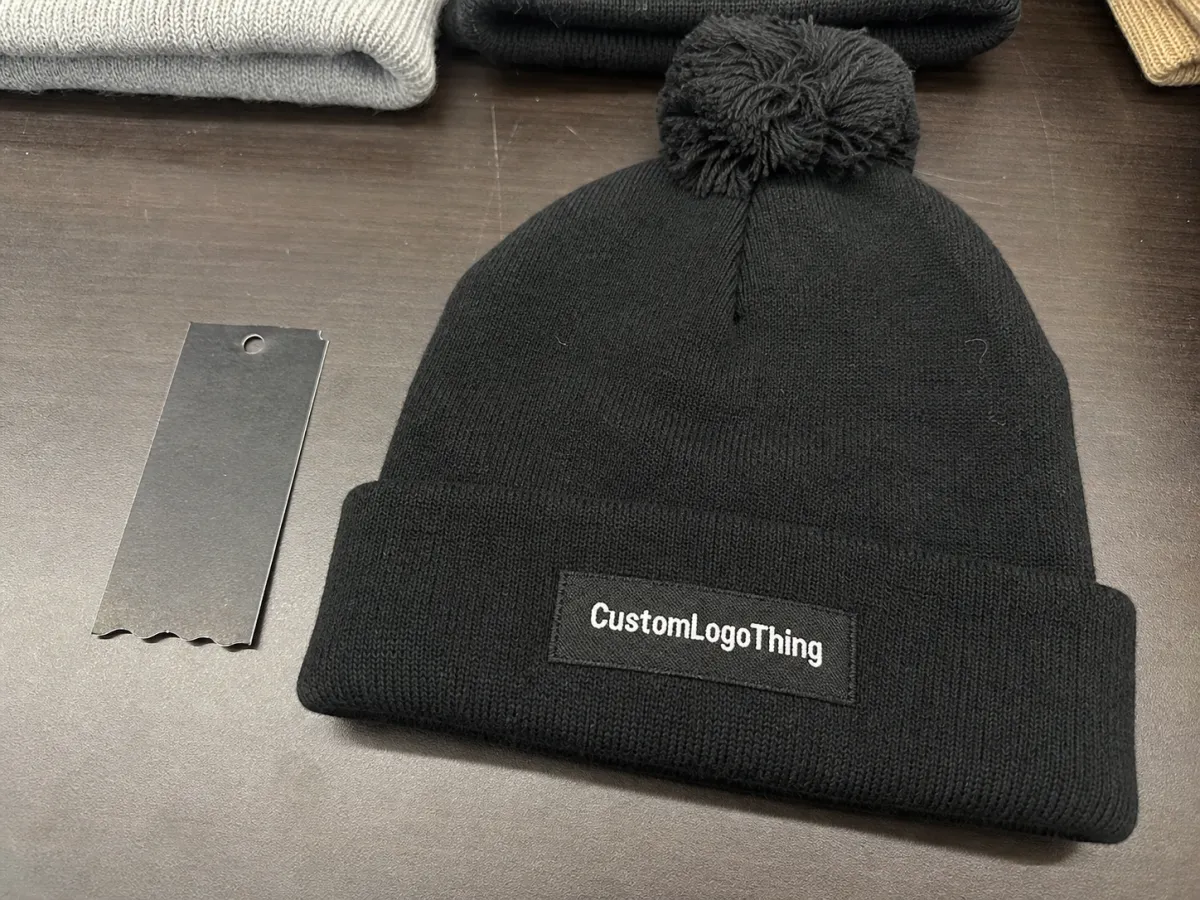
A tea carton may sit on a kitchen shelf for three weeks. A good beanie can move through 80 commutes, 25 cafe visits, 10 market photos, and a winter’s worth of casual conversations. That is the real reason a tea logo patch Beanies Unit Cost Review should not begin with “is it cute?” The better question is sharper: does the cost per piece create enough repeat visibility, memory, and brand warmth to justify the spend?
Promotional products get dismissed too quickly by buyers who compare them only with printed cartons or paper inserts. Different job. Different economics. A carton mainly sells the tea inside it. A beanie sells the feeling around the brand. Calm. Ritual. Warmth. A bit of craft.
For tea gifting, the unit cost can tolerate a higher finish because the beanie may sit beside a sampler tin, a mug, or a subscription card. For winter market bundles, buyers need a lower entry price because shoppers compare the total bundle against impulse gift budgets. Cafe staff uniforms are different again; durability and wash performance matter more than gift packaging. Distributor meetings often justify a retail-ready beanie if the item helps a buyer remember the brand after tasting 14 teas in a single afternoon.
Patch beanies suit tea brands because the branding area is small and disciplined. A leaf mark, origin badge, serif wordmark, or apothecary-style label can read clearly without turning the product into a billboard. Texture helps too. Woven thread, embroidered edges, or a leatherette patch can imply craft in a way a flat ink logo rarely does.
Buyer reality: the final landed cost depends on the blank beanie, patch material, stitch density, order volume, packaging, freight, duties if relevant, and approval speed. A single advertised number rarely tells the full story.
For a tea company preparing for a holiday market, distributor pitch, loyalty gift, or staff rollout, vague promo language is not enough. The buying team needs predictable landed cost. They need to know what changes the quote, where the risk sits, and whether bulk pricing improves enough to justify a larger order.
Patch Beanie Product Details Tea Buyers Should Verify
A branded patch beanie is simple on paper: knit beanie plus logo patch. In production, the details multiply fast. Buyers can choose cuffed, slouch, fisherman, rib knit, waffle knit, recycled yarn, acrylic, cotton blend, or wool blend styles. Each style changes the look, warmth level, stretch recovery, and perceived retail value.
Acrylic is common because it is cost-effective, color-consistent, and suitable for many winter promo programs. Cotton blends can feel softer but may not hold warmth the same way. Wool blends can raise perceived value, though some wearers find them itchy unless the yarn is carefully selected. Recycled yarn can be attractive for sustainability-led tea brands, especially if the packaging also supports that story.
Patch type changes the message before anyone reads the logo. Woven patches handle fine detail and small lettering better than many buyers expect. Embroidered patches add raised texture and a more traditional outdoor feel. Leatherette patches look retail-ready and pair well with kraft, copper, cream, and dark green palettes. Rubber patches feel modern, weather resistant, and slightly more technical.
Logo fit deserves a hard look. Tea brands often use delicate leaf icons, thin steam lines, script type, origin names, and small batch marks. Those elements may work on a box front at 5 inches wide but fail on a curved cuff at 2 inches wide. A 2-inch round patch may suit a minimalist leaf mark. A 3-inch rectangle can carry a more detailed cafe badge or apothecary label.
Placement also affects value. Centered cuff patches are the safest choice for most retail and gift programs. Side patches feel quieter. Double-sided branding can work for staff wear or event merch, but it adds decoration cost and more inspection points. Tonal-on-tonal designs look refined, though contrast must still be strong enough to read from six feet away.
Comfort is not a soft issue. It predicts reorders. Check itch resistance, cuff height, stretch recovery, crown depth, and how the beanie sits on different head sizes. A beautiful beanie that rides up, squeezes, or loses shape after two wears will not deliver the long-tail impressions the buyer paid for.
Custom Logo Things can also pair beanies with branded belly bands, kraft sleeves, recyclable mailers, insert cards, hangtags, stickers, or tea sampler bundles. That packaging decision should be made early, because it changes labor, carton dimensions, freight weight, and the final unit cost.
Specifications That Move the Quote Up or Down
A clean quote starts with clean specifications. Before asking for pricing, gather the beanie style, yarn material, beanie color, patch size, patch material, patch attachment method, quantity, packaging request, delivery address, deadline, and use case. If the beanies are for resale, add retail labeling and barcode requirements to the list.
Patch dimensions are one of the fastest ways to change cost per piece. A 2-inch badge uses less material and may fit a minimal tea leaf mark. A 2.5-inch woven square gives more room for a wordmark plus origin line. A 3-inch leatherette rectangle can carry a vintage tea house look, but the larger surface may require stronger placement control so it does not tilt on the cuff.
Color strategy is often misunderstood. Fewer thread colors can reduce patch complexity, but contrast matters more than color count. Cream thread on pale sage may look elegant in a rendering and nearly invisible in daylight. Charcoal on heather black can disappear in social photos. The best patch is not always the most colorful one; it is the one people can recognize at a normal viewing distance.
Decoration durability also matters. Sewn patches generally outlast adhesive-only applications, especially through repeated winter wear, packing, unpacking, and casual washing. Merrowed or heat-cut edges help control fraying, depending on patch type. For resale, buyers should ask how the edge is finished and whether the patch has been tested on the specific knit structure.
Retail readiness can add small but real costs. Fiber content labels, country of origin labeling, care instructions, barcode stickers, hangtags, carton labels, and polybag alternatives may be required by the sales channel. Brands that prefer plastic reduction should ask about paper bands, recyclable mailers, or bulk-packed presentation options. The U.S. Environmental Protection Agency has useful background on packaging waste reduction at epa.gov/smm, which can help teams frame sustainability choices without pretending every option has the same footprint.
Here is my investigative buyer tip: request photos of prior patch samples under natural light. Renderings can hide thread shine, low contrast, and texture mismatch. A leatherette patch that looks warm and premium on screen may look too glossy beside a matte kraft sleeve. A woven patch may show more thread direction than expected. Better to find that out before proof approval.
Unit Cost, Pricing, and MOQ Factors to Compare
A serious tea Logo Patch Beanies unit cost review treats price as a landed calculation, not a base beanie number. The real figure includes the blank, patch, sewing, setup charges, proofing, packaging, freight, duties if applicable, rush fees, and any special handling. Miss one of those pieces and the quote comparison gets distorted.
MOQ logic is blunt. Lower quantities absorb setup, sampling, and administration costs more heavily. Larger runs spread fixed costs across more units and often improve the per-beanie price. That does not mean bigger is always smarter. If a tea brand is testing a new merch line, a smaller run can protect cash. If the beanie is already tied to a subscription launch or 40-store wholesale program, larger-volume bulk pricing may be the cleaner move.
Patch materials shift the quote in different ways. Woven patches can be efficient for fine detail. Embroidered patches may rise with stitch density. Leatherette can add a polished retail feel but may involve tooling fees or minimum constraints depending on the artwork. Rubber patches look crisp and durable, though mold or setup requirements can change the economics. Custom-dyed yarn, specialty knit patterns, and individual retail packaging can also push the cost per piece upward.
| Option | Best Use | Cost Pressure | Buyer Watchpoint |
|---|---|---|---|
| Woven patch on stock acrylic cuff beanie | Market bundles, loyalty gifts, staff wear | Often efficient at moderate quantities | Check small text and thread contrast |
| Leatherette patch with belly band | Retail merch, premium tea gift sets | Higher perceived value, added packaging labor | Confirm engraving contrast and patch flexibility |
| Embroidered patch on rib knit beanie | Outdoor events, cafe uniforms, winter promos | Stitch density can raise decoration cost | Avoid tiny serif text and thin steam lines |
| Rubber patch with recyclable mailer | Subscription add-ons, modern tea brands | May involve setup or mold costs | Confirm flexibility on curved cuff placement |
Quote review should be apples to apples. Match patch size, attachment method, packaging, delivery terms, and timeline before comparing numbers. A low line item that excludes freight, proof revisions, or retail packaging can become more expensive than a transparent all-in quote. I have seen buyers focus on a 35-cent difference in decoration, then miss a packaging decision that added more than that in labor and freight.
For tea retailers, margin thinking depends on the role of the beanie. If sold as merch, calculate wholesale, retail price, marketplace fees, and packaging cost. If gifted, estimate cost per retained customer, cost per qualified event lead, or cost per distributor touchpoint. A tea Logo Patch Beanies unit cost review is strongest when it connects the product cost to a business result, not just a spreadsheet cell.
Process and Timeline From Artwork to Delivered Beanies
The production path is predictable when the front-end work is disciplined: inquiry, specification review, artwork check, quote, digital proof, sample or pre-production approval if needed, bulk production, quality control, packing, and shipment. Skip the early detail and the later stages get noisy.
Artwork review usually starts with file quality. Vector files are preferred because they keep edges clean and allow better sizing for patch production. AI, EPS, and editable PDF files are ideal. PNG and flat PDF files can still be reviewed, but the team may need to flag tiny lettering, thin lines, gradients, distressed effects, or color blends that will not translate cleanly into thread, embossing, or molded rubber.
Proofing is not a ceremonial step. Buyers should approve thread colors, patch dimensions, edge style, beanie color, patch placement, packaging, and shipping method. For a tea brand with a strict palette, provide brand color references, but expect some variation across yarn, thread, leatherette, and printed paper. Materials do not reflect light the same way.
Lead time depends on order volume, patch complexity, sampling requirements, production queue, packaging, and destination. A stock beanie with a standard patch and simple packing will usually move faster than a custom yarn color, specialty patch, belly band, insert card, and multi-address shipment. Sampling adds time, but for resale or high-visibility launches, it can prevent a costly surprise.
Common delays are painfully ordinary: late artwork changes, unclear logo hierarchy, unapproved proofs, custom colors, added hangtags after pricing, and delivery addresses that arrive after production has started. Multi-address shipping can also complicate carton labeling and freight planning. None of these issues is dramatic. All of them can move an in-hand date.
Work backward from the event date, wholesale ship date, or subscription box packing date. Build in buffer for proof review, sample transit if needed, production, quality control, and freight. If the beanies must arrive before a winter market or buyer meeting, state the in-hand date at the quote stage. Custom Logo Things can then evaluate the production path around the deadline rather than discovering the constraint too late.
For buyers who need formal transit or packaging performance requirements, standards from organizations such as the International Safe Transit Association can be useful; see ista.org. Not every beanie shipment needs advanced testing, but carton integrity, packing density, and label accuracy still matter when goods are moving into retail, events, or fulfillment centers.
Risk Checks Before Approving a Tea Merch Order
A purchase order is not the time to hope the details sort themselves out. Use this section as a buyer protection checklist before approving a tea Logo Patch Beanies unit cost review, especially if the beanies will be sold, bundled, or photographed as part of a launch.
- Logo legibility: delicate tea leaves, thin steam lines, tiny origin names, and script fonts may disappear when converted to thread, embossing, or small molded detail.
- Color consistency: cream, sage, charcoal, copper, terracotta, and kraft-inspired palettes can shift across yarn, patch material, thread, and printed packaging.
- Comfort: itch, tight cuffs, shallow crowns, and poor stretch recovery reduce actual wear time, which reduces brand impressions.
- Inventory exposure: too many seasonal colors can trap cash, while too few units can miss market, conference, or holiday demand.
- Quality control: patch alignment, stitch consistency, loose threads, cuff symmetry, packaging accuracy, carton labeling, and count verification all need attention.
The logo issue deserves extra scrutiny for tea brands. Packaging artwork often uses fine type to communicate origin, tasting notes, elevation, estate names, or blend numbers. That detail may be valuable on a carton. On a 2-inch patch, it can turn into noise. Simplification is not a downgrade. Often, it is the only way to make the mark work.
Color mismatch is another quiet risk. A sage green beanie, cream thread, tan leatherette patch, and kraft belly band may sound aligned, but four materials can produce four different undertones. Ask for a physical sample or at least a photo proof under neutral lighting for higher-stakes orders. If brand color precision is mission critical, say so early.
Inventory planning should be just as practical. A tea brand selling at winter markets may want multiple colors, but every added color splits quantity and can weaken price breaks. A 300-piece order across six colors is not the same as 300 pieces in one color from a production standpoint. Fewer colors can protect unit economics and make reordering easier.
For beanies entering retail channels, sample review is not optional in my view. It is risk control. The same applies if the beanie will appear in a paid campaign, wholesale presentation, subscription box, or premium loyalty gift. Photo proof approval can work for lower-risk runs, but resale programs deserve a tighter review process.
Next Steps to Get an Accurate Beanie Quote
A useful quote starts with a complete buying brief. Send Custom Logo Things your logo file, desired beanie style, patch preference, target quantity, in-hand date, delivery location, packaging needs, and intended use: resale, gifting, staff wear, event giveaway, distributor meeting, or subscription bonus. That one message can remove two or three rounds of clarification.
Ask for a good-better-best quote if you are still deciding. The budget-friendly version might use a stock acrylic cuff beanie, woven patch, and bulk packing. The retail-ready version might add a leatherette patch, hangtag, and belly band. The premium gift version might include coordinated insert cards, kraft sleeves, and tea sampler bundle packaging. One structured request gives the buyer real comparisons without creating three disconnected sourcing projects.
Share constraints early. If the budget ceiling is firm, say so. If a retailer requires barcode stickers, fiber labels, or country of origin marking, include that requirement before pricing. If sustainability preferences matter, mention FSC-aligned paper packaging, recyclable mailers, or reduced-plastic packing. If individual mailing is needed, provide the expected address count and packing format because it changes labor and freight.
A tea logo patch beanies unit cost review becomes useful only when the quote reflects the actual specs, timeline, and landed-cost reality. Custom Logo Things can review artwork, recommend patch construction, align packaging, and build a quote around practical numbers rather than hype. That is how a warm winter merch idea becomes a controlled buying decision.
FAQ
What affects tea logo patch beanies unit cost the most?
The biggest factors are order quantity, beanie material, patch type, patch size, attachment method, packaging, freight, and timeline. Setup charges and proofing costs weigh more heavily on small orders, while larger quantities usually reduce the per-unit burden. A landed quote is more useful than a base unit price because it includes the costs needed to actually receive, package, and use the beanies.
What MOQ should a tea brand expect for custom patch beanies?
MOQ depends on the beanie style, patch construction, customization level, and whether custom packaging is included. Stock beanie colors with standard patch options usually support more flexible minimums than custom yarn colors or specialty materials. Buyers should request tiered pricing so they can compare the cost difference between smaller tests and larger retail or event runs.
Which patch type is best for a tea logo beanie?
Woven patches work well for fine detail and small lettering, embroidered patches add texture, leatherette patches create a warm retail look, and rubber patches feel modern and durable. The best choice depends on the logo style, brand position, budget, and use case. For delicate tea logos, simplifying the artwork often improves legibility more than choosing a more expensive patch.
How long does production take for tea logo patch beanies?
Turnaround depends on artwork readiness, proof approval speed, order quantity, patch complexity, packaging requirements, production queue, and shipping destination. Sampling or pre-production approval adds time but reduces risk for retail launches or high-visibility campaigns. Buyers with event deadlines should provide the in-hand date at the quote stage so production and freight options can be evaluated early.
Can Custom Logo Things package tea beanies with tea samples or gift inserts?
Yes, branded packaging options can include belly bands, sleeves, insert cards, stickers, mailers, cartons, or bundle-ready presentation materials. Packaging should be quoted with the beanies because it affects labor, dimensions, freight, and final unit cost. For tea brands, coordinated packaging can turn a simple beanie into a gift set, subscription bonus, market bundle, or premium loyalty item.


