The hotel bucket Hats Sample Checklist exists for one reason: to catch the quiet mistakes before they become expensive ones. Most bad uniform orders do not collapse because the idea was wrong. They fail because the sample looked acceptable on a screen and awkward in the real world, where lighting, head shape, fabric weight, and stitching density all start to matter.
A hotel bucket hat has a narrower job than a fashion hat and a harder one than a simple giveaway. It has to sit cleanly with the rest of the uniform, survive repeated wear, pack and ship without losing shape, and still look deliberate after a long shift. That is a lot to ask from a piece of soft goods that may only cost a few dollars in bulk.
The sample is not a courtesy item. It is the cheapest place to discover whether the crown is too shallow, the brim feels flimsy, the embroidery is too heavy, or the color is slightly off. In production, "slightly off" is rarely slight. It tends to multiply.
Why the first sample reveals the real risk
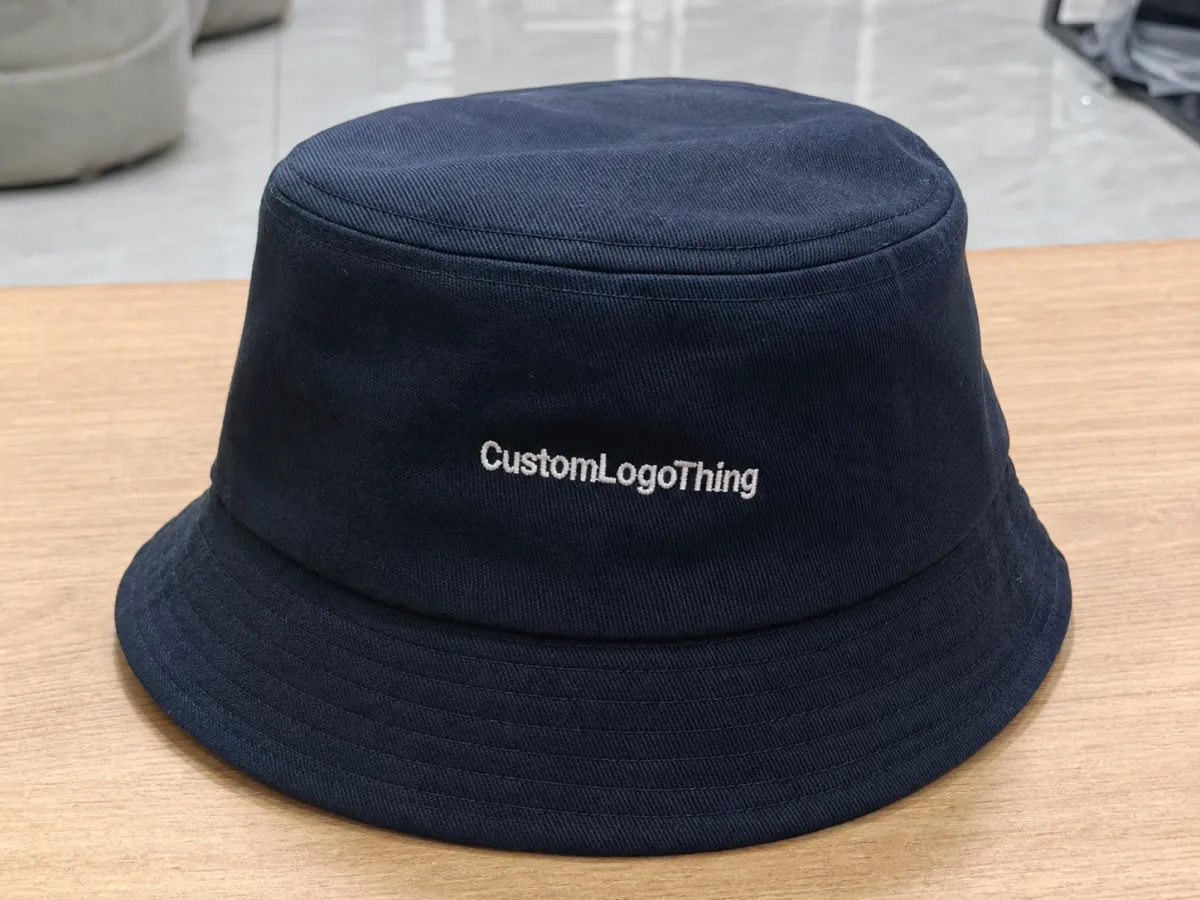
Most first-sample problems are not dramatic. They are practical. The logo may be scaled correctly in artwork but sit too high on the front panel. The brim may measure correctly but hold a shape that looks stiff on one side and soft on the other. A cotton twill sample can feel fine in the hand and still sag in a way that makes the whole cap look tired after one wear test.
Hospitality buyers also evaluate differently than retail buyers. A guest-facing uniform piece has to work with shirts, aprons, vests, name badges, and interior finishes. A hat that looks stylish alone can clash badly once it is placed next to navy suiting, cream aprons, or a patterned shirt. The sample needs to answer a basic question: does this belong in the property, or does it look like an unrelated promotion item?
The first sample also reveals the factory's real control level. If thread tails are clipped cleanly, seam lines are even, and the sweatband is installed neatly, that is a good sign. If the sample already has loose stitching, puckering around the logo, or a brim that shifts in shape from one side to the other, the bulk run is unlikely to improve on its own. Production usually repeats habits, not hopes.
That is why a sample review should be blunt. It is not enough to ask whether the hat "looks good." The useful question is whether the design is repeatable at scale, with the same materials and the same finish, for a price that still fits the project.
Sample process, lead time, and revision loop
A clean sample process starts with a precise brief. Send the artwork, target quantity, fabric preference, color reference, logo method, packaging expectations, and any size constraints up front. If the supplier has to guess at any of those pieces, the first sample usually becomes a draft rather than a true proof.
The process is usually straightforward, even if the timeline is not.
- Brief intake and artwork review
- Fabric, color, and trim confirmation
- Pattern setup or stock-sample modification
- Sample production
- Buyer review and written notes
- Revision sample or final confirmation
- Approval before bulk production
Lead time depends on how much has to be created from scratch. A modified stock sample often takes 5-8 business days if the base hat already exists and the change is limited to embroidery, patch application, or a small trim adjustment. A fully custom sample usually needs 10-18 business days, especially if the factory has to source a specific fabric, build a new pattern, or test logo placement on a different crown shape. A pre-production sample may take 7-14 business days after final artwork approval, but that only works when the materials are already in hand.
Revision timing matters as much as the first sample. A small correction, such as shifting a logo by a few millimeters or changing thread color, may only take a few days. A structural correction, like changing crown depth or reshaping the brim, can trigger another sample round. That is normal. What is not normal is approving a sample that is visibly wrong just to keep the schedule moving.
Keep the revision history in one place. Not across email, chat, and a spreadsheet nobody opens. Write the change, the reason, the exact measurement, and who approved it. If a factory receives three versions of the same instruction, it will usually follow the latest one, not the one the buyer meant to send.
For shipments that need to protect shape, ask early how the hats will be packed. Master cartons, inner polybags, paper inserts, and carton counts all affect whether the brim arrives flat or crushed. If handling validation matters, the test methods at ISTA are a solid reference point. They are not glamorous, but they are better than assuming the box will survive luck.
Hotel bucket hats sample checklist for fit and finish
Review the sample like a wearer first and a merch buyer second. A bucket hat can look balanced lying flat on a table and still wear badly once it meets a real head. That gap between flat and functional is where most expensive mistakes hide.
- Brim width: Check the edge-to-edge spread and decide whether it matches the uniform's tone. Too narrow can feel low value; too wide can overwhelm the face.
- Crown depth: Confirm that the hat sits at the right height. A crown that rides too high changes the silhouette immediately.
- Head circumference: Measure the actual opening, not just the spec sheet promise. If the style is adjustable, test the adjustment range with real heads.
- Stitch density: Look for even stitch tension across panels, brim, and logo. Dense stitching on lighter fabric can stiffen the area and distort the shape.
- Seam neatness: Check thread ends, seam alignment, and inside finish. The inside may not be guest-facing, but staff feel it every shift.
- Sweatband comfort: Test width, softness, and irritation points. A scratchy sweatband is the kind of defect that generates complaints fast.
- Eyelet placement: Make sure vents are evenly spaced and not awkwardly close to the logo or main seam.
- Logo scale: Measure it on the actual hat. A mark that feels balanced in a render can look oversized once it curves around fabric.
- Embroidery or patch density: Dense decoration can make the front panel stiff or pull the fabric. Crisp detail is better than overbuilt thread.
- Color match: Review under normal indoor light, not just a bright sample lamp that makes everything look cleaner than it is.
Do not approve a bucket hat from a flat lay alone. It is a three-dimensional object, and the problems usually show up in motion: the brim folds oddly, the crown collapses, or the logo lands in the wrong visual zone.
Then do a basic wear test. Put the hat on a few different head sizes. Fold it lightly. Pack it into a bag. Shake it. Leave it on for a few minutes. If the brim springs back with an ugly crease or the crown loses structure too quickly, that is more useful than a polished photo on a white background.
Compare the sample to the uniform palette while the approved artwork is still open. If the hats will sit beside a navy shirt, taupe apron, or cream blouse, the wrong shade becomes obvious fast. That is especially true with greens, stone colors, and washed neutrals, where a small dye mismatch reads as cheapness before anyone can explain why.
Paper inserts, hang tags, and carton labels should not be treated as extras. If the order uses printed paper, FSC-certified stock is worth asking for. The details at fsc.org help if the property or brand has sourcing standards. It is not a headline feature, but it does affect how the order is approved internally.
If the sample is embroidered, check the reverse side as well. A clean front can hide poor backing, loose threads, or excessive puckering. In a hotel setting, those flaws show up later as wear, not as a one-time defect, which is harder to correct and easier to ignore until it spreads across the team.
Cost, MOQ, and quote variables that change pricing
Sample pricing is rarely one number. It is usually a set of moving pieces: sample fee, setup charge, decoration cost, freight, and sometimes a revision fee if the first version needs another round. Buyers get caught when they compare only the headline sample cost and ignore the rest.
For hotel bucket hats, common sample ranges look like this:
- Modified stock sample: about $35-$90, usually the fastest and least expensive route if the base hat already exists.
- Fully custom sample: about $80-$180, especially if the fabric, trim, or logo treatment needs to be built or matched closely.
- Pre-production sample: often credited later or charged at a similar sample rate, depending on what is being validated.
MOQ changes the unit math in a way that is easy to underestimate. A run of 100-300 pieces can carry a higher per-unit cost because the setup is spread across fewer hats. Once the order moves into 500-1,000 pieces, the unit price usually drops enough to make the design more practical, assuming the materials are standard and the logo treatment is not unusually complex.
For a basic cotton twill bucket hat with simple embroidery, bulk pricing often lands around $1.80-$3.60 per unit at larger quantities. Add a woven patch, premium twill, contrast stitching, or a more structured brim, and the range can move into $3.50-$6.50 or higher. That is not padding. It is the cost of extra labor, tighter finishing, and more material control.
Several variables push the quote up faster than buyers expect. Dyeing a custom color costs more than selecting stock fabric. Changing the brim shape means pattern work. Tight embroidery density can slow production and increase thread usage. Packaging can matter too; a simple polybag is not the same as a printed insert, and a protected carton spec is not the same as loose packing.
A cleaner quote breaks out each line. Ask for sample fee, decoration, freight, revision charge, and any refundable deposit separately. A quote that hides those details is hard to compare and even harder to trust. Cheap is not cheap if the supplier adds costs later under a different name.
If the supplier cannot explain what is one-time, what is refundable, and what rolls into bulk pricing, ask again before approving anything. The cost conversation should be specific enough that procurement, operations, and brand teams all read the same number the same way.
Step-by-step approval workflow before bulk production
Start with a spec sheet that leaves very little room for interpretation. Include fabric type, color code, logo file format, decoration method, hat size, packaging method, carton count, and required delivery date. If any of those fields are vague, someone will make an assumption, and assumptions are how production errors get dressed up as normal variation.
Then review the sample line by line against the spec.
- Check the base hat against the approved fabric and color reference.
- Confirm logo size and placement with a ruler, not a visual guess.
- Inspect stitching, inside finish, and sweatband comfort.
- Test brim shape after folding, handling, and a few minutes of wear.
- Review packaging, carton markings, and any insert or tag details.
- Record corrections directly on photos or in a shared document.
That last step saves time later. Annotations are better than vague comments. "Logo smaller" is not useful. "Reduce logo width by 8 mm and lower it by 5 mm on the front panel" gives production something measurable. The more exact the note, the less likely it is to come back wrong.
If the change is cosmetic and minor, written confirmation may be enough. If the change is structural or visible from a normal viewing distance, ask for a revised sample. A sample with a real defect should not be approved with a polite note and a smiley face. The bulk order will simply repeat the defect at scale.
Protect the packing spec as carefully as the hat spec. If hats are stacked inside cartons, the supplier needs to explain how the brim is protected and whether the crown is supported. If the cartons are part of a mixed-property shipment, ask about outer labels and carton counts before the order leaves the factory. For handling references, ISTA remains a sensible benchmark for transit expectations.
Keep the approved sample photos with the purchase order number and final spec sheet. Six weeks later, nobody wants to reconstruct what "approved" meant from memory. The file should settle that argument before it starts.
One small operational habit helps a lot: ask the supplier to retain the approved sample as a reference for bulk production. That reduces quiet substitutions, such as a different sweatband, a lighter thread shade, or a changed brim insert. Those changes sound small until the first carton lands and everyone notices the difference at once.
Common mistakes that derail the final order
The mistakes are usually mundane, which is why they repeat. Nobody intends to approve the wrong sample. The trouble is that the wrong sample often looks close enough to pass a rushed review.
- Approving under flattering light: Bright sample-room lighting can hide tone issues and stitch irregularities. Check the hat in normal indoor light and beside the actual uniform colors.
- Skipping multi-wearer fit testing: One comfortable sample on one head size says very little. Test on several people if the staff will wear it for long shifts.
- Ignoring the inside finish: Sweatbands, binding, labels, and seam ends matter because they affect comfort and durability, not just appearance.
- Letting verbal approval stand alone: If the change is not written down, it is easy to lose or reinterpret later.
- Forgetting packaging impact: A hat that leaves the factory in good shape can still arrive crushed if the carton spec is weak.
Another common trap is treating the sample like a suggestion rather than the benchmark. If the sample is approved, the bulk order should closely match it. Normal variation exists in soft goods, but the silhouette, logo position, and overall finish should not drift. If they do, the order has a control problem, not a style problem.
A smaller but costly mistake is approving a color because it looks fine in isolation. It may be wrong next to the rest of the uniform. That matters more in hospitality than in retail because the hat is not sold alone. It lives in a system, and the system has its own visual rules.
Do not accept "close enough" if close enough means a noticeable mismatch across a team. Uniform accessories either reinforce the brand or weaken it. There is very little middle ground once the staff is on the floor and the guests are looking.
Next steps after approval: lock specs and order
Once the sample is approved, put everything into a final packet and keep it boring. Include signed sample photos, exact measurements, approved artwork files, packing instructions, carton counts, and delivery details. That packet becomes the single source of truth once production starts.
Before placing the order, confirm three things: quantity, delivery window, and shipping method. If the hats are needed for a soft opening, seasonal launch, or conference, build in margin. Freight delays happen. Rush fees happen too, and neither one improves the mood in procurement.
Ask the supplier to reference the approved sample on the production order. That small step cuts down on substitutions that can be hard to spot in a factory photo but obvious in person, such as a different sweatband width or a slightly altered thread shade. Small changes accumulate fast when they are repeated across a full run.
When the first bulk cartons arrive, use the hotel bucket Hats Sample Checklist again. Check carton count, open a random carton, inspect several hats, and compare them to the approved sample before accepting the shipment. That is not overcautious. It is the basic discipline that keeps a uniform program from drifting.
The better the sample process, the less effort the reorder takes later. A clean approval creates a usable reference, a predictable timeline, and a clearer cost structure. It also makes the next order easier to evaluate because you are comparing against a real physical standard, not a memory or a render that looked better than it should have.
In practice, the strongest hotel bucket hat programs are not the ones with the most options. They are the ones that know exactly which sample was approved, why it was approved, and what it costs to reproduce it without surprises.
What should a hotel bucket hats sample checklist cover first?
Start with fit, brim shape, crown depth, and logo placement. Those are the fastest ways for a sample to look acceptable in theory and wrong in real use. After that, check fabric feel, stitch quality, sweatband comfort, and color match under normal indoor lighting.
How long does a custom bucket hat sample usually take?
A modified stock sample can come back faster than a fully custom build, but custom materials, patches, or embroidery usually add time. Ask for the lead time in writing and keep sample timing separate from bulk production timing so the schedule stays clear.
What makes the sample price go up the most?
Custom decoration, premium materials, extra revision rounds, and small order quantities are the usual cost drivers. Freight and rush timing can also raise the total even when the hat itself has not changed much.
Can I approve a sample if the color is a little off?
Only if the difference is small enough to match the brand in real lighting and across the full uniform set. If the hat will sit next to shirts, aprons, or guest-facing branding, ask for a corrected color before bulk production.
What should be locked before placing the bulk order?
Lock the final sample, artwork file, size spec, packing method, quantity split, and delivery timeline before production starts. If any of those change later, the factory may treat it as a new order instead of a revision. Keep the approved reference with the PO, and the next reorder starts from facts, not guesswork. That is the point of the hotel bucket Hats Sample Checklist.


