For hotel uniform programs, the hotel embroidered logo Hats Sample Checklist is not paperwork for the sake of paperwork. It is the point where brand intent runs into fabric, stitch density, crown shape, and actual human heads. A logo that looks clean on a screen can turn heavy, crowded, or slightly off-center once it is sewn onto a cap that has to survive a long front-desk shift, a valet rotation, or a housekeeping route.
That is why the sample stage matters so much. It answers questions that artwork alone cannot: whether the logo still reads from across a lobby, whether the cap fits a range of staff comfortably, and whether the same result can be repeated without a series of quiet compromises. For hotels ordering opening kits, seasonal updates, or department-specific uniforms, a tight sample checklist keeps the process grounded in something measurable.
Why a stitched sample catches problems early
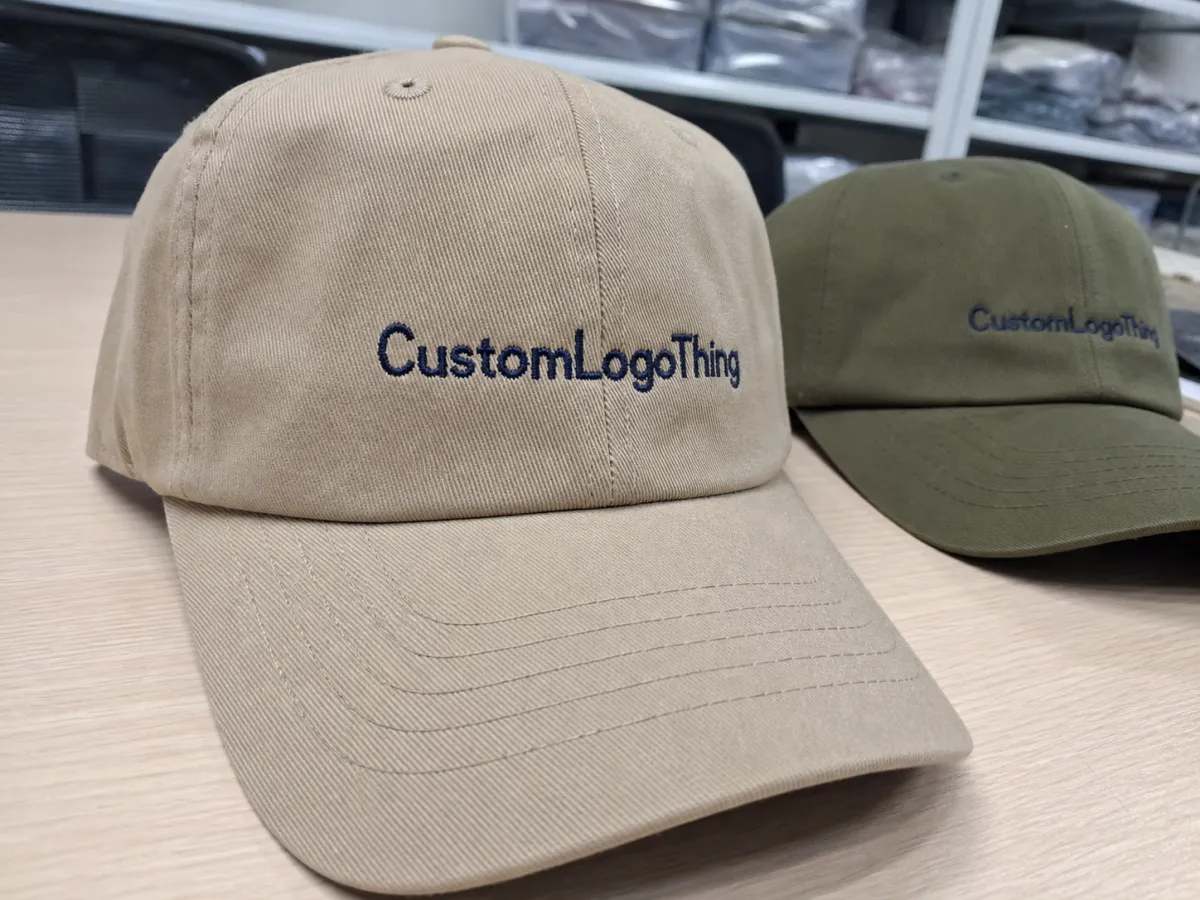
A digital proof is useful, but it is only a prediction. The stitch file, the fabric, and the cap construction all affect the final result in ways that a flat mockup cannot show. A hotel crest that looks balanced at 2 inches wide may need a different stitch density on a structured cap, while the same artwork can lose clarity on a softer unstructured style. The sample reveals those tradeoffs before they become expensive to correct.
The fastest way to judge a sample is to compare it against the original artwork and ask three direct questions: can the logo be read at a few feet, do the stitches fill the shape cleanly, and does the cap still feel like a uniform piece rather than a promotional giveaway? If any answer is weak, the problem usually sits in digitizing, scaling, or placement, not in the brand concept itself.
Samples also separate taste from production reality. A dense satin stitch can look rich in a mockup and still reflect too much light under lobby fixtures. A thinner thread path can look elegant on paper and disappear once it is sewn into a narrow line of text. Those differences are easier to accept when they are visible early.
For hospitality buyers, that early visibility is the practical value. Fewer remakes. Fewer awkward approvals after production begins. Better consistency across departments that may all wear the same logo but need different cap styles.
How the hat sample approval process works
The approval process usually follows four steps: artwork review, digitizing, stitch simulation, and a physical sample. Each one checks a different part of the job. Artwork review confirms size, color intent, and placement. Digitizing translates the logo into stitch directions. The physical sample shows how that plan behaves on a real cap with real thread tension.
The first decision point should be placement. Ask for the logo width, height, and exact position in inches or millimeters. “Centered” is too vague for a cap front, where a quarter-inch shift can make a crest look sharp or slightly careless. If the hotel wants the embroidery higher or lower than standard, that should be written down before the sample is made.
Digitizing deserves close attention. Small letters often need support stitches, tight corners may need simplification, and thin strokes may need to be opened up so they do not close in. A stitch simulation can flag some of these issues, but it cannot show puckering, crown distortion, or how the hat sits when it is worn. That is why a physical sample still matters even when the digital proof looks polished.
A real fit check is worth the time. A cap that looks acceptable on a table can ride high on one wearer, sit shallow on another, or tilt enough to make the logo appear off-balance. In hotels, that matters because front-of-house, concierge, housekeeping, and outdoor staff may all need the same branded look even though their work conditions differ.
| Review stage | What it tells you | Best use | Risk if skipped |
|---|---|---|---|
| Digital proof | Size, placement, color intent | Quick internal artwork check | Misses stitch texture and fabric behavior |
| Stitch simulation | Density, line behavior, tiny detail risk | Prevents detail loss in small logos | Still does not show fit or crown shape |
| Physical sample | True look, feel, and wearability | Final approval before bulk order | Late corrections and rework |
| Pre-production sample | Closest match to production conditions | Large or multi-department programs | Color, material, or placement surprises |
Sampling is also a good time to ask how the item will be packed and shipped. If the order is part of an opening package or a presentation box, shipping damage and crushed crowns become real concerns. Transportation testing guidance from groups such as ISTA is relevant when the cap needs to arrive in a presentable state, and paper inserts or hangtags can be aligned with FSC preferences when sustainability requirements are part of the brief.
Hotel embroidered logo hats sample checklist
The checklist should be short enough to use and specific enough to prevent guesswork. It does not need corporate language. It needs facts the production team can repeat later. A good sample review usually covers the artwork file, placement, thread colors, cap style, closure, fit, and the way the finished piece looks under different lighting conditions.
- Artwork file: confirm the approved logo version, and make sure it matches the current brand guide.
- Exact placement: record front-panel width, logo height, and center point in inches or millimeters.
- Thread colors: match thread codes or approved references, not just general color names.
- Cap construction: note whether the style is structured, unstructured, mid-crown, low-profile, or mesh back.
- Closure type: document buckle, strap, snapback, or hook-and-loop, since it affects wear and adjustment.
- Stitch quality: inspect density, underlay, edge clarity, and whether the fabric puckers around the logo.
- Readability: check the logo from a few feet away, not just up close.
- Wear test: try the cap on at least one person with a real head shape, not only on a form.
- Lighting check: view the sample in daylight and indoor light, because thread sheen changes the look.
- Uniform pairing: compare it with shirts, aprons, and name badges so the full set feels consistent.
- Photo record: save pictures of the approved sample for reorders and internal approvals.
- Exception log: write down any approved changes so the bulk order matches the same decision.
That list sounds simple, but it saves time. In hospitality, the most common source of confusion is not the embroidery itself; it is the gap between what one manager said, what another assumed, and what the supplier was actually told to produce.
Material, fit, and logo factors that change the final look
The cap body sets the tone before the thread ever moves. Structured cotton twill usually gives embroidery a firmer base and helps keep edges crisp. Unstructured cotton feels softer and more relaxed, but the front panel can move more during stitching. Performance polyester and mesh-back styles are useful for hot environments or outdoor staff, though they often need more careful backing to avoid distortion.
Fit is not a minor detail. Crown depth, brim curve, closure style, and profile all change how a hotel logo appears once the hat is worn. A cap that sits too high can make the logo look smaller. One that sits too low may crowd the front panel. Comfort matters too, because staff will wear the hat only if it stays put and does not feel restrictive after several hours.
Embroidery choices affect the look in subtle but important ways. A shiny thread can make a crest feel brighter under warm lobby lighting, while matte thread reads quieter and often feels more refined. Stitch count gives shape, but too many stitches on a tiny mark can stiffen the fabric or make small details close up. Underlay matters because it stabilizes the top stitches and helps prevent the logo from sinking into the cap.
For small hotel wordmarks, minimum line thickness should be discussed early. Fine serif details, tiny taglines, and narrow borders can vanish once they are converted into stitches. Buyers often avoid trouble by checking the logo at actual cap size instead of approving it from a letterhead mockup where everything appears larger and cleaner than it will in thread.
Color matching needs more than a quick glance. Thread can shift under daylight, under warm interior fixtures, and in photos. A navy thread may look nearly black in one room and slightly brighter in another. If the hats will be worn with shirts, aprons, or jackets, review the sample beside those items so the whole uniform still reads as one system.
Sample comparison points that matter most
- Structured vs. unstructured crowns: structured caps usually hold embroidery edges more cleanly.
- Fabric choice: twill, brushed cotton, and performance blends all change stitch behavior.
- Closure style: buckle, strap, snapback, and hook-and-loop each affect comfort and adjustability.
- Thread finish: sheen, depth, and contrast change how visible the logo appears in service lighting.
Process, timeline, and turnaround for hotel hat samples
A realistic sample timeline starts with clean artwork and ends with a signed approval that is easy to reproduce. If the file is complete, digitizing can move quickly, but the full calendar depends on material availability, cap style, the number of thread colors, and whether the first sample needs corrections.
For a straightforward hotel wordmark on a standard cap, the process may move in a few business days. Detailed crests, multiple placement options, or custom crown shapes usually add time. As a practical planning range, digitizing and first-sample production can take about a week, while shipping and review push the total farther depending on distance and response time.
The delays that hurt most are usually avoidable. Unclear placement notes, late logo edits, missing brand colors, and requests to compare several cap styles after the first sample has already been made are common. None are unusual. They just stretch the schedule if they are discovered too late.
Hospitality calendars are rarely flexible. New-property openings, uniform launches, conference seasons, and holiday staffing changes all run on fixed deadlines. If hats need to be ready for a guest-facing event, build buffer time into the sample stage instead of assuming every revision will land on the first round.
Ask for milestones before production starts. A buyer should know when digitizing ends, when photos will arrive, when the sample ships, and how long the approval window stays open. That makes the hotel Embroidered Logo Hats sample checklist part of the schedule rather than a last-minute search for missing details.
Cost, pricing, MOQ, and quote details to confirm early
Sample pricing usually follows a few predictable variables: digitizing complexity, stitch density, cap construction, number of thread colors, and any packaging request. A simple wordmark on a standard twill cap should cost less to sample than a detailed crest on a performance cap with extra panel work.
For budgeting, useful planning ranges are often more practical than a single hard number. Digitizing may fall somewhere around $25 to $100 depending on detail. A stitched sample cap often lands around $20 to $50. Revision samples can add another $15 to $45 each. Shipping varies more than people expect, especially when the cap needs to arrive quickly or without crushing.
| Item | Typical range | What affects it |
|---|---|---|
| Digitizing | $25-$100 | Logo detail, size, stitch types, cleanup work |
| Stitched sample cap | $20-$50 | Cap style, thread count, backing, finishing |
| Revision sample | $15-$45 | Artwork changes, repeat setup, extra testing |
| Shipping | $8-$35 | Speed, distance, packaging, insurance |
MOQ matters because hotel buyers often need consistency, but they also need flexibility. One department may need 24 hats, another may need 60, and a property may want a backup colorway for special events. If the supplier has a minimum order requirement, confirm it before sample approval. That avoids the frustrating situation where the sample looks right but the quote only works at a larger quantity.
Ask whether the quote includes setup, thread changes, backing adjustments, or special packing. If the order includes branded inserts or presentation boxes, check whether the paper components follow FSC-aligned preferences and whether the carton needs extra protection during transit. A clean quote is not just about price; it tells the buyer what has already been accounted for and what would create a surcharge later.
Common sample mistakes that derail hotel embroidery approval
The most common mistake is approving a logo that looked balanced on a screen but turns crowded once stitched. Small text usually suffers first. If the mark includes a thin tagline, a narrow border, or a detailed crest, the sample may need a larger front panel area or a simplified stitch map to stay readable.
Skipping a wear test causes problems too. A hat can sit perfectly on a flat surface and still feel too stiff, too shallow, or too loose once worn during a shift. In hospitality, that matters because comfort affects whether staff keep the cap on all day, especially when moving between indoor and outdoor tasks.
Color approval can go off course when buyers judge the thread in isolation. A thread color may look correct on a white table and still feel too warm beside a navy shirt or too bright under gold lighting. Review the sample with the actual uniform pieces, not separately.
Documentation failures cause a different kind of trouble. A small verbal change can disappear between the sample, the quote, and the production notes. One person remembers “make it slightly larger,” another remembers “use darker thread,” and the approved version becomes hard to reproduce later. The fix is plain: record the exact cap style, thread colors, placement, and any approved exception before the order moves ahead.
There is also the problem of too many reviewers. The more people involved, the more likely the sample is to accumulate opinions that are hard to reconcile. A clean approval trail works better than a crowded one.
Expert next steps before you approve the final run
Before final approval, compare the sample against the brand guide, inspect the stitching up close, and test the hat on at least one wearer in real working conditions. If the logo still reads clearly and the cap feels comfortable after that, it is usually ready for production.
For larger hotel programs, use a one-page sign-off sheet that records cap style, thread colors, logo dimensions, placement notes, and any approved deviation. Keep it short and specific. A single page prevents the common problem of five people approving the same sample for five different reasons.
Keep a physical reference sample or detailed photo record for reorders. That saves time later, especially when a new manager, buyer, or property coordinator needs a known standard instead of a fresh interpretation of the logo.
If the order covers multiple departments, compare the sample under the same lighting and beside the same uniform pieces. Front desk hats often need a sharper, more polished look. Housekeeping and outdoor service teams may care more about comfort, sweat management, and low-maintenance wear. One embroidered style may still work across all of them, but the sample should prove it rather than assume it.
Used correctly, the hotel embroidered logo Hats Sample Checklist is the final gate before bulk release. It protects brand consistency, keeps the approval trail clean, and reduces the chance of receiving a run of hats that look almost right but not quite right. In hotel uniforms, “almost” is usually where cost and frustration begin.
The safest approval habit is also the simplest: check fit, confirm thread, measure placement, and save the approved sample in a way the next order can actually find. That is how a cap program stays consistent from one season to the next.
What should a hotel embroidered hat sample checklist include?
It should cover the approved artwork file, exact logo placement, thread colors, cap style, closure type, and fabric choice. A solid checklist also includes a wear test for fit, crown depth, and comfort, plus photos in daylight and indoor light so the buyer can judge the logo in more than one setting.
How many sample rounds do hotel buyers usually need?
Simple logos may approve in one round if the art is clean and the placement is clear. Small text, fine detail, or strict color matching can require a revision round. For multi-department programs, plan for a little extra time because different cap styles may need different approvals.
What drives embroidered hat sample pricing the most?
Digitizing complexity and stitch density usually have the biggest effect. After that, cap material, crown structure, special thread requests, rush handling, revision work, and shipping method all affect the total. Multi-color logos and multiple placements can also raise the price.
How long does hotel hat sampling usually take?
If the artwork file is clean, the early steps can move quickly, but the total timeline depends on digitizing, sample production, shipping, and any revision round. A simple project may finish in about a week or two; a more detailed one often needs longer, especially when the hat is tied to an opening date.
Can hotel logo hats be approved from photos alone?
Photos are useful for shape, placement, and general color balance, but they do not fully show stitch texture, depth, or true fit. A physical sample is the safer final approval for hospitality uniforms. Use photos for the early review, then confirm with an actual sewn sample before release.


