A hotel heavyweight winter Hats Sample Checklist is the difference between a beanie that looks premium in a mockup and one that survives front-desk duty, housekeeping movement, and a real cold snap. A nice render can hide a lot of sins. The sample will not.
What the hotel heavyweight winter hats sample checklist should prove
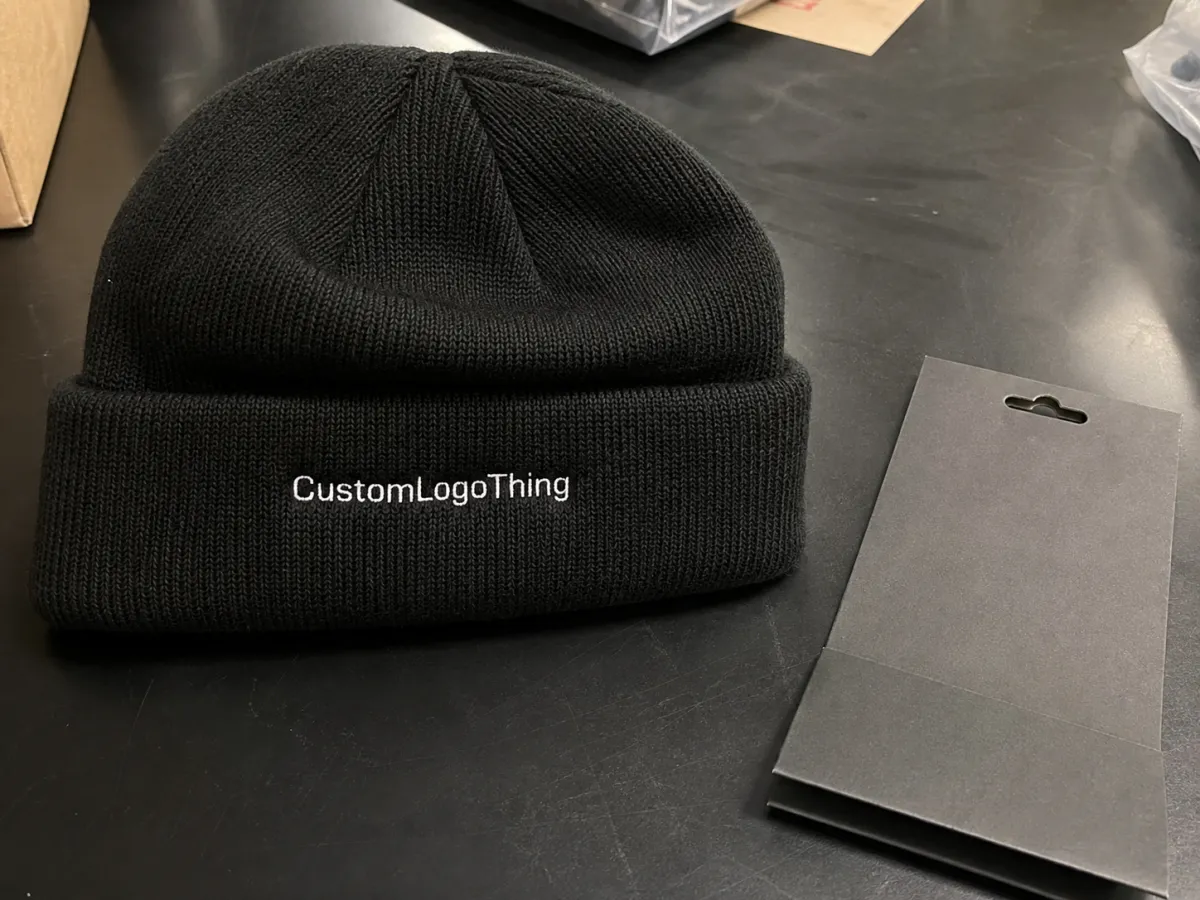
The first job of the hotel Heavyweight Winter Hats sample checklist is simple: prove the hat can do the work. Not just look good in a catalog shot. A winter beanie for a hotel has to sit cleanly under a uniform, feel comfortable through a 10-hour shift, and still read as polished when staff move between lobby heat and outdoor cold.
That means the checklist should test warmth, fit, decoration quality, fabric behavior, and brand fit at the same time. If the logo stitches beautifully but the cuff rolls up, the crown pulls tight, or the knit feels scratchy against the forehead, the sample has already failed. A lot of buyers get stuck approving color first and thinking they are done. Not even close.
From a packaging and purchasing point of view, the sample is a risk filter. It lets you compare vendor claims against something measurable instead of a sales pitch with cheerful adjectives. If one supplier says "heavyweight" and another says the same thing, the sample should tell you which one actually means it.
"If the sample fails after one shift, it was never a sample. It was an expensive assumption."
Use the first round to catch the expensive mistakes: too much stretch, weak embroidery, a color that shifts under lobby lighting, or a size that works on a mannequin but not on real staff with different hair volume. That is the real value of a hotel Heavyweight Winter Hats sample checklist. It protects the budget before bulk production starts eating it alive.
How heavyweight winter hat samples behave in real hotel use
Weight changes everything. A lightweight acrylic beanie can feel fine for a quick photo, but it often collapses under repeated wear. A heavier knit adds warmth and structure, but if the yarn density is wrong, the hat becomes stiff, traps heat, or stretches out after a few shifts. In practice, the right weight is the one that balances insulation with recovery.
Hotels usually need a hat that performs in a mixed environment. Staff may step outside to move carts, greet arrivals at valet, or cross loading zones, then come back into a heated lobby. That swing is harder on comfort than people expect. A good heavyweight sample should feel warm without turning the head into a steam room.
Common constructions to compare
- Rib knit cuffed beanie: The safest all-rounder. Good stretch, clean logo placement, and better shape retention if the knit density is right.
- Lined beanie: Warmer and more comfortable for colder properties, but usually bulkier at seams and more expensive to produce.
- Fleece-backed knit: Soft against the skin and strong on warmth, though sometimes too thick for a snug uniform look.
- Single-layer heavyweight knit: Lighter in bulk, easier to pack, and often cheaper, but it may not hold heat as well during outdoor exposure.
Comfort details matter more than buyers think. Check forehead pressure, ear coverage, itchiness, breathability, and whether the crown leaves a weird ridge after an hour. If staff need to wear hair buns, braids, or ponytails under the hat, the sample should prove that the fit still works instead of assuming one size fits all, which is a classic shortcut that fails in real life.
Lighting matters too. A charcoal beanie can look almost black in one room and a washed slate gray in another. View the sample under daylight, lobby lighting, and back-of-house bulbs before anyone signs off. If the hotel brand has a strict neutral palette, color shifts are not a small issue. They are the kind of thing people notice immediately and complain about later.
Do a quick wear test, not a polite hold-and-stare. Stretch the sample, fold it into a bag, wear it through a shift, then inspect the shape recovery. If it comes back limp, the knit is too loose or the yarn memory is weak. That is exactly the kind of problem a hotel heavyweight winter Hats Sample Checklist should catch before the order gets multiplied.
Cost, pricing, and quote drivers for hotel winter hats
The cheapest quote is often the one that forgot half the quote. Yarn type, knit density, lining, embroidery size, label style, and packaging all push pricing around. A plain one-color rib knit beanie and a lined hat with a stitched logo are not even in the same lane, so comparing them as if they are identical is how purchasing teams end up annoyed.
For a custom hotel beanie, sample cost often lands around $25-$120 per sample depending on decoration, lining, and how much setup the factory has to do. Bulk pricing can swing from roughly $1.55-$2.90 per unit at higher volumes for simple knit styles to $3.90-$7.50 per unit for lined or more complex heavyweight versions. Those are planning ranges, not promises, and they assume the design is not doing anything dramatic.
| Hat style | Typical sample cost | Bulk price at about 1,000 units | Bulk price at about 5,000 units | Best use | Watch-outs |
|---|---|---|---|---|---|
| Heavy rib knit cuffed beanie | $25-$60 | $2.10-$3.80 | $1.55-$2.90 | Most hotel uniforms and guest amenity programs | Can feel light if the yarn count is too loose |
| Embroidered heavyweight beanie with woven label | $35-$90 | $2.80-$4.90 | $2.00-$3.40 | Branded front-desk and concierge wear | Embroidery density can distort the knit if the art is too large |
| Fleece-lined winter hat | $45-$120 | $3.90-$7.50 | $2.90-$5.20 | Cold-weather properties and outdoor-facing staff | Higher MOQ, bulkier seams, more packing volume |
Ask vendors to separate sample fees, setup charges, shipping, and decoration costs. A low unit price can be fake-cute if the quote hides a $75 embroidery setup or expensive freight. That is why the landed cost matters more than the factory price. A hotel team needs to know the number that actually hits the budget, not the number that looks good in an email.
MOQ changes the conversation too. Smaller hotel groups often pay more per unit because they want multiple colors, smaller quantities, or several logo placements. If the vendor refuses to quote at 200, 500, 1,000, and 5,000 units, they are not helping you compare. They are protecting their spreadsheet.
If the order includes paper bands, inserts, or cartons, ask whether the paper is FSC-certified and request proof before print. If you need shipping tests for retail-style distribution or multi-property rollout, the ISTA test methods are a sensible baseline. For paper packaging claims, the rules at FSC are worth checking before anyone starts printing eco language all over the box.
Process, timeline, and lead time for sample approval
The cleanest process starts with a tight brief. Send logo files in vector format, PMS references if color matching matters, target weight, preferred fit, packaging notes, and the actual hotel use case. A hat for cold-climate valet staff is not the same brief as a guest gift in a ski property. The supplier needs that context to choose the right construction.
From brief to proof to sample, a typical timeline is 7-15 business days for sample production, then another few days for transit depending on the shipping method. Bulk production often lands around 12-25 business days after approval for simpler knits, and longer if the design uses custom lining, special labels, or a crowded holiday schedule. Seasonal backlog is real. Everyone suddenly remembers winter exists at the same time.
What to send first
- Artwork: Final logo files, plus any stitch-size limits for embroidery or patch work.
- Specs: Target grams per hat, cuff depth, crown height, fit target, and lining preference.
- Brand references: PMS colors, approved neutrals, and packaging standards.
- Use case: Front desk, housekeeping, concierge, valet, or guest amenity use.
- Order plan: Estimated quantity, color breakdown, and any reorder schedule.
Expect at least one revision round. Most samples need a correction for one of three things: size, color, or stitch density. That is normal. A supplier who says every first sample is perfect is either extremely lucky or not measuring anything carefully enough.
Build an internal approval calendar before the vendor starts bulk production. Purchasing, operations, and brand should all have a slot to review the sample, otherwise the hat sits in email limbo while someone is out of office. If the launch matters, give each team a hard deadline and collect comments in one place. Otherwise, you get three different opinions and no decision.
Common mistakes when ordering winter hat samples for hotels
The biggest mistake is approving a sample without putting it on actual staff. A one-size beanie can look fine on a flat table and still fail once hair volume, ear coverage, and shift length enter the picture. The second mistake is judging embroidery from a close-up photo. Logos that look crisp at six inches can disappear at six feet, which is the distance that actually matters on property.
- Skipping wear tests: The hat should survive movement, folding, and a full shift, not just a few minutes in a conference room.
- Skipping wash tests: If the hat will be issued, reused, or stored in staff closets, ask what happens after laundering.
- Leaving specs vague: No cuff height, no target weight, and no placement rules means the sample will drift.
- Using photo approval only: A photogenic sample can still be itchy, thin, or too tight.
- Ignoring repeatability: One nice sample does not guarantee the next batch matches it.
Another trap is treating a sample as a final commitment instead of a test object. If you do not measure stretch recovery, logo placement, and color under different lighting, you are basically buying on hope. Hope is not a specification. It is a mood.
For hotels, consistency matters across replacements. A property with 30 employees does not need a one-off trophy sample. It needs repeatable results when the same order is placed again three months later. That is why the hotel heavyweight winter hats sample checklist should include measurements, photos, and written approval notes, not just "looks good."
Here is the plain version: if the sample only works in perfect light, on one head, with one logo angle, it has not been approved. It has been admired. Those are not the same thing.
Expert spec details to add before you request samples
A useful brief reads like a production sheet, not a wish list. The more exact the spec, the fewer surprises later. Start with target grams per hat, knit pattern, cuff depth, crown height, stretch tolerance, and lining preference. If the hotel wants a warm, structured beanie, say so directly instead of asking for "premium heavyweight" and hoping the supplier guesses right.
Decoration rules that prevent rework
- Embroidery size: Set the logo width and height, not just the artwork.
- Thread colors: Confirm the exact color family and whether metallic thread is allowed.
- Placement: Specify distance from the cuff edge and whether the logo sits centered or offset.
- Patch style: If you want a woven patch, note shape, edge finish, and backing type.
- Label material: Woven, printed, faux leather, or paper band should be decided before sampling.
Packaging deserves the same treatment. If the hats will be handed out at reception, stored in amenity kits, or shipped between properties, say how they should arrive. Polybag, tissue, hangtag, belly band, carton count, and master pack details all affect cost and speed. A clean packaging spec also helps if you need a sustainability claim later, because nobody enjoys retrofitting paper choices after the art file is already in print.
Request measurement photos from the sample stage. A flat lay with a ruler next to the cuff and crown saves time when the team compares revisions. It also helps if you are buying from more than one vendor, because the same words can hide very different constructions. That is where the hotel heavyweight winter hats sample checklist earns its keep: it turns opinion into a repeatable comparison.
Brand and operations should be in the same conversation. A hotel hat has to look like hospitality, not like leftover retail stock. Clean decoration, controlled color, sensible packaging, and good fit all need to point in the same direction. If one piece is off, the whole thing feels cheap.
Next steps after sample approval: lock the brief and compare vendors
Once the sample is approved, turn every comment into a final spec sheet. Record approved measurements, decoration details, packaging notes, color references, and the target reorder quantity. If someone says "make it a touch shorter," translate that into a number before production starts. Vague notes are how repeat orders drift.
Compare at least two vendor quotes using the same checklist. If one quote is $0.70 lower but uses thinner yarn, weaker trim, or no proofing, that is not a win. That is a hidden tradeoff. Purchasing teams do better when they compare apples to apples instead of apples to "trust me, bro."
If the rollout touches multiple properties, a small pilot order is smart. Send a first batch to one or two locations, collect wear feedback, then release the larger order. That catches distribution issues, packaging damage, and fit problems before they spread across every property.
- Approve the sample in writing and save the measurement sheet.
- Confirm the bulk timeline, including revision and shipping windows.
- Verify the landed cost, not just the factory quote.
- Set the reorder trigger so inventory does not run out in peak season.
That is the point of the hotel heavyweight winter hats sample checklist: prove the hat, freeze the spec, compare vendors cleanly, and buy with evidence instead of optimism. Hotel buyers do not need more guesswork. They need a sample that tells the truth before bulk production does it the expensive way.
What should a hotel heavyweight winter hats sample checklist include?
Fabric weight, fit, stretch, warmth, logo quality, color accuracy, and wash durability. Also include packaging, unit cost, MOQ, and the expected sample turnaround before approval.
How many winter hat samples should a hotel order before approval?
At least one production-style sample plus a backup if the design uses multiple colors or decoration methods. For multi-property hotels, test the sample with different staff roles before locking the final spec.
What is a reasonable MOQ for heavyweight hotel beanies?
MOQ depends on knit method, decoration, and color count, but custom orders usually get cheaper at higher quantities. Ask vendors for price breaks at common tiers so you can compare real unit cost, not just the lowest starting quote.
How long do sample and production lead times usually take?
Sample lead time is often faster than bulk production, but decoration complexity and shipping can stretch it out. Build in extra time for one revision round, especially if the hotel wants exact color matching or logo changes.
What should hotels test after receiving heavyweight winter hat samples?
Have staff wear the hats during real shifts to check comfort, heat retention, and appearance after movement. Run a wash and stretch check so the sample proves it can survive repeated use, not just one photo shoot.