Hotel Embroidered Baseball Caps Bulk Order
A hotel embroidered baseball Caps Bulk Order works best when the cap is treated as a uniform item, not a fashion accessory. It needs to hold up to sun, sweat, storage, and daily handling while still looking clean for guest-facing roles. That means the right choice is usually the one that balances durability, comfort, and repeatability rather than the one that looks best in a catalog.
Bulk buying also simplifies operations. One approved cap style, one digitized logo file, one thread standard, and one replenishment path are easier to manage than a stream of small reorders. That matters in hospitality, where staffing changes are common and the uniform has to stay consistent across shifts, departments, and properties.
Embroidery remains the practical default because it usually wears better than print. Stitched decoration holds edges and shape longer under repeated use, especially outdoors. The goal is not novelty; it is a cap that still looks intentional after a season of service.
"A good cap order is the one you can reorder without rethinking the logo, the fit, or the way it wears after a month of service."
Why Hotel Embroidered Baseball Caps Bulk Order Makes Sense for Hotels
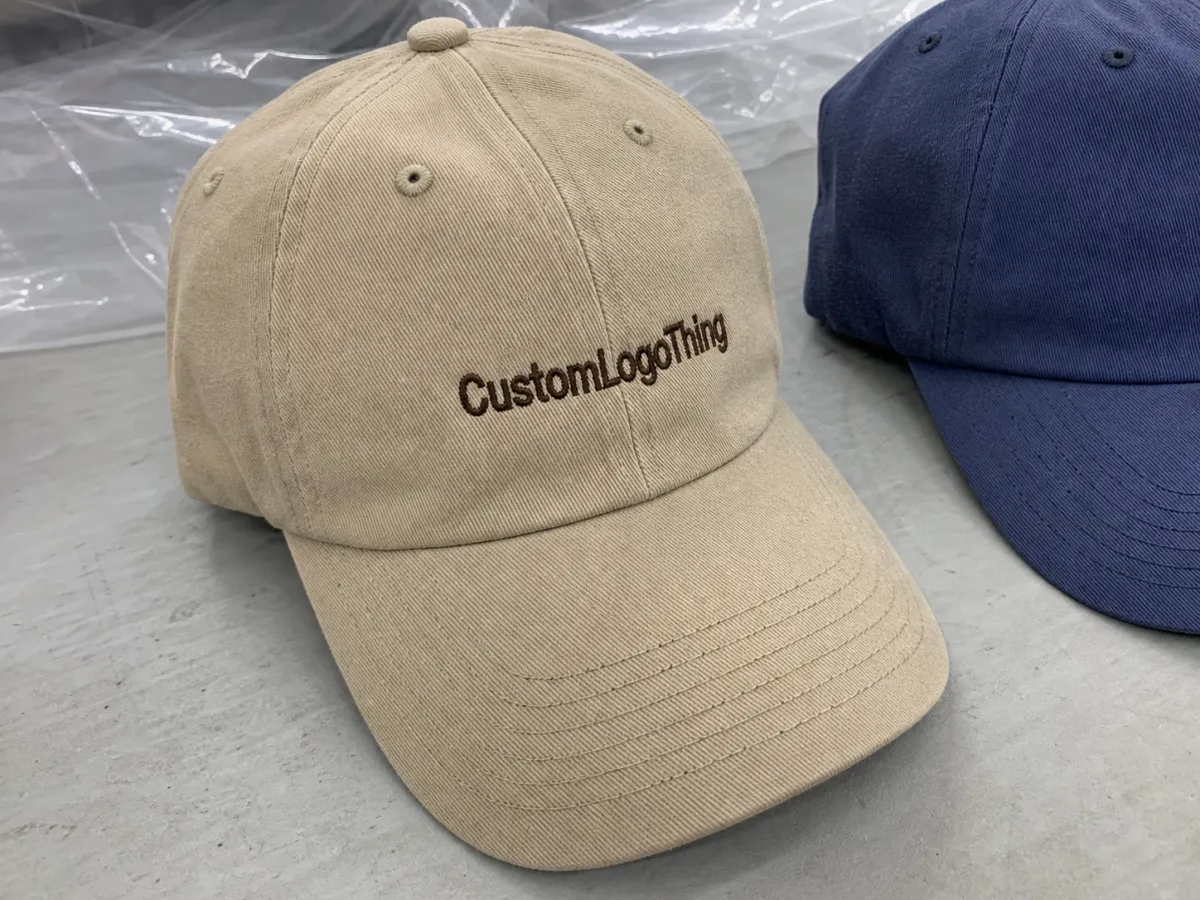
Hotels often get more value from one cap style than expected. A neutral, guest-facing cap can work for bell staff, valet, grounds, pool teams, housekeeping support, marina crews, and event staff without looking out of place. Fewer styles means fewer inventory issues and less chance of handing the wrong item to the wrong team.
Bulk ordering also protects brand consistency. The same logo placement, thread colors, and cap silhouette can be repeated on future runs once the file is approved. That reduces drift between shipments and makes reorders far less fragile than one-off purchases from different vendors.
There is usually a budget benefit as well. Setup, digitizing, and freight can repeat on smaller orders, which makes the true cost harder to control. Larger runs spread those fixed costs over more units, and the unit price typically improves as quantity rises. For hotels with turnover or seasonal hiring, a larger order can also cover reserve stock and replacement needs.
For multi-property groups, bulk ordering helps avoid brand drift. If caps are sourced piecemeal, fabric lots, thread matches, and stitch settings can vary enough to be visible. A single production run is usually the safer path when the same look needs to appear across properties.
Choose the Right Cap Build for Guest-Facing Wear
Cap construction affects how polished the uniform looks before the logo is even noticed. A structured crown creates a cleaner silhouette and usually feels more formal, which suits resorts, golf properties, and front-of-house teams. An unstructured crown is softer and more relaxed, which can work for beach properties or casual brands.
Closure style matters too. Snapbacks are the easiest to stock because they fit many head sizes. Hook-and-loop straps adjust quickly and are useful for teams that remove caps during a shift. Self-fabric straps look a little more refined, while fitted caps can feel premium but create more inventory complexity because multiple sizes may be needed.
Bill shape and crown height affect both comfort and logo visibility. A curved bill is the safest hospitality choice because it shades the face and feels familiar. A flatter bill gives a more modern look, but it is less universal. If the crown is too tall, a small logo can disappear; if it is too low, the front panel can look crowded.
Fabric should match the environment. Cotton twill is common because it is structured and accepts embroidery well. Washed twill creates a softer, more casual look. Performance blends are better for heat, sun, and outdoor service because they dry faster and tend to feel more comfortable over long shifts.
Common build choices usually break down like this:
- Structured cotton twill for a polished guest-facing appearance
- Washed twill for a softer, more casual brand feel
- Performance polyester blends for heat, sun, and heavier outdoor use
- Adjustable snapback or strap closure for easier stocking across shifts
Embroidery Specs That Protect Logo Clarity
Good embroidery starts with digitizing. The artwork has to be converted into a stitch map, and that process determines whether small shapes stay readable or get lost in the thread. Fine lines, tiny text, and narrow symbols are the biggest risk points on a cap front.
Text size is limited by the curve of the crown. Very small lettering can become difficult to read, especially if the font is thin or compressed. Many front logos land somewhere around 2.5 to 4 inches wide, but the right size depends on the artwork, the panel shape, and how far away the logo needs to be read.
Direct embroidery works best for bold, simple artwork. If the logo includes tiny type, gradients, or fine outlines, a patch may hold detail better. Woven patches are useful for small elements, while felt patches can create a more substantial look. The tradeoff is cost and time, since patches add a construction step.
Proofing should be treated as a control step. Check placement, thread colors, stitch density, backing, and cap color together. If the order includes multiple departments or property names, each version should be reviewed separately. A small misspelling or alignment error is expensive once production begins.
Helpful proof details include:
- Thread colors listed by Pantone or a close visual standard
- Exact placement measured from the bill and center seam
- Artwork size relative to the front panel
- Backing type used for the digitized file
- Any text or linework that may need simplification for embroidery
For buyers who want stronger control over shipment handling, packaging, or transit testing, standards groups such as ISTA are useful references. If packaging materials are part of the sourcing decision, FSC is a practical reference for responsible paper-based packaging choices.
Pricing, Unit Cost, and MOQ Basics
Price is driven by a short list of variables: quantity, cap style, number of thread colors, whether a patch is used, and whether the logo needs digitizing from scratch. The blank cap often matters more than buyers expect. A basic cotton twill cap with one embroidery location will price very differently from a performance cap with a patch or extra finishing.
MOQ, or minimum order quantity, depends on the blank and the decoration method. Stock caps with standard embroidery usually support lower thresholds than custom-built caps or patch programs. Specialty fabrics, unusual colors, and more complex decoration generally increase the minimum. For a hotel program, the better question is whether the quantity matches staffing, turnover, and reserve stock needs.
Clear quotes matter. A useful quote separates setup, digitizing, embroidery, standard packaging, shipping, and any special handling. If the order is split across departments or properties, carton labeling and packing instructions may add cost, but those items should be visible and easy to compare.
| Cap Option | Typical Use | Common Unit Range | Best Fit For |
|---|---|---|---|
| Standard cotton twill, one-color embroidery | Front desk, valet, general staff | $4.50-$7.00 | High-volume programs with simple logos |
| Structured cap, multiple thread colors | Resort and guest-facing teams | $5.75-$8.50 | Sharper branding and a cleaner silhouette |
| Performance blend, embroidered patch | Outdoor, golf, pool, transport | $6.50-$9.50 | Heat, sun, and finer logo detail retention |
Those ranges are broad because quantity changes the math quickly. A 250-piece order will not price like a 2,500-piece run, and a one-color mark will not price like a three-color logo with a patch. The pattern is still predictable: larger runs dilute fixed costs and usually make bulk ordering the more efficient option.
If a supplier already has the art file, thread match, and cap style on record, repeat orders should move faster and cost less to set up. That is often the real advantage for hotel procurement: less administrative friction on every reorder.
Production Process and Timeline From Proof to Shipment
The workflow usually starts with artwork intake and a quote based on cap style, quantity, and decoration method. If needed, the logo is digitized and a proof is prepared for approval. For more detailed artwork, a sew-out sample may be requested before full production begins. Once the proof is signed off, production can move forward.
Typical turnaround for a stock cap order is often around 12 to 15 business days after proof approval. That can change based on blank availability, order size, stitch load, and destination. Rush service may be available when the cap style is in stock and the artwork is simple, but rush orders usually narrow the options.
Buyers should leave room for proof revisions and internal approvals. Those steps are what most often stretch the schedule, not the stitching itself. Spelling, placement, and thread color should all be confirmed before production starts, because any correction after approval becomes slower and more expensive.
Hotels planning for an opening, a seasonal launch, or a uniform refresh should work backward from the needed in-hand date. Complex logos and multi-step approvals require more lead time than a simple text mark. A small calendar buffer is usually a safer plan than trying to compress the process.
A well-managed cap order should feel unremarkable once it starts: approved once, produced cleanly, packed correctly, and easy to reorder later.
Carton counts, pack quantities, and label requirements should be agreed before release. If the supplier can document packing consistency or final carton checks, that helps reduce distribution errors. In hospitality, one wrong carton can create more work than a careful packing instruction.
What a Hospitality Supply Partner Should Handle
The right partner does more than process the order. It keeps artwork, cap specs, thread colors, and reorder history on file so future runs match the first one. That matters because even a small shift in color or placement can make a uniform item look improvised.
Multi-location fulfillment is often necessary. Hotels and resorts may need caps shipped to several addresses, with different quantities for different departments. A supplier should be able to split the order cleanly, label cartons properly, and keep logo variations organized without turning the buyer into the dispatcher.
Quality control should happen before shipment. Placement needs to be checked cap to cap, thread colors should stay within the approved range, and the logo should sit balanced on the panel instead of drifting toward a seam. These issues are easier to catch in the warehouse than after a guest sees the cap.
Responsive account handling is also important when staffing changes. Hotels rarely keep a fixed headcount, so a good supplier should be able to adjust counts, replace a batch, or repeat an order without forcing a full rebuild of the file. Repeatability is the real value in a hospitality supply relationship.
Packaging and material handling matter too. Caps get unpacked, stored, redistributed, and sometimes shipped again. Clear labeling and repeatable packing instructions reduce confusion at the property level and make the uniform program easier to manage over time.
Next Steps to Place a Hotel Cap Order
Before requesting a quote, gather the logo file, target quantity, preferred cap style, and required delivery date. If the order is for one property, several departments, or multiple locations, include that up front. A clear brief usually leads to a faster and more accurate quote.
Ask for a line-item quote that separates MOQ, setup, decoration, and shipping. That makes comparison easier and helps procurement see what is actually driving the price. If different departments need different logos, list each one plainly so the supplier can price and pack them correctly.
Review the proof carefully, then stop. Confirm logo placement, thread color, spelling, cap color, and whether the silhouette still works with the rest of the uniform. Once production starts, changes are slower and costlier.
For hotels standardizing a uniform program, the key question is not whether the sample looks good. It is whether the same cap can be reordered, packed, and worn the same way six months later. That is what a well-planned hotel Embroidered Baseball Caps bulk order should deliver: a consistent base item, a readable logo, and a supply process that stays stable under routine demand.
FAQs
What is the MOQ for hotel embroidered baseball caps bulk order requests?
MOQ depends on the cap base, decoration method, and whether the style is stocked or custom. Standard stock caps usually have lower thresholds than patch programs or specialty fabrics. The best quantity is the one that covers staffing needs and reserve stock, not just the lowest minimum.
How long does a hotel embroidered baseball cap order usually take?
Production usually starts after artwork approval and digitizing. A typical stock order may take about 12 to 15 business days after proof approval, though blank availability and order size can change that. Rush options may exist if the cap style is available and the logo is straightforward.
Can embroidered caps be matched to existing hotel uniforms?
Yes. The best results come from sharing brand colors, fabric references, or Pantone targets. Thread colors can usually be matched closely, though an exact visual match should be confirmed on a proof or sample. Cap fabric also affects how the final color reads under different lighting.
What file should I send for a hotel cap embroidery quote?
A vector file is ideal because it keeps the logo clean during digitizing and resizing. If only a raster file is available, send the highest-resolution version along with brand guidelines and any color notes. Fine text or thin lines may need simplification for embroidery.
Can different hotel departments order the same cap with different logos?
Yes, as long as the base cap, color, and decoration area stay consistent. List each logo variation clearly so the supplier can quote and pack the order without confusion. This works well for properties that want one cap style but multiple department identifiers.
Are patches better than direct embroidery for hotel caps?
Patches can preserve more detail when the logo includes small type, gradients, or very thin lines. Direct embroidery is usually simpler and can be a better fit for bold, uncomplicated logos. The decision should be based on the artwork, not only on appearance or price.
What should buyers check before approving the final proof?
Check spelling, thread colors, logo size, placement, backing, and cap color. If the order has more than one department or property, review each variation separately. That extra minute often prevents the most expensive mistakes in the order.


