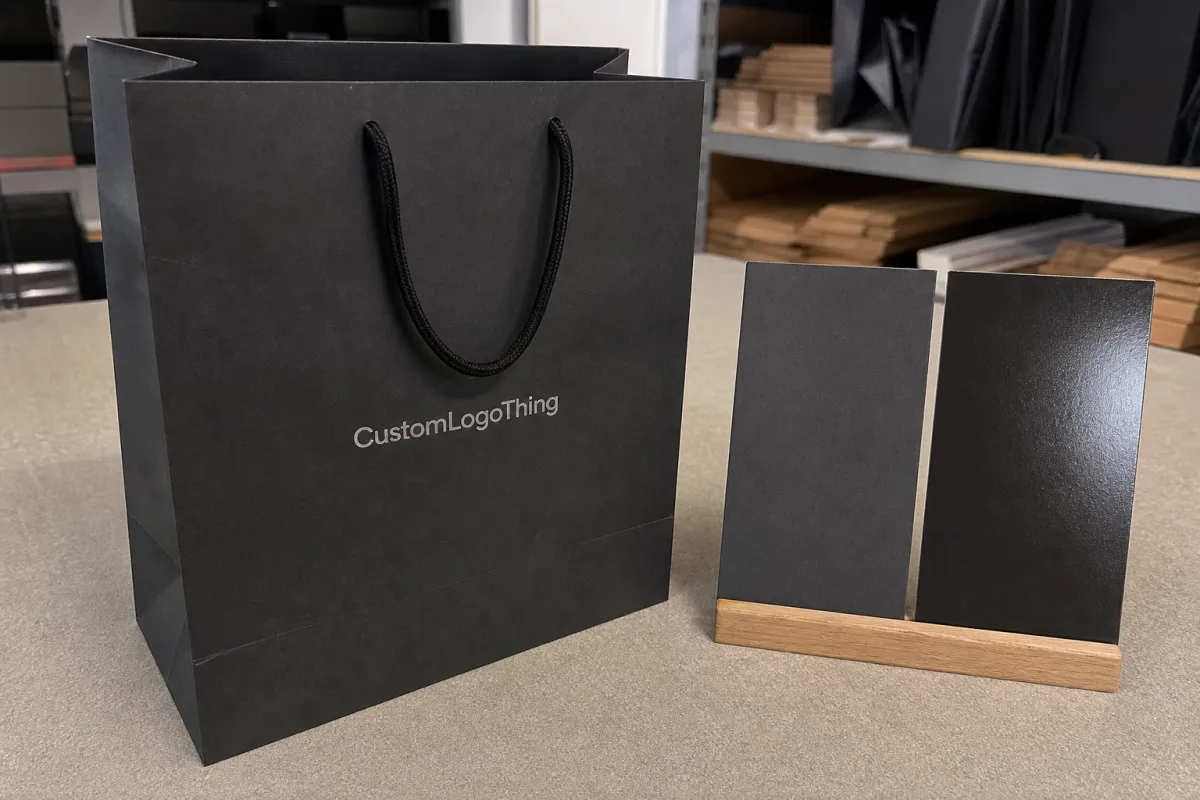
If you are comparing samples for an apparel Flat Bill Snapbacks Bulk Order, the first thing I would look at is not the logo file, but the crown shape that carries it. A flat bill cap gives embroidery, woven patches, and print a firmer surface to sit on, so the artwork stays readable instead of sagging across a soft front panel. That difference sounds small on paper, but in a real run it changes how the whole program looks on the shelf, on the field, and in the box.
For Custom Logo Things buyers, that usually means one question: do you need a cap that looks clean and consistent from 10 feet away, or do you need a softer fashion silhouette that trades some structure for comfort? If the answer is the first one, an apparel Flat Bill Snapbacks bulk order is often the safer choice because the cap keeps its shape, the bill presents the logo squarely, and the sample you approve is much easier to replicate at scale.
A good bulk cap program should answer three questions before production starts: does the front panel hold the artwork cleanly, does the color match under normal warehouse light, and does the packed carton arrive ready to distribute without rework.
Why Apparel Flat Bill Snapbacks Bulk Order Runs Hold Artwork Better
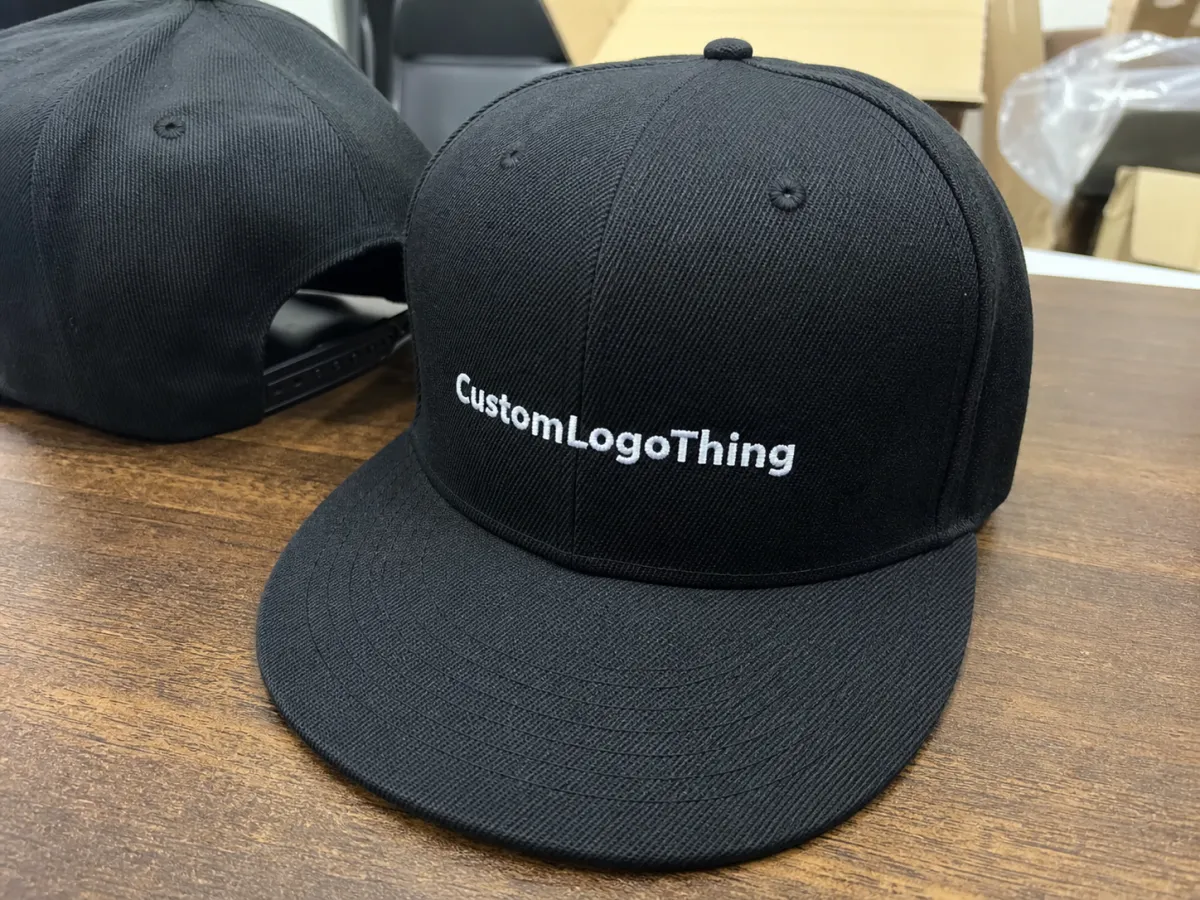
Picture two hats side by side with the same front logo: one is a soft, unstructured cap, and the other is a structured flat bill snapback. On the softer cap, the fabric can pull or wrinkle around the stitch lines, especially if the logo has dense fill or raised detail. On a structured front panel, the artwork sits on a firmer face, so edges stay more defined and the logo reads cleanly from a distance. That is the practical reason an apparel Flat Bill Snapbacks bulk order often outperforms a softer cap for retail merch, team programs, campus stores, and event giveaways.
Flat bills also help buyers keep the presentation consistent. The brim gives the cap a sharper profile, and the straight bill makes the overall silhouette feel deliberate instead of casual. For branded apparel, that matters because people judge quality fast. If the cap looks even slightly bent, stretched, or off-center, the whole program can feel less polished, even when the logo itself is printed or stitched correctly.
From a production point of view, the rigid front panel gives the decoration team a more predictable canvas. Raised 3D puff embroidery, dense satin stitch, and woven patch placement all benefit from that stability. The panel can still vary by fabric and buckram build, but compared with a soft crown, there is less movement during stitching and less risk that the final logo will drift. That is why buyers who care about repeatability usually start with a structured flat bill, then choose the decoration method after they know the cap body is strong enough for the art.
There is also a visual advantage for larger assortments. If you are ordering multiple colorways for an event team, a distributor program, or a retail drop, the flat bill creates a common shape across the line. That makes mixed colors look intentional rather than mismatched. In practice, the best apparel Flat Bill Snapbacks bulk order jobs are the ones where the silhouette stays the same and only the colorway or logo placement changes.
Key Build Details That Keep the Cap Looking Consistent
If you are comparing samples side by side, start with the bones of the cap. A 6-panel structured snapback behaves differently from a low-profile cap with a lighter crown, and even small shifts in the front panel height can change how embroidery sits. Buckram support inside the front panel is one of the biggest factors here. More support usually means a cleaner logo face, while too little support can let the panel ripple when the stitch density climbs.
Crown height, panel count, visor shape, and closure style should all be on the spec sheet before anyone signs off. Most buyers focus on logo art first, then realize later that one sample has a taller front, a wider brim, or a different snap closure than they expected. Those differences are not cosmetic only; they affect fit, perceived value, and whether your repeat order actually matches the approved sample.
Fabric choice matters just as much. Cotton twill gives a familiar matte hand feel and works well for lifestyle branding. Polyester can hold up better in active use and tends to tolerate moisture and sunlight a bit better. Acrylic-wool blends still show up in many structured caps because they hold shape nicely and have a classic retail look. Performance fabrics can help if the hat is going into sports or outdoor programs, though they may feel less traditional. There is no single best option; the right one depends on how the cap will be worn, stored, and shipped.
Finishing details are where many bulk programs win or lose polish. Underbrim color, eyelet stitching, sweatband construction, and visor stitching all show up in the final result, even if they are not the first thing a buyer notices on a proof. I usually advise clients to ask for a side profile photo, a top-down shot, and a close-up of the front panel seam before approval. Those three images reveal far more than a single front-facing mockup.
For retail-minded buyers, this is also the point where presentation choices should be locked. A matching underbrim can make the cap look cleaner on display. Contrast stitching can make a logo pop. A self-fabric closure may feel more premium than a basic plastic snap in some programs, but it can also change cost and lead time. The smart move is to decide what the customer is supposed to notice first, then build the cap to support that choice.
Common build questions worth asking
- Is the front panel fully structured, lightly structured, or soft-backed?
- How tall is the crown, and does it match the approved sample exactly?
- Does the brim have a flat profile or a slight precurve?
- Is the closure a standard snap, a matching-color snap, or a custom clasp?
- Will the sweatband, eyelets, and underbrim color stay fixed across the whole run?
Specs to Lock Before You Approve the Sample
Before you approve a sample, lock the dimensions that will be hard to fix later. I mean the actual measurements, not a rough description. Ask for crown height, brim width, front panel profile, and closure range in writing. If your team expects one cap to fit a 23-inch head circumference and the supplier is working from a looser assumption, the result can be a shipment that technically meets a generic spec but fails your program.
Artwork specs need the same discipline. Confirm the maximum logo area, patch size, and stitch count range before the sample is greenlit. A dense logo can look fine in digital mockup and then become too heavy for the panel if the underlay or stitch direction is wrong. For embroidery, vector files are still the starting point, but digitizing quality determines how clean the border will look. For patches, ask whether the edge is merrowed, laser-cut, or heat-sealed, because each finish behaves differently on a flat bill crown.
Color is another place where people assume too much. If the order includes more than one production date, ask for PMS references, fabric swatches, and a written shade tolerance. Not every material matches the same way. A cotton twill cap and a polyester cap can both be called black, but one may read warmer under warehouse lights and the other may appear slightly cooler in daylight. That is not a defect; it is a material reality. The fix is to document it before purchase order release.
Packaging should be part of the spec, not an afterthought. If the hats are going to stores, distributors, or event teams, ask about size stickers, hangtags, polybags, inner pack counts, and carton labels. FSC-certified paper inserts or hangtags are a good fit if your brand wants a cleaner paper trail, and organizations like FSC make it easier to align that choice with sourcing goals. For transit discipline, many teams also review general packaging and shipping practices through groups like packaging.org, especially when the goal is fewer crushed cartons and fewer relabeling issues at receiving.
If the shipment is going through a distributor network, ask how the carton pack will be built. Inner packs of 24, 36, or 50 can affect labor on the receiving end, and a neat carton label can save a surprising amount of time. In other words, the cap spec and the pack spec should travel together.
Cost, Pricing, MOQ, and Quote Variables
For an apparel Flat Bill Snapbacks bulk order, price is not driven by quantity alone. Quantity matters, of course, but the unit cost also moves with decoration method, stitch count, number of colors, patch complexity, fabric choice, closure style, and whether the cap needs any special trims. A simple one-color embroidered logo on a standard structured body will usually cost less than a multi-step patch build with custom labeling and mixed-color panels.
The MOQ picture is similar. Smaller minimums can be useful for launch programs and first-time buyers, but they usually carry a higher unit cost because setup work gets spread across fewer caps. Larger runs lower the price through material efficiency and more stable machine time. If a supplier gives you only one number, ask for the next price break too. The step from 100 to 300 pieces, or from 500 to 1,000 pieces, often reveals the real value of the quote.
| Decoration option | Best use | Typical setup impact | Typical price effect |
|---|---|---|---|
| Flat embroidery | Clean logos, simple text, team branding | Digitizing required, then stable for repeat runs | Usually the most economical for straightforward art |
| 3D puff embroidery | Bold marks, sports branding, retail caps | More sensitive to panel support and stitch density | Higher than flat embroidery due to extra labor |
| Woven patch | Detailed logos, fine lines, sharp edge definition | Patch production plus application step | Moderate increase depending on patch size and shape |
| PVC or molded patch | Premium merch, outdoor branding, tactile finish | Mold or tooling may be required | Higher setup and unit cost, especially on smaller runs |
| Printed logo | Large graphics, soft color fades, lower stitch volume | Screen or transfer setup varies by method | Can be efficient, but depends heavily on artwork and coverage |
For planning purposes, a straightforward program might land in a broad range of roughly $2.50 to $4.50 per unit at higher quantities for a basic structured snapback with simple decoration, while more complex builds can climb into the $5.50 to $8.00 range or more depending on patch work, special closures, or premium fabrics. Those numbers are only directional, because a cap with heavy embroidery, custom packaging, or rush timing can move well outside that band.
One-time fees should be separated from recurring costs. Digitizing, mold charges, plate charges, sample development, and first-run approvals are usually setup items. Freight, carton labeling, rush production, and special packaging can recur per order. A good quote should spell out each line so the buyer can compare suppliers on equal terms. That is also where a supplier's Wholesale Programs page can be useful, because it often shows how price breaks change with volume instead of hiding the math behind a single headline number.
Production Steps, Lead Time, and Approval Milestones
Once an apparel flat bill snapbacks bulk order moves from quote to production, the workflow should be clear enough that the buyer can track it without guessing. The clean version starts with artwork review, moves to digital proofing, then sample or pre-production cap approval, then bulk manufacturing, inspection, packing, and shipment. If a supplier cannot describe that sequence plainly, the risk is usually hiding in the handoff between departments.
Most delays happen before the first cap is sewn. Artwork that is not vector-ready takes time to clean up. Color approvals can stall when a buyer wants a precise match but has not provided a physical reference or PMS target. If a patch needs tooling, that can extend the front end by several days. In practice, the fastest projects are not the ones with the fewest steps; they are the ones where every step is approved quickly and in writing.
Typical lead times vary by complexity. Simple runs with standard decoration may move in about 12 to 15 business days after approval, while fuller programs with patches, custom trims, or multiple colorways often need 18 to 25 business days. Rush options can exist, but they depend on fabric stock, machine availability, and whether the art is already ready for production. Transit time is separate, so a quote should always state manufacturing time and shipping time as two different numbers.
Approval milestones keep the process from drifting. I like to see four checkpoints: proof approved, sample approved, purchase order released, and production start confirmed. After that, the supplier should send a packing count and a shipment notice with carton totals and tracking details. That may sound basic, but basic is exactly what prevents confusion when several people on the buyer side are touching the same order.
For quality control, a good supplier should inspect panel alignment, logo placement, sweatband attachment, snap function, and color consistency before cartons are sealed. If the order is going into retail or event distribution, ask whether the cartons are built to a transport standard such as ISTA guidance for handling and transit testing. Not every cap program needs a full lab-style test plan, but using a recognized shipping standard can reduce avoidable damage on longer routes.
One practical habit helps more than most buyers realize: keep a milestone sheet with dates, owner names, and approval status. It does not have to be fancy. A simple shared document that shows mockup date, sample ETA, final approval date, production start, and planned ship date will save time every time someone asks, "Where is the order now?"
What a Reliable Cap Supplier Should Document Up Front
A reliable supplier should put the important details in writing before money gets tied up in production. That includes the cap body spec, the decoration method, the approved colors, the sample revision process, the pack configuration, and the exact delivery assumption. In a real apparel flat bill snapbacks bulk order, clear paperwork matters because tiny changes in crown height or stitch density can snowball into a mismatch across the entire run.
Watch for how the supplier explains tolerances. No factory can promise zero variation on every cap in a bulk run, especially with textile goods. What you want is a honest explanation of the acceptable range for color shift, stitch placement, patch alignment, and closure function. If a supplier claims perfect uniformity on every detail, that is not more reassuring; it usually means the person quoting is not thinking like the production team.
Communication speed is another useful test. Fast answers on mockups, pricing, and sample feedback often prevent avoidable errors later. Slow answers usually leave too much room for assumptions, and assumptions are expensive once a production line is running. If a vendor responds clearly to the first round of questions, you usually get a better sense of how they will handle the order when the pressure rises.
Here is the kind of documentation I like to see before release:
- Written spec sheet with crown, brim, closure, and fabric details
- Approved art file and placement drawing
- Color references with PMS callouts or matched swatches
- Sample approval record with dated sign-off
- Packing plan with carton count and label format
- Freight assumption with ship method and destination details
If a supplier can walk through that list without hesitation, the order is usually in good shape. If they cannot, the buyer is taking on too much of the production risk.
Next Steps to Place Your Bulk Order Without Delays
The fastest way to move a cap program forward is to gather the basics before you ask for pricing. Send artwork files, target quantity, preferred decoration method, colorway choices, and the delivery window. If you already know the retail launch date or event date, include that too. A quote built around complete information is usually far more useful than a low headline number that assumes the wrong material or the wrong lead time.
For approval, I recommend one sample cap first, then a final sign-off on carton count, ship date, and destination before bulk production starts. That sequence gives both sides a clean record of what was approved and what was shipped. It also keeps the order from drifting into last-minute changes that raise cost or slow the line down.
If your team is still deciding whether the program should be a snapback, a trucker, or another structured style, the safest approach is to compare samples in hand, not only in a rendering. A cap that looks good on screen can still feel too tall, too shallow, or too stiff once you put it on. The hand feel, brim shape, and front panel build all matter when you are buying in volume.
For order help, internal references like our FAQ can answer common questions on minimums, artwork files, and timing before you send a formal request. From there, the next move is simple: send the specs, ask for pricing tiers, and confirm a production window that fits your launch or delivery plan. That is the cleanest way to keep an apparel flat bill snapbacks bulk order moving smoothly from quote to delivery.
What is the usual MOQ for flat bill snapbacks in bulk orders?
MOQ depends on blank availability, decoration method, and how many colorways you want in the same program. Ask for the lowest viable lot size and the next price break so you can compare true unit cost, not just the starting quote.
Which decoration method works best for apparel flat bill snapbacks bulk order runs?
Embroidery is the most durable choice for simple logos and bold text. Patches work well for detailed art, while print can be efficient for large graphics or softer color transitions.
How long does production usually take after sample approval?
Simple runs can move in about 2 to 4 weeks after approval, while larger or heavily decorated orders take longer. Transit time is separate from manufacturing time, so confirm both before you set a delivery promise.
Can I mix colors or logo placements in one snapback bulk order?
Yes, but each variation can affect MOQ, setup time, and final pricing. Ask whether color splits, mixed patch styles, or alternate placements will require separate production lines or separate proofs.
What files do you need for an accurate quote on flat bill snapbacks?
Send vector art such as AI, EPS, or PDF, plus any PMS color references and preferred logo placement details. If you have a target unit price, quantity, or ship date, include those up front so the quote reflects the right production plan.